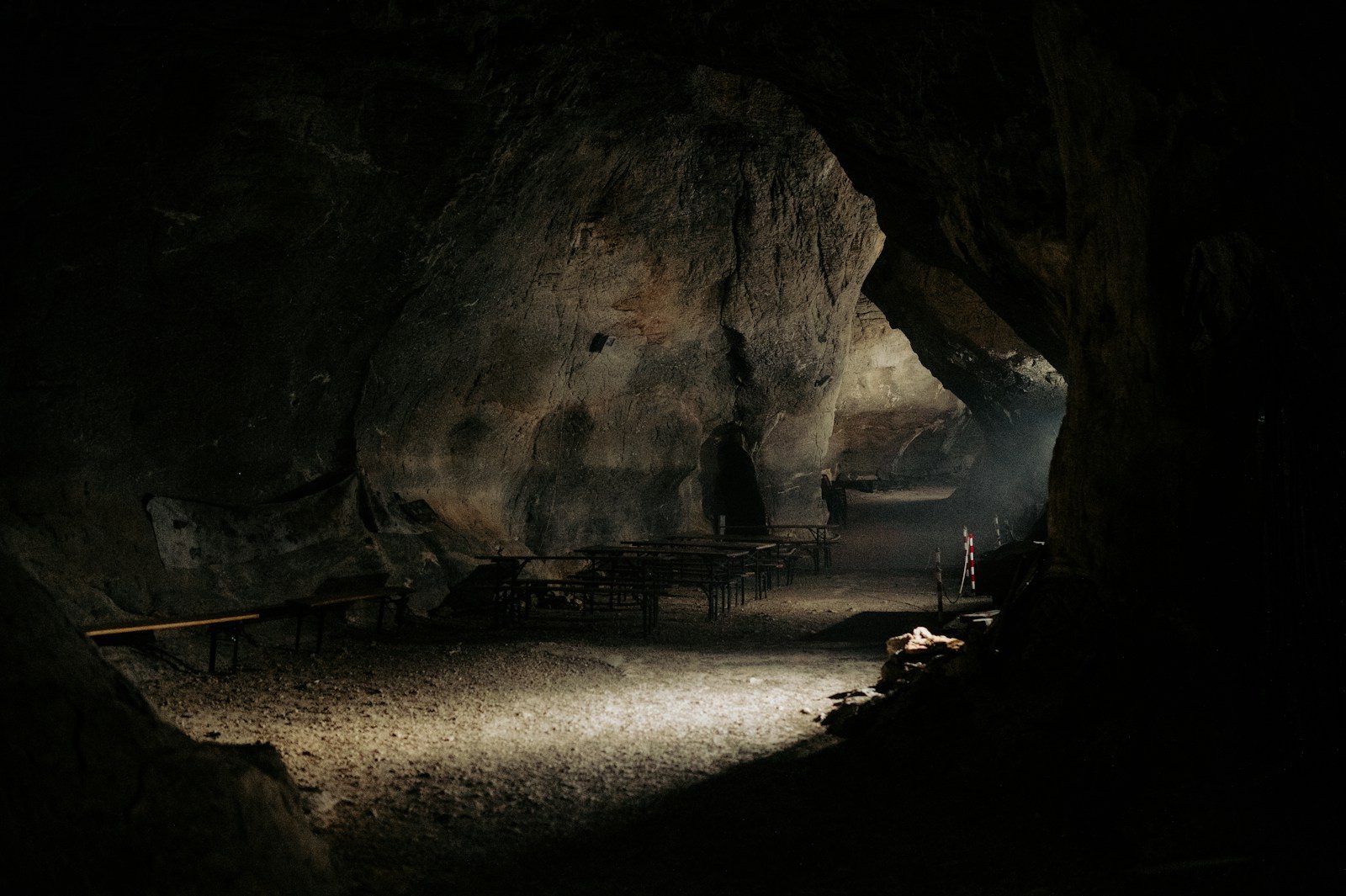
Most historians assume that early humans lived in complete isolation. We believe ancient tribes developed unique languages without any outside contact.
But a shocking discovery of matching geometric symbols across five continents tells a different story. These signs suggest a unified messaging network existed during the Ice Age.
A Hidden Stone Network
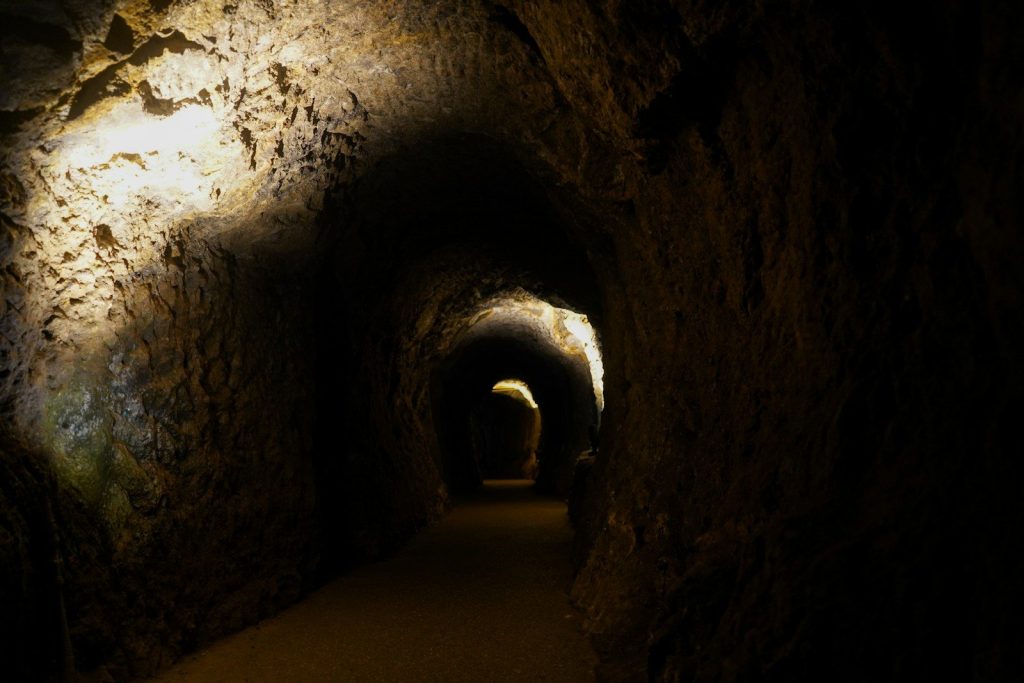
Deep inside dark caves, researchers are uncovering something highly unusual. According to archaeological reports, exactly thirty-two geometric shapes appear on rock walls across the entire planet. They are identical. This consistent marking pattern spans from Europe to Australia. But the most baffling detail is when these symbols first appeared.
Reaching Back In Time

These strange markings are not random graffiti. According to radiocarbon dating tests, the earliest of these symbols was drawn over thirty thousand years ago. This timeline is stunning. It suggests that prehistoric humans were using a shared graphic communication system long before writing was officially invented. Yet scientists still had to prove the designs were not a coincidence.
Beyond Pure Coincidence

Finding the exact same symbols across thousands of miles cannot be accidental. According to statistical modeling studies, the probability of separate cultures inventing these identical designs is nearly zero. It was highly intentional. The creators were clearly sharing a specific message that resonated across diverse clans. But deciphering the meaning of these patterns required looking at human migration.
Tracking The Ancient Migrants

The symbols seem to have traveled with early groups as they populated the world. According to genetic migration studies, human populations carried these graphic traditions out of Africa during their grand expansions. They were highly organized. This shared knowledge acted as a cultural anchor across distant environments. But one specific location held a treasure trove of these shapes.
Secrets of the Lascaux Cave
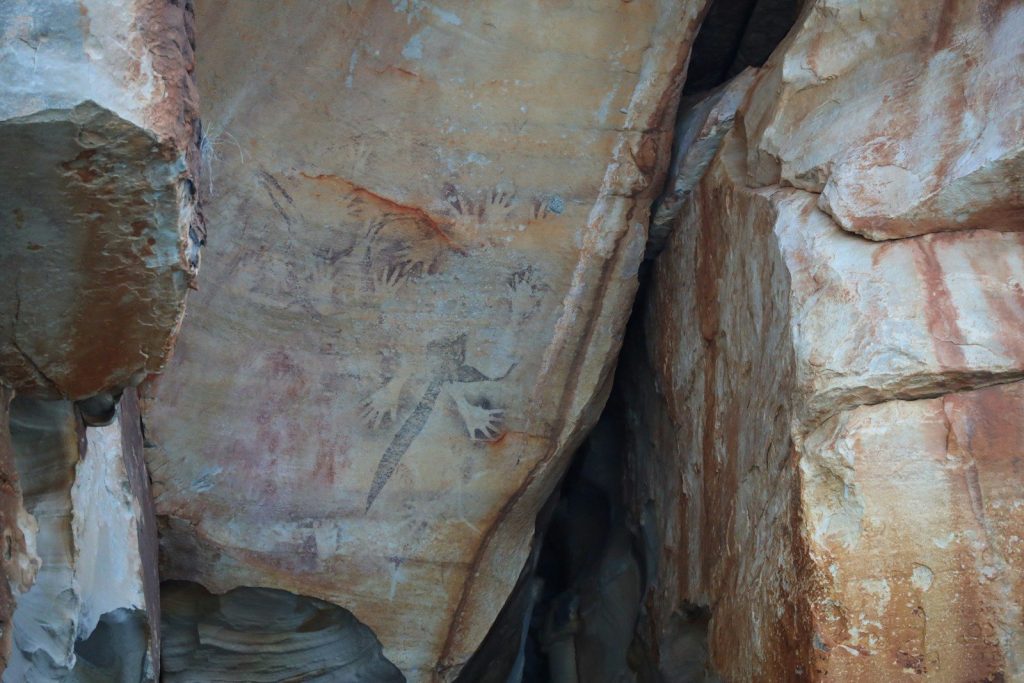
Famous cave systems contain more than just paintings of animals. According to the French Ministry of Culture, the walls of Lascaux are covered in these mysterious abstract signs. Nobody noticed them before. For decades, experts focused only on the beautiful bulls and horses while ignoring the geometric codes. But these silent symbols may hold the true key to human survival.
A Code For Survival
The shapes likely served a highly practical purpose for survival during extreme weather. According to anthropological research, prehistoric groups used these signs to mark territory or warn others of dangers. This was critical. It was a primitive mapping tool for an increasingly hostile world. But this prehistoric network began to vanish as the glaciers melted.
The Vanishing Global Code
As the climate shifted, the ancient connection slowly dissolved. According to evolutionary history reports, rising sea levels and shifting forests forced tribes to develop separate regional identities. The system broke apart. The global symbolic language faded into myth, leaving only these silent rock carvings behind. But modern technology is finally helping us read the messages again.
Reconnecting Our Ancient Past

Modern scanners are revealing hidden layers of rock art previously invisible to the human eye. According to historical researchers, mapping these symbols shows a deep level of prehistoric intelligence that we are only beginning to appreciate. We are not as different from our ancestors as we think. This article is for informational purposes only.
Featured Image: Photo by Richard Gabriel Moritz on Unsplash
Leave a Reply