What happens in our final moments of life is one of the deepest mysteries in science. Thousands of people who survived clinical death report incredibly consistent and peaceful experiences.
For centuries these stories were dismissed as mere spiritual visions. Today modern neurologists are studying the chemical secrets of the dying brain and uncovering a biological masterpiece.
Inside the Brains Sudden Surge of Energy
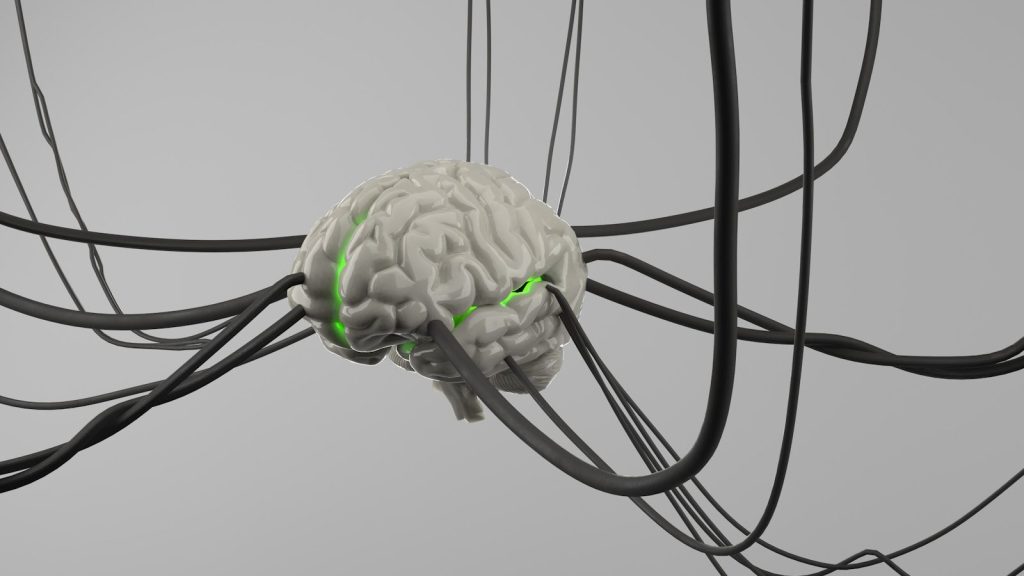
When the heart stops beating and blood flow halts the brain is assumed to shut down instantly. However recent scientific studies on animals show a surprising spike in brain activity just after clinical death. This intense burst of electrical energy is far more organized than the brain activity of healthy conscious states.
This neurological surge might explain the incredibly vivid visions.
The Chemistry of the Tunnel of Light

Many survivors recall traveling through a dark tunnel toward a brilliant white light. Scientists believe this classic vision is caused by a rapid drop in blood flow to the eyes. As oxygen levels plunge in the retina peripheral vision fails first and leaves only a central patch of bright light that mimics a tunnel.
But the deep feelings of peace require a different explanation.
A Biological Shield Against Pain
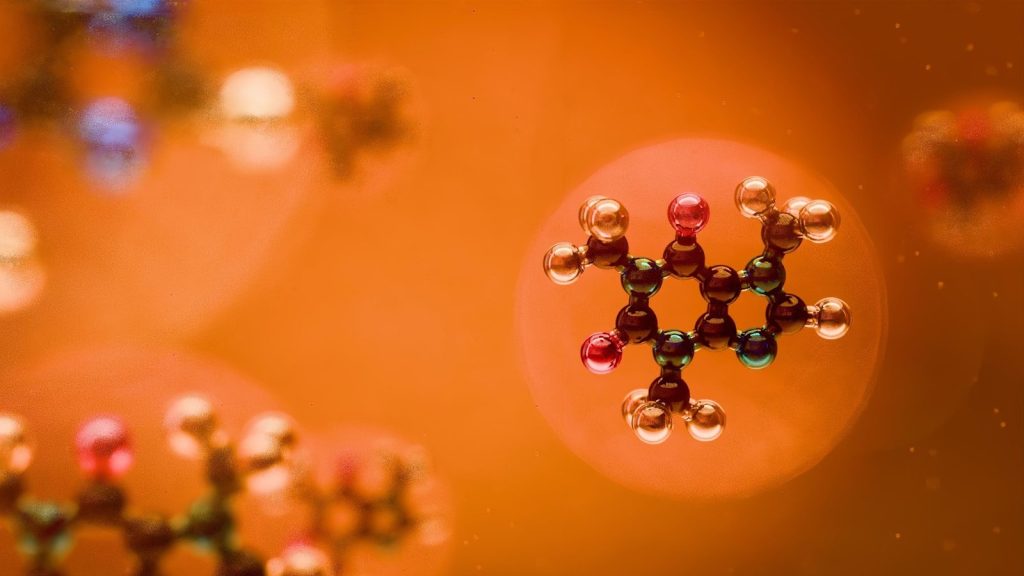
Near-death survivors frequently describe an overwhelming sense of calm and a total absence of fear or pain. Researchers suggest the brain releases a massive flood of natural endorphins and protective chemicals during extreme trauma. This chemical defense mechanism acts as a built-in biological cushion designed to ease our final moments.
Other survivors report an even stranger sensation of floating.
The Science of Floating Above Your Body
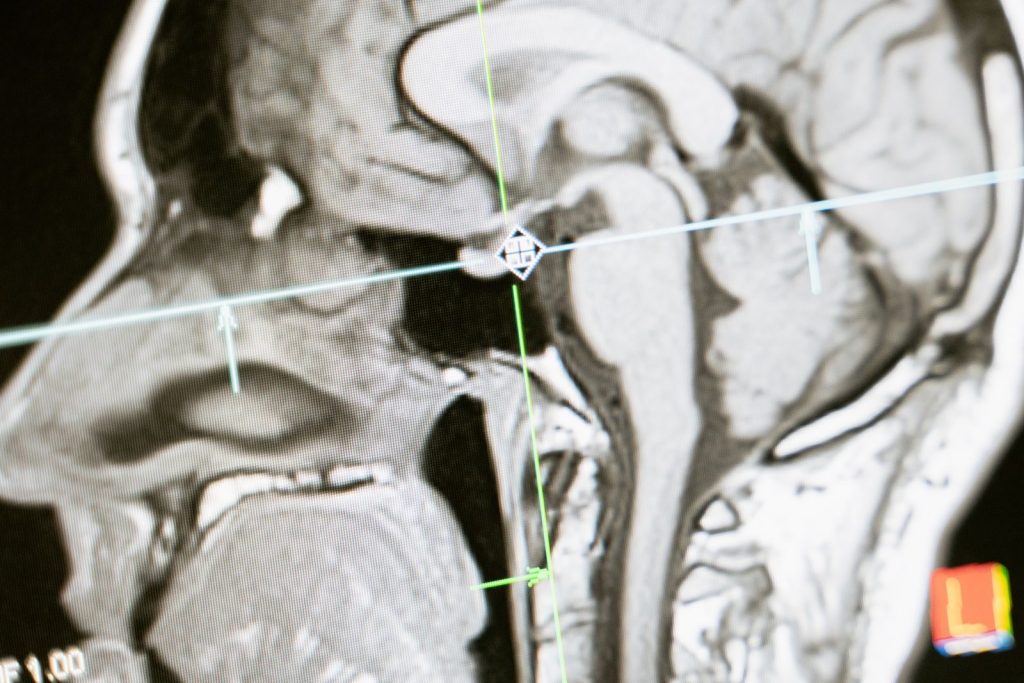
Out-of-body experiences are common in near-death accounts where patients claim to see doctors working on them. Neurologists can actually trigger this exact floating sensation in healthy patients by stimulating the temporoparietal junction of the brain. This specific area is responsible for combining sensory data to construct our physical sense of self.
If consciousness is just chemistry then some cases still baffle doctors.
The Mystery of Veridical Perception
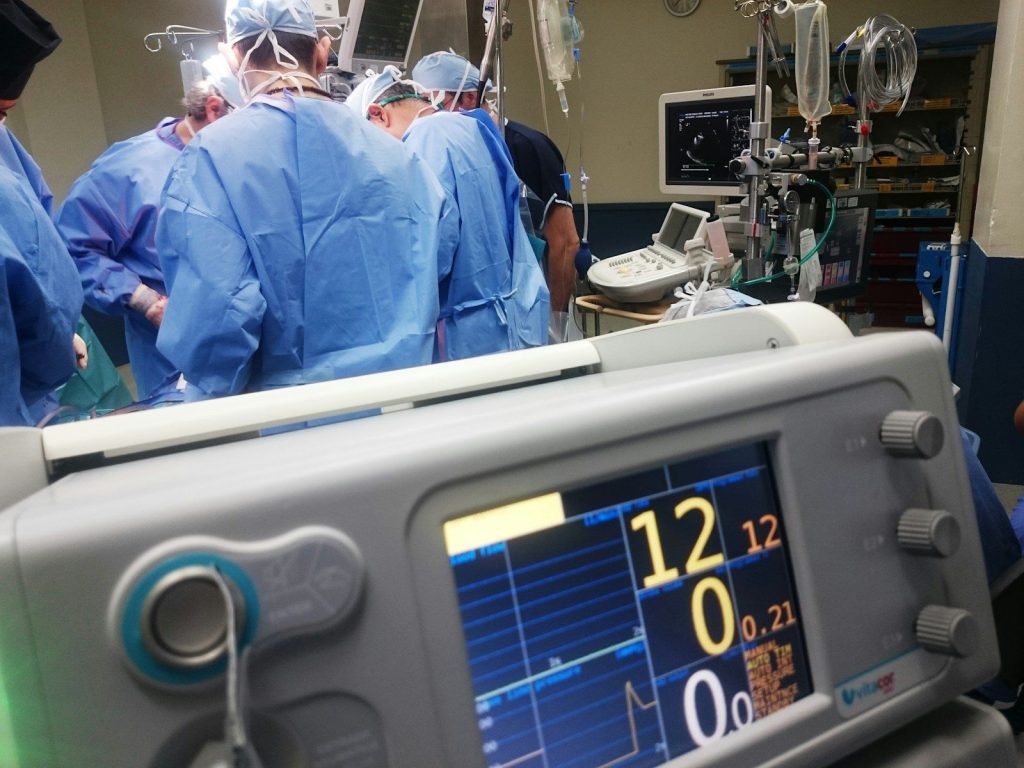
Some patients have reported highly detailed observations of their surroundings while they were clinically dead with no brain activity. They accurately recalled conversations and specific medical instruments used during their resuscitation. While skeptics argue these are reconstructed memories after waking up these precise accounts continue to challenge researchers.
This leads to a fundamental debate about human consciousness.
Is Consciousness More Than Brain Waves
A minority of medical researchers suggest that consciousness might not be entirely dependent on active brain function. They theorize that our minds could exist in a more fundamental state that survives temporary physical shutdown. While this remains highly controversial it has pushed scientists to design more rigorous hospital studies to test the theory.
These ongoing studies are changing how we define death itself.
Redefining the Border of Life and Death
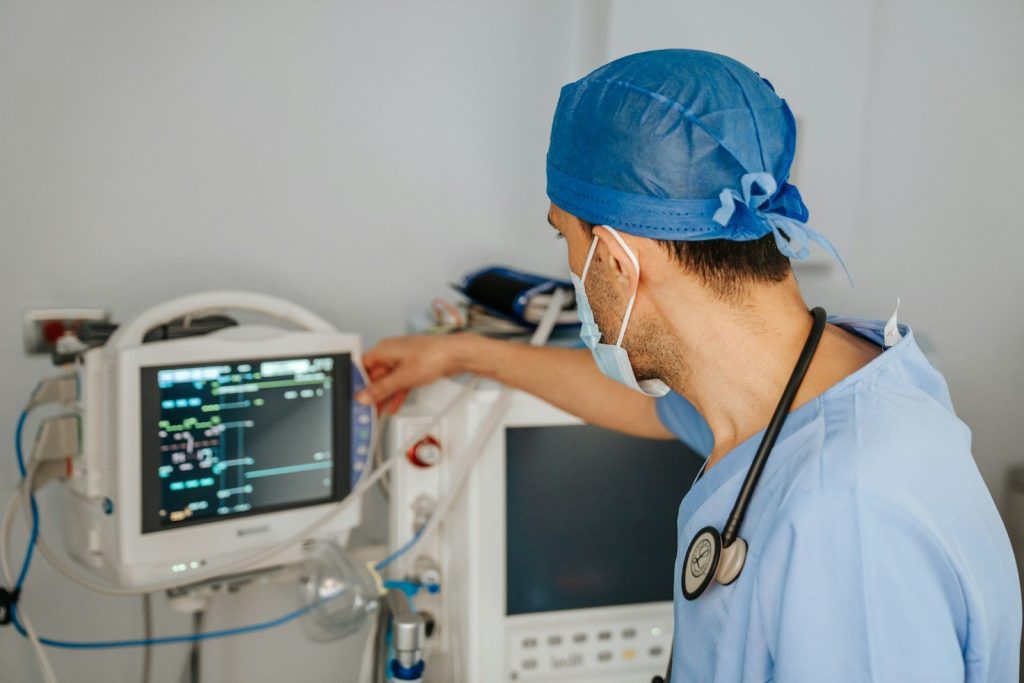
Modern resuscitation medicine has made the line between life and death much blurrier than it used to be. Death is no longer viewed as a single sudden moment but rather as a gradual cellular process. This biological transition provides a window where the mind seems to experience its most profound moments.
This incredible journey ultimately reshapes how survivors live.
A New Perspective on Our Final Chapter

This article is for informational purposes only and does not constitute scientific or professional advice. Ultimately science is showing that our final moments are not filled with cold darkness. Instead the dying brain seems engineered to guide us gently through the transition. Survivors almost always return with a deep appreciation for life and a complete loss of fear.
Leave a Reply