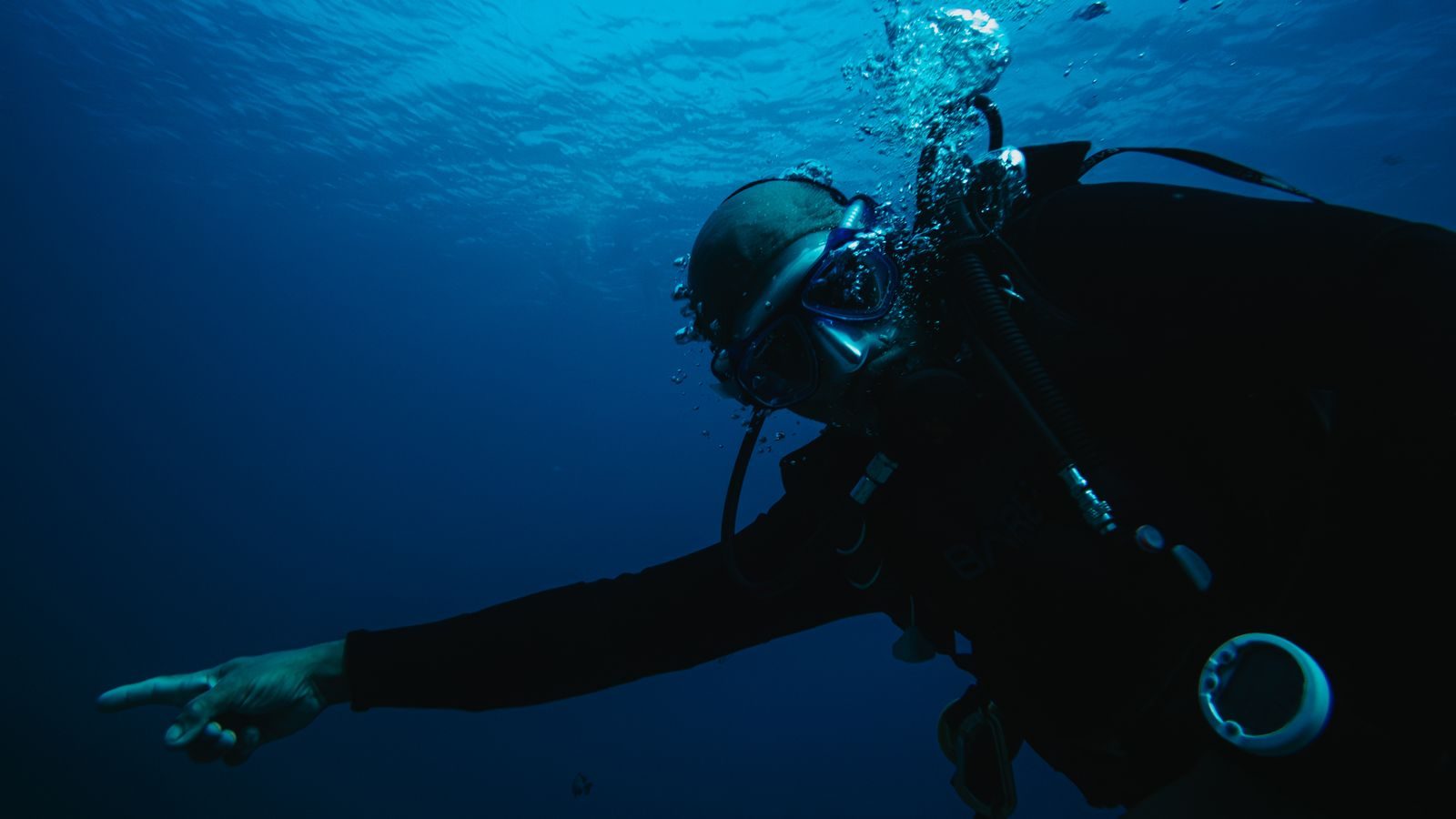
A team of European researchers has made an incredible discovery beneath the cold waves of Denmark. They uncovered a perfectly preserved prehistoric settlement that is already being called the real Atlantis.
This ancient coastal outpost sank beneath the rising ocean thousands of years ago. Now it is offering scientists a rare look into a forgotten chapter of human history that survived in the dark.
Diving Twenty-Six Feet Into the Past
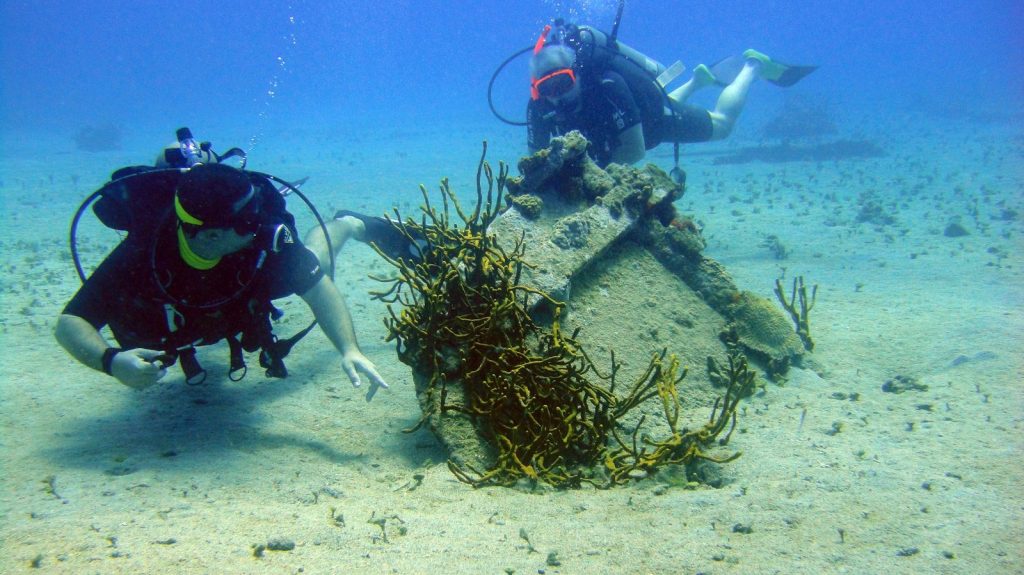
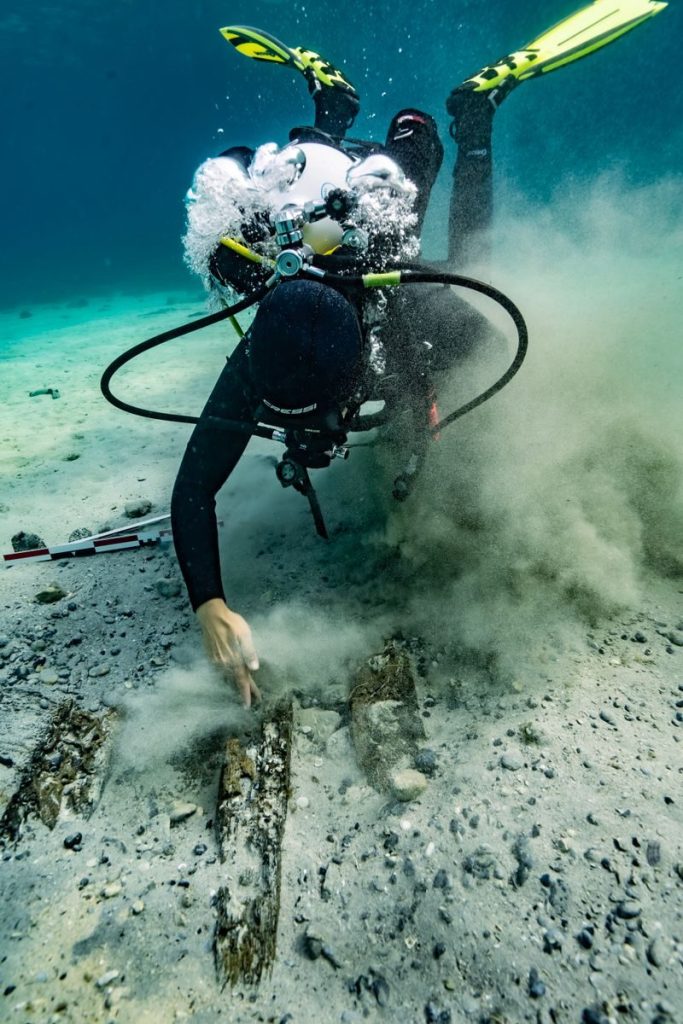
Underwater archaeologists braved the freezing waters of the Bay of Aarhus to locate the site. Using specialized underwater suction gear they carefully vacuumed away layers of seabed. What they found underneath stunned the entire research community because of how well the ocean had guarded these prehistoric remains.
The unique underwater environment acted like a prehistoric vault.
A Perfect Time Capsule Under the Sea
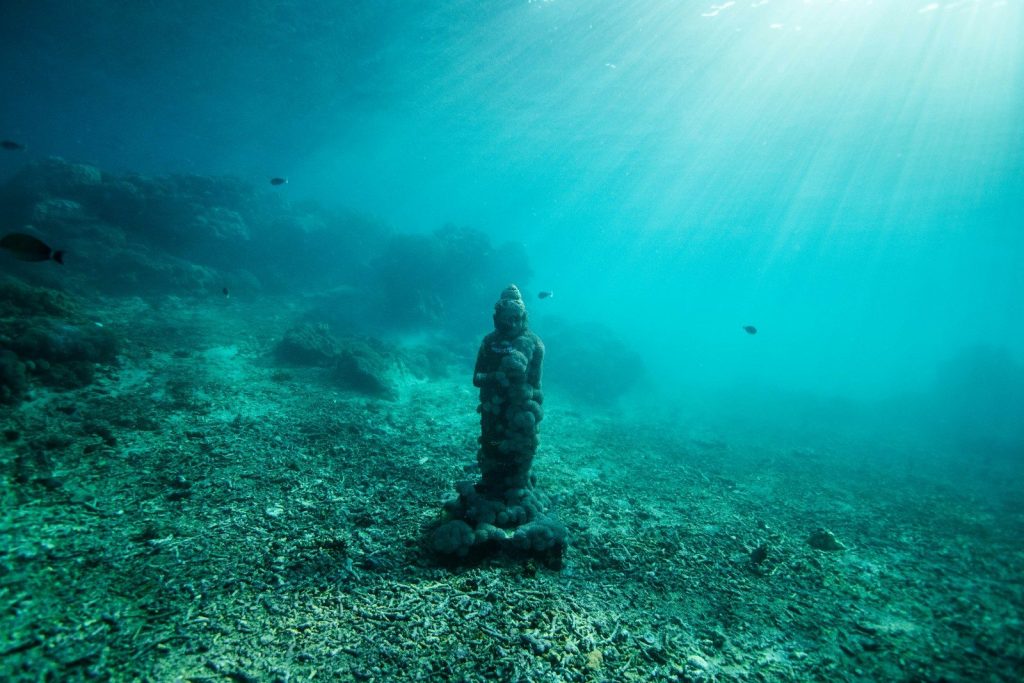
Organic materials like wood and animal bones usually rot away on land within a few centuries. But the bottom of this Danish bay lacks oxygen which prevents bacteria from destroying ancient items. Because of this natural preservation scientists recovered intact wooden tools and delicate hazelnut shells that are thousands of years old.
These small items tell a surprising story about daily prehistoric survival.
How Our Ancestors Conquered the Coast
The recovered artifacts paint a picture of a sophisticated hunter-gatherer community that thrived on the ancient coastline. Divers brought up sharp flint arrowheads and bone tools designed for fishing. These early Europeans had mastered their marine environment and relied heavily on the rich resources of the sea.
But their successful coastal lifestyle was about to face a global threat.
The Ice Age Meltdown That Changed Everything
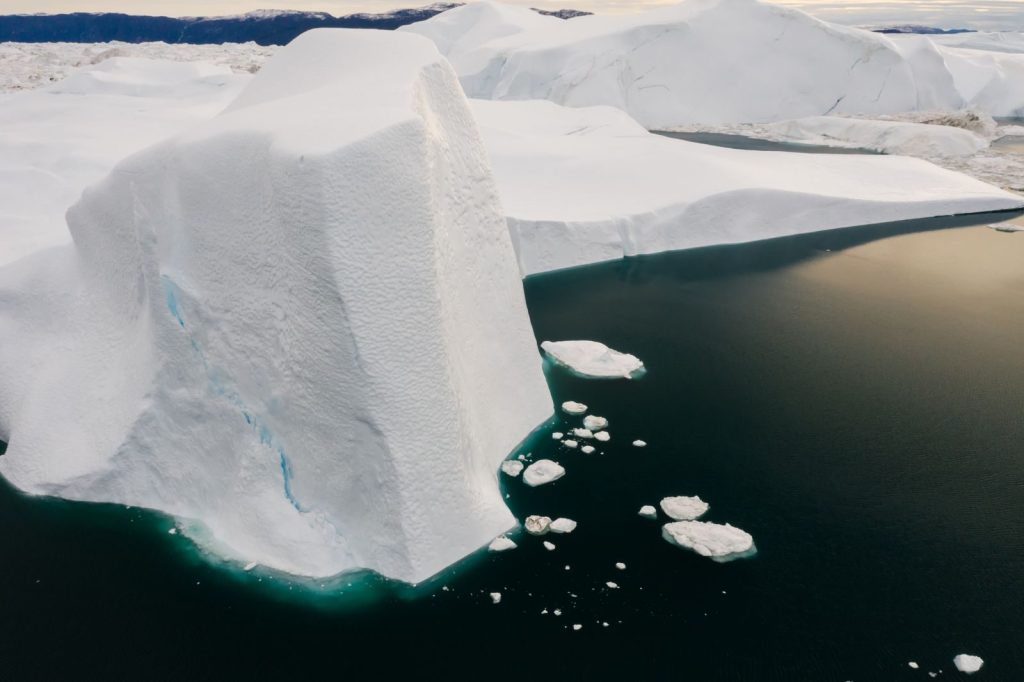
Around 8,500 years ago the last Ice Age was drawing to a close. As massive continental ice sheets melted global sea levels began to rise at a terrifying speed of up to two meters every single century. This rapid ocean expansion slowly swallowed up entire valleys and coastal plains.
The rising tides forced these prehistoric families to make a difficult choice.
A Slow Motion Retreat From the Waves
As the ocean invaded their territory the hunter-gatherers had to abandon their homes and flee inland. This was not a sudden catastrophe but a relentless generation-long march away from the rising water. Their homeland vanished beneath the waves and eventually became a forgotten memory buried under the North Sea.
This Danish site is actually part of a much larger lost continent.
The Legend of Doggerland
Scholars believe this settlement was connected to Doggerland a massive landmass that once linked Great Britain directly to mainland Europe. Thousands of years ago humans walked across what is now the bottom of the North Sea. A series of rising tides and a massive tsunami eventually drowned this European heartland forever.
Now scientists are planning to explore even deeper into the abyss.
Searching the Treacherous German Waters
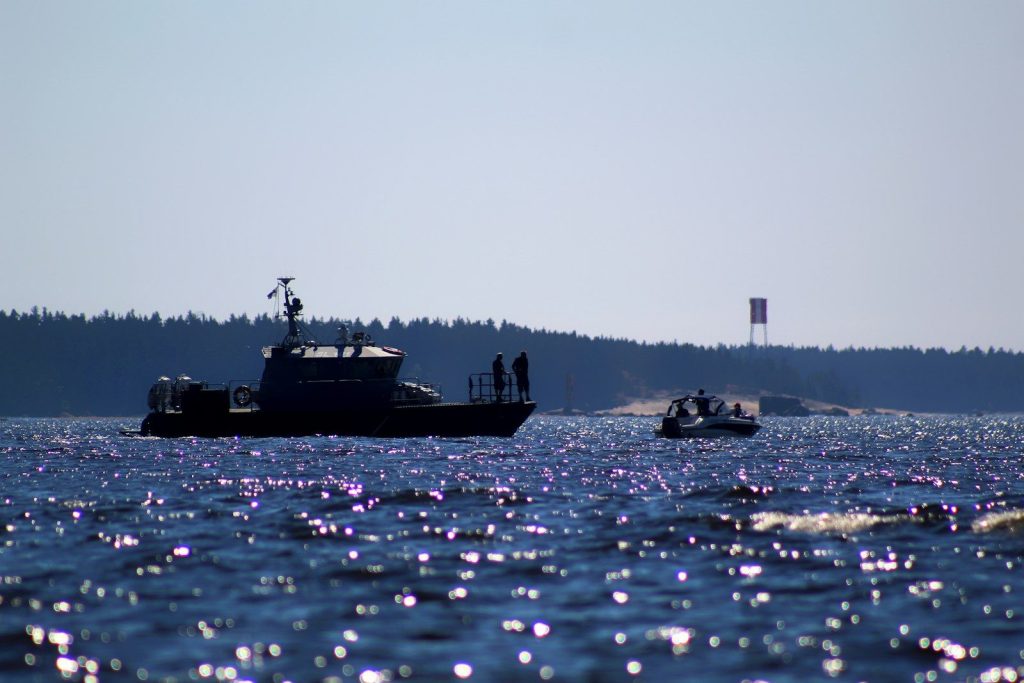
This discovery in Denmark is only the beginning of a massive European research project. Teams of international scientists are now preparing to dive into the rough waters off the coast of Germany. They hope to map more drowned settlements to understand how ancient humans adapted to shifting climates.
Their findings carry a critical lesson for our modern world.
A Warning Written in the Sea Bed
Studying how these ancient coastal communities reacted to rising sea levels offers vital data for modern science. It shows the sheer scale of planetary change and how resilient humanity must be to survive. The drowned ruins of Aarhus prove that the oceans can completely rewrite our maps.
Featured Image: Photo by Mido Makasardi ©️ on Pexels
Leave a Reply