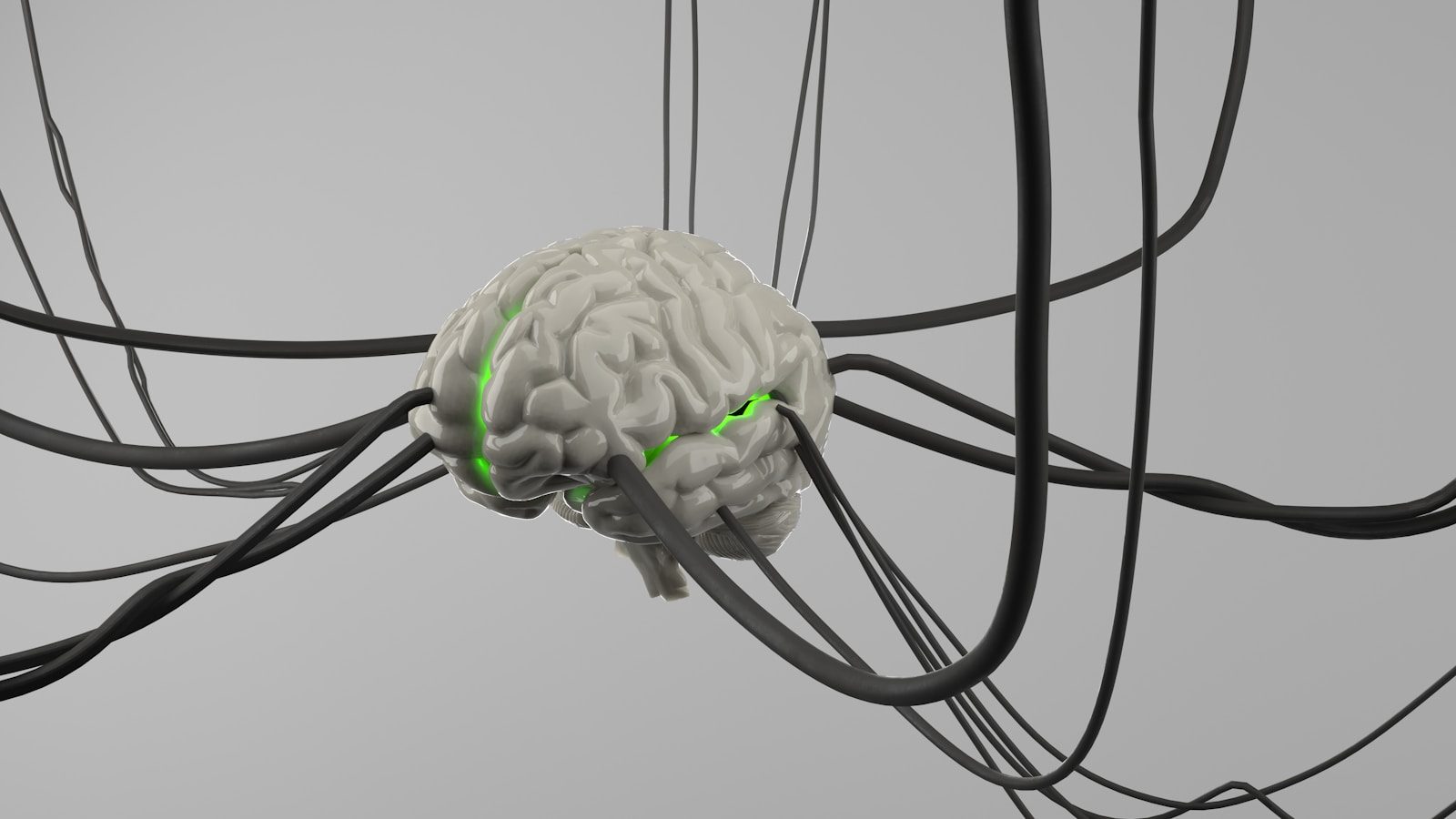
The boundary between the human mind and the digital world has officially vanished. For the first time in history, a human being has successfully navigated the internet and performed a Google search without moving a single muscle. This is not a scene from a science fiction movie; it is a medical reality that is happening right now. Scientists have successfully implanted a tiny device that translates brain signals into digital commands. This allows a person to control a computer cursor just by thinking about it.
For decades, we have used our hands to communicate with machines. We moved from keyboards to mice, and then to touchscreens. But this new breakthrough skips the body entirely. It creates a direct “telepathic” link between a person’s neurons and the global web. The implications are staggering, and the technology is surprisingly less invasive than you might think. But how did they manage to get a computer chip inside a human brain without a dangerous surgery?
No Skull Drilling Required For This Digital Upgrade
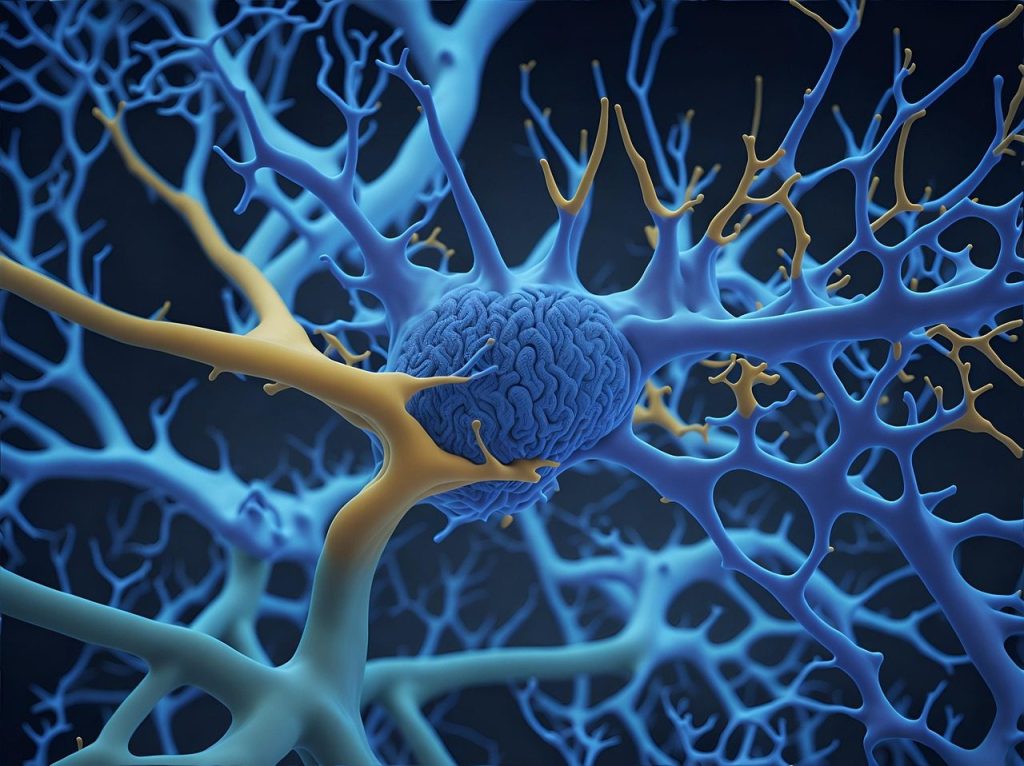
Most people assume that connecting a brain to a computer requires a massive, risky operation. They imagine surgeons drilling holes into a skull to plant wires. However, this breakthrough used a much smarter approach. Researchers utilized a device called a “stentrode.” Instead of going through the bone, they inserted the device through the jugular vein in the neck. They then threaded it up into the brain’s blood vessels.
Once the device was in place, it expanded to sit against the walls of the vein. This allows it to “listen” to the electrical signals of the brain without ever touching sensitive brain tissue. It acts like a digital microphone for your thoughts. This method is much safer and heals much faster than traditional brain surgery. Once the device is settled, the user has to undergo a very specific kind of training. Do you think you could learn to move a cursor with your mind?
Training Your Brain To Click A Digital Button
Having the implant is only half the battle. The human brain does not naturally know how to talk to a Windows PC or a Mac. The patient had to spend weeks training their mind to associate specific thoughts with specific actions. For example, imagining the movement of a foot might be the signal to “click” on a search result. The computer learns the unique electrical signature of that thought and executes the command.
At first, the process is slow and requires intense focus. But over time, the brain adapts. The patient described the feeling as a new kind of “muscle memory” that doesn’t involve muscles. Eventually, thinking about a search term becomes as natural as breathing. The speed of these mental commands is already starting to rival physical typing. But is it actually accurate enough for everyday use?
The World Record For Mental Typing Speed
Accuracy is the biggest hurdle for brain-computer interfaces. If the computer misreads a thought, the user could end up clicking the wrong link or deleting an important file. Surprisingly, the latest tests show that this technology is becoming incredibly precise. Patients are now able to type dozens of characters per minute just by imagining the letters. This is faster than many people can type on a smartphone with their thumbs.
The “Google Search” test was the ultimate proof of concept. The patient was able to navigate to the search bar, think of a query, and browse the results without any errors. This level of control opens up the entire digital world to people who have lost the ability to move. While this is a victory for science, the primary goal was to solve a much more heartbreaking problem.
Restoring A Voice To The Silent Minority

The first people to receive these implants are those living with paralysis or conditions like ALS. For these individuals, the mind is perfectly healthy, but the “wires” connecting it to the body are broken. They are often “locked in,” unable to speak or move despite being fully conscious. This technology acts as a bridge, bypassing the damaged nerves to give them back their independence.
Being able to search Google means being able to self-diagnose, communicate with family, and stay informed. It is the difference between being a passive observer and an active participant in the world. The joy expressed by the first patients was overwhelming. But as the technology proves successful, people are starting to ask if healthy people will want these implants too.
Will We All Become Mind Readers Soon?
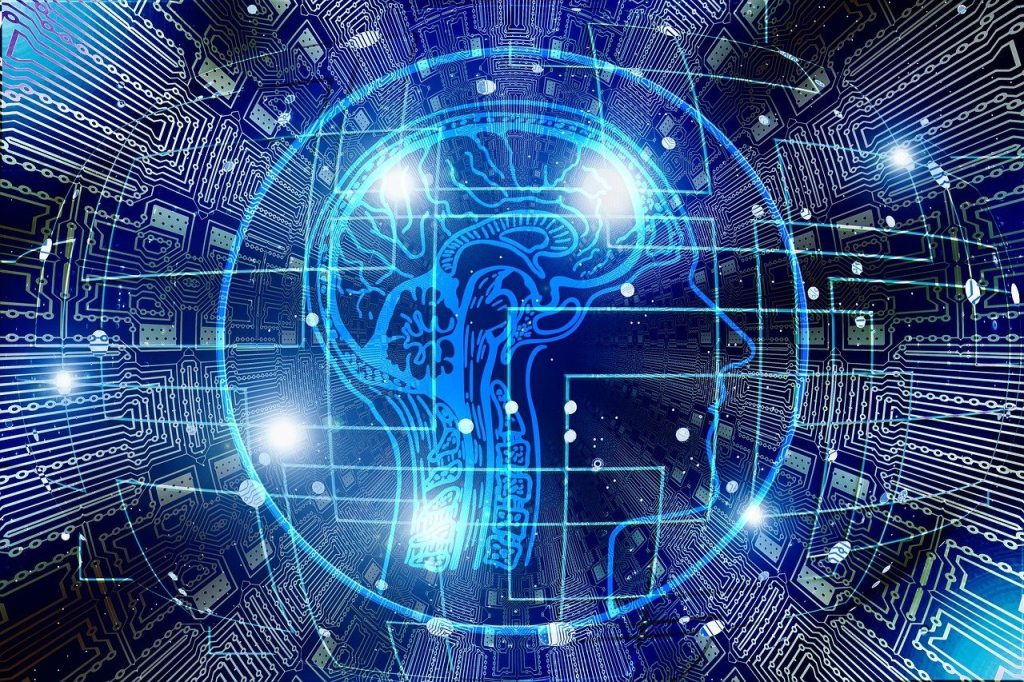
If a computer can read your intent to click a button, could it eventually read your private thoughts? This is the big question haunting the tech industry. As we move closer to a world where brain implants are common, the line between private reflection and public data becomes thin. Researchers insist that the device only listens for specific “command” signals, not a continuous stream of consciousness.
However, the potential for “thought-jacking” or hacking a brain interface is a real concern for cybersecurity experts. We are entering an era where we might need a “firewall” for our own minds. Despite these fears, the convenience of a “screenless” life is a massive draw for big tech companies. Could your next smartphone actually be hidden inside your head?
The End Of The Smartphone Era As We Know It
We are currently addicted to our screens, but many experts believe the “Age of the Glass Rectangle” is ending. If you can search Google, send a text, or dim your lights just by thinking about it, you don’t need a physical device in your pocket. This breakthrough is the first step toward “invisible” technology. We could soon live in a world where information is simply there when you need it.
Imagine walking down the street and having directions appear in your mind’s eye, or instantly knowing the answer to any question without looking down. It sounds like a superpower, but it is the logical conclusion of the path we are on. The first human “Google search” was just the spark. The real question is whether our society is ready for the fire that comes next.
Are We Ready To Merge With The Machine?
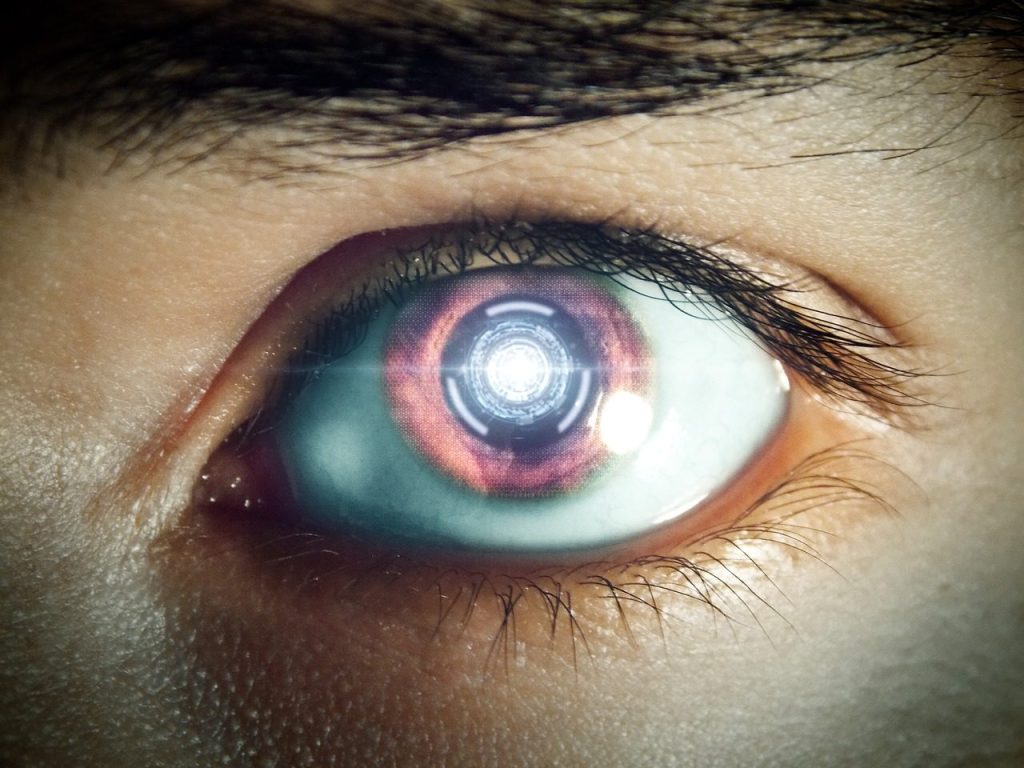
The success of the first mind-controlled Google search proves that the “Cyborg” future isn’t a fantasy anymore. We have successfully linked human biology with digital intelligence. As these devices become smaller, faster, and even more reliable, the gap between “human” and “computer” will continue to shrink. We are standing at the edge of a new evolution for our species.
This technology offers a miracle for the paralyzed and a new frontier for everyone else. It challenges our ideas of privacy, identity, and what it means to be human. We are no longer just using tools; we are becoming the tools. But before we all sign up for our own brain chips, there is one final detail that might change your mind about the whole thing.
Featured Image: Photo by Bhautik Patel on Unsplash
Leave a Reply