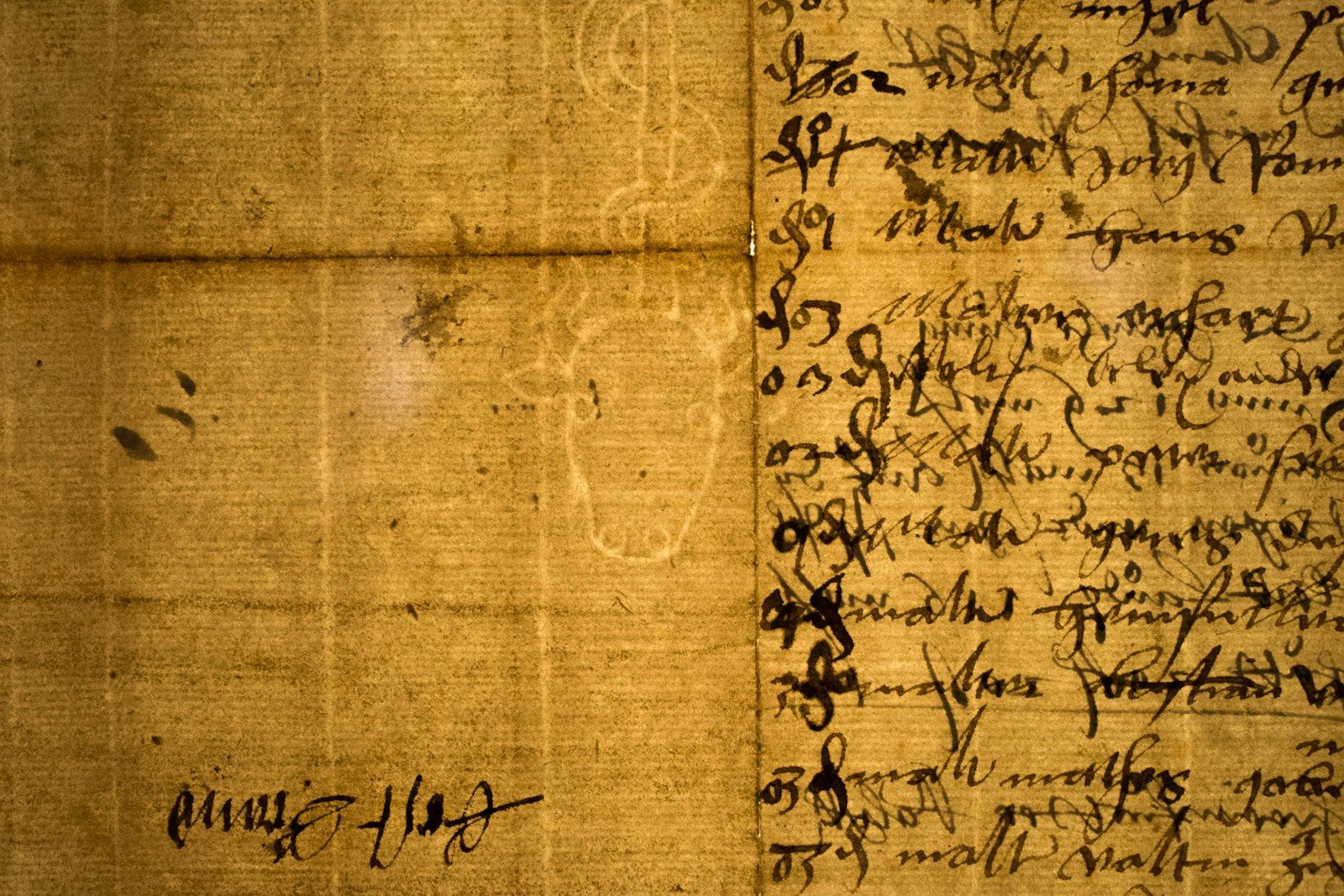
For over 600 years, the Voynich Manuscript has been the ultimate riddle. It is a handwritten book filled with strange plants, naked figures, and a language that no human has ever been able to read. Code-breakers from both World Wars tried to crack it and failed. But in 2026, an advanced artificial intelligence has done what humans couldn’t.
By analyzing the “neural patterns” of the script, the AI has successfully translated the first few chapters. It turns out the book isn’t a hoax or an alien message. It is a highly specialized medical and botanical manual written in a lost dialect. We are finally looking at the secrets of a “Ghost Language.” But what exactly was the author trying to hide?
A Neural Network for Ancient Secrets

The AI didn’t just look at the letters; it looked at the rhythm of the writing. Humans use patterns when they talk or write, even if they are using a code. The AI compared the Voynich script to thousands of known languages and found a 90 percent match with a rare form of “Proto-Romance.”
This language was spoken around the Mediterranean but was never written down—except in this book. The AI was able to “fill in the gaps” of the grammar by simulating how the language would have evolved. It was like giving a voice to someone who has been silent for centuries. But what are the strange plants drawn on the pages?
The Botany of a Lost World
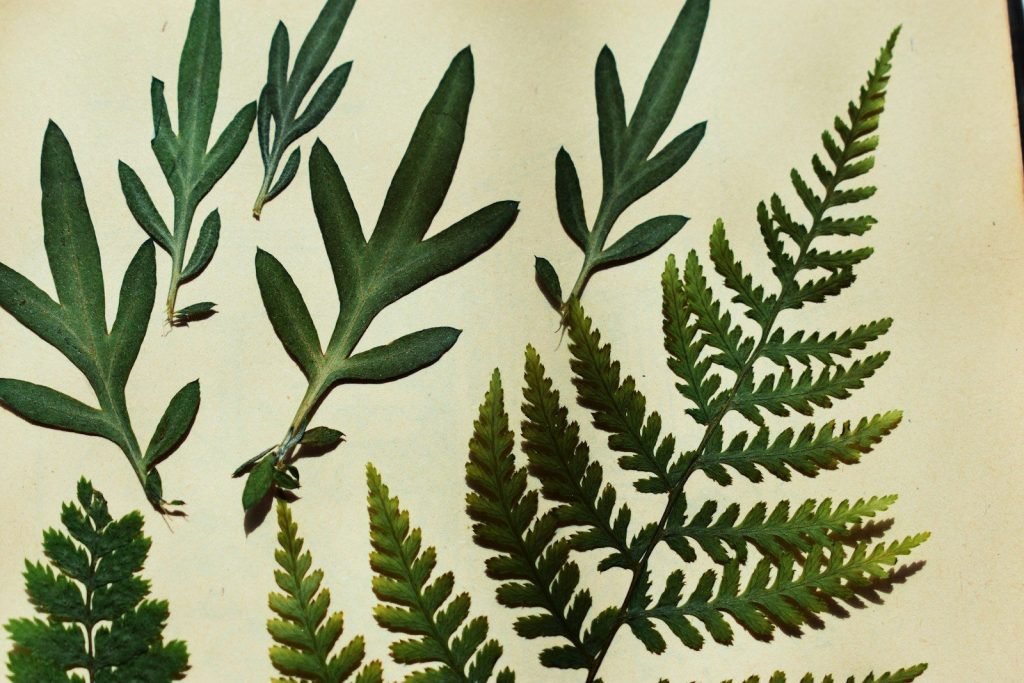
The most famous part of the book is the illustrations of plants that don’t seem to exist. The AI translation has revealed that these aren’t “fake” plants. They are actually “compound drawings” showing different parts of various medicinal herbs mixed together.
The text describes how to mix these plants to create cures for everything from skin infections to stomach pain. The drawings were meant to be a shorthand for doctors who already knew the basic plants. It is an ancient “cheat sheet” for medieval medicine. But can we actually use these recipes today?
Secrets of the Medieval Spa

A large section of the book features groups of women in green baths. People used to think this was a religious cult or something supernatural. The AI has translated these sections as instructions for “hydrotherapy.”
It details how to use mineral springs and herbal baths to treat female health issues. It is essentially a manual for a high-end medieval health spa. The women in the drawings are simply patients undergoing treatment. It is a fascinating look at how people took care of themselves 600 years ago. But why was it all written in such a hard-to-crack code?
Protection from the Inquisition
The author of the Voynich Manuscript lived in a time when “new” science was often seen as heresy. If you were caught with a book detailing “secret” cures or strange chemicals, you could be in big trouble. The AI believes the code was a safety measure.
The language was chosen because it was dying out, making it hard for outsiders to read. It allowed the author to share their knowledge with a small circle of students without attracting the attention of the church. It was the “Dark Web” of the 15th century. But who was the genius who wrote it?
The Hunt for the Anonymous Author:
While AI has solved the puzzle, the name of the author is still a mystery. However, the text has indications about a “scholar from the east” who traveled to Europe. The dialect used in the book suggests a connection with the island of Ischia in Italy.
Researchers are now using the AI’s translation to search through Italian archives for anyone who matches the description. We are closer than ever to putting a face to the world’s most mysterious handwriting. But is it possible that some parts of the book are still hidden?
The End of the Voynich Mystery
The success of the AI translation marks the end of one of the world’s greatest puzzles. It proves that technology can unlock the secrets of the past in ways we had never imagined. The Voynich Manuscript is no longer a scary enigma; it is a valuable piece of human history.
It reminds us that even when things seem impossible to understand, there is always a pattern waiting to be found. The book is now being fully digitized so that anyone can read the “lost” recipes. But are you ready to find out why crabs have been walking sideways for 200 million years?
Featured Image: Photo by Ruben Gregori on Unsplash
Leave a Reply