
Naked mole rats are some of the strangest creatures on Earth. They are ugly, hairless, and live underground. But they have a secret that humans have wanted for centuries: they almost never get cancer, and they live ten times longer than other rodents. Now, scientists have successfully transferred a “longevity gene” from a mole rat into a standard lab mouse.
The results have stunned the world of biology. The mice with the mole rat DNA lived much longer, had fewer tumors, and stayed healthy well into their old age. This is the first time we have successfully improved the lifespan of one species using the genes of another. It is a “copy-paste” for eternal youth. But what exactly is this magic gene doing inside the mouse?
The Power of Hyaluronic Acid
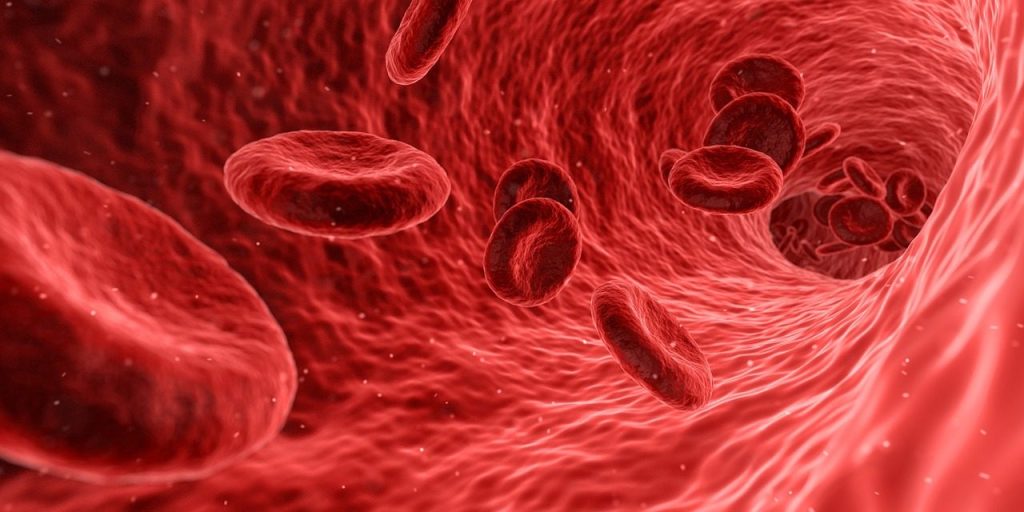
The gene that scientists moved is called HAS2. In mole rats, this gene produces a very “heavy” version of a substance called hyaluronic acid. This stuff acts like a protective cushion around every cell in the body. It stops cells from clumping together, which is how cancer starts.
When the mice started producing this “super acid,” their bodies became much more resistant to aging. Their skin stayed thick, their hearts stayed strong, and their brains remained sharp. It was like they were wearing an internal suit of armor against time. This substance is the secret to why mole rats don’t feel “old” even when they are 30 years old. But can this acid protect against more than just cancer?
Ending the Fire of Inflammation
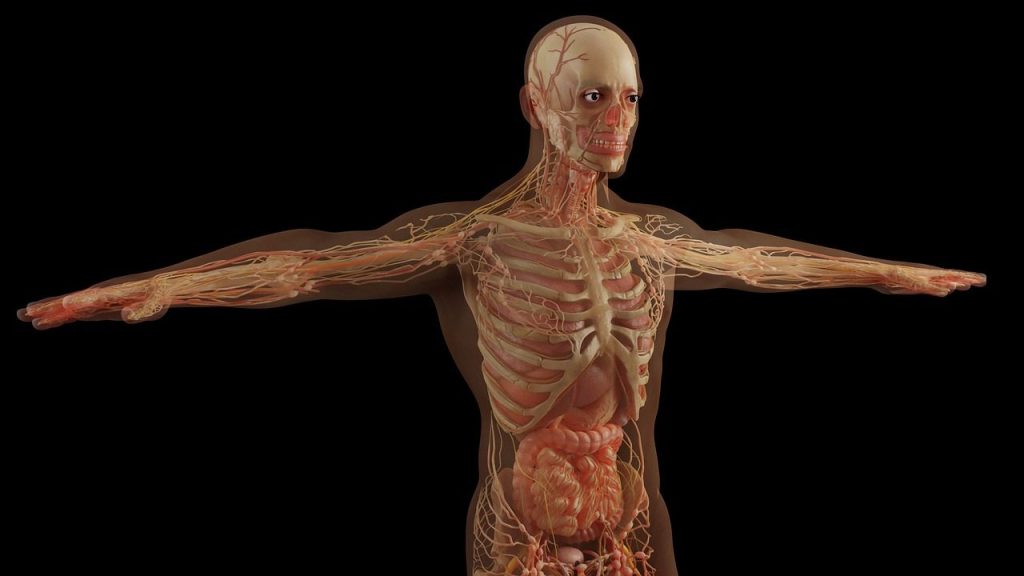
As we get older, our bodies suffer from “inflammaging.” This is a constant, low-level inflammation that leads to heart disease and Alzheimer’s. The mole rat DNA proved to be a powerful anti-inflammatory. The mice with the new gene showed much lower levels of stress in their tissues.
They didn’t suffer from the typical aches and pains of old age. This suggests that the mole rat gene is a “master controller” for a healthy body. It keeps the immune system calm and the cells clean. We are looking at a way to delete the worst parts of getting old. But is this technology coming to humans next?
The Ethical Debate of the Century
If we can put mole rat DNA into mice, it is only a matter of time before someone suggests putting it into humans. This has sparked a massive debate among scientists and philosophers. Should we change our own genetic code to live longer? Some fear we are “playing God,” while others believe it is our duty to end suffering.
The success with the mice has moved this debate from a fantasy to a reality. We have to decide what it means to be human in a world where we can “edit” our lifespan. It is a question that will define the next fifty years of our history. But what would a “human mole rat” even look like?
No Hairless Skin Required

Don’t worry—scientists say that adding the longevity gene won’t make us hairless or wrinkled like a mole rat. The gene only affects the internal chemistry of the cells. You would still look like a human, you would just be a much more “durable” version.
You could potentially live to be 150 years old while feeling like you are 40. This is the dream of “Radical Life Extension.” The mice didn’t change their appearance; they only changed their expiration date. It is a quiet revolution happening deep inside the genetic code. But how soon will we see the first human tests?
The Future of the “Anti-Aging” Pill

We might not even need to change our DNA permanently. Scientists are looking at using “Gene Therapy” or even a simple pill that triggers the HAS2 gene in our bodies. This would allow us to “turn on” the mole rat protection whenever we need it.
Imagine taking a supplement that builds an anti-cancer shield around your cells for a month. This would be much safer and easier than full genetic editing. The research in mice has provided the “map” for how to build these new medicines. We are closer than ever to the fountain of youth. But what happens to the world if no one ever dies?
Overpopulation and the Long Life Crisis

A world of people living to 150 sounds great, but it comes with massive challenges. How will we feed everyone? Where will they live? These are the “problems of success” that we will have to solve next. The mole rat mice have shown us that we can win the war against aging.
Now, we have to figure out how to manage the victory. Our society, our retirement plans, and our cities are all built for an 80-year life. We have to rewrite the rules of the world to fit our new lifespan. It is a high-quality problem to have. But is there one more secret hidden in the rodent’s burrow?
The Dawn of the Trans-Human Era

We are standing at the end of “natural” human history. From non-addictive pills to AI-written cures and mole rat DNA, we are taking control of our own evolution. We are becoming something more than just biological accidents.
We are the architects of our own bodies and our own future. The mice were just the beginning. The lessons we learned from the naked mole rat will be written into the story of humanity forever. We are moving into the light of a long, healthy, and high-tech tomorrow. Are you ready for the next breakthrough?
Featured Image:Photo by Harry Skillett on Unsplash
Leave a Reply