
Gaming laptops used to come with an obvious trade-off. If you wanted serious power, you often had to accept a thick body, loud fans, and a heavy backpack. That is changing fast. Newer gaming laptops are getting slimmer while still handling sharper graphics, faster screens, and heavier workloads.
The reason is not one single upgrade. It is a mix of smarter chips, better cooling, faster memory, improved power control, and more efficient graphics technology. Modern laptop platforms are designed to balance performance and battery use more carefully, while gaming GPUs now use AI-powered tools to improve frame rates and image quality more efficiently. That is why today’s thin gaming laptops can feel much stronger than their size suggests.
Chips waste less energy
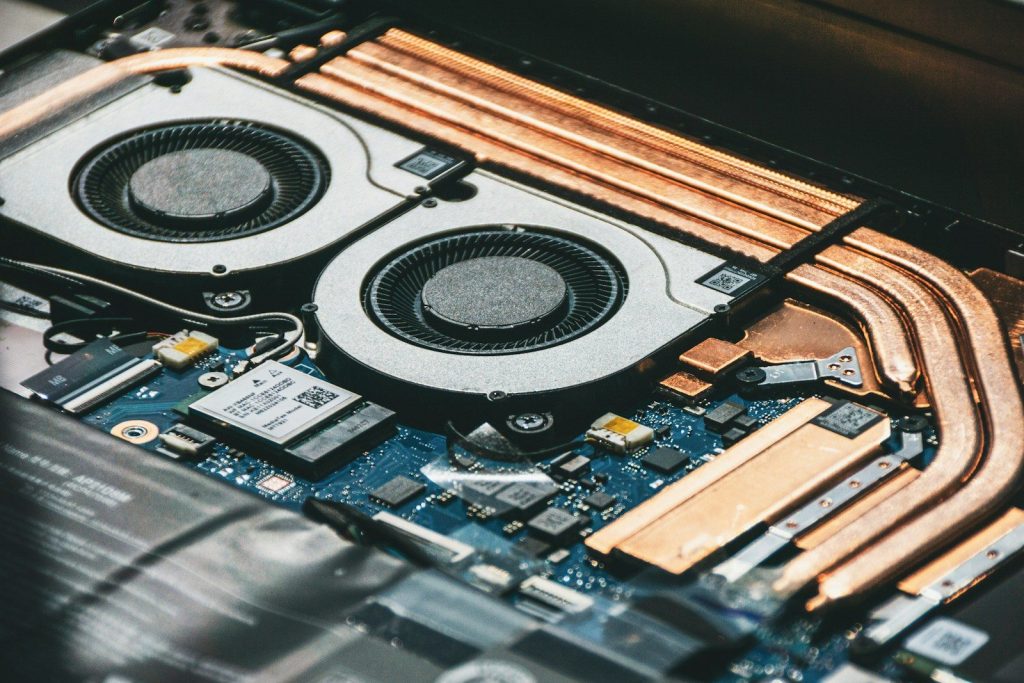
Newer laptop chips are built to do more work while using power more carefully. That matters because every watt creates heat, and heat is one of the biggest limits in a thin gaming laptop.
Modern processors also include smarter power management. They can push performance when a game needs it, then pull back during lighter tasks to save energy and control heat.
GPUs are getting smarter
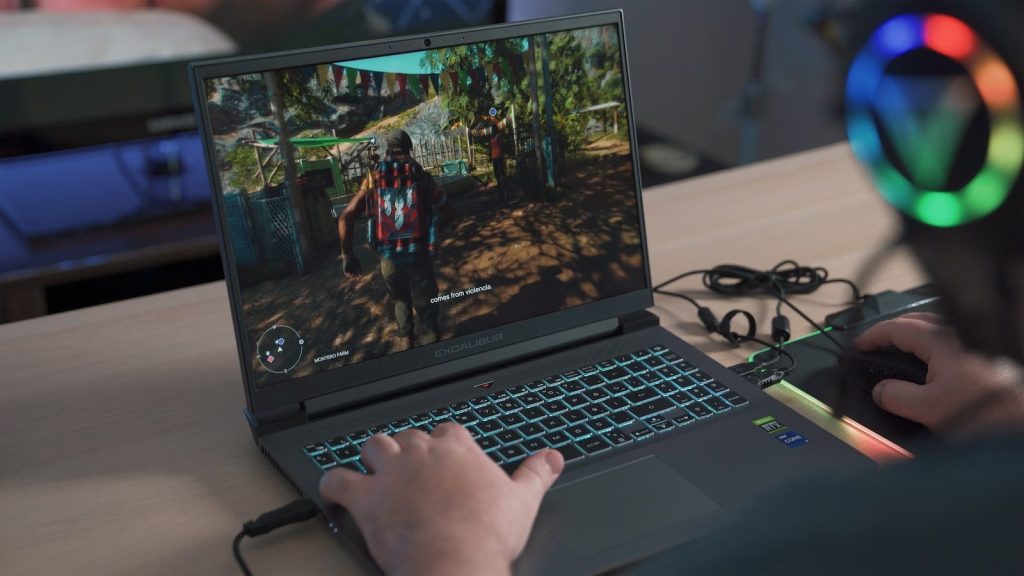
Gaming laptops depend heavily on the graphics chip. Newer mobile GPUs are not just stronger; they also use smarter features to improve performance without wasting as much power.
NVIDIA says its Max-Q technologies optimize the GPU, CPU, memory, thermals, software, and display to improve performance and battery life in thin laptops. That kind of system-level tuning helps slim gaming machines feel more capable.
AI boosts frame rates
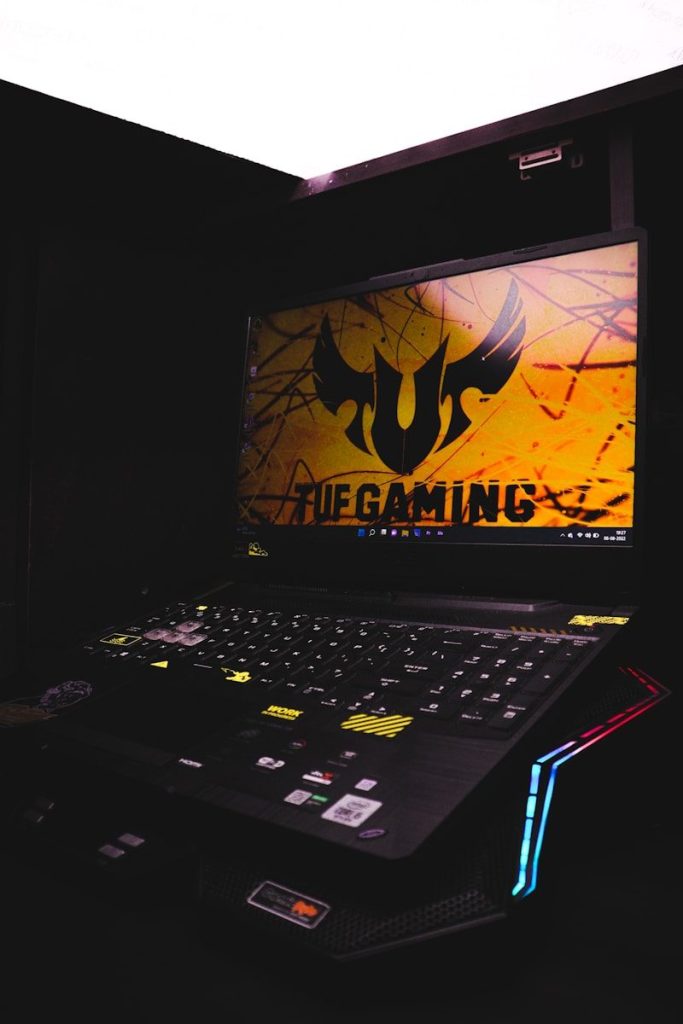
AI is becoming a major reason thin gaming laptops can feel more powerful. Instead of relying only on raw hardware muscle, some gaming technologies use AI to improve frame rates and image quality.
NVIDIA’s DLSS technology, for example, uses AI-based rendering to boost performance in supported games. This helps laptops deliver smoother gameplay without always needing a larger, hotter design.
Cooling is more advanced
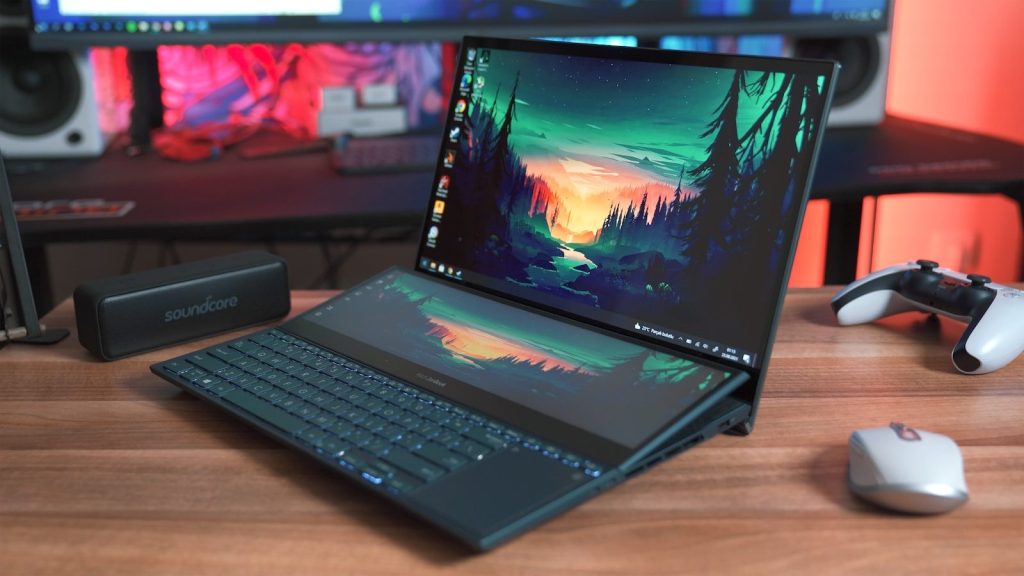
A thin laptop still needs to move heat away from the CPU and GPU. That is why modern gaming laptops use more advanced cooling designs, better fan layouts, vapor chambers, and improved thermal materials.
The goal is not just to make the laptop cooler. Better cooling helps the hardware hold higher performance for longer, instead of slowing down quickly when a game becomes demanding.
Power shifts where needed
Gaming performance changes from moment to moment. Some scenes lean harder on the GPU, while others need more CPU power. Modern laptops can adjust power more intelligently between key parts.
NVIDIA has described Dynamic Boost as a technology that can shift power between the CPU and GPU in real time. That helps the laptop use its limited power budget more effectively.
Faster memory helps performance
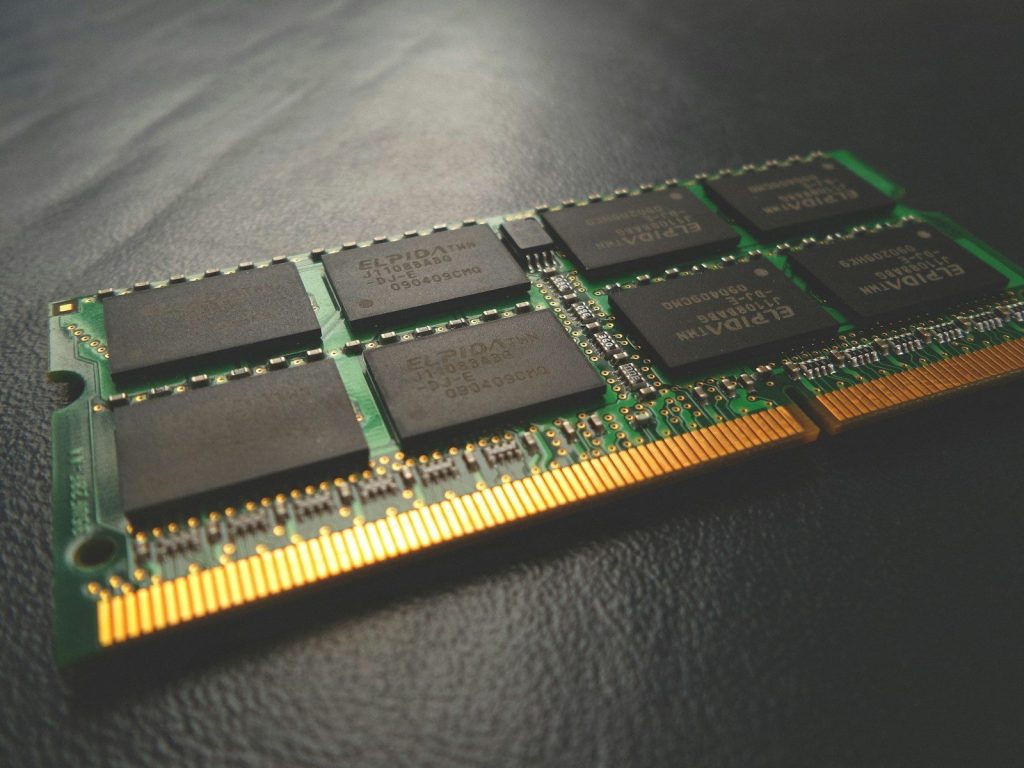
Thin gaming laptops also benefit from faster memory and storage. Quick system memory helps the CPU and GPU move data more smoothly, while fast SSDs reduce long loading times.
This does not replace a strong graphics chip, but it supports the whole system. When games load assets faster and apps respond quickly, the laptop feels stronger in everyday use.
Screens are more efficient
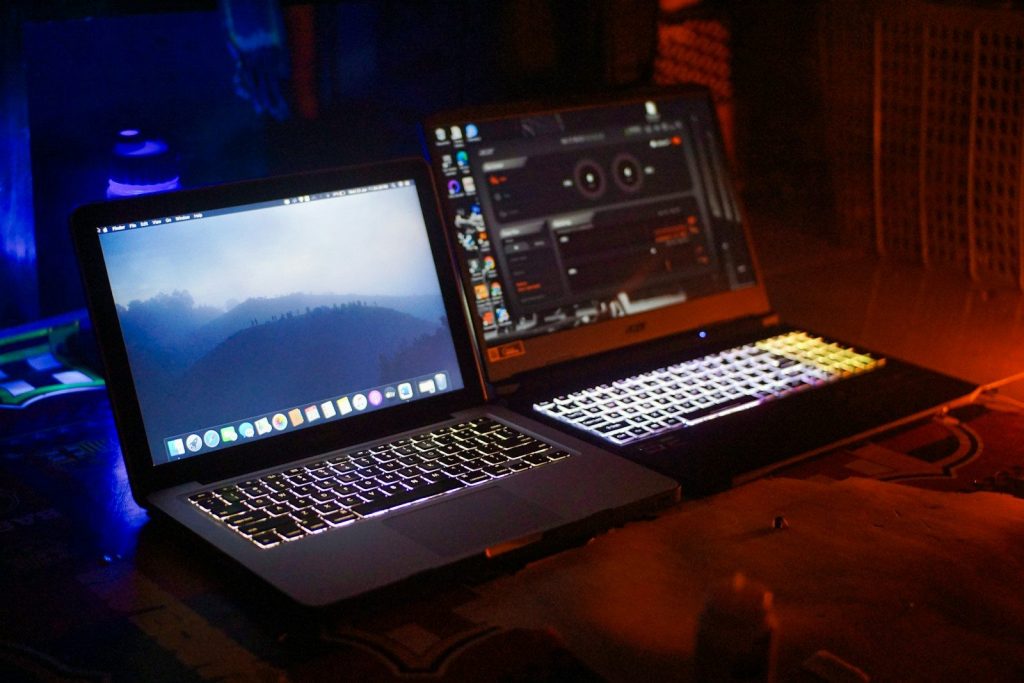
Modern gaming laptops often use better displays with high refresh rates, sharper color, and improved brightness. At the same time, display technology has become more efficient than older laptop screens.
That matters because the screen is always part of the power equation. A better display can make games look smoother and clearer without forcing the laptop body to become much larger.
Design is more focused
Today’s thin gaming laptops are designed as full systems, not just small cases with powerful parts inside. The chassis, fans, ports, display, battery, software, and chips all need to work together.
That careful balance is why slim machines can now handle serious gaming better than before. They may still have limits compared with large desktop replacements, but the gap keeps getting smaller.
Leave a Reply