
A shiny logo can catch your eye, but it does not decide whether a laptop feels good after months of real use. The better question is simple: can it handle your daily work, last long enough away from the charger, and feel comfortable every time you open it? That is where practical features matter most.
For many buyers, the smartest laptop choice comes down to performance, memory, storage, battery life, screen quality, and everyday usability. Consumer Reports notes that strong laptops balance speed, power, battery life, and display quality, while value-focused models can still cover common tasks like browsing, writing, video calls, and spreadsheets.
The processor sets the pace
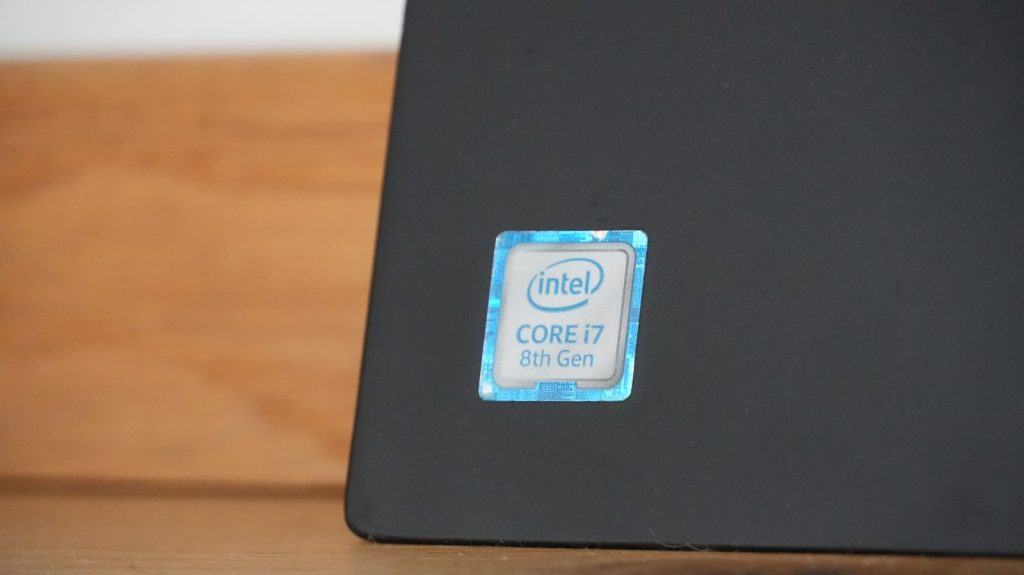
A laptop’s processor affects how quickly it handles everyday tasks. Web browsing, video calls, documents, spreadsheets, and photo editing all depend on a chip that can keep up without slowing down.
For many everyday users, a midrange processor is often enough. Consumer Reports has noted that an Intel Core i5 or AMD Ryzen 5 can handle common tasks well, including more demanding work like high-resolution streaming and large photo edits.
RAM keeps multitasking smooth
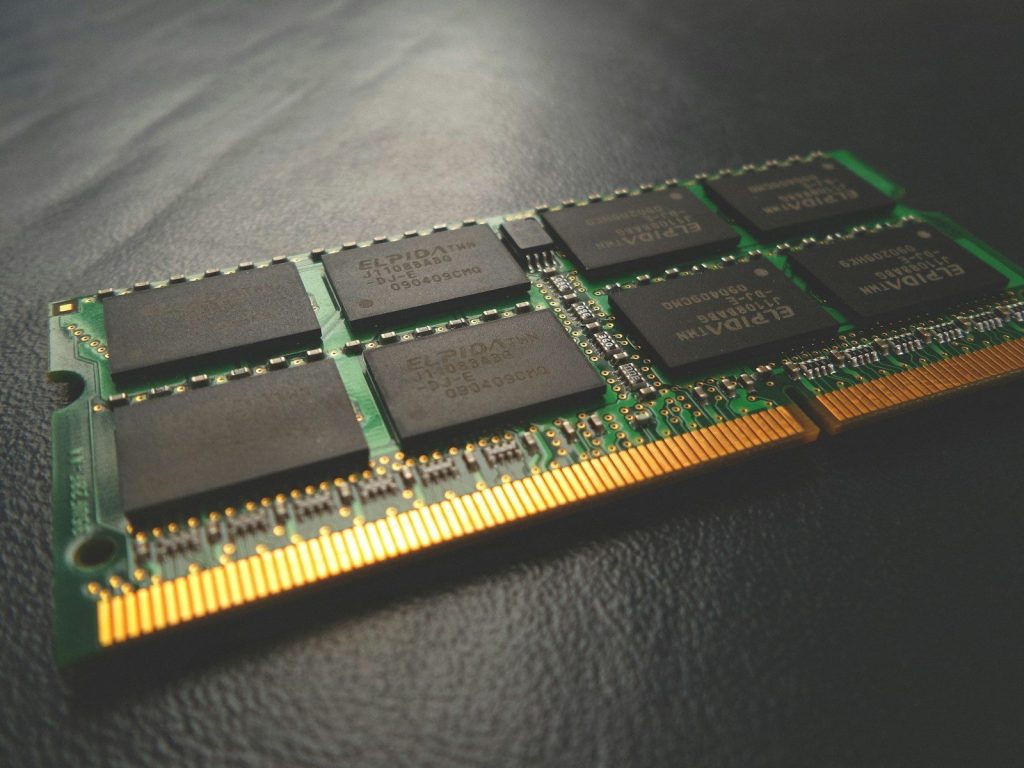
RAM helps a laptop juggle several tasks at once. It matters when you keep many browser tabs open, switch between work apps, stream music, and join video calls.
A laptop with too little RAM can feel slow even if the brand name looks impressive. For smoother daily use, buyers should look beyond the logo and check whether the memory matches how they actually work, study, or create.
SSD storage feels faster
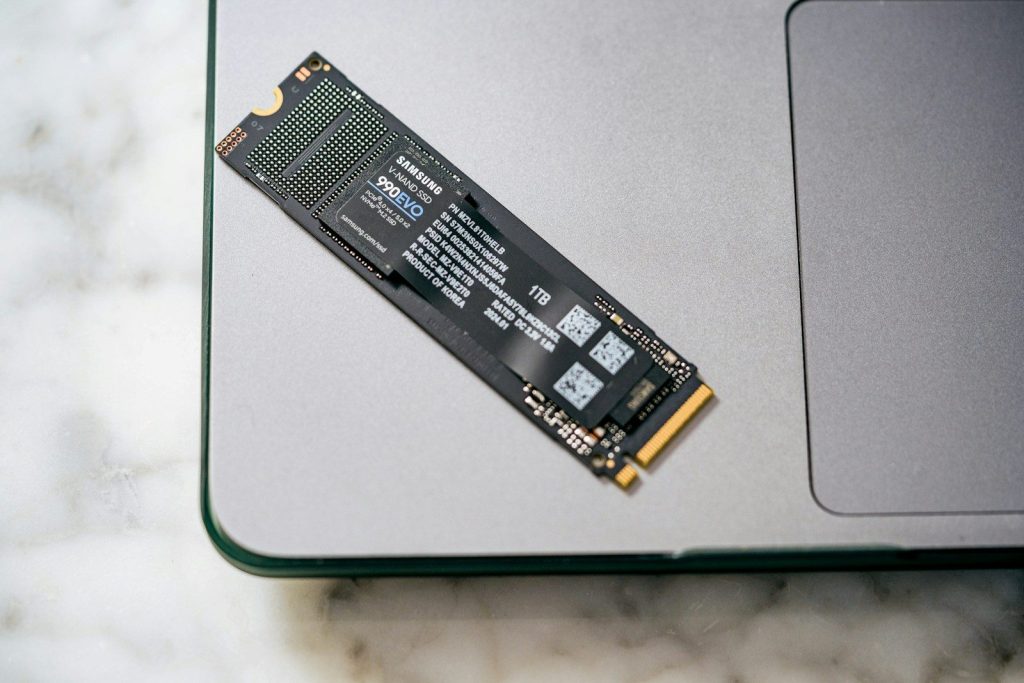
Storage is not just about how many files a laptop can hold. A solid-state drive, or SSD, can make the computer start faster, open apps quicker, and move files with less waiting.
Older hard drives are usually slower because they use moving parts. SSDs have become common in modern laptops because they offer quicker read and write speeds, which helps the whole machine feel more responsive.
Battery life changes the day
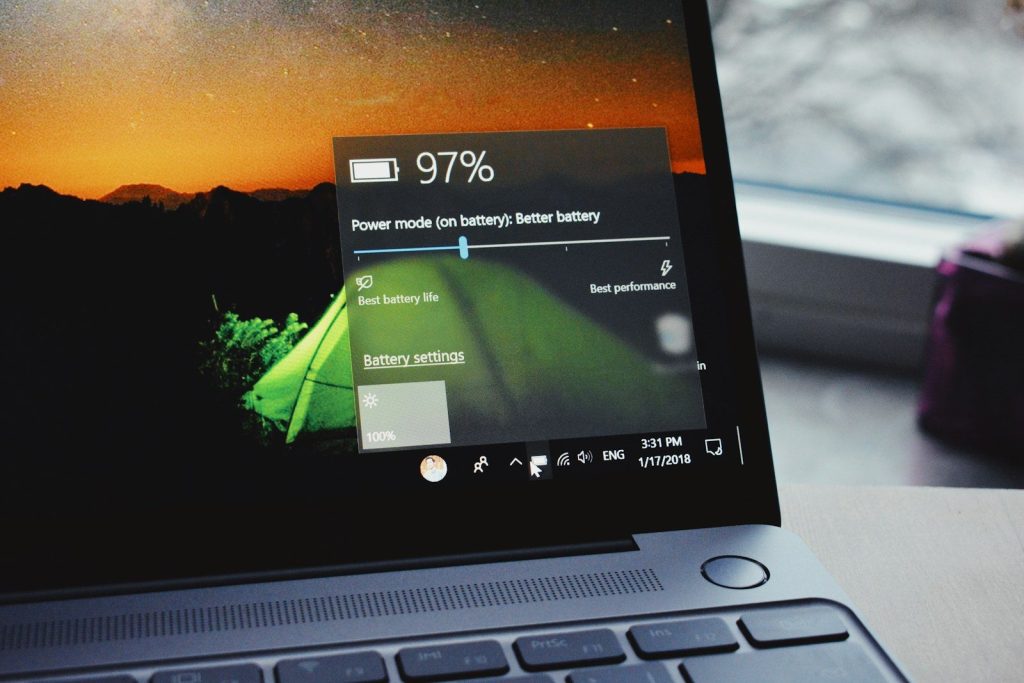
A laptop that always needs a charger can become frustrating fast. Battery life matters for students, travelers, remote workers, and anyone who moves between rooms during the day.
Consumer Reports highlights long battery life as a key strength in top laptops, especially for people who want to carry less and work away from outlets. A famous badge on the lid means less if the battery cannot keep up.
The screen affects comfort
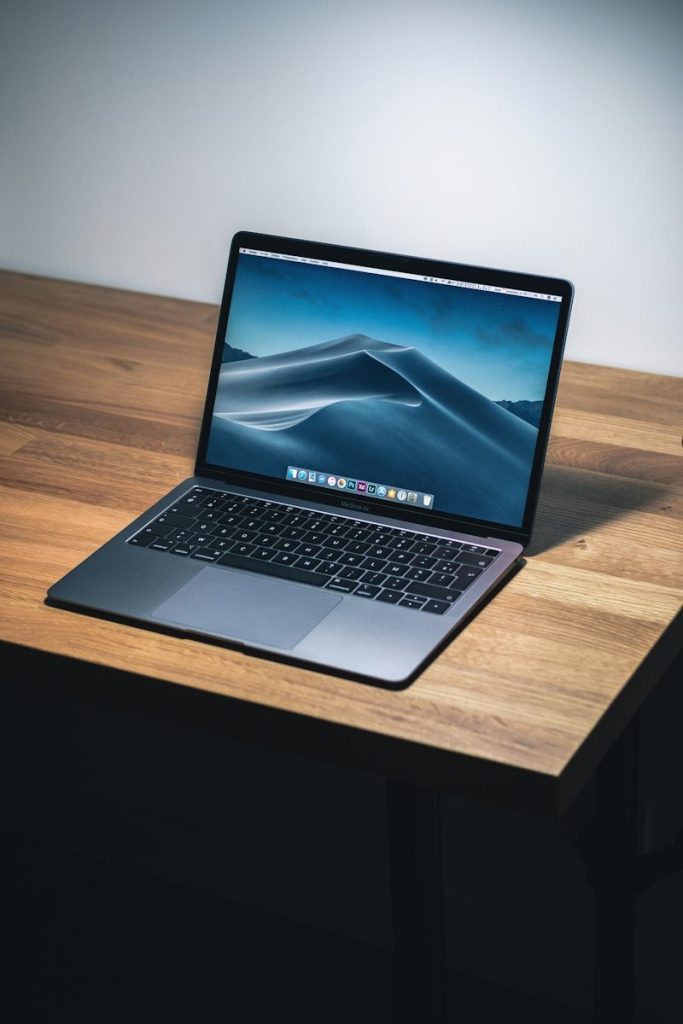
People often focus on speed, but the display matters every time the laptop is opened. A clear, bright screen can make reading, writing, browsing, and watching content easier on the eyes.
Resolution, brightness, and overall display quality are worth checking before buying. TechRadar’s student laptop guidance lists display quality as an important factor, with Full HD as a sensible baseline for many users.
Ports make life easier
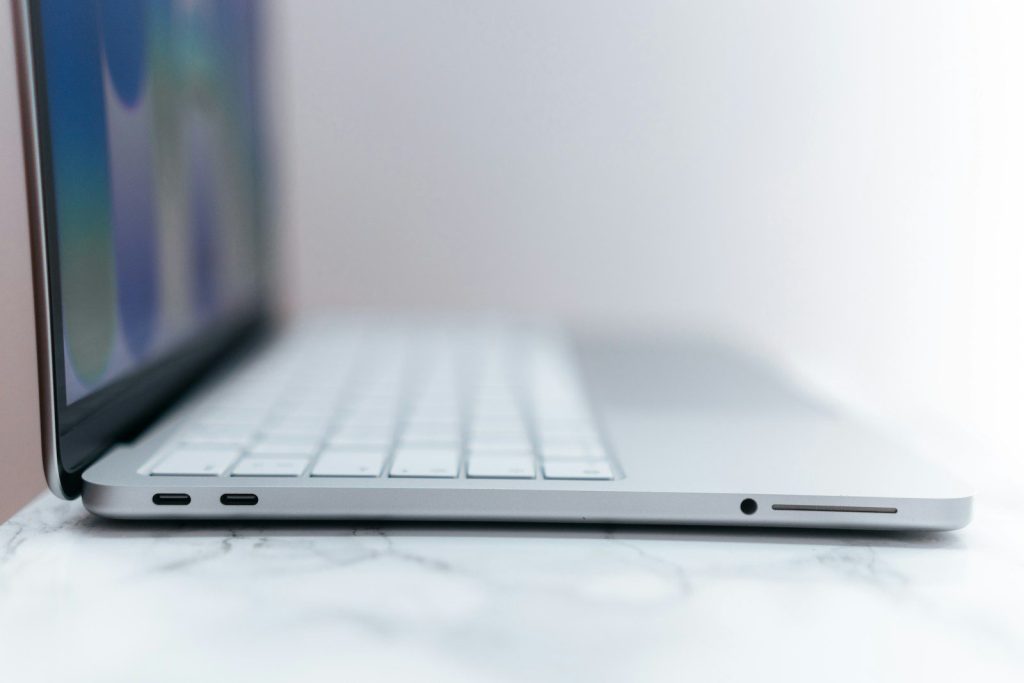
Ports can decide how simple a laptop feels in real life. USB-C, USB-A, HDMI, headphone support, and charging options can affect monitors, drives, mice, docks, and accessories.
A thin laptop may look sleek, but it can be annoying if it needs extra adapters for basic tasks. TechRadar also lists connectivity as a key laptop feature, including modern ports and strong wireless support for daily use.
Leave a Reply