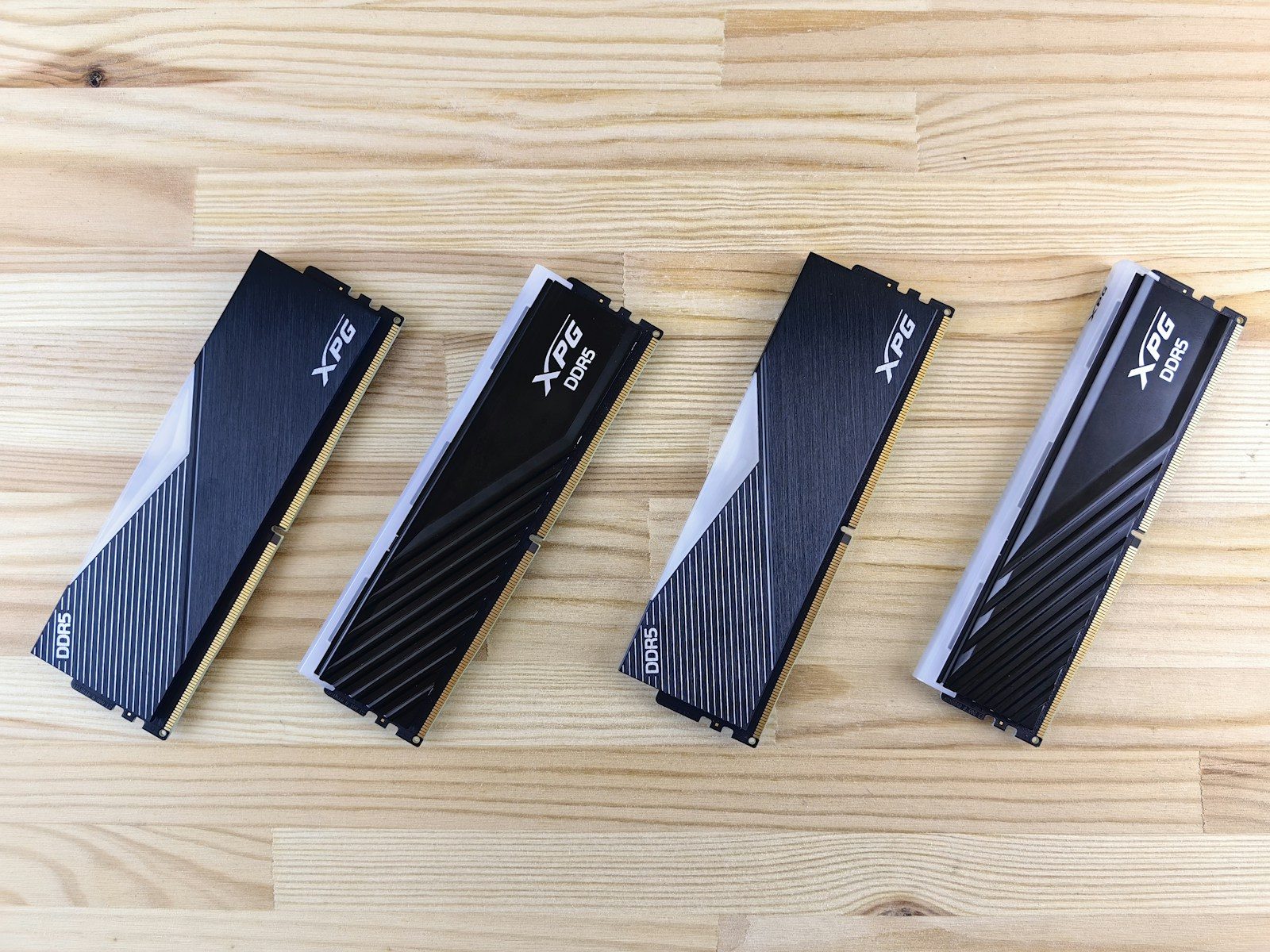
Memory is easy to ignore until prices jump. These small chips help phones open apps, laptops run smoothly, game consoles load worlds, cameras save photos, and tablets store files. When memory gets scarce, gadget makers may pay more for the same parts. That extra cost can show up in higher prices, smaller discounts, fewer storage choices, or slower upgrades.
A big reason is the fast growth of AI data centers. They need huge amounts of DRAM, NAND, and high-performance memory, which can pull supply away from everyday electronics. TrendForce said conventional DRAM contract prices were expected to rise 58% to 63% in the second quarter of 2026, while NAND Flash prices were expected to rise 70% to 75%.
AI is using more memory
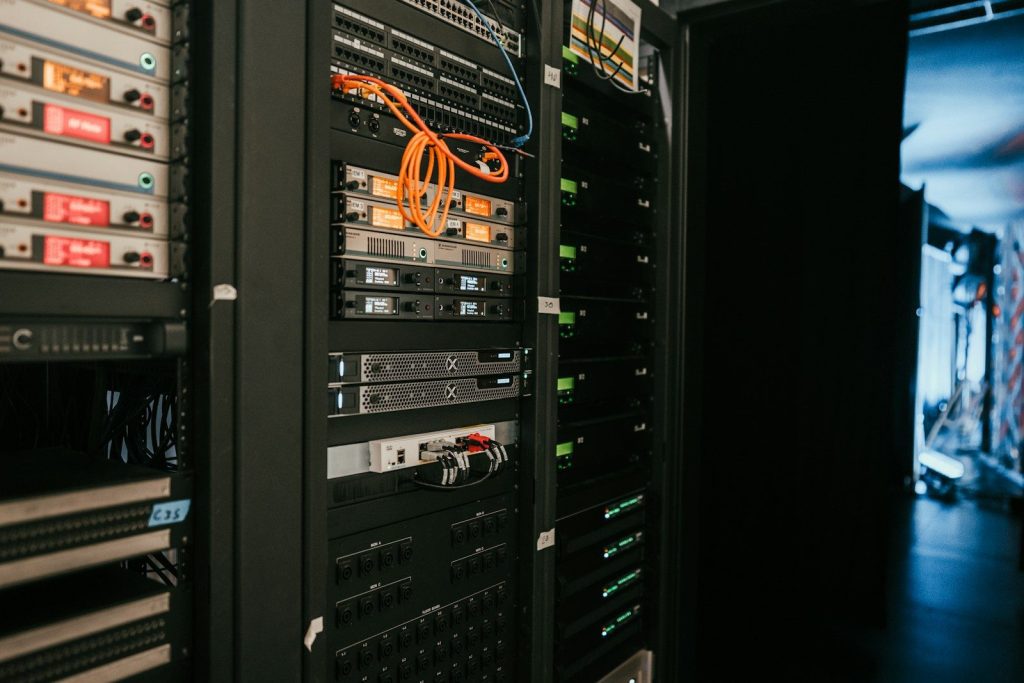
AI tools need powerful servers, and those servers need lots of memory to move and store data quickly. That demand has grown so fast that some chip makers are focusing more on server customers.
When the biggest buyers lock in supply, smaller gadget brands may have less room to negotiate. That can make memory more expensive for phones, laptops, tablets, and other devices that many people buy every year.
Phones may cost more

Smartphones depend on memory for smooth apps, photos, videos, and storage. If memory prices rise, phone makers may face higher costs before the device even reaches a store shelf.
IDC warned that surging memory chip prices could hurt the smartphone market in 2026, with shipments expected to fall as device costs rise. That means shoppers may see fewer cheap upgrades or less generous storage at the same price.
Laptops feel the squeeze

A laptop needs memory for everyday tasks like web browsing, video calls, schoolwork, and games. It also needs storage chips for files, photos, and apps.
When DRAM and NAND prices rise together, brands may adjust in quiet ways. A model that once came with more memory may start with less, or the higher-storage version may cost much more than buyers expect.
Budget gadgets get hit hardest

Expensive gadgets often have more room in the price. Budget devices do not. A small parts increase can matter a lot when a company is trying to sell a low-cost phone, laptop, or tablet.
That can lead to tougher choices. Makers may raise the price, cut memory, reduce storage, or skip extra features. Shoppers may still see a “budget” label, but the deal may not feel as strong.
Discounts may become smaller

When parts are cheap and supply is steady, stores can offer better sales. When memory costs climb, brands and retailers may have less space to cut prices.
That could make holiday deals, back-to-school sales, and clearance offers less exciting. A device may still go on sale, but the discount might be smaller, especially on models with more storage or higher RAM.
Storage upgrades can sting
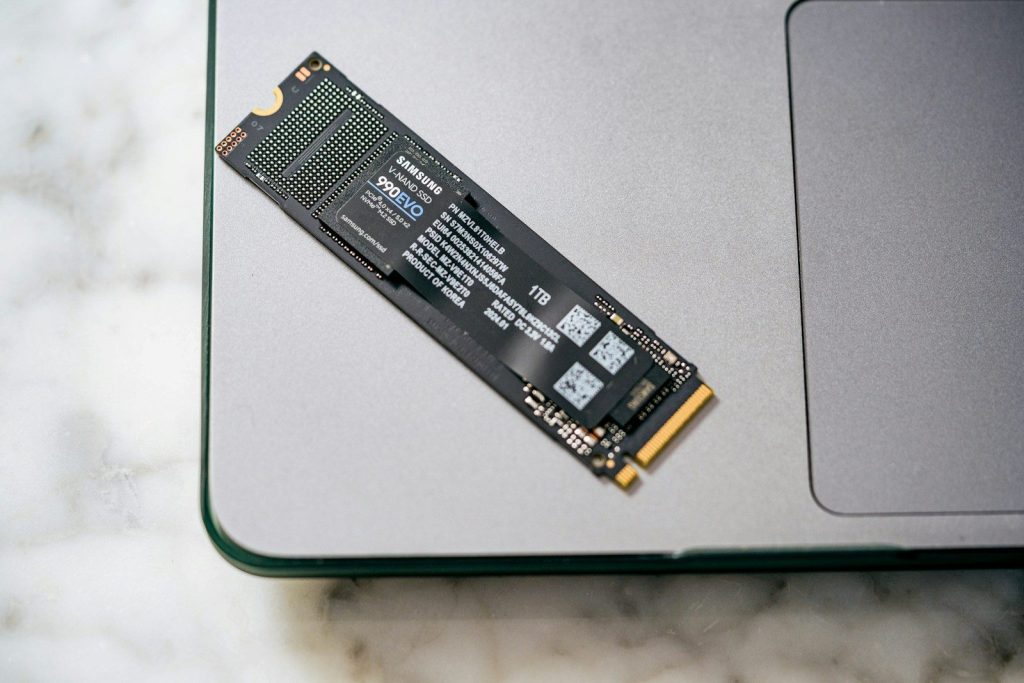
Many gadgets are sold in different storage sizes. A phone might come in 128GB, 256GB, or 512GB options. A laptop may offer a larger SSD for more money.
When NAND Flash is tight, those upgrades can become much pricier. TrendForce has noted that NAND capacity has been shifting toward enterprise SSDs, while consumer uses face more cost pressure.
PC builders may wait longer
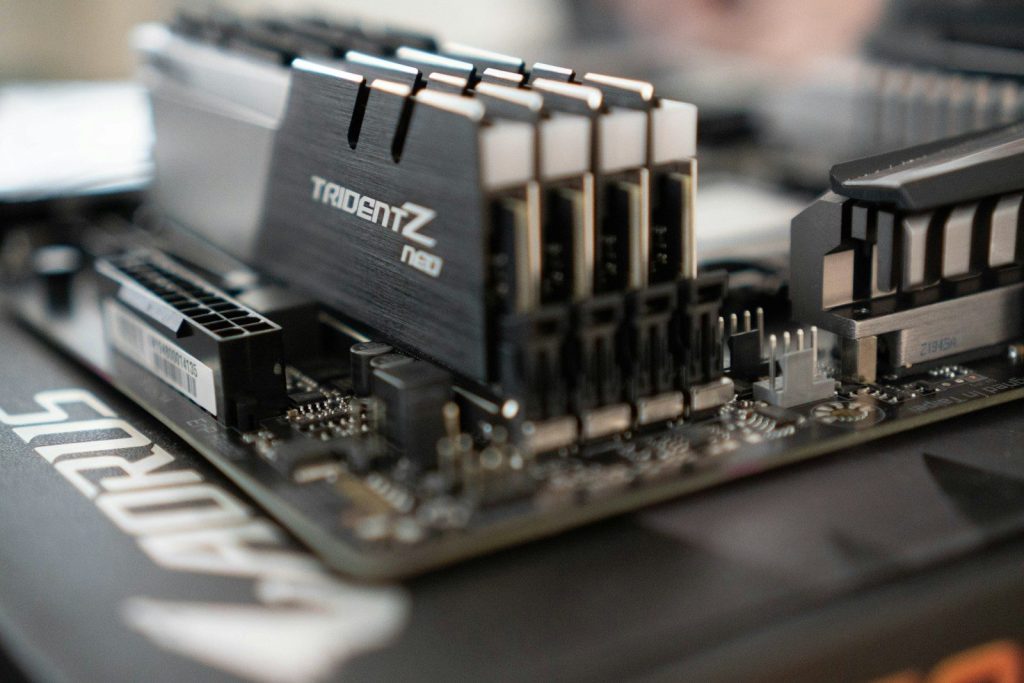
People who build or upgrade PCs watch memory prices closely. RAM and SSD prices can change the total cost of a gaming or work setup.
Recent reporting said higher DRAM and SSD prices have made some PC gamers delay new builds. When memory costs rise, a simple upgrade can suddenly feel like a much bigger purchase.
Cameras are affected too

Cameras do not only use memory cards. Many also need internal memory to handle fast shooting, video recording, and image processing.
Camera brands have warned that rising memory costs may affect the industry. If costs stay high, shoppers could see higher launch prices, fewer deals, or more expensive accessories over time.
Supply choices shape prices
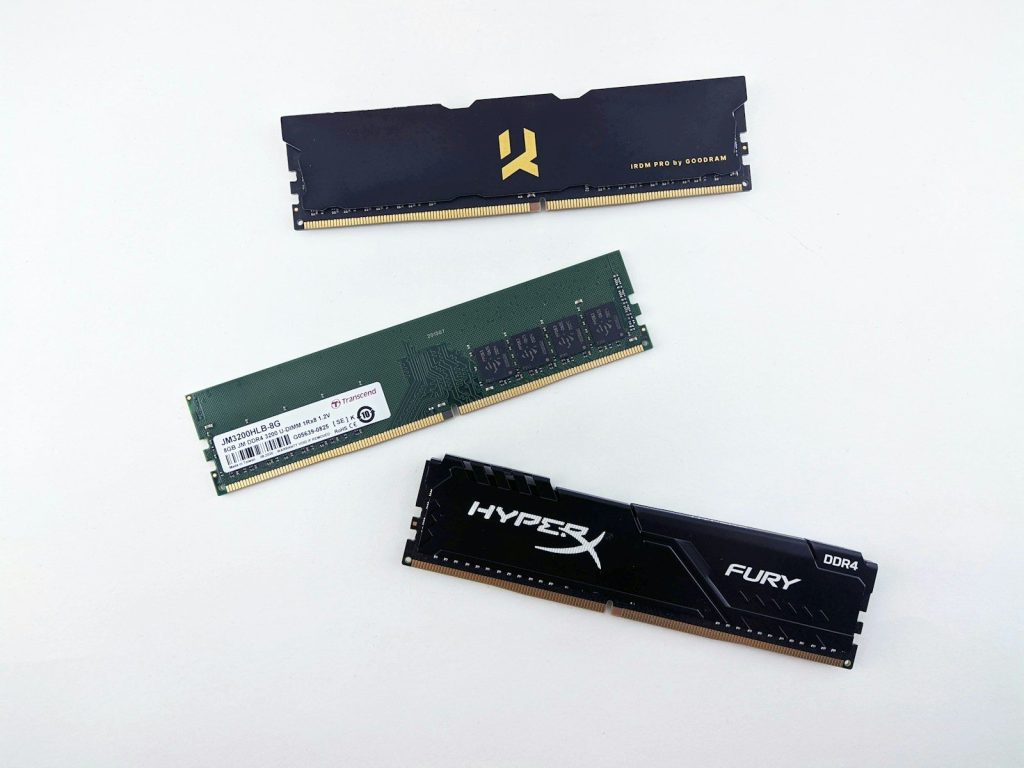
Chip makers cannot instantly create unlimited memory. Building new capacity takes time, money, and planning. So when one area, like AI servers, needs much more supply, other markets can feel the pressure.
That is why gadget prices may rise even when the device itself does not look very different. The parts inside may simply cost more than they did before.
Smart shoppers can adapt
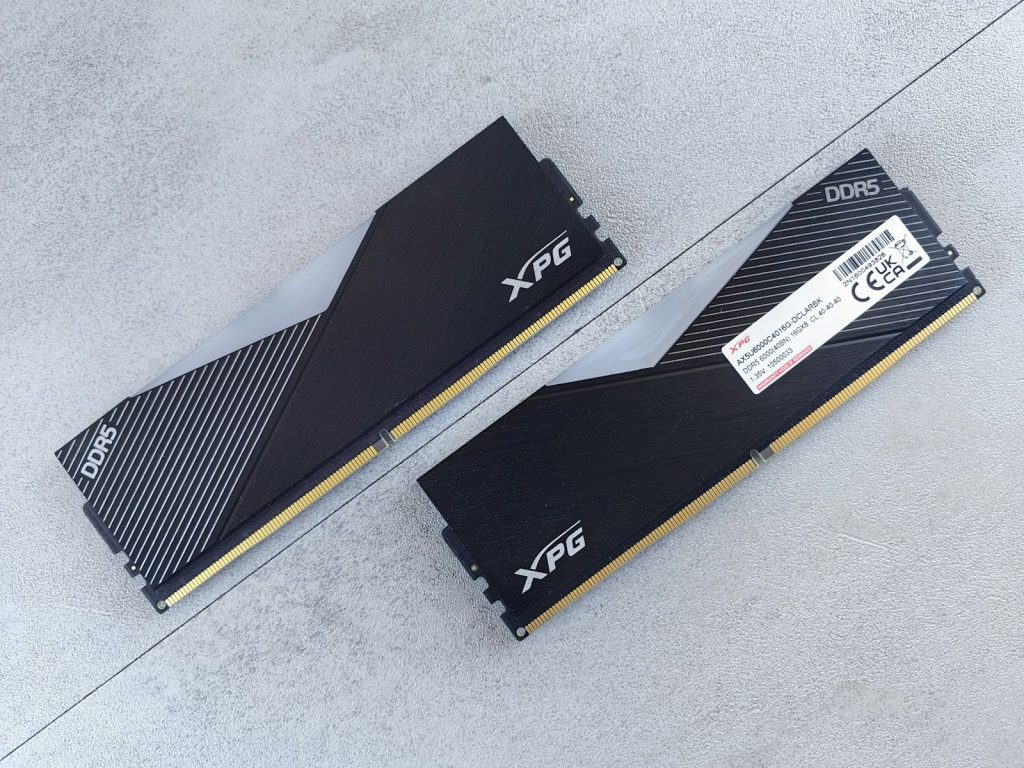
The best move is not panic buying. It is paying closer attention to memory and storage before choosing a gadget. Sometimes a slightly older model with enough RAM and storage can be the better value.
Shoppers can also compare storage tiers carefully. A device with enough space from the start may cost less than upgrading later, especially if memory shortages keep pushing prices upward.
Leave a Reply