
The Sun feels familiar because we see it every day, but its influence does not stop at daylight or warm weather. It sends out light, heat, charged particles, magnetic activity, and a steady stream of solar wind that spreads across the solar system. That energy helps shape Earth’s climate, powers photosynthesis, drives space weather, and even affects how scientists search for life on planets around other stars.
NASA explains that space weather from the Sun can affect Earth and the rest of the solar system, even from about 93 million miles away. At its strongest, solar activity can disturb satellites, radio signals, and power systems. The same star that supports life can also create challenges for technology, astronauts, and distant worlds.
The Sun powers living worlds

Life on Earth depends heavily on sunlight. Plants, algae, and some bacteria use the Sun’s energy to make food, which supports many food chains across land and oceans.
That same idea matters beyond Earth, too. When scientists study distant planets, they often ask whether a star gives enough steady energy for liquid water and long-term habitability. NASA says the habitable zone is the distance from a star where liquid water could exist on a planet’s surface.
It shapes habitable zones

A planet’s distance from its star can decide whether it is too hot, too cold, or possibly mild enough for life. This “just right” region is often called the habitable zone.
But distance is only part of the story. A planet also needs the right atmosphere, useful chemistry, and some protection from harmful radiation. NASA notes that habitable conditions can include liquid water, nutrients, a stable energy source, and an atmosphere that shields against radiation.
Solar wind fills space
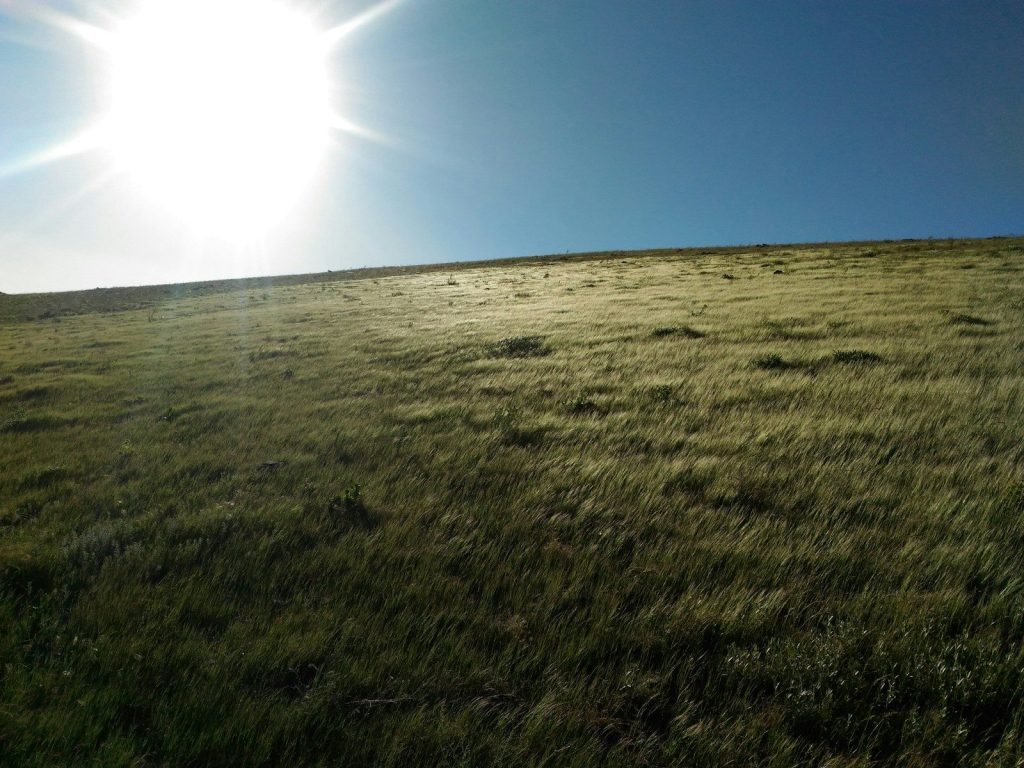
The Sun constantly releases a stream of charged particles called solar wind. This flow travels far beyond Earth and helps shape the space environment around planets, moons, and spacecraft.
Solar wind is not something people can see directly, but its effects are real. It can interact with magnetic fields, stir up auroras, and carry the Sun’s influence deep into the solar system. ESA notes that spacecraft and ground systems continually monitor solar wind and space weather.
Auroras show solar power
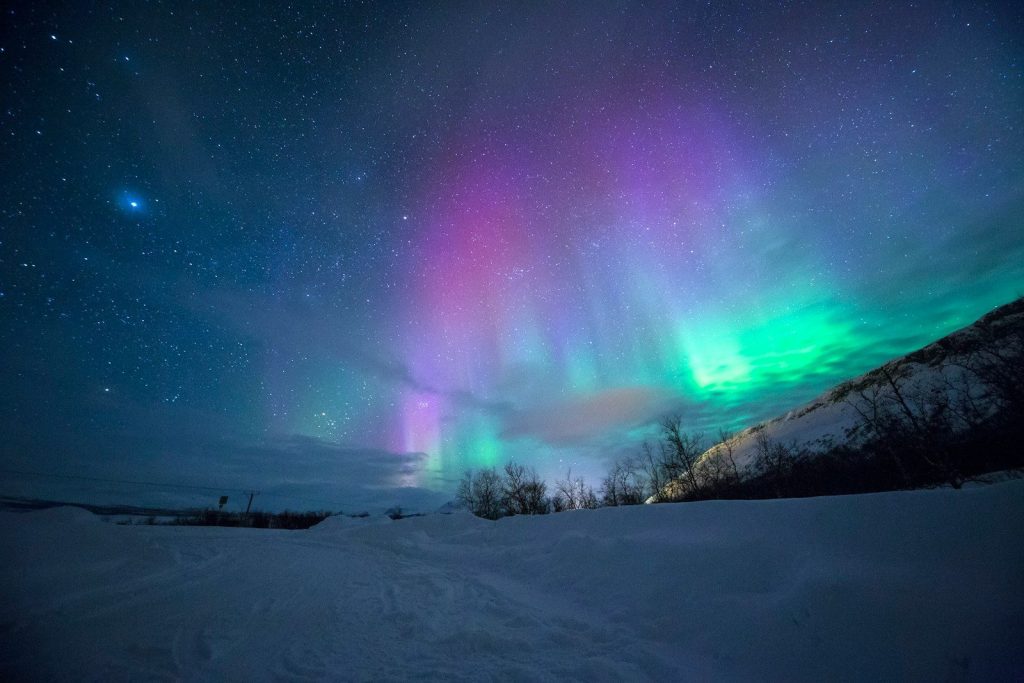
Auroras are one of the most beautiful signs that the Sun reaches Earth in more ways than sunlight. They happen when charged particles interact with Earth’s upper atmosphere near the poles.
Earth’s magnetic field helps guide some of that activity toward polar regions. ESA explains that solar wind can enter deeper into the upper atmosphere through polar openings in Earth’s magnetosphere, helping create the colorful displays we call auroras.
Storms can disturb technology

Solar storms can affect modern life because so much technology depends on space-based and radio systems. Strong solar activity may disrupt radio communication, GPS, satellites, and electric power systems.
NOAA says solar flares can produce strong X-rays that degrade or block high-frequency radio waves. Its Space Weather Prediction Center also tracks impacts on GPS, satellites, radio communication, aviation, and electric power systems.
Spacecraft need protection
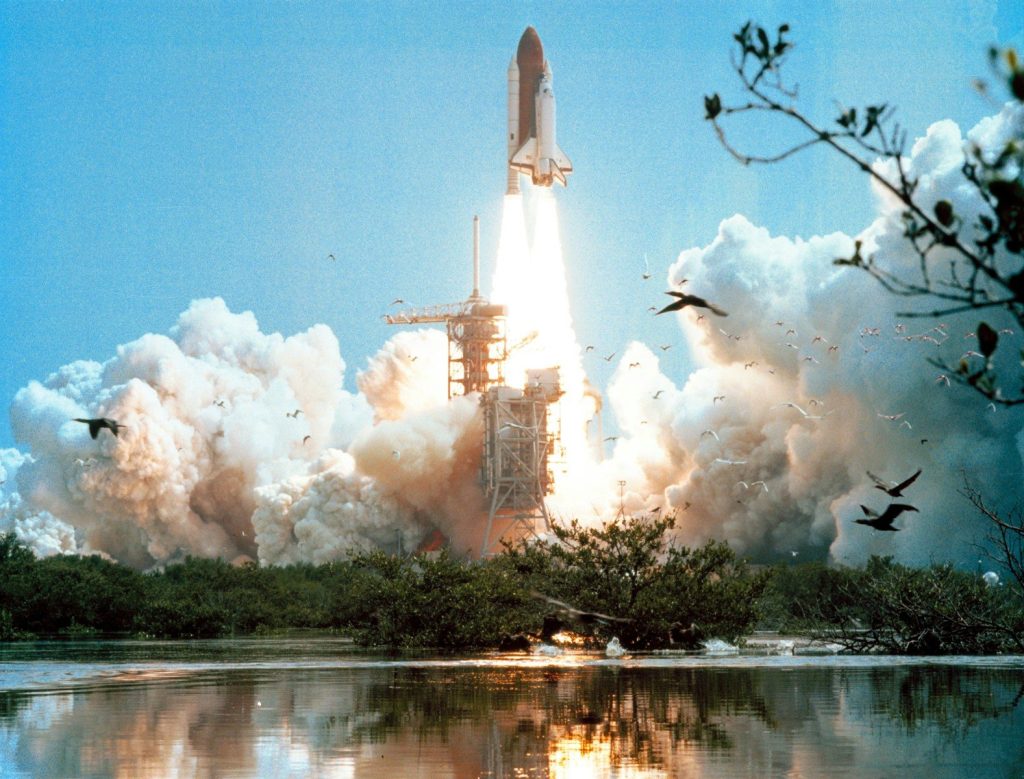
Astronauts and spacecraft face a harsher environment than people on Earth. Without Earth’s atmosphere and magnetic shield, solar particles and radiation become much bigger concerns.
That is why space agencies watch the Sun closely. Solar storms can affect spacecraft electronics, communication links, and crew safety during missions. Better forecasting helps mission teams plan safer routes, adjust schedules, and protect equipment before strong space weather arrives.
The heliosphere acts like a bubble
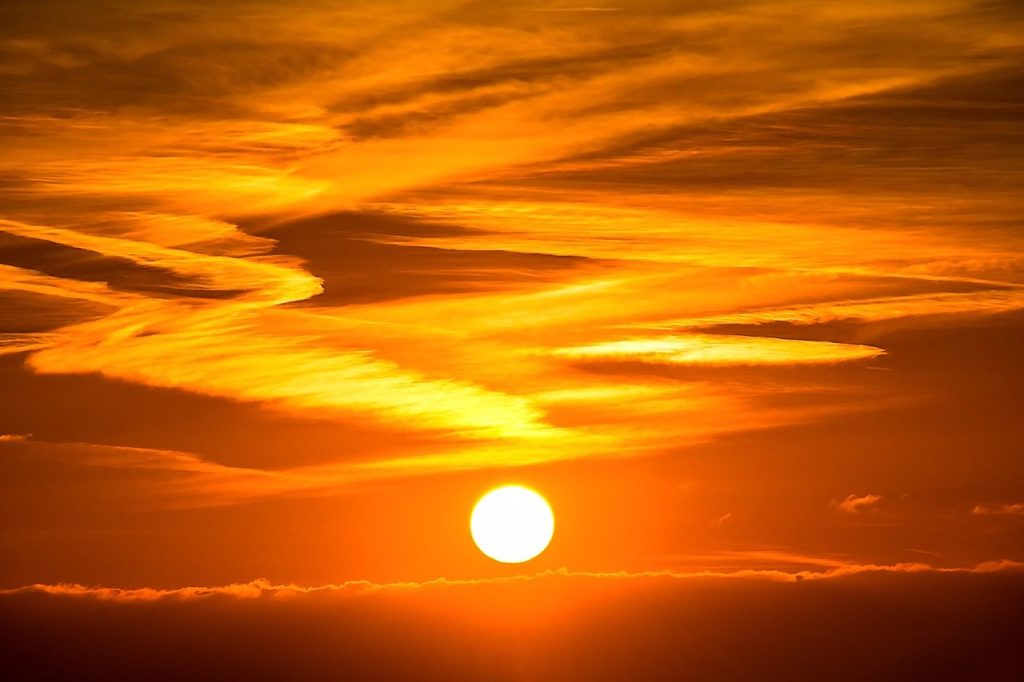
The Sun creates a huge region around the solar system called the heliosphere. This bubble is shaped by solar wind and helps separate our solar system from much of the surrounding interstellar space.
Scientists study the heliosphere because it affects how high-energy particles move through the solar system. Research cited by ScienceDaily describes the heliosphere as a first shield against some galactic cosmic rays, which may play a role in making the solar system more habitable.
Other stars matter too
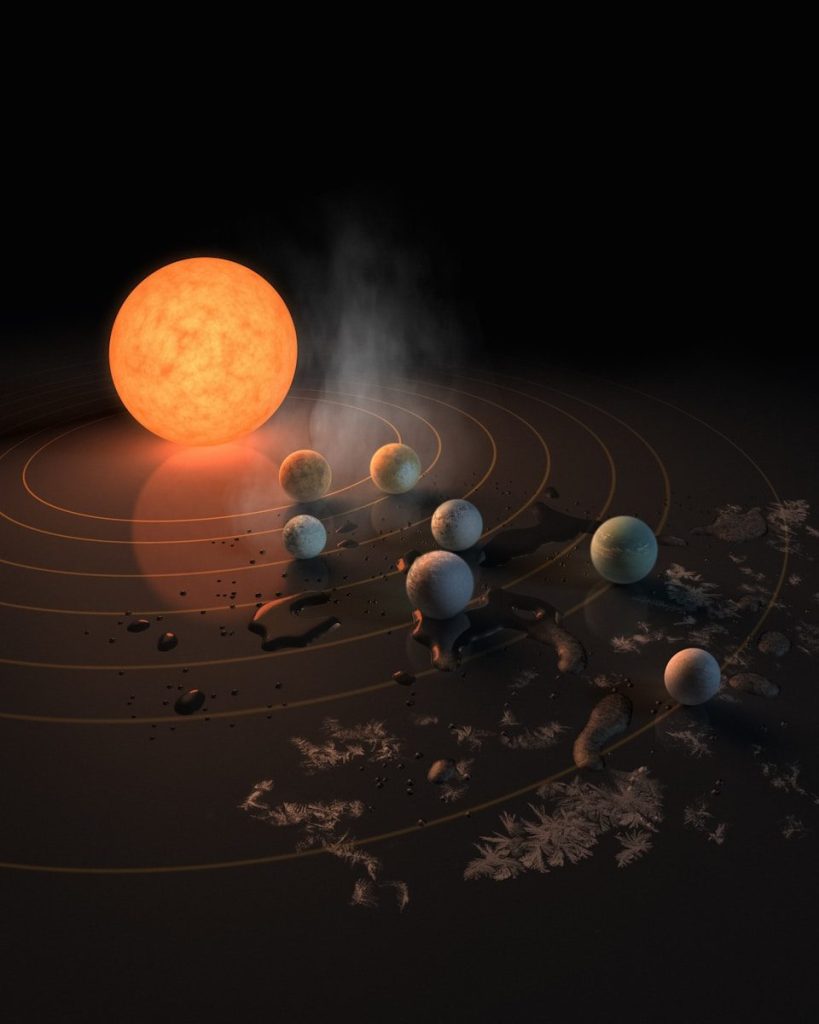
The Sun is also a guide for studying life around other stars. By learning how our star affects Earth, scientists can better judge whether planets around distant stars may be friendly to life.
Some stars are calmer, while others flare more often. That matters because strong radiation and space weather can change a planet’s atmosphere over time. NASA says more than 5,800 exoplanets have been confirmed, giving scientists many worlds to compare.
The Sun tells a bigger story
The Sun is not just the center of our solar system. It is a powerful force that shapes planets, protects space, disrupts technology, and gives life a chance to grow.
That makes it important far beyond Earth. Every solar flare, stream of solar wind, and quiet beam of sunlight helps scientists understand how stars influence worlds. The more we learn about the Sun, the better we understand what life may need elsewhere.
Leave a Reply