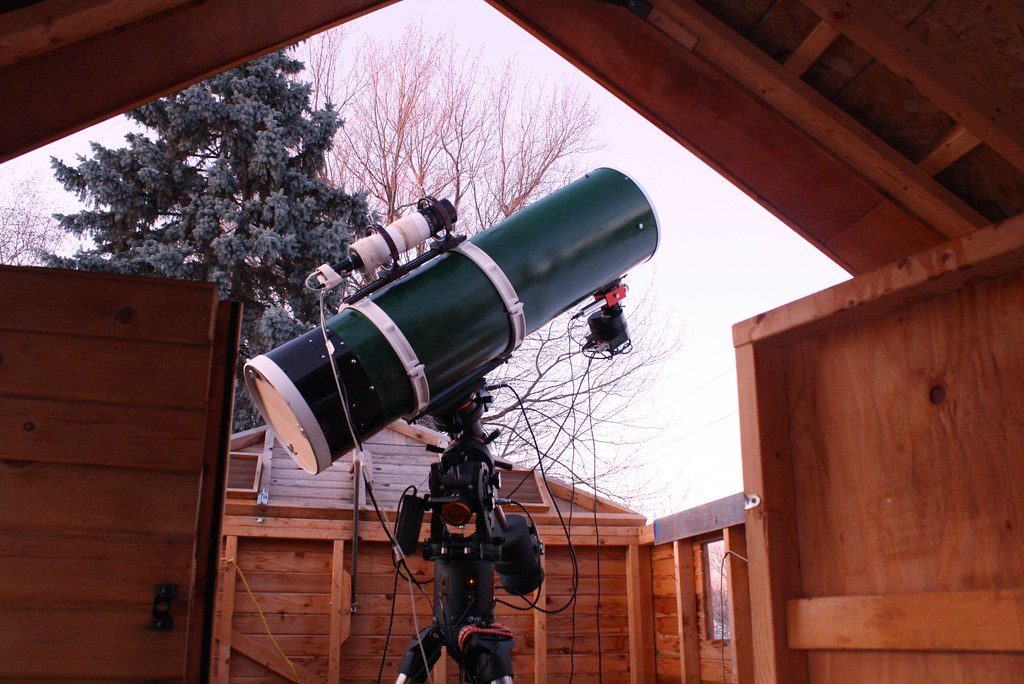
Skywatching usually rewards patience, but 2026 gives people plenty of reasons to look up. The year brings solar eclipses, lunar eclipses, meteor showers, bright planet pairings, a Blue Moon, and a strong finish with the Geminids in December. Some events will be best from certain parts of the world, while others can be enjoyed from many U.S. locations with a clear sky and a little planning.
What makes 2026 special is the mix. There are rare, headline-making events like the August total solar eclipse, plus easier backyard moments like full moons, shooting stars, and planet meetups. Even casual skywatchers will have several chances to step outside and catch something memorable. Timeanddate lists four eclipses in 2026, including two solar and two lunar eclipses.
Four eclipses are coming
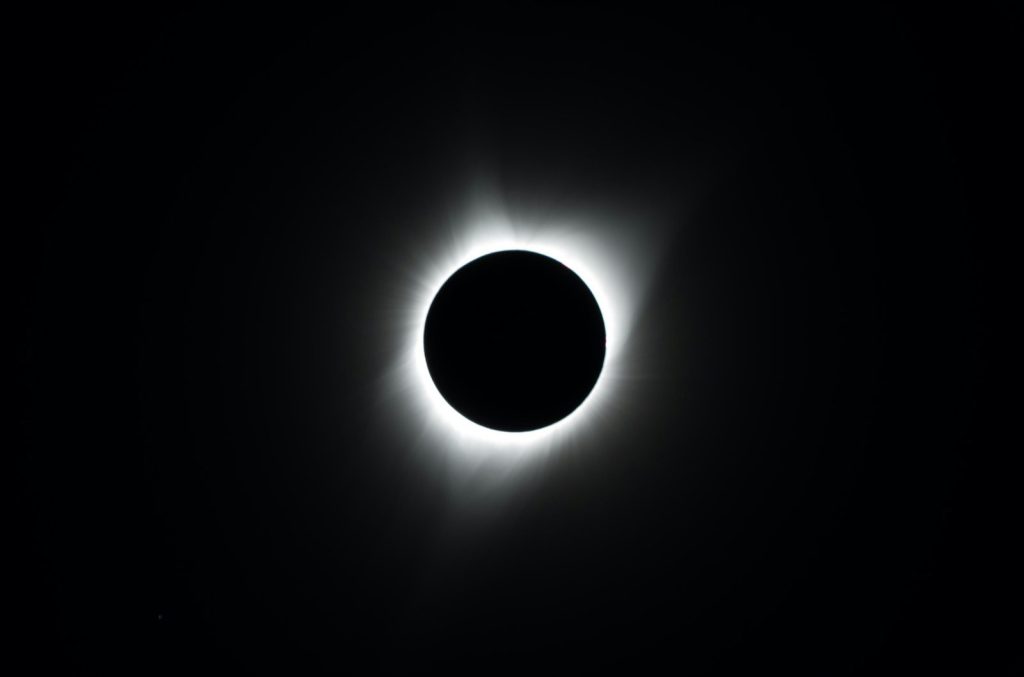
Eclipses are a major reason 2026 stands out. The year includes an annular solar eclipse in February, a total lunar eclipse in March, a total solar eclipse in August, and a partial lunar eclipse later that same month.
That kind of lineup gives skywatchers several chances to see the Sun, Moon, and Earth line up in dramatic ways. Visibility will depend on location, so checking local eclipse maps ahead of time will matter.
A total lunar eclipse returns
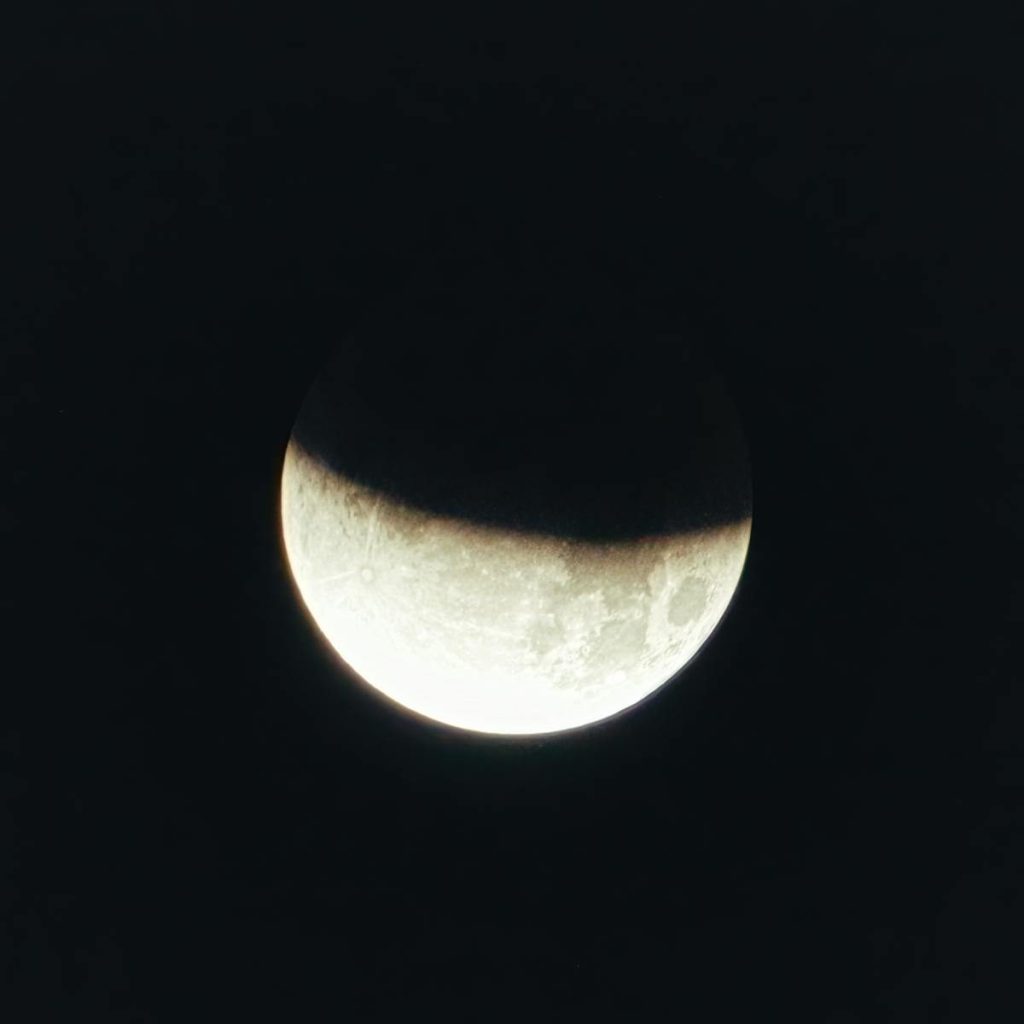
The March 2–3 total lunar eclipse will be one of the year’s biggest Moon events. During a total lunar eclipse, Earth blocks direct sunlight from reaching the Moon, often giving it a reddish color.
For many viewers, lunar eclipses are easier to enjoy than solar eclipses because no special eye protection is needed. You just need the Moon above your horizon, clear weather, and a good view of the sky.
August brings a solar show
The total solar eclipse on August 12, 2026, will be one of the year’s most talked-about events. NASA’s eclipse site identifies it as the total solar eclipse of August 12, 2026.
The path of totality crosses places including Greenland, Iceland, and Spain, while a partial eclipse will be visible across wider areas. Anyone viewing any part of a solar eclipse must use proper solar viewing protection.
The Perseids get dark skies
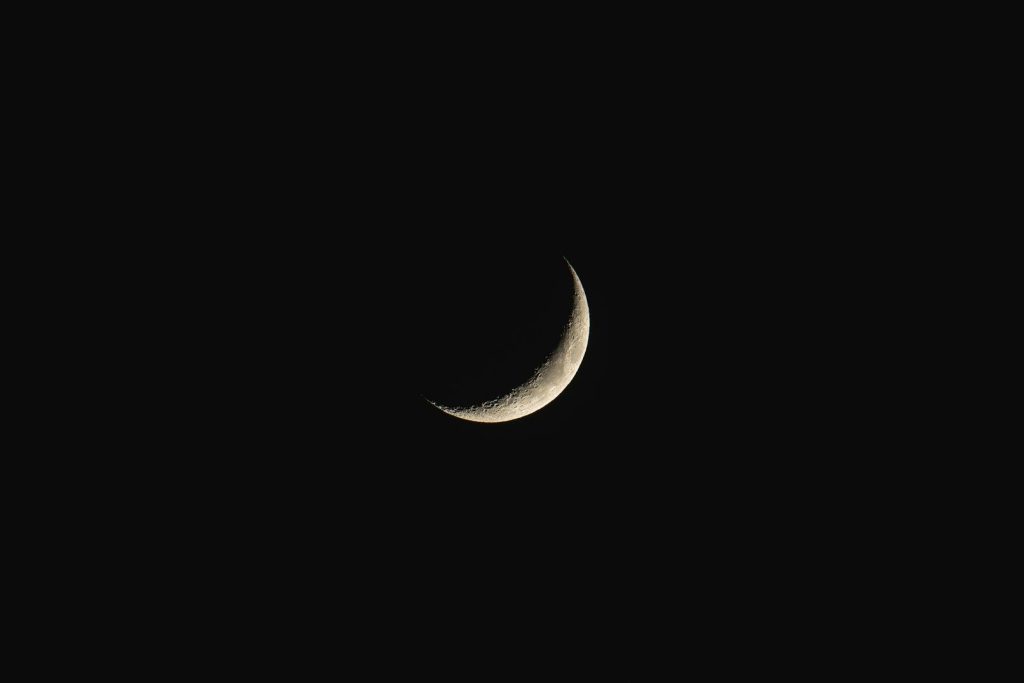
The Perseid meteor shower is already a favorite because it happens during warm summer nights. In 2026, it gets an extra boost because its peak falls close to the August new moon.
Darker skies can make meteors easier to spot, especially away from city lights. The Royal Observatory lists the Perseids as peaking on August 13, with activity running from July 17 to August 24.
May has a Blue Moon
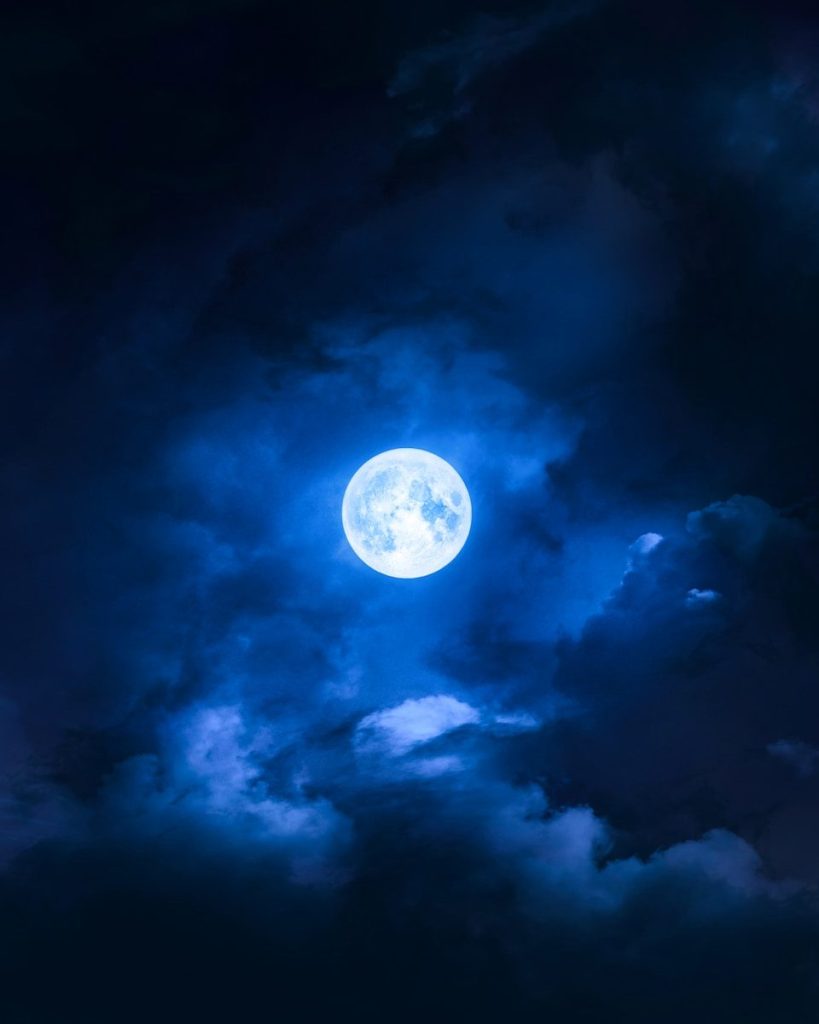
May 2026 gives Moon fans something fun: two full moons in one calendar month. The second full moon, on May 31, is commonly called a Blue Moon.
A Blue Moon does not usually look blue, but it is still a neat calendar event. Timeanddate lists May 31 as both a Blue Moon and a micro full moon for 2026.
Venus gets easy to spot
Bright planet moments are great for beginners because they do not require special gear. NASA’s May 2026 skywatching guide highlights a Moon and Venus meetup on May 18.
Venus is often one of the easiest planets to notice because it shines so brightly. Pair it with the Moon, and you get a simple sky scene that many people can enjoy from a porch, sidewalk, or backyard.
Meteor showers fill the year
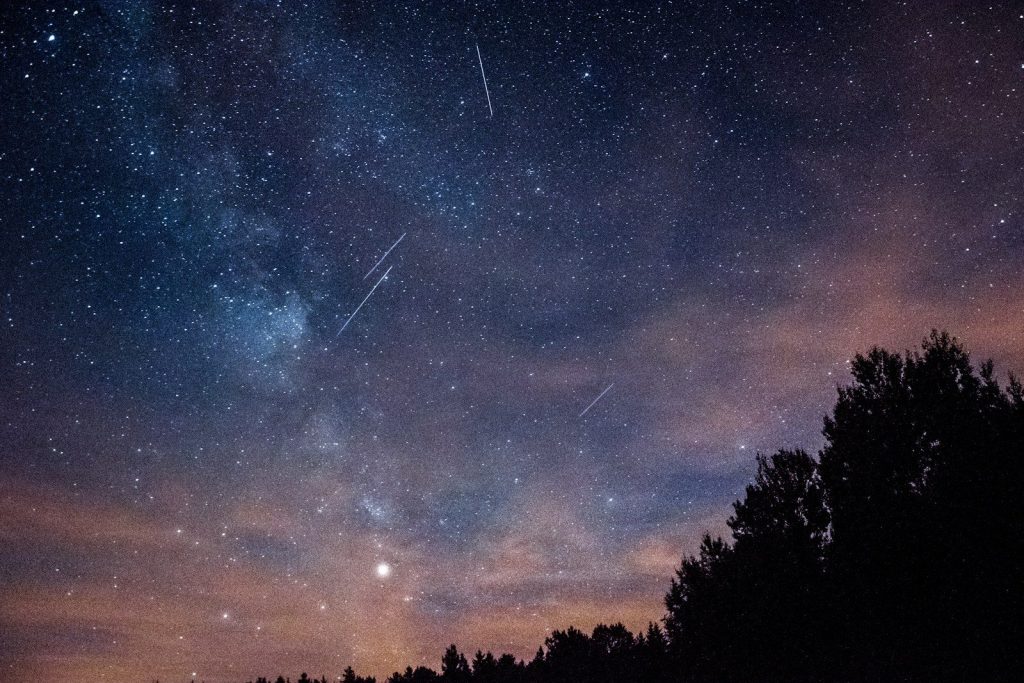
The Perseids may get the biggest summer attention, but they are not the only meteor shower worth watching. The Lyrids, Eta Aquarids, Draconids, and Geminids also give skywatchers reasons to look up.
Meteor showers are best after your eyes adjust to the dark. Skip bright lights, find an open view, and give yourself time. The longer you watch, the better your chances of seeing a streak across the sky.
A deep partial eclipse follows
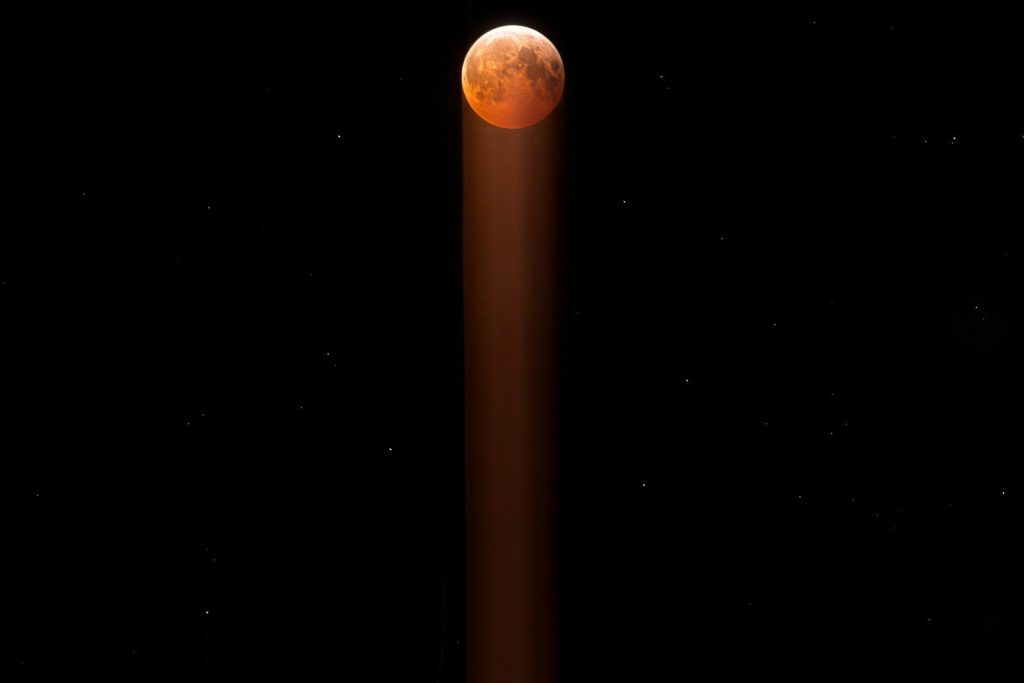
Just weeks after the August total solar eclipse, the Moon gets another turn. A partial lunar eclipse occurs on August 27–28, and timeanddate describes it as a very deep partial eclipse.
That means a large part of the Moon will pass through Earth’s darker shadow. It may not be fully total, but it can still create a striking sight for viewers in the right locations.
December ends with meteors
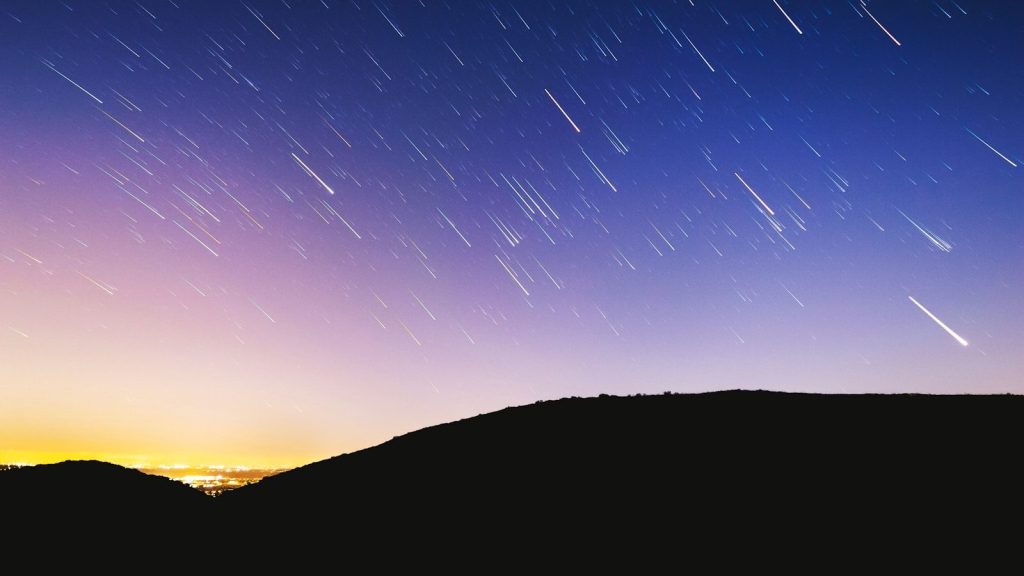
The Geminid meteor shower is often one of the strongest annual meteor showers. In 2026, it gives skywatchers a nice way to close the year with a cold-weather sky show.
December viewing can be chilly, but the payoff can be worth it. Dress warmly, choose a darker spot, and look away from bright lamps or phone screens so your eyes can adjust.
Planning makes it better
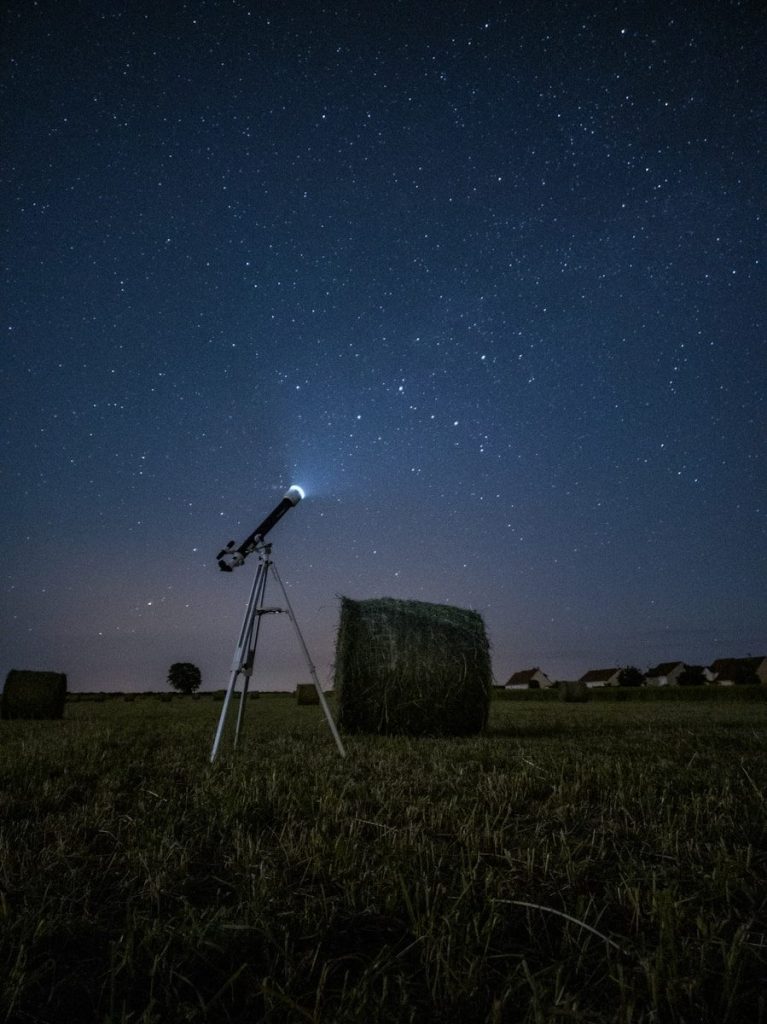
The best sky events can be missed if you wait until the last minute. Clouds, moonlight, timing, and local visibility all affect what you can actually see.
A good habit is to mark key dates early, then check local viewing times closer to the event. For solar eclipses, safe viewing glasses are essential. For meteors and Moon events, patience and dark skies are your best tools.
Leave a Reply