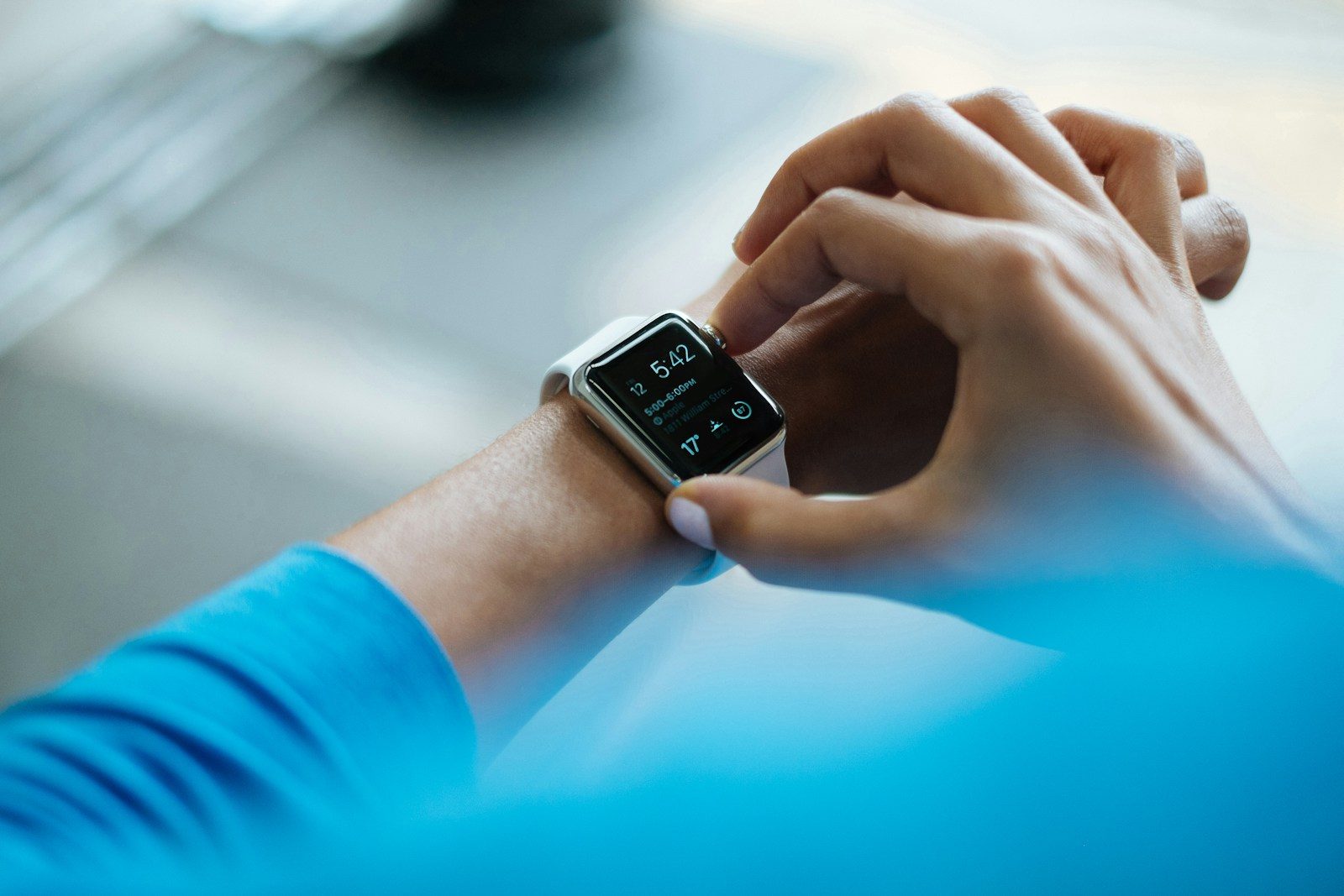
Wearables love to brag about sensors. Heart rate, skin temperature, blood oxygen, motion tracking, GPS, and other tiny parts can make a watch or ring sound powerful. But sensors only collect signals. The real value comes from the software that turns those signals into useful advice, trends, alerts, and daily habits. Without good software, even a sensor-packed device can feel confusing or forgettable.
That is why the best wearable experience is not only about how many things a device can measure. Fitbit estimates sleep stages using movement and heart rate patterns, while Garmin’s training readiness combines sleep, recovery, stress, and training load into a broader picture. Apple’s watchOS updates also show how software can reshape a watch’s feel over time.
Sensors only collect clues
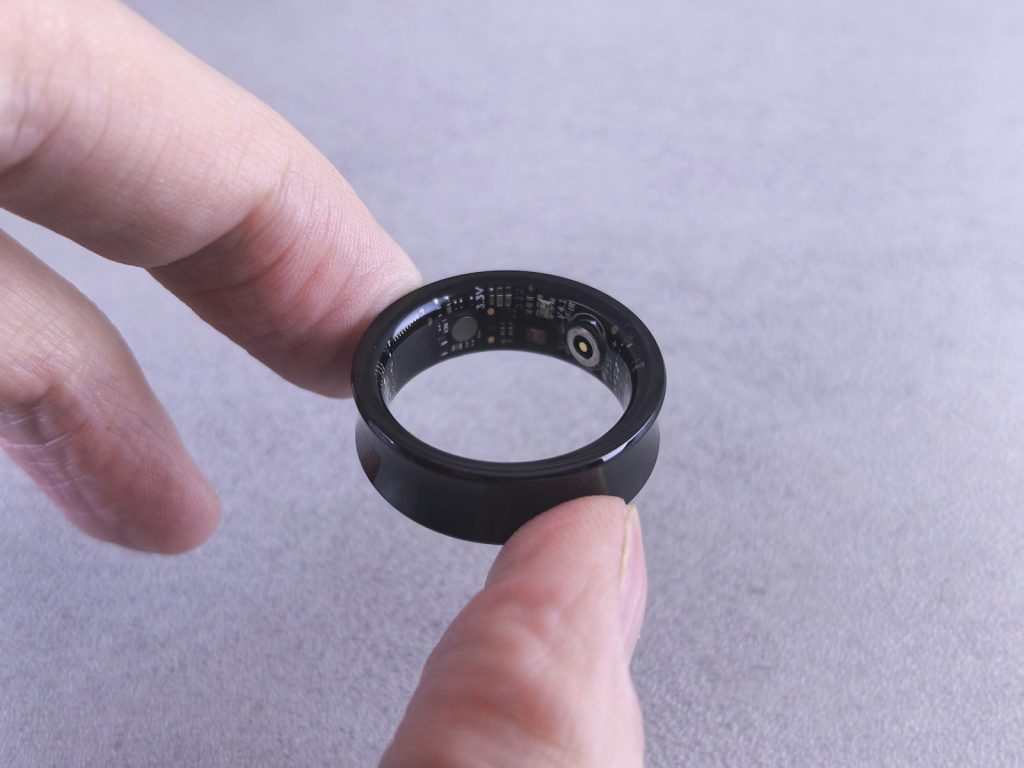
A sensor is like a tiny reporter on your wrist. It can notice motion, light, heart-rate changes, or temperature shifts, but it does not automatically explain what those changes mean.
Software connects the dots. It turns raw signals into sleep estimates, workout summaries, recovery trends, reminders, and alerts that regular users can understand without reading a science chart.
Better insights need context
One number rarely tells the full story. A higher heart rate could mean exercise, stress, poor sleep, heat, or just a busy day.
Good wearable software looks at patterns instead of one moment. Garmin says training readiness uses strain, stress, recovery, sleep hygiene, and balance, which shows why context matters more than a long sensor list.
Sleep tracking proves it
Sleep tracking sounds simple, but it depends heavily on interpretation. A watch cannot “see” sleep the way a lab test can, so it uses signals and models.
Fitbit says it estimates sleep stages with movement and heart-rate patterns, along with other data that helps confirm sleep behavior. That means the software model is what makes the sensor data useful.
Updates can add value
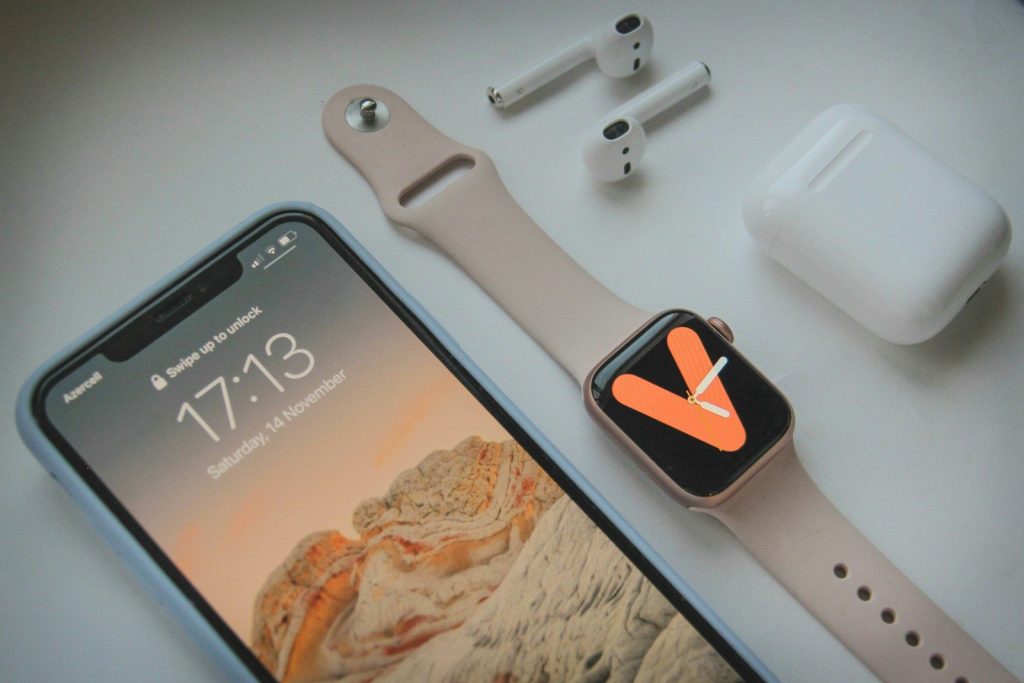
A wearable can become more useful after you buy it. New software can improve menus, add features, change widgets, and make daily actions easier.
Apple’s watchOS 26 brings a fresh design, Workout Buddy, configurable widgets, and new ways to dismiss notifications. That kind of update can make the same watch feel newer without adding a single new sensor.
Coaching beats raw data
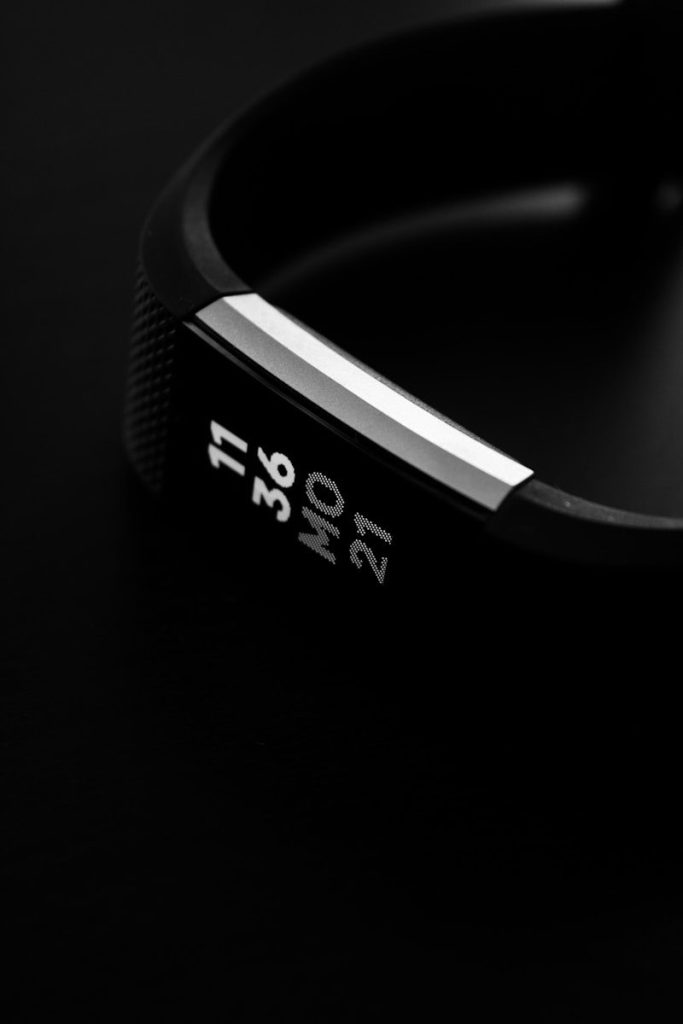
Most people do not want a pile of numbers. They want to know whether they slept well, trained too hard, moved enough, or should take it easier.
That is where software matters. Google’s Fitbit app highlights health metrics like breathing rate, heart rate variability, skin temperature, oxygen saturation, and resting heart rate so users can follow trends instead of staring at isolated readings.
Accuracy is not just hardware

A better sensor can help, but accuracy also depends on placement, skin contact, movement, algorithms, and how the data is processed.
That is why two devices with similar sensors can give different experiences. The software decides how noisy signals are cleaned up, how results are shown, and when a reading is useful enough to trust.
Design shapes daily use

A wearable can have impressive health tools and still fail if the app is confusing. People need clean charts, simple explanations, and controls they can find quickly.
Software design also affects habits. Clear reminders, readable trends, and easy goals can help users stick with a device. A crowded app can make even advanced sensors feel like work.
Privacy settings matter
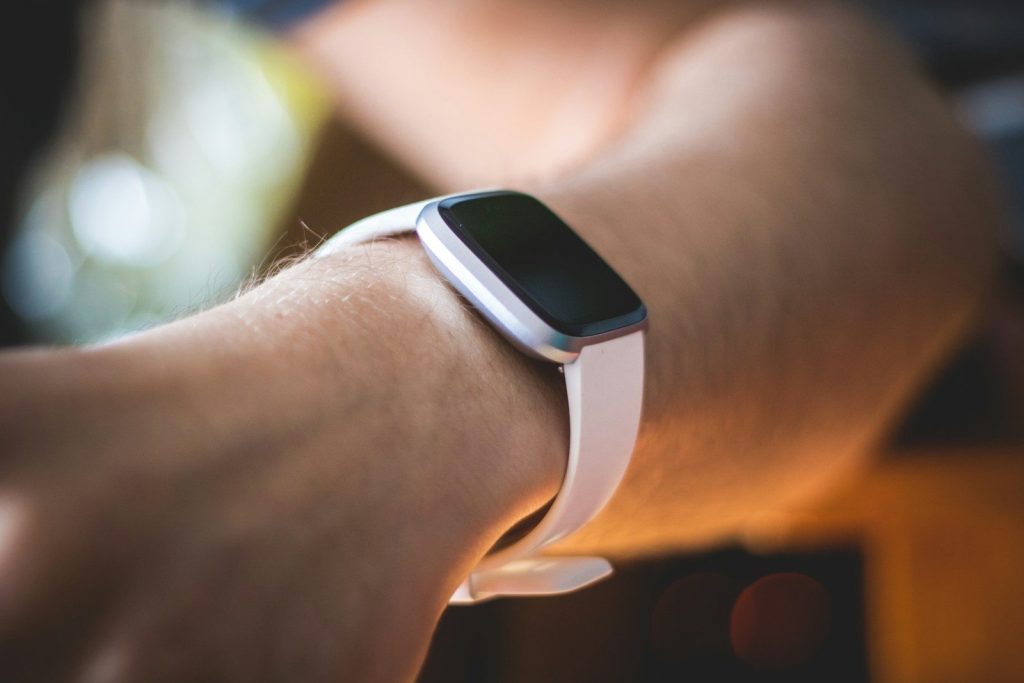
Wearables collect personal health and activity data, so software controls are important. Users should be able to review permissions, manage sharing, and understand what data is stored.
Good privacy tools make a wearable feel safer to use. A device with many sensors but weak account controls or confusing settings may not be the best choice for everyday life.
Health claims need caution
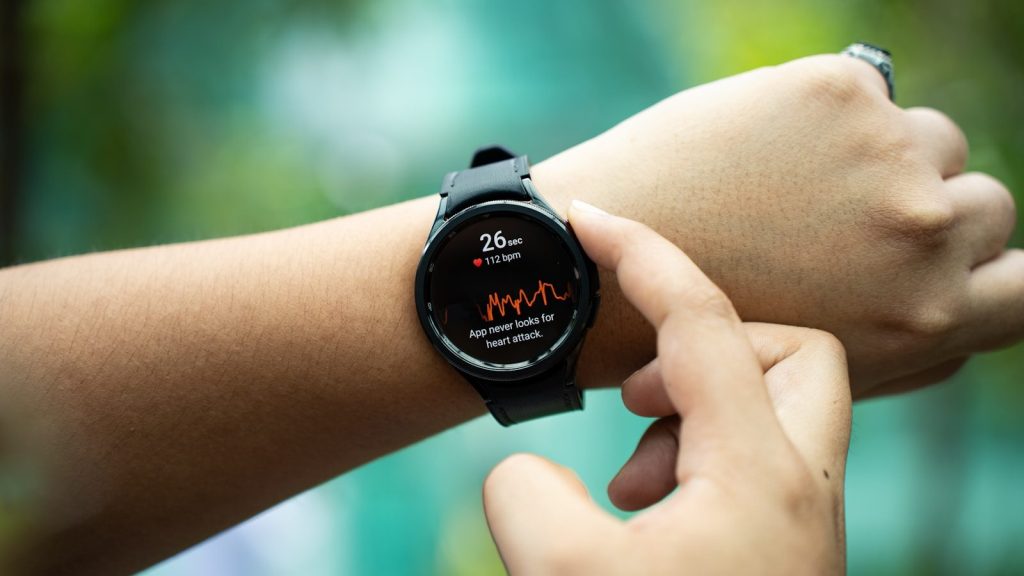
Wearables can support healthier habits, but they are not always medical devices. The FDA says its general wellness policy covers low-risk products that promote a healthy lifestyle.
That distinction matters for buyers. A helpful trend or alert can be useful, but it should not replace professional medical advice when something feels serious or unusual.
The best wearables explain more
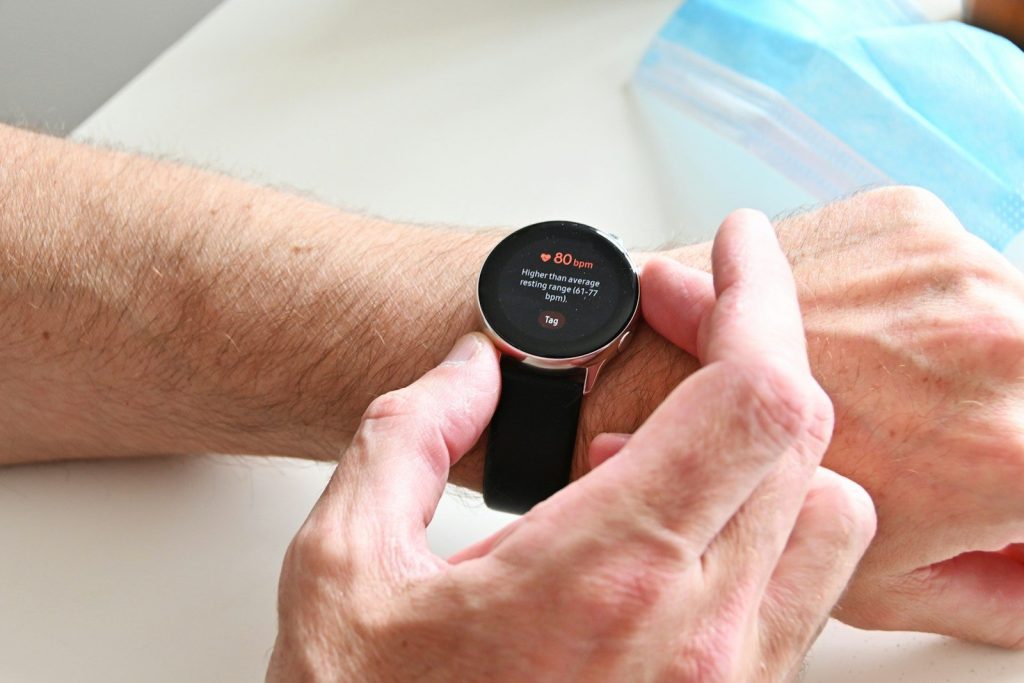
A wearable should not just count things. It should help users understand what changed, why it may matter, and what small step they can take next.
That is why software often matters more than sensor count. The right app experience can make health data feel useful, calm, and motivating, while weak software can turn great hardware into noise.
Leave a Reply