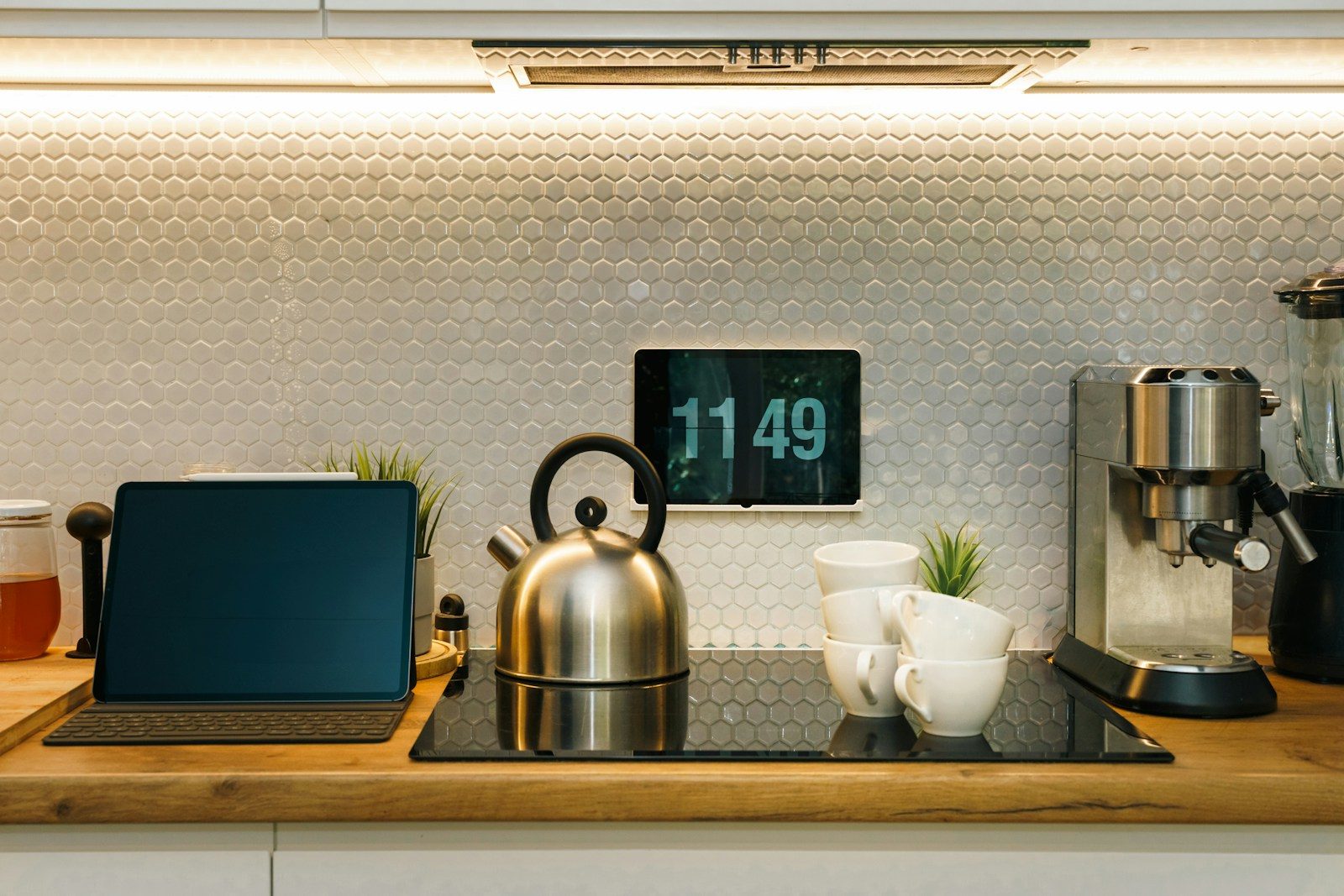
The next big tech fight may not happen only on phones, laptops, or TVs. It may happen in the kitchen, laundry room, and hallway closet. Smart appliances are becoming more connected, more automated, and more tied to the apps people already use every day. A fridge can send alerts, a washer can report energy use, and a dishwasher may run at a better time for the power grid.
ENERGY STAR says connected appliances can offer convenience, energy reporting, and features that may support a cleaner, more reliable grid. That gives appliance makers, tech companies, and smart home platforms a new reason to compete for a spot in daily routines.
The home is the new screen
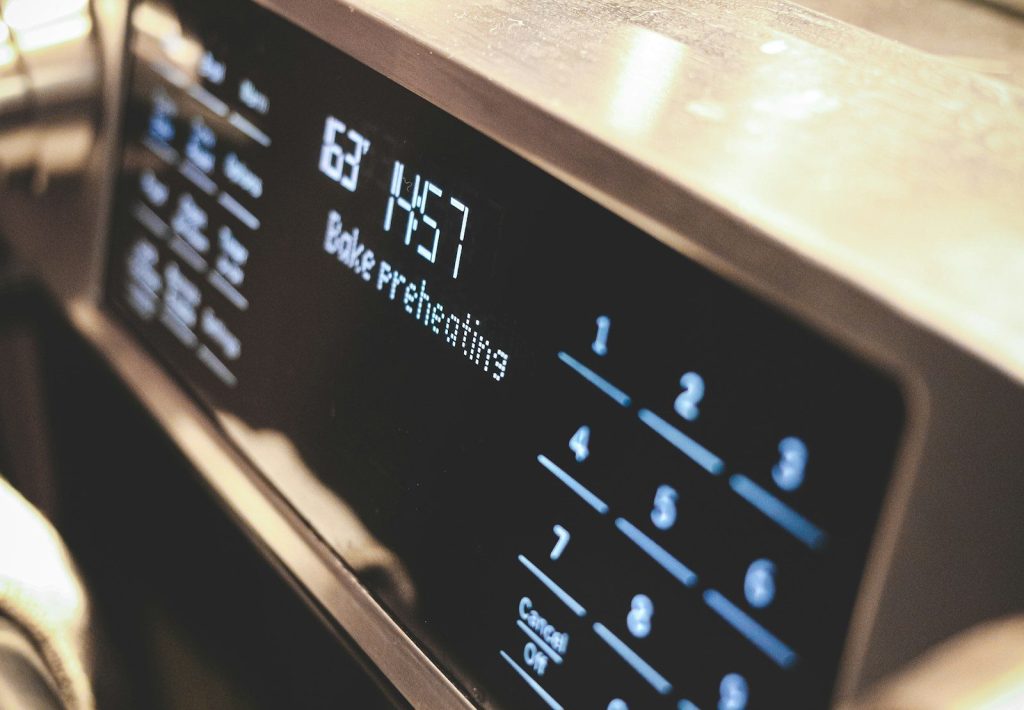
For years, the smartphone was the center of daily tech. Now companies are looking at the home itself as the next place to win attention, habits, and loyalty.
Smart appliances fit that shift because people use them constantly. Fridges, washers, dryers, dishwashers, and air conditioners are not occasional gadgets. They are part of normal life, which makes them valuable in a connected home.
Convenience is the first hook
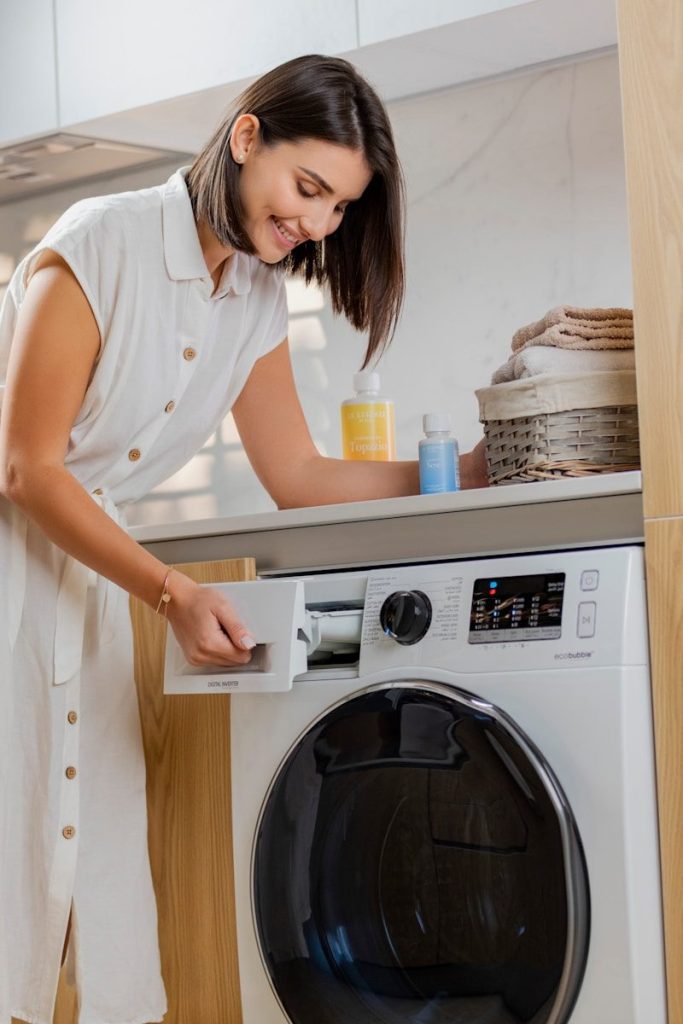
Most people do not buy smart appliances just because they sound futuristic. They care about simple wins, like getting an alert when laundry is done or checking if the fridge door was left open.
ENERGY STAR says connected appliances can offer remote management, user alerts, and energy-use reporting. Those features are easy to understand because they solve small problems people already deal with at home.
Energy savings may matter more
Energy costs can make smart appliances feel more practical. A connected washer, dryer, dishwasher, or thermostat can help users better understand when and how energy is being used.
ENERGY STAR says smart appliances can add convenience and may also support savings through connected features. Smart Home Energy Management Systems are designed around energy-saving controls, feedback, and connected devices.
Matter could reduce frustration
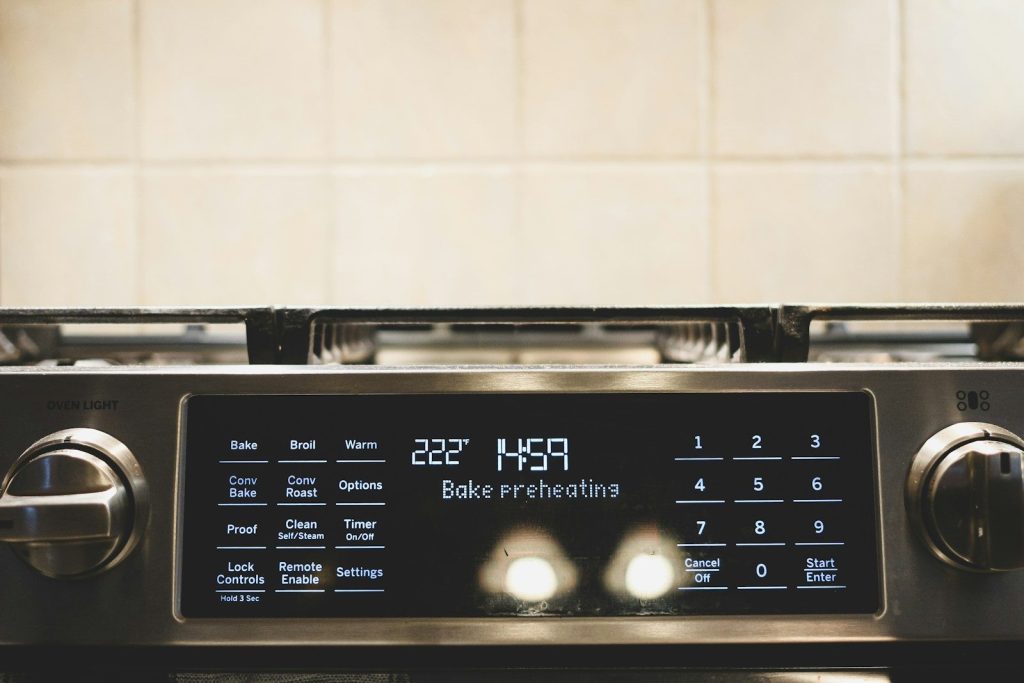
One reason smart homes have felt messy is that devices from different brands do not always work together smoothly. Matter is trying to fix that by giving smart home products a common way to connect.
The Connectivity Standards Alliance describes Matter as an IP-based connectivity protocol for reliable and secure smart home ecosystems. If it keeps improving, buyers may feel less locked into one brand.
Apps are becoming control panels
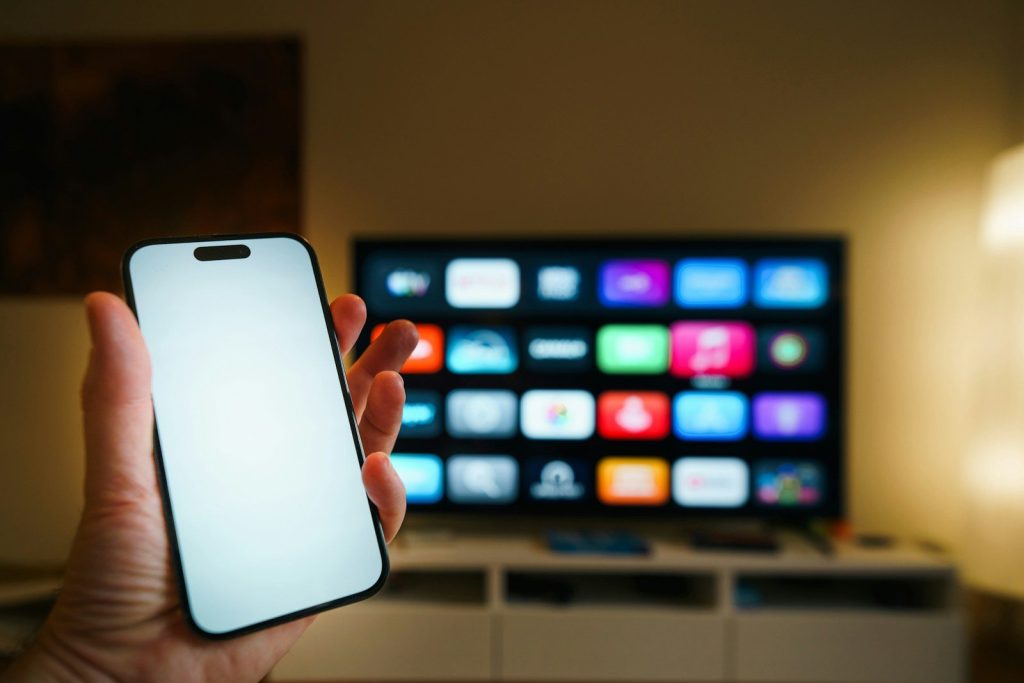
Appliance apps can now act like control centers for the home. They may show alerts, settings, maintenance reminders, energy details, and connected routines in one place.
That creates a bigger battle than just selling hardware. Brands want users to open their app, trust their ecosystem, and keep adding more devices over time. The appliance may be the starting point, but the app can become the habit.
AI needs real uses
AI is showing up in more appliances, but buyers may not care about the label by itself. People usually want better results, not a fancy buzzword on the box.
A recent NIQ report discussed by Kiplinger found that only a small share of robot vacuum and washing machine buyers ranked AI as a top reason to buy. The stronger pitch may be cleaner floors, smarter washing, and less wasted energy.
The grid could join in
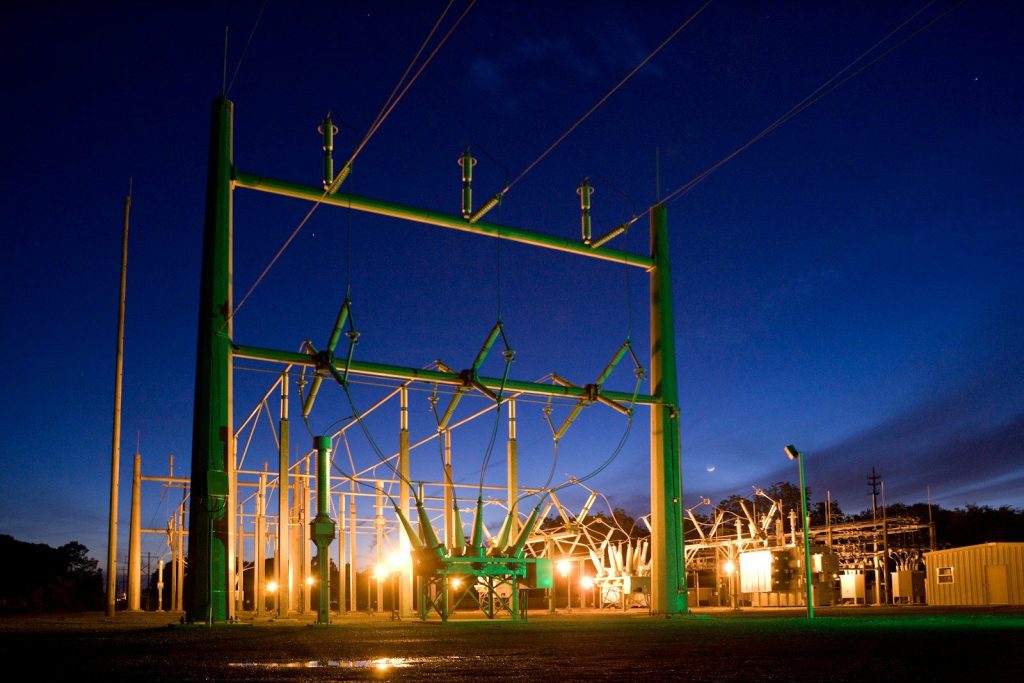
Smart appliances may become useful beyond the home. Some connected devices can help shift energy use away from peak times, which can support the larger electric grid.
A recent Matter and OpenADR partnership aims to make smart energy management easier by connecting in-home devices with energy gateways and utilities. That could help appliances play a bigger role in demand response programs.
Repairs may get smarter
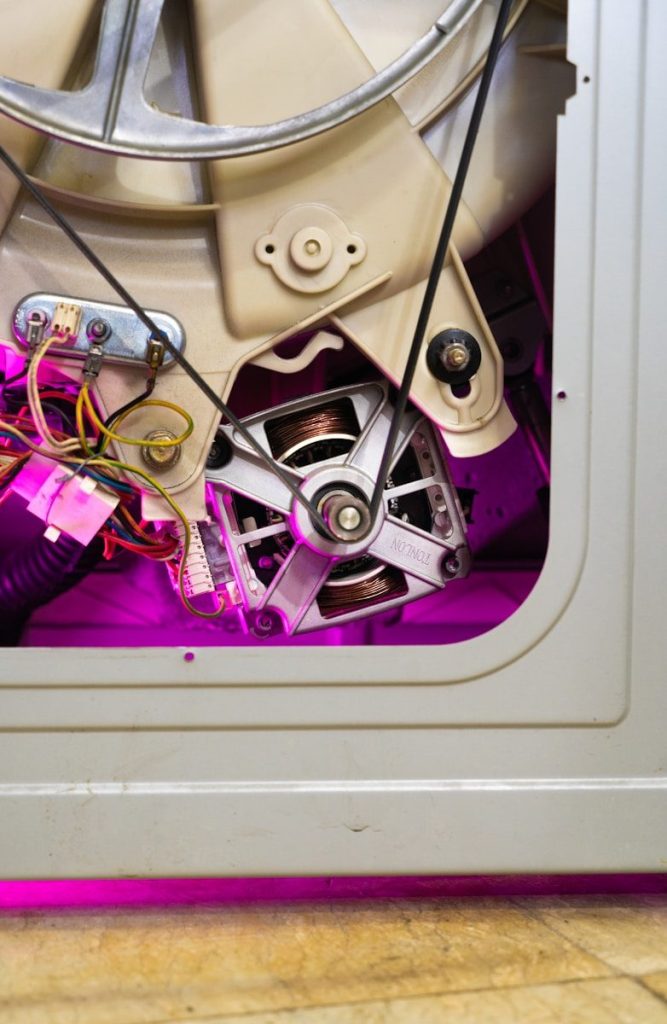
Smart appliances can also change how people handle problems. Instead of waiting for something to fully break, a connected device may send an alert about a filter, cycle issue, or possible maintenance need.
That can save time and reduce guesswork. For busy households, a useful warning is more valuable than another app notification. The key is making alerts clear, helpful, and not annoying.
Trust will decide adoption
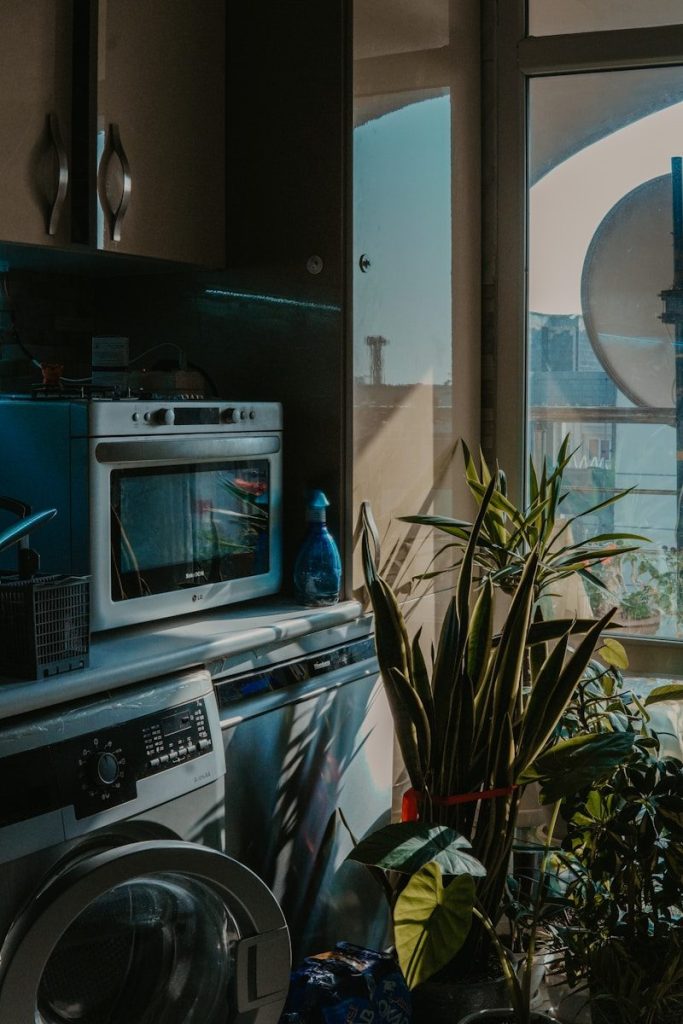
Smart appliances handle daily routines, so trust matters. People want useful features, but they also want simple controls, reliable updates, clear settings, and confidence that their data is handled responsibly.
ENERGY STAR says connected functionality includes consumer ownership of all data. That kind of promise matters because appliances sit inside private home routines, not just on a desk or in a pocket.
The winner must feel simple
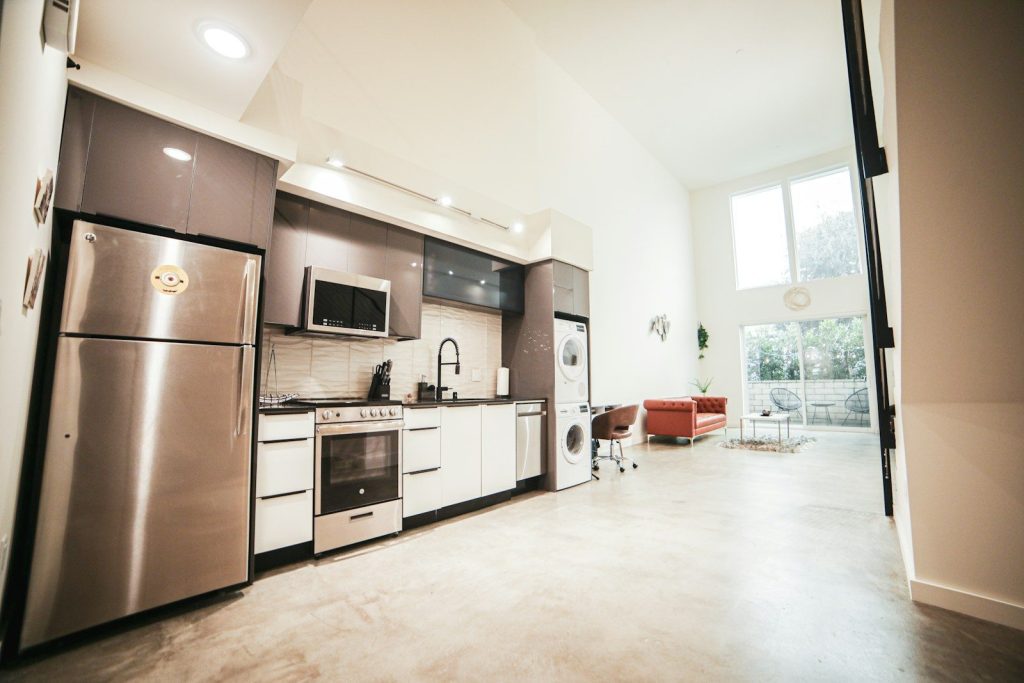
The next smart appliance battle will not be won by the longest feature list. It will be won by products that make home life easier without making people feel like they need a tech manual.
That means simple setup, clear apps, useful alerts, energy tools, and better teamwork across brands. If smart appliances can do that, they may become normal daily tech instead of expensive extras.
Leave a Reply