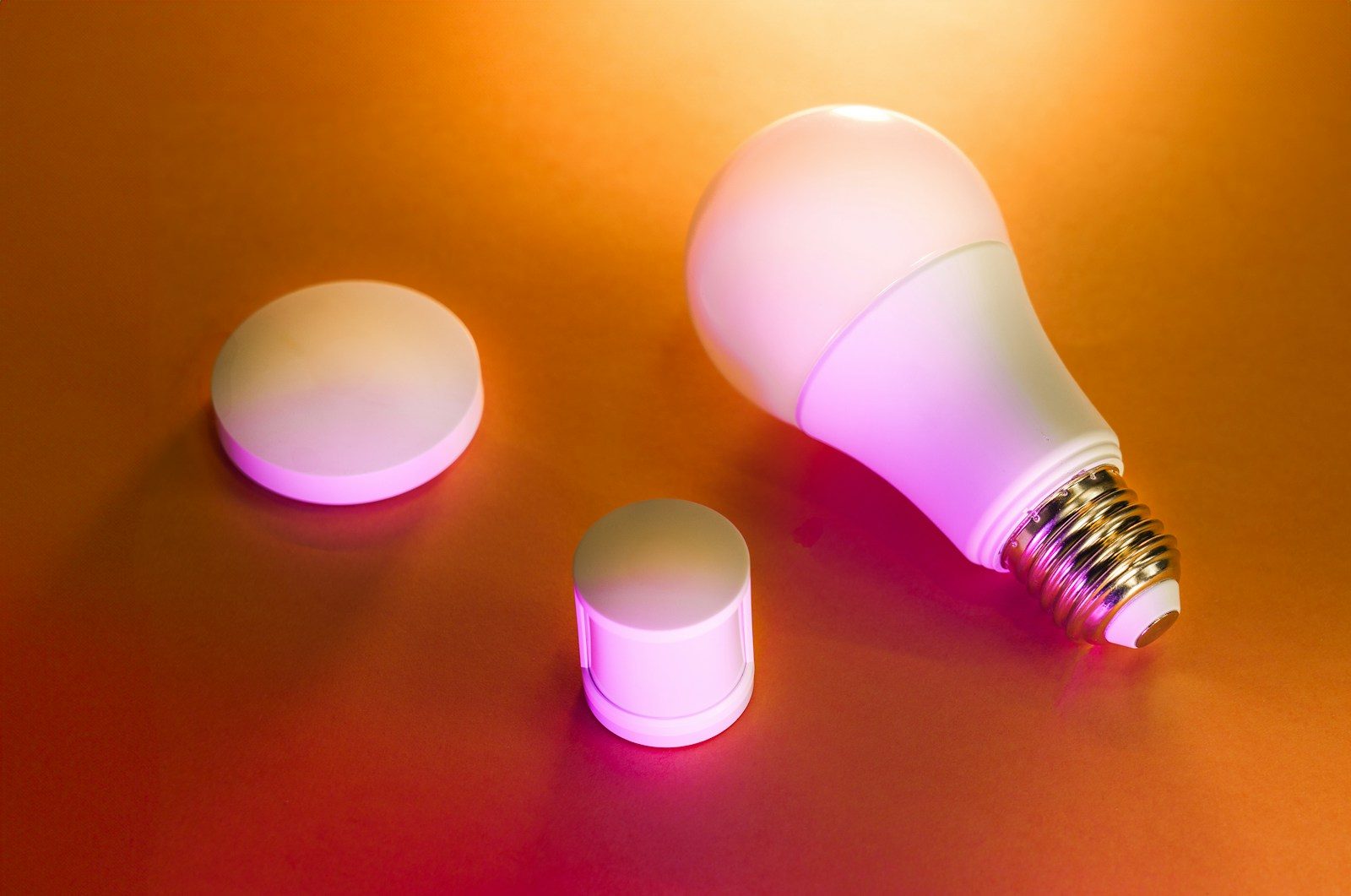
Smart home gadgets can look fun in ads, but the best upgrades are not about showing off. They solve small problems that happen every day: wasted energy, forgotten lights, missed leaks, poor air quality, hard-to-manage locks, and watering schedules that do not match the weather. That is where smart home tech becomes useful instead of flashy.
Some upgrades also have real efficiency or safety value. ENERGY STAR says certified smart thermostats are independently verified to save energy, and the U.S. Department of Energy says residential LEDs use at least 75% less energy and last up to 25 times longer than incandescent bulbs. EPA WaterSense also says labeled irrigation controllers can reduce overwatering by watering only when plants need it.
Smart thermostats save effort
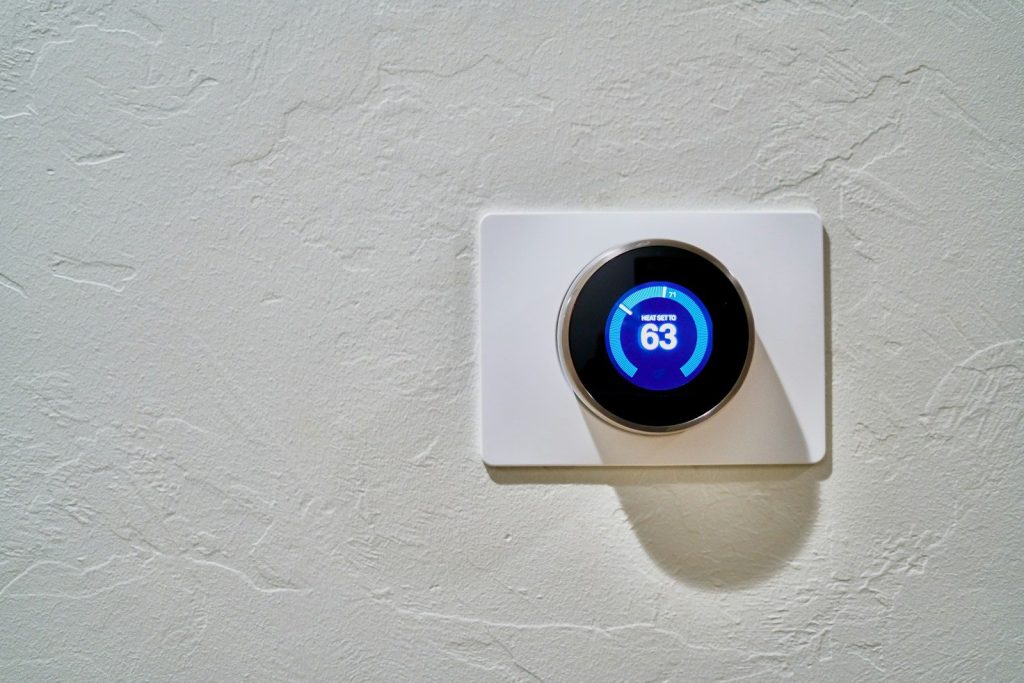
A smart thermostat is useful because heating and cooling take a big bite out of many home energy bills. It can adjust the temperature when you are asleep, away, or following a regular routine.
The best part is that it does not need constant attention. ENERGY STAR says certified smart thermostats are tested with real-world field data to confirm energy savings, making them more practical than flashy.
Smart lights fix forgetfulness
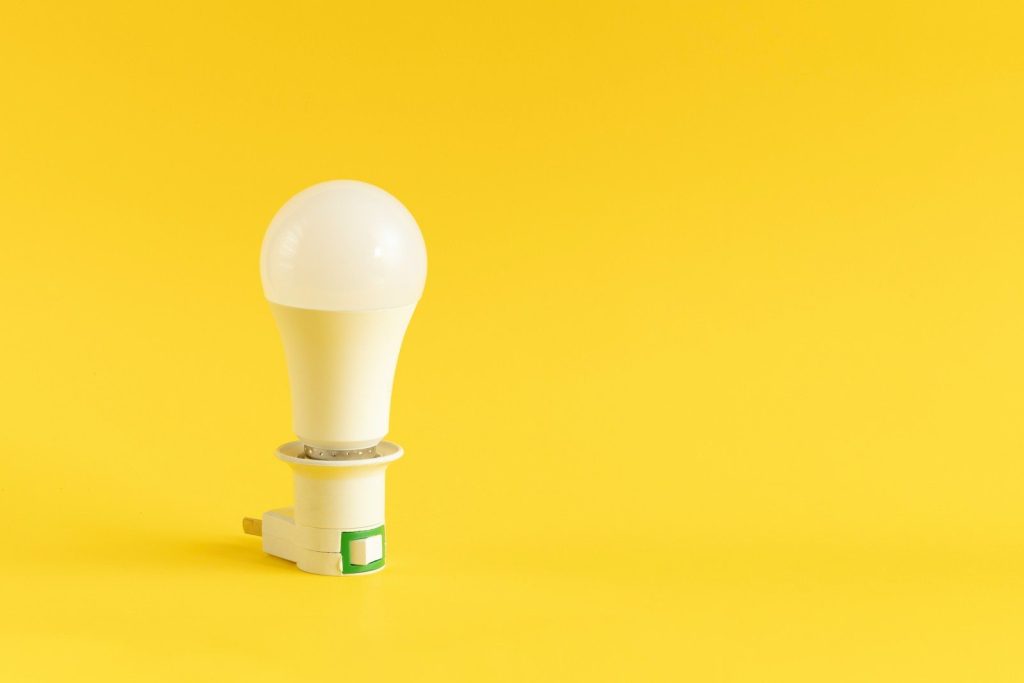
Smart lighting is not just about changing colors. It can turn off lights on a schedule, dim rooms at night, and make it easier to control hard-to-reach lamps.
When paired with efficient bulbs, the upgrade makes even more sense. The Department of Energy says residential LEDs use at least 75% less energy and last up to 25 times longer than incandescent lighting.
Smart plugs add control
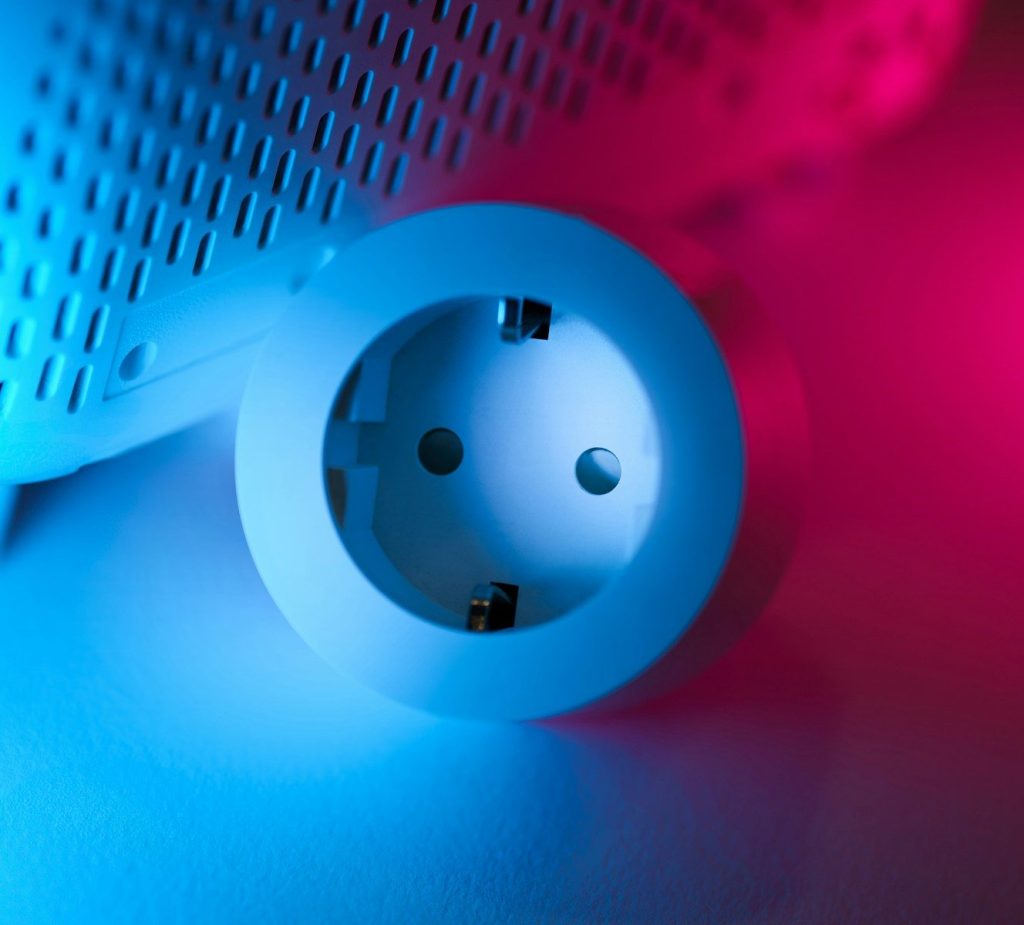
Smart plugs are a simple way to upgrade older lamps, fans, coffee makers, or small appliances without replacing everything. They let you create schedules or turn devices off from an app.
They are especially helpful for items you often forget to switch off. A basic plug can make an ordinary device easier to manage, which is far more useful than buying a brand-new connected version.
Leak sensors prevent surprises
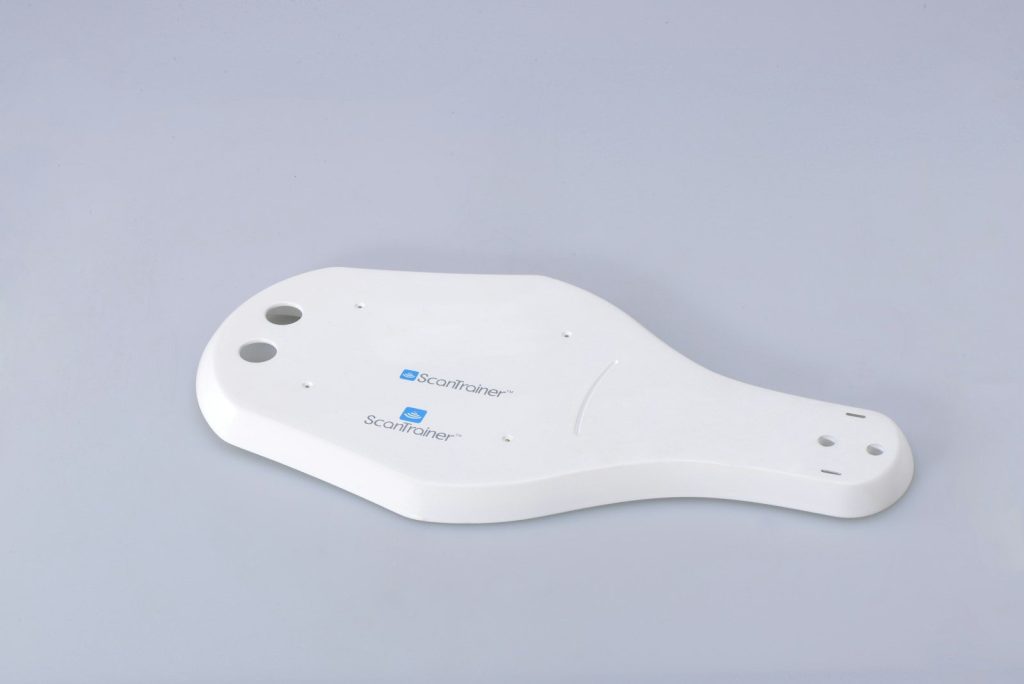
A water leak sensor is one of the least flashy smart home upgrades, but it can be one of the most helpful. Place one near a water heater, washing machine, sink, or basement trouble spot.
The goal is early warning. Instead of finding a puddle after damage spreads, you can get an alert sooner and act quickly. That kind of quiet protection is exactly what smart home tech should do.
Smart locks ease entry
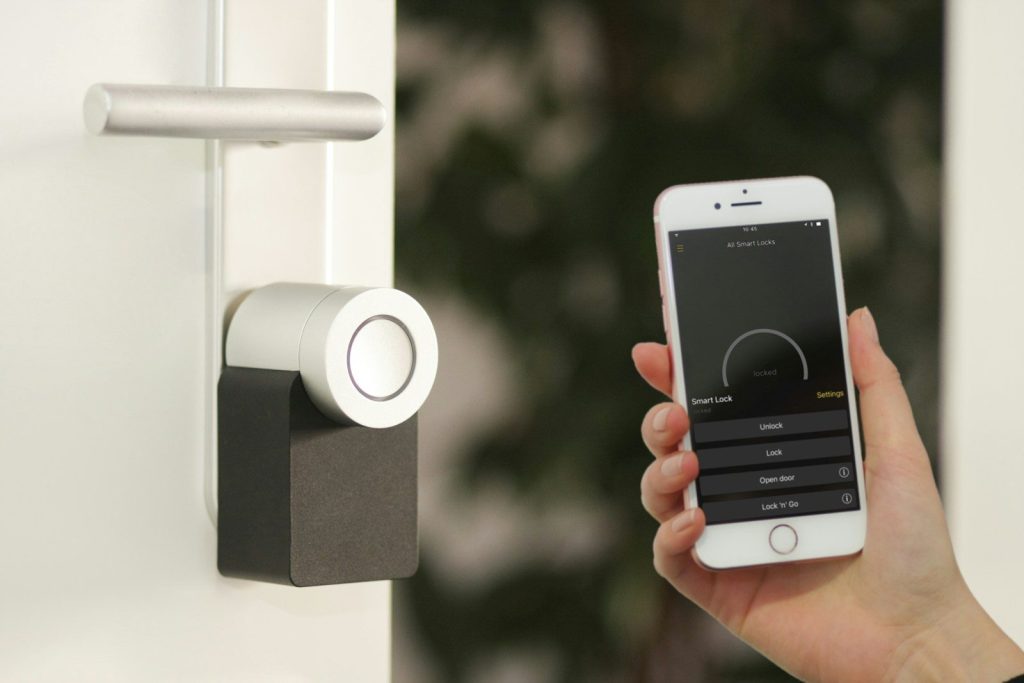
Smart locks can help when you forget whether the door is locked or need to let in a trusted visitor. Some models also let you use codes instead of spare keys.
Consumer Reports notes that smart locks can add peace of mind by letting users check lock status and track who opens the door, depending on the model. That is practical convenience, not just tech for show.
Video doorbells add awareness
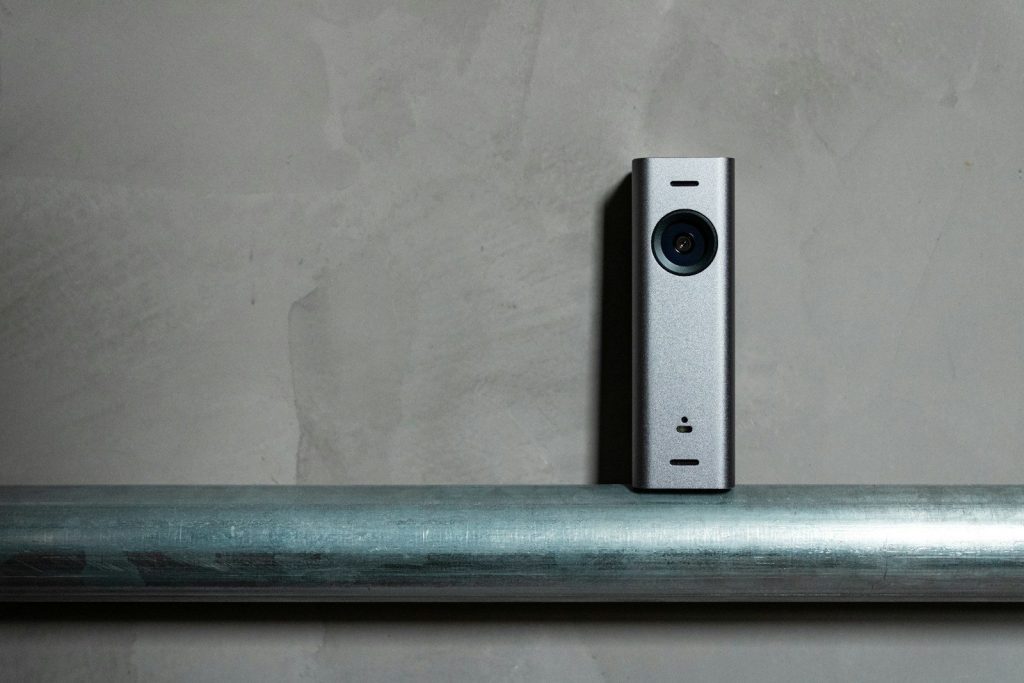
A video doorbell can help you see deliveries, visitors, or motion near the front door. That can be useful when you are upstairs, in the backyard, or away from home.
The value is not just the camera. It is the alert. Knowing when someone came by, or when a package arrived, can make daily home routines feel easier to manage.
Air sensors reveal problems
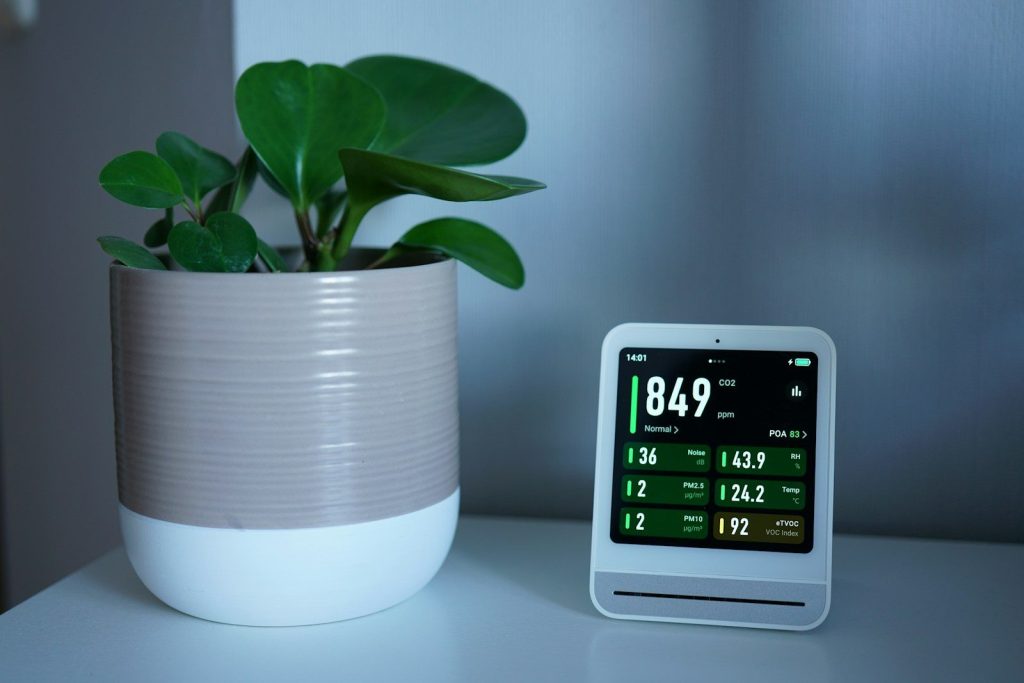
Indoor air quality is easy to ignore because you cannot always see it. Smart air monitors can track things like particles, carbon dioxide, temperature, or humidity, depending on the device.
The EPA says low-cost air pollution monitors can provide information about specific pollutants or environmental factors indoors. They do not replace certified smoke or carbon monoxide alarms, but they can add useful awareness.
Smart sprinklers cut waste
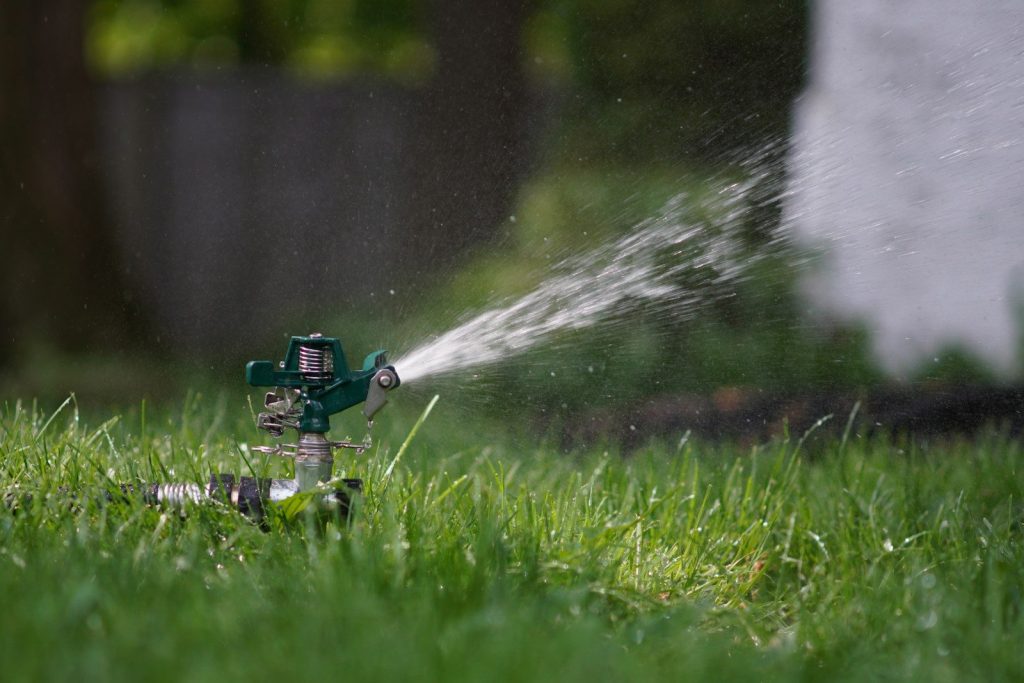
A smart irrigation controller can help your yard avoid wasteful watering. Instead of running on the same schedule every time, some systems use weather and landscape data.
EPA WaterSense says labeled controllers can reduce overwatering by applying water only when plants need it. For homes with lawns or gardens, that is a practical upgrade with a clear purpose.
Connected alarms boost safety
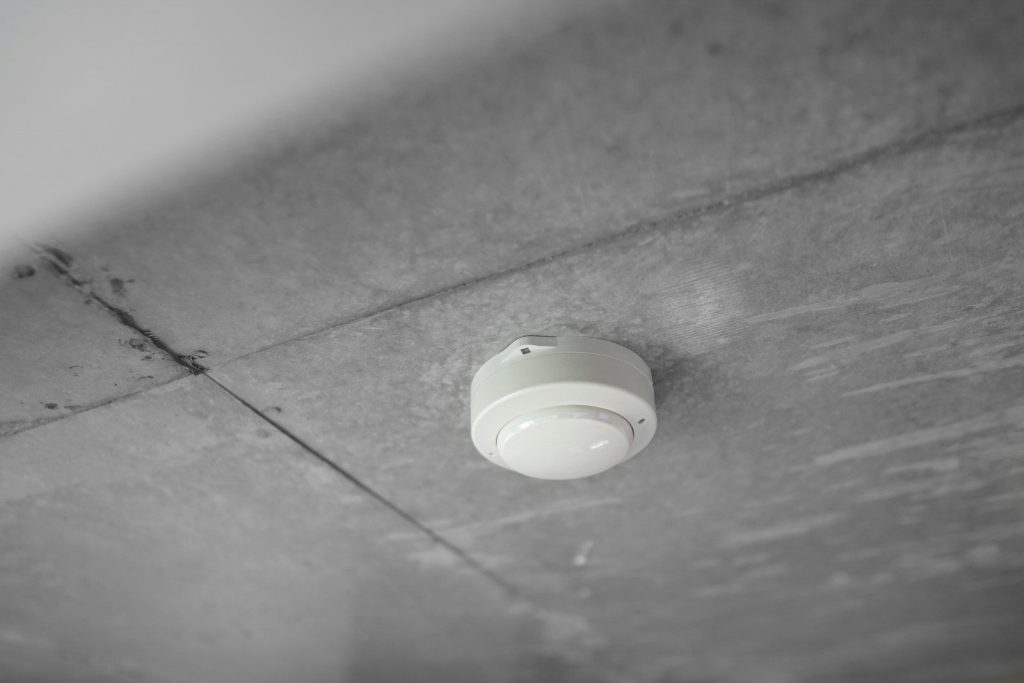
Smart smoke and carbon monoxide alarms can send alerts, but the most important feature is still reliable warning inside the home. Safety comes before app features.
The U.S. Fire Administration recommends interconnected smoke alarms so that when one sounds, they all sound. Smart features can be helpful, but proper placement, testing, and replacement matter most.
Matter makes setup easier
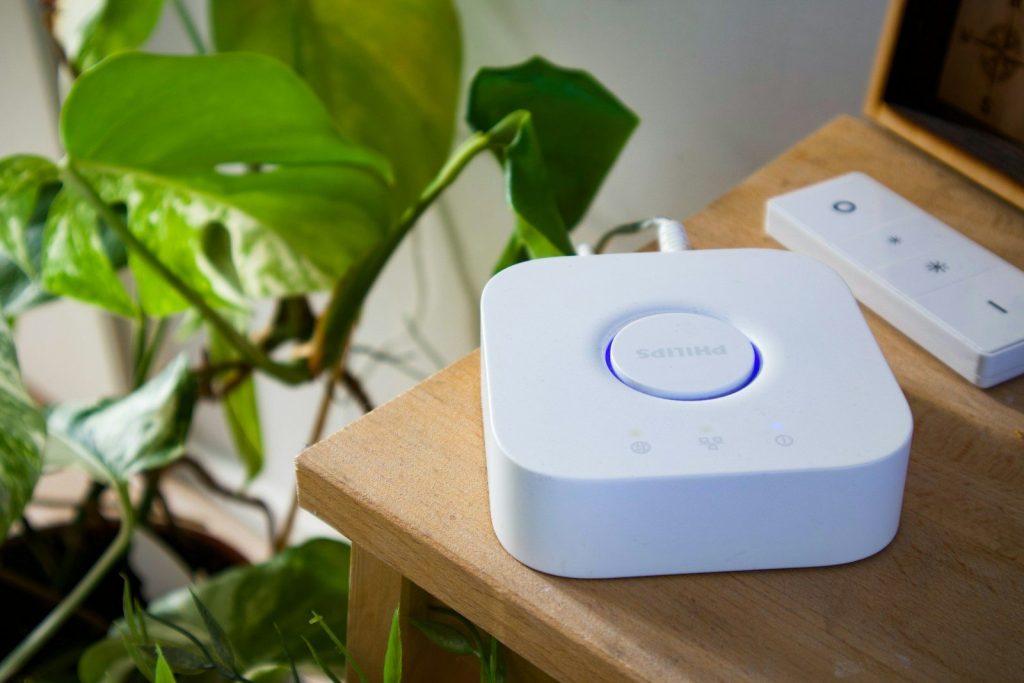
One problem with smart homes is that devices may not work well together. Matter is designed to reduce that confusion by helping products from different brands work across major smart home platforms.
This matters when you buy new gear over time. Choosing devices with broader compatibility can help your home grow without locking every room into one brand or app.
Leave a Reply