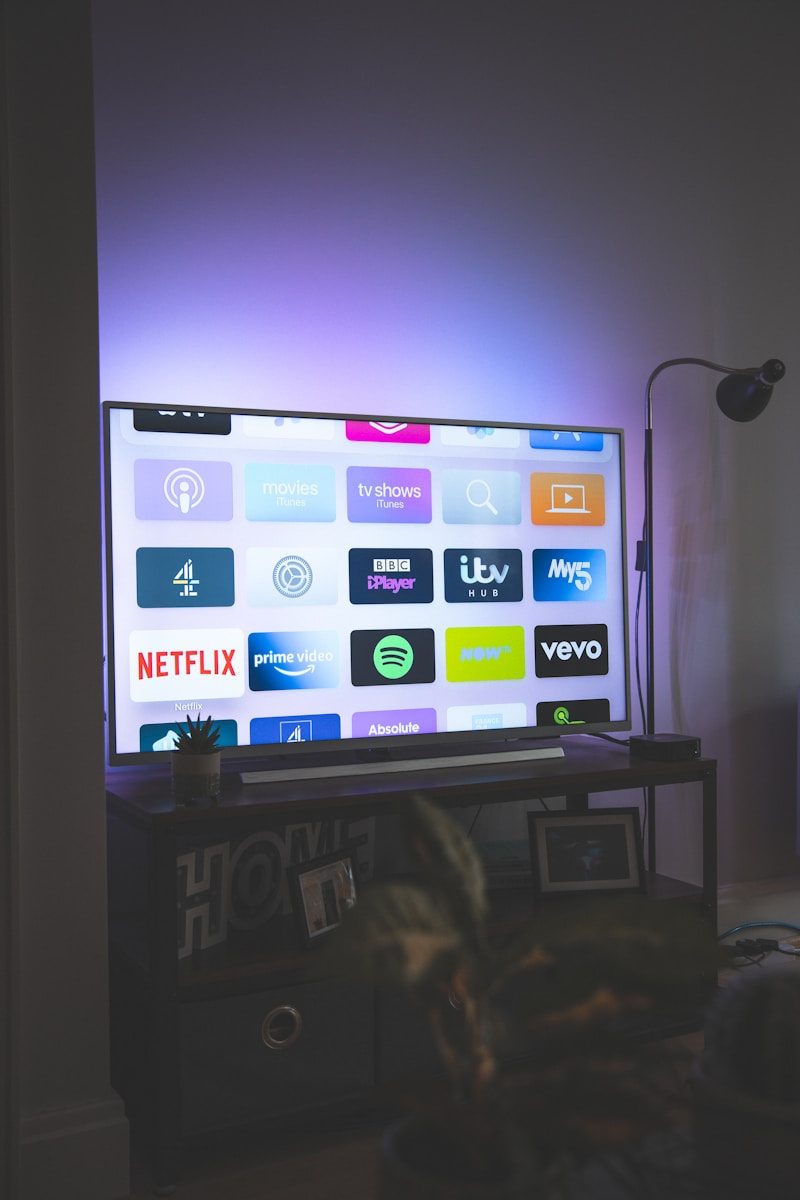
Your TV may look like the same big screen on the wall, but what happens behind that screen is changing fast. New smart TVs are starting to use AI for far more than simple voice search or show suggestions. They can adjust picture settings, improve sound, reduce menu digging, sharpen older videos, and make large screens feel more natural in different rooms.
Major TV brands are already building AI deeper into their latest models. LG says its AI TVs can optimize picture and sound based on content and environment, while Samsung has added AI-powered answer tools to some smart TV experiences. Sony and Panasonic also use advanced processors to analyze scenes and improve viewing quality in real time.
Your TV may know your taste
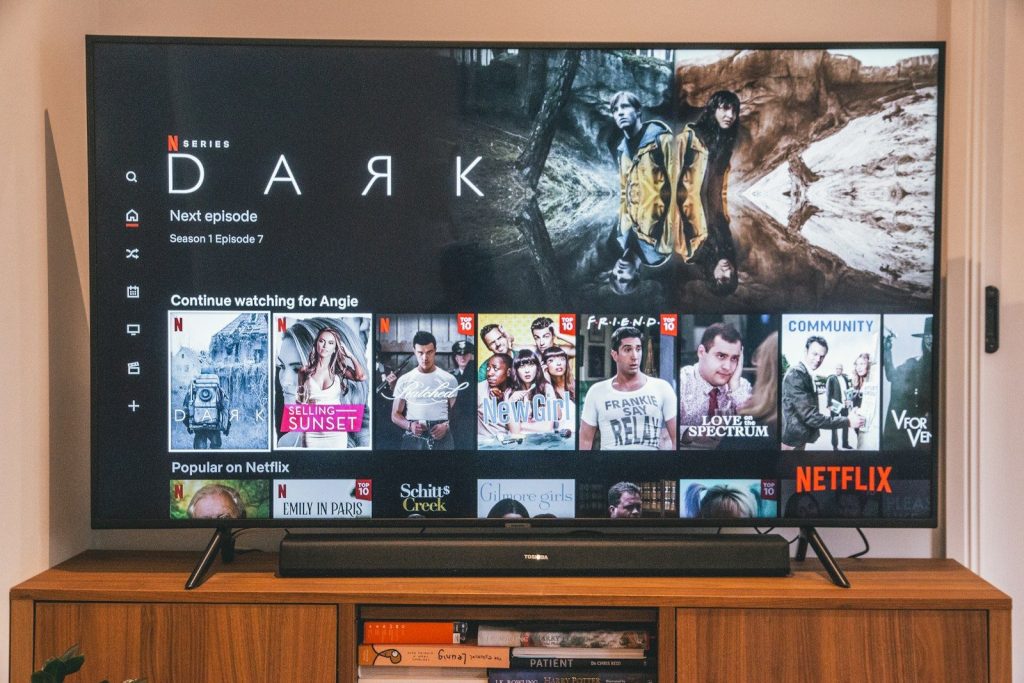
AI can study what you watch, when you watch it, and which apps you open most. Over time, the home screen may feel less random and more useful.
Instead of scrolling through endless rows, you may see shows, sports, games, or family-friendly picks that better match your habits. The goal is simple: less searching, more watching.
Picture settings may adjust alone
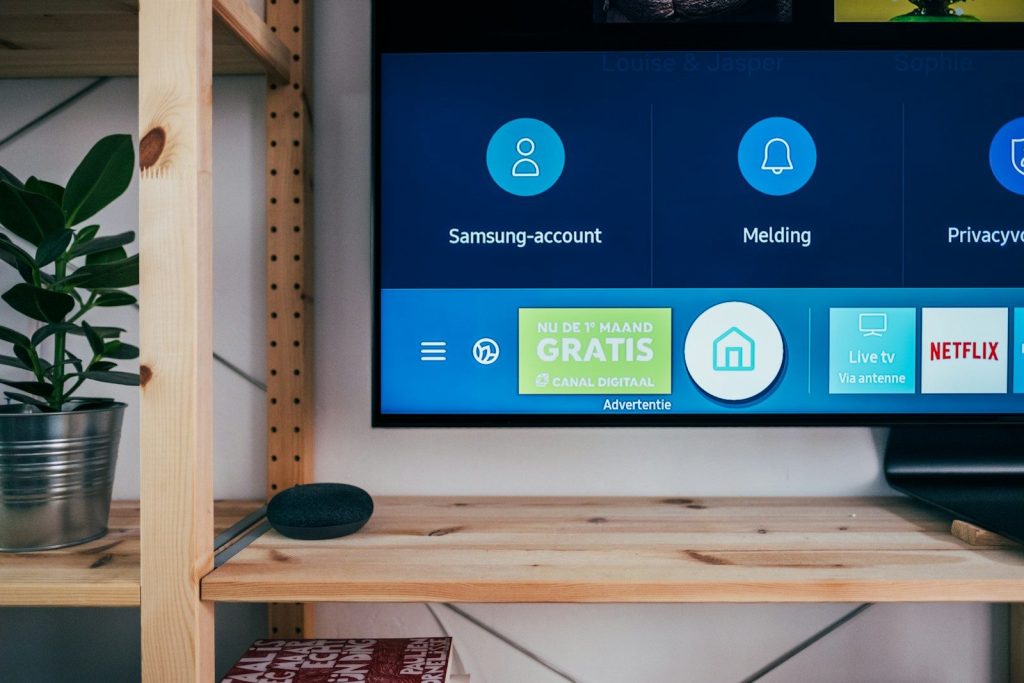
Many people never touch brightness, contrast, or color settings after buying a TV. AI can quietly handle those changes in the background.
A bright daytime room may need a different picture than a darker evening room. AI can adjust the screen based on lighting and the type of scene, so the image feels easier to watch.
Older videos could look sharper

Not everything you watch is made in the newest format. Older shows, lower-resolution streams, and online clips can look soft on today’s huge screens.
AI upscaling can help by studying each frame and filling in detail more smoothly. It cannot turn every old video into a perfect new one, but it can make many sources look cleaner.
Sound may fit each scene

TV sound is not always easy to hear. Dialogue can seem too quiet, while music and effects may feel too loud.
AI sound tools can balance voices, background noise, and action scenes more naturally. That can make dramas, live events, and family movie nights easier to enjoy without reaching for the remote every few minutes.
Voice search may get smarter

Voice controls used to feel limited. You had to say the right words, and the TV did not always understand what you wanted.
AI could make voice search feel more like a normal question. You may ask for a light comedy, a cooking video, or a movie with a certain actor, and get more useful results.
Big screens may feel smoother

As 85-inch and 100-inch TVs become more common, small picture flaws become easier to notice. Motion, sharpness, and lighting all matter more on a bigger screen.
AI can help manage fast movement in sports, games, and action scenes. It can reduce blur, sharpen key parts of the image, and make large-screen viewing feel more stable.
Gaming could feel more responsive

For gamers, a TV is not just for watching. Smooth motion, quick response, and steady frame rates can change how a game feels.
AI-powered performance tools may help adjust settings for gaming automatically. The TV can focus on lower delay, cleaner motion, and brighter detail, so players spend less time changing menus.
The remote may matter less
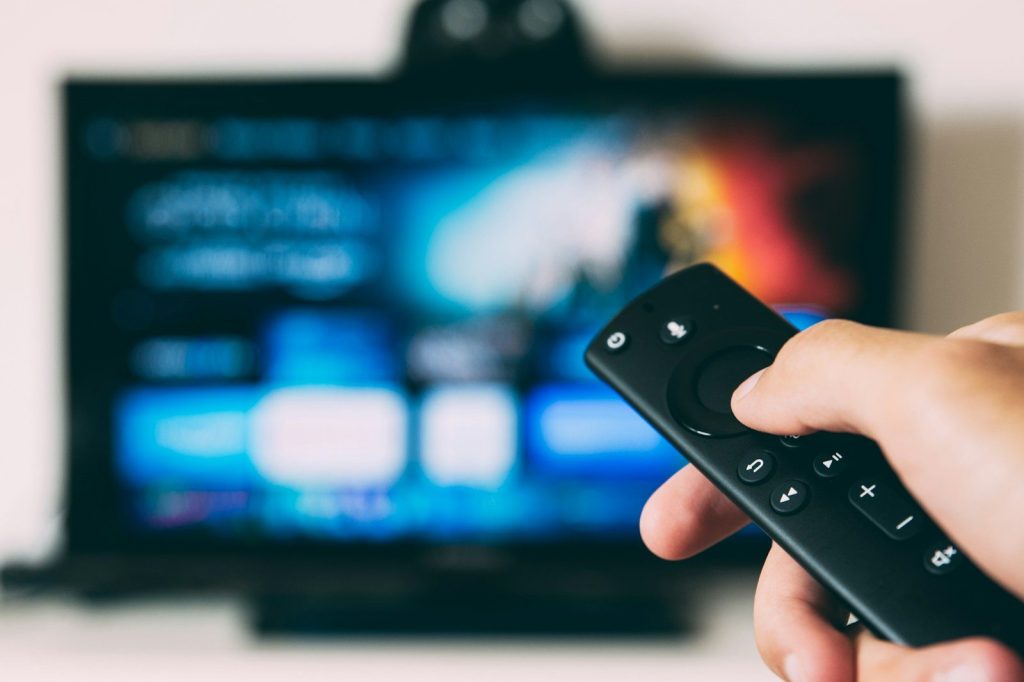
The remote is still useful, but AI may make it less central. Smart TVs are getting better at voice control, app shortcuts, and connected home features.
That means you may be able to change settings, find content, or control nearby devices with fewer clicks. The TV becomes less like a screen and more like a living room control hub.
Answers may appear on screen
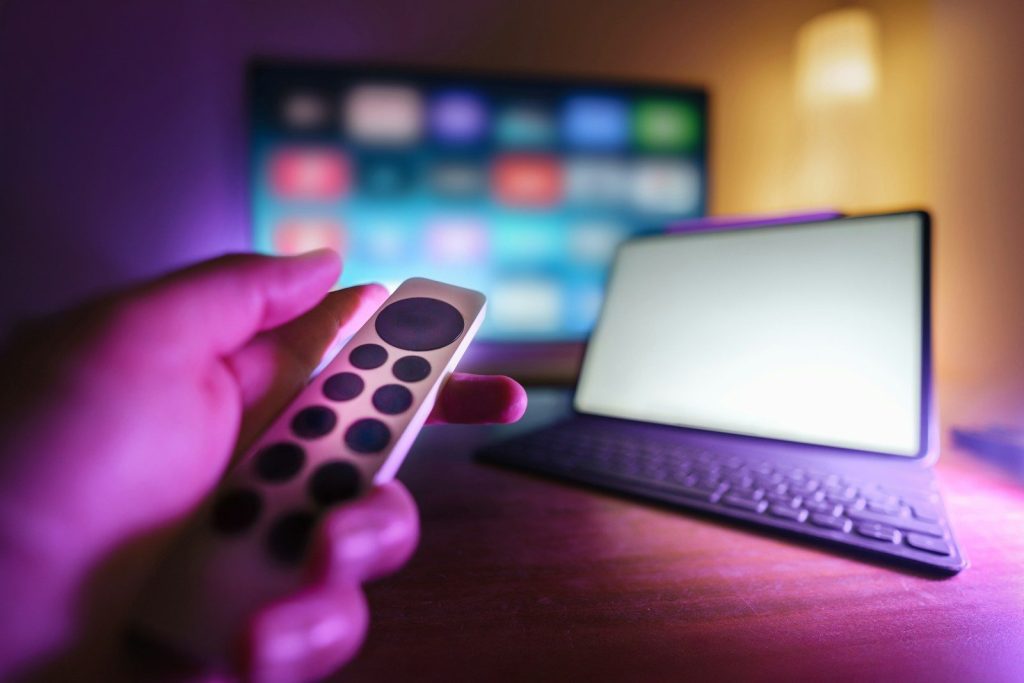
Some TVs are starting to bring AI answer tools directly to the big screen. That could help with quick questions while watching, planning, or searching.
For example, a viewer might ask about a movie, a travel idea, or a recipe and see a clear answer card on the TV. It keeps the experience in one place instead of reaching for another device.
Privacy choices will matter
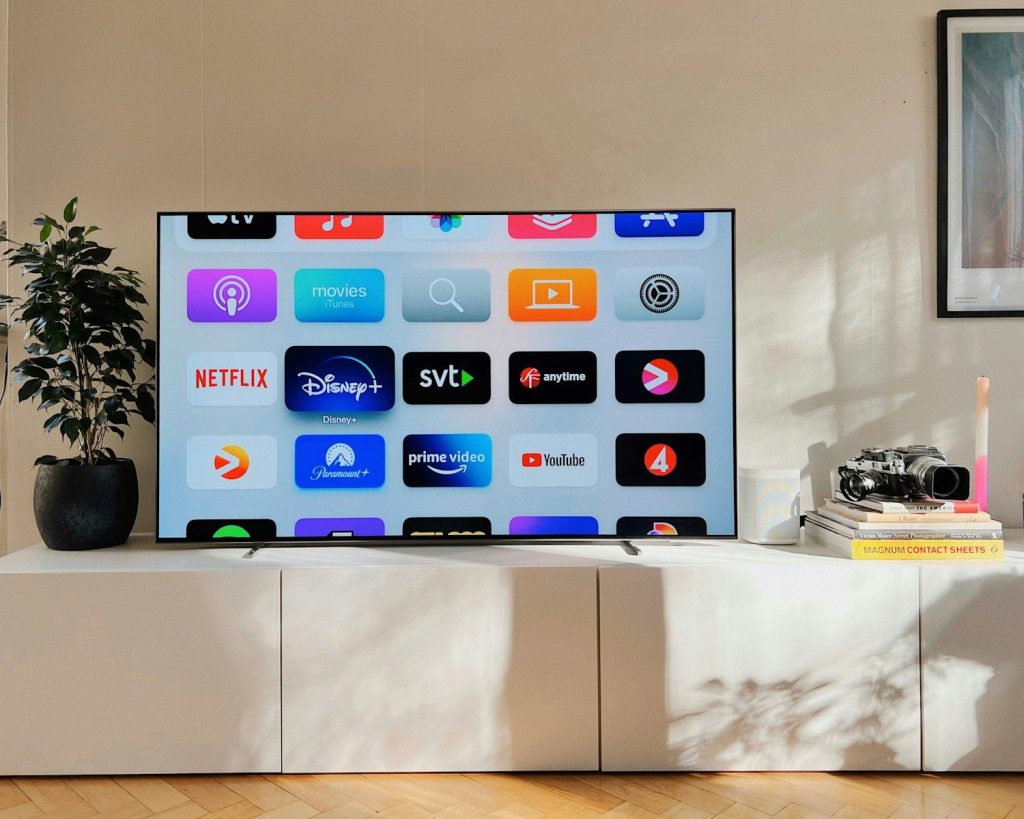
Smarter TVs often depend on data, including viewing habits, voice commands, and app activity. That makes privacy settings more important than ever.
Families should check what data is collected, which features are turned on, and whether voice tools are needed. AI can make TV easier, but users still deserve clear control over their own settings.
Leave a Reply