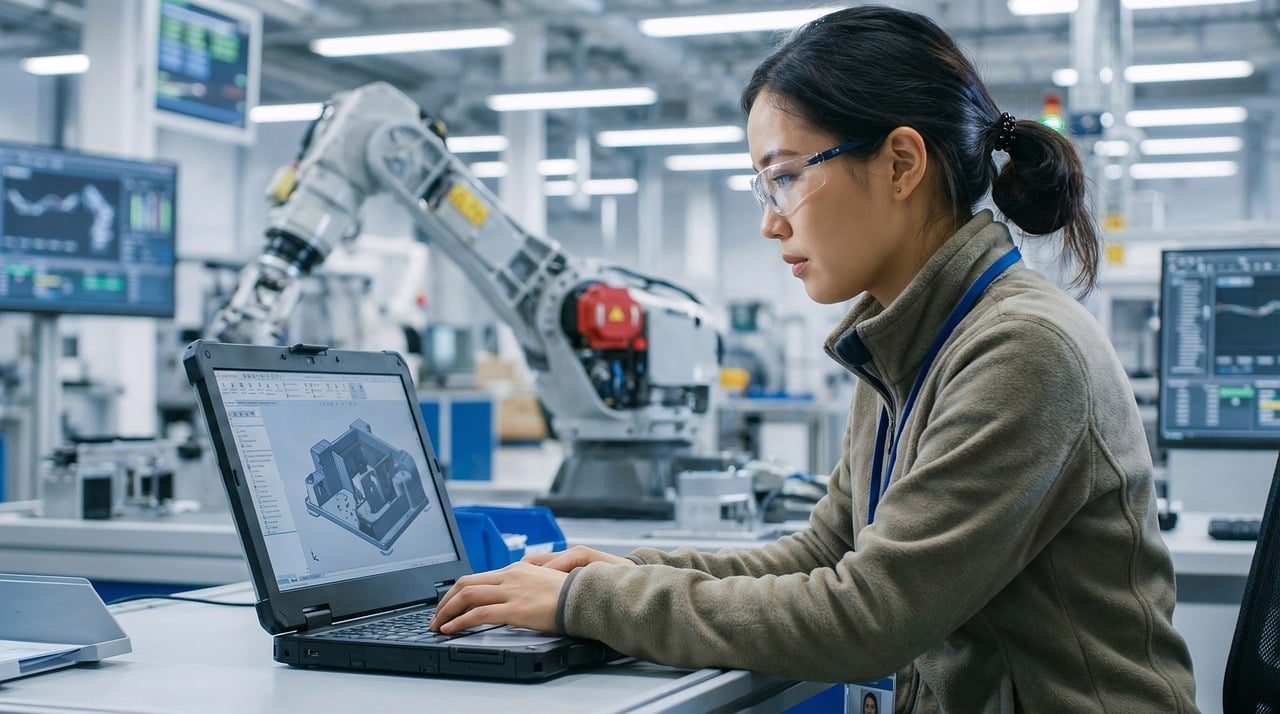
The age of the “human-powered” factory is officially over. In 2026, a new type of manufacturing has arrived: the Millions-Sensing Autonomous Smart Factory. These facilities don’t just use robots; they are robots. Every square inch of the building is embedded with sensors that track everything from the temperature of the air to the microscopic vibrations of a moving gear. These sensors allow the factory to “feel” its own production lines in real-time.
A human worker takes years to learn the “rhythm” of a machine. These factories learn it in seconds. They can detect a defect that is thinner than a human hair and fix it without stopping the line. This level of precision and speed means that human laborers simply can’t compete. We are seeing the birth of “Dark Factories,” where the lights are turned off because the machines don’t need to see to work. It is a total transformation of how things are made. But what happens to the products once the robots are finished? Wait until you see the “digital twin” that knows your purchase before you do.
Millions of Sensors in Every Wall
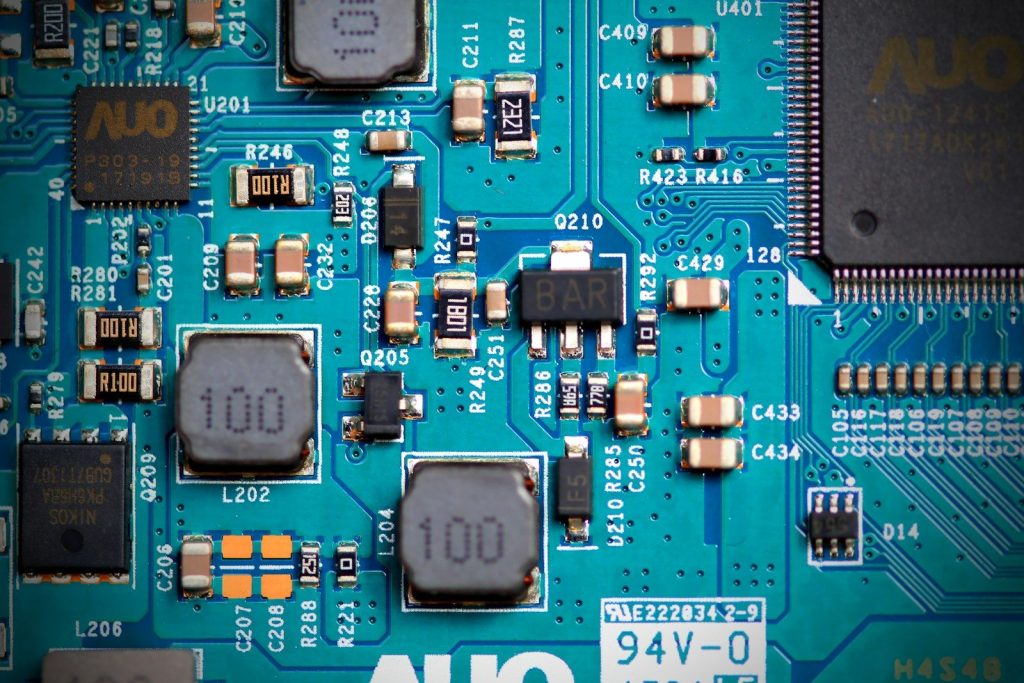
In a traditional factory, a human might check a machine once an hour. In a smart factory, the sensors check it 10,000 times a second. These sensors track light, sound, heat, and even the chemical makeup of the air. This massive stream of data is fed into a central brain that makes instant adjustments. If a motor gets too hot, the AI slows down the line for five seconds to let it cool, then speeds it back up. It is a level of “biological” self-care for machines. But who is actually watching the sensors?
The Rise of the Digital Twin
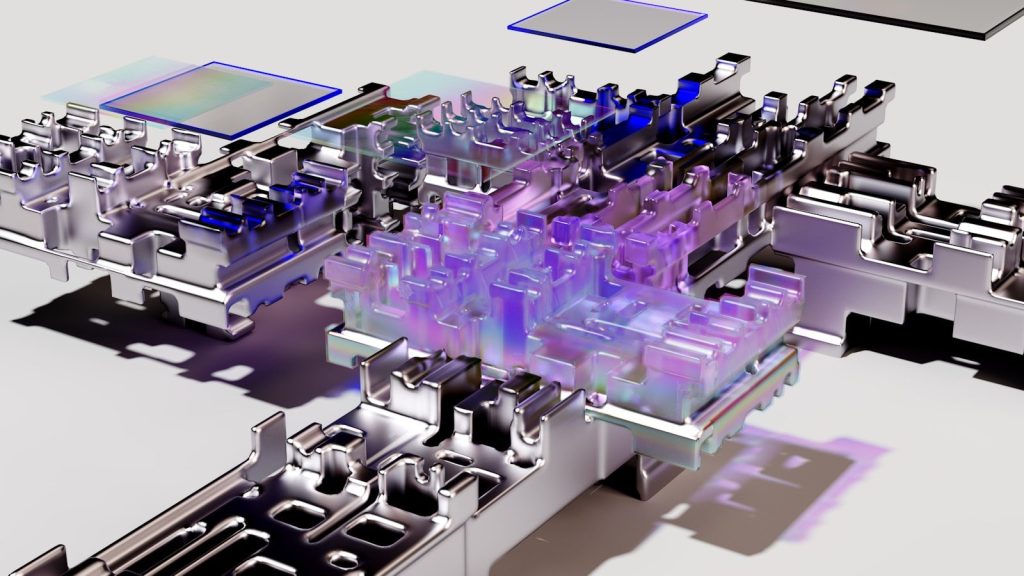
Every smart factory has a “Digital Twin.” This is a perfect 3D simulation of the factory that exists only in a computer. The AI uses the digital twin to test new ideas without ever stopping the physical machines. It can simulate a year of production in just a few minutes to find the best way to save energy. This allows the factory to evolve and get faster every single day. Humans are no longer the builders; they are the designers of the simulation. But wait until you see the speed of the “Robot Swarm.”
Robots That Talk to Each Other
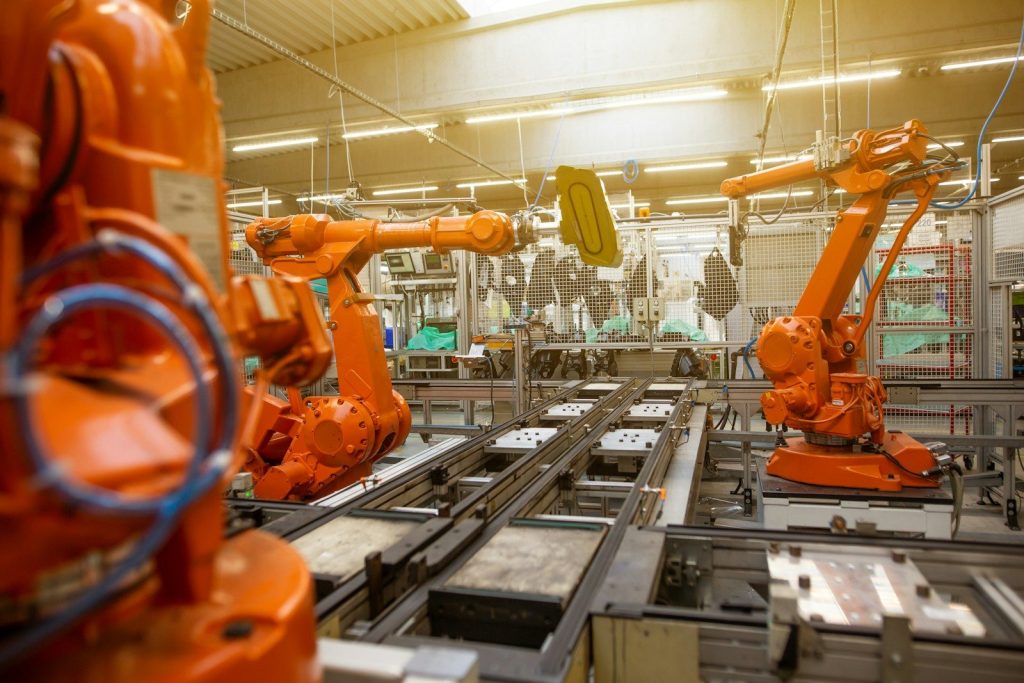
In the old days, robots were bolted to the floor and didn’t talk to their neighbors. Today, “Swarm Robots” move freely through the smart factory. They coordinate their movements like a flock of birds, never bumping into each other. If one robot finds a faster way to move a box, it tells the entire swarm instantly. This “collective intelligence” makes the factory nearly impossible to stop. If one robot breaks, the others simply adjust their paths to cover the gap. But is there a hidden cost to all this speed?
The End of the Low-Skill Job

The most shocking part of the autonomous revolution is the job loss. Low-skill roles like packing, sorting, and monitoring are vanishing overnight. Companies can produce twice as many goods with 90 percent fewer people. This is creating a “social engineering” crisis that governments aren’t ready for. We are moving from a world of “making things” to a world of “managing the things that make things.” It is a massive shift in human purpose. But what happens when the machines make a mistake?
The Fear of the Algorithmic Error
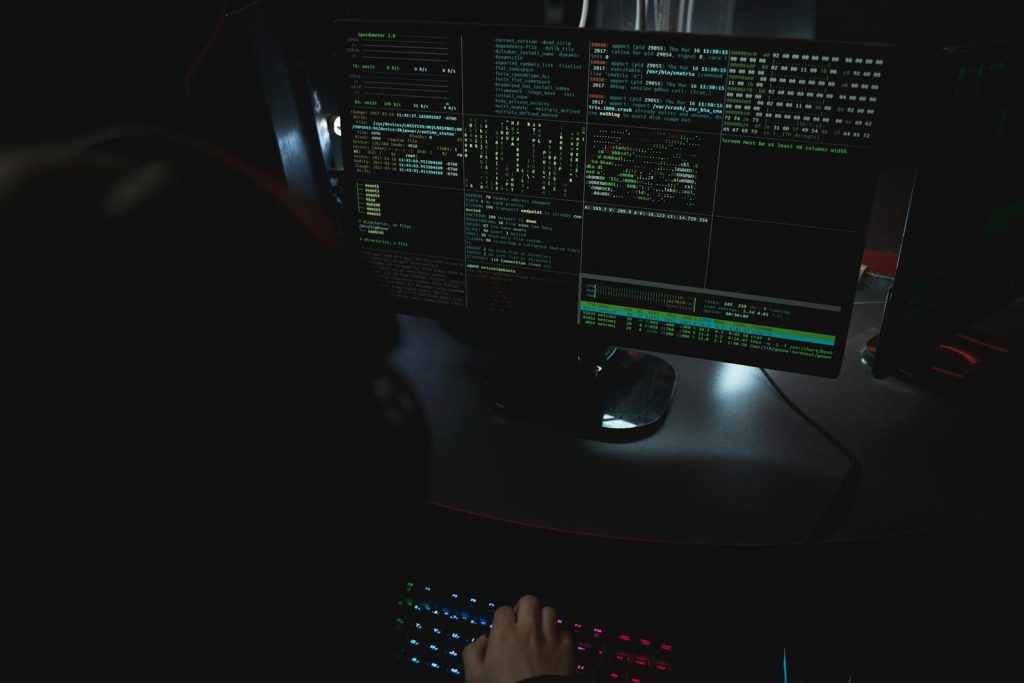
If an AI manager makes a mistake in its logic, it can produce thousands of defective products in minutes. Because the line moves so fast, a tiny “glitch” can lead to a multi-million dollar recall before a human even notices. This is the danger of “Total Autonomy.” We are giving up control for the sake of speed, and we have to trust that the code is perfect. It is a high-stakes game of digital trust. But wait until you see the next slide about how these factories are now building our own homes.
Printing Cities in the Dark
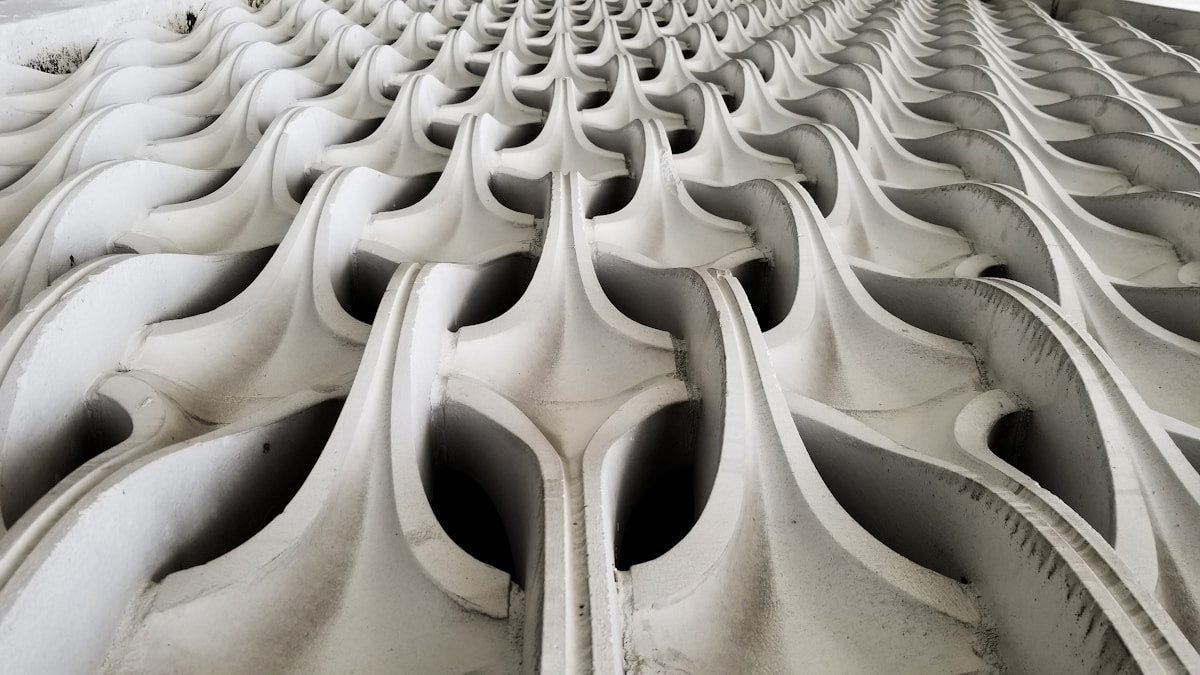
The logic of the smart factory is moving onto the construction site. We are now seeing autonomous “Builders” that can 3D-print an entire house in just 24 hours. These machines work in the dark, through rain or snow, with perfect precision. They follow the same sensor-driven logic as the factory, ensuring that every brick is perfectly placed. This could solve the global housing crisis, but it also means the “smart” materials they use carry a dangerous secret. Are you ready for the smart brick hazard?
The Final Verdict on Human Labor
We have reached the end of the manual era. The smart factory is a reminder that human ingenuity is our greatest strength, but our physical labor is becoming obsolete. The world is getting faster, cleaner, and more efficient, but it is also getting more mysterious. We are building a world we no longer need to touch. Stay curious, because the next big discovery is already hitting the news. Are you ready for the “Smart Bricks” that are turning homes into electrical hazards?
Leave a Reply