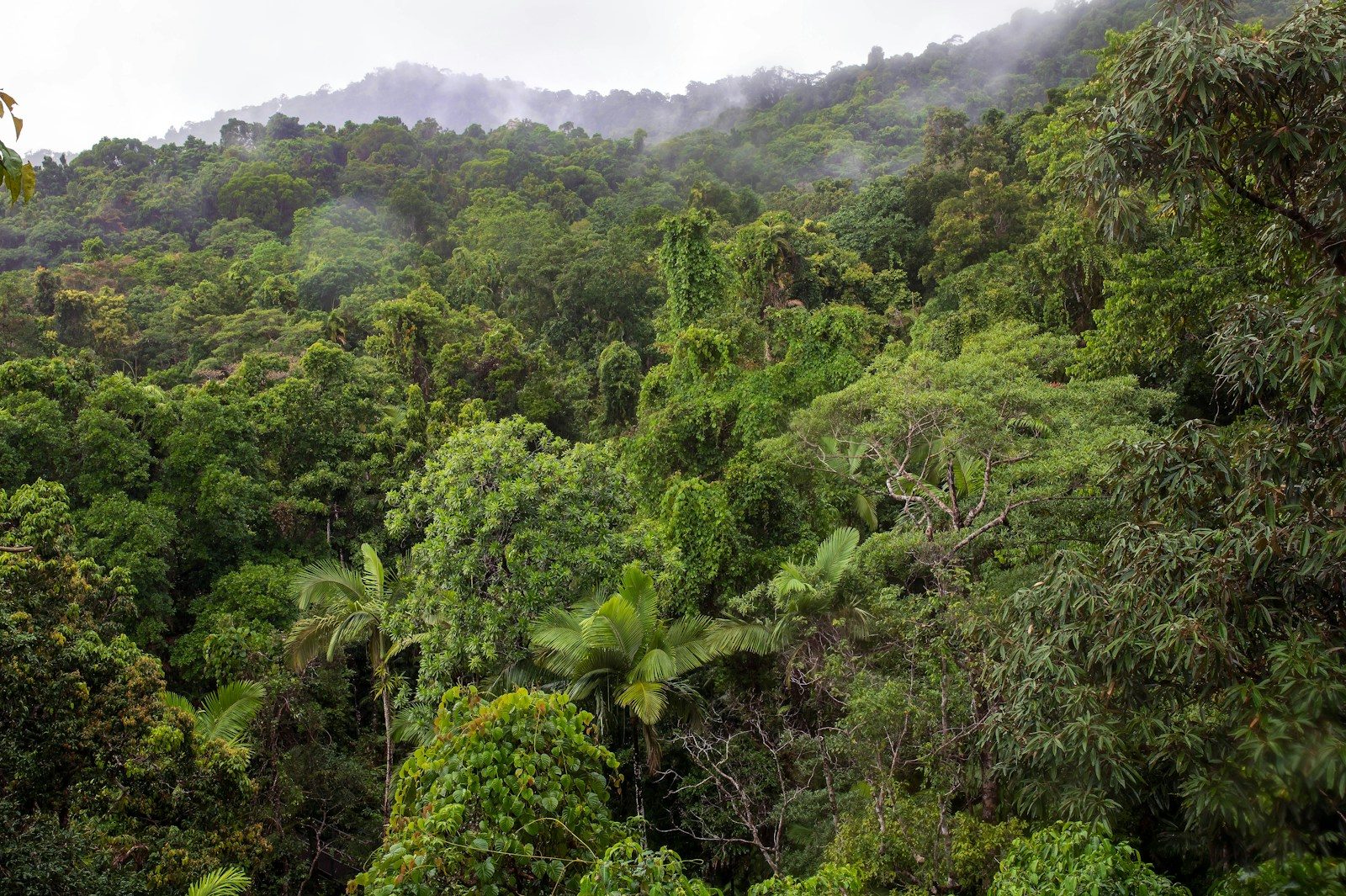
Tropical forests are some of the most crowded and colorful places on Earth, but they are also some of the hardest to explain. In one small patch, scientists may find an amazing mix of trees, insects, birds, fungi, and animals all living side by side. That kind of variety has puzzled researchers since Darwin’s time.
The big question is simple: why does no single species take over? Instead, tropical forests somehow make room for countless rare species, many of them scattered far apart.
Scientists now think the answer may involve climate, history, competition, and even the insects and diseases that attack young trees. The deeper researchers look, the more these forests reveal a hidden system of balance, survival, and mystery.
A mystery Darwin noticed
Tropical forests can feel like nature turned the volume all the way up. There are more trees, animals, insects, and plant types packed into these warm places than most people expect.
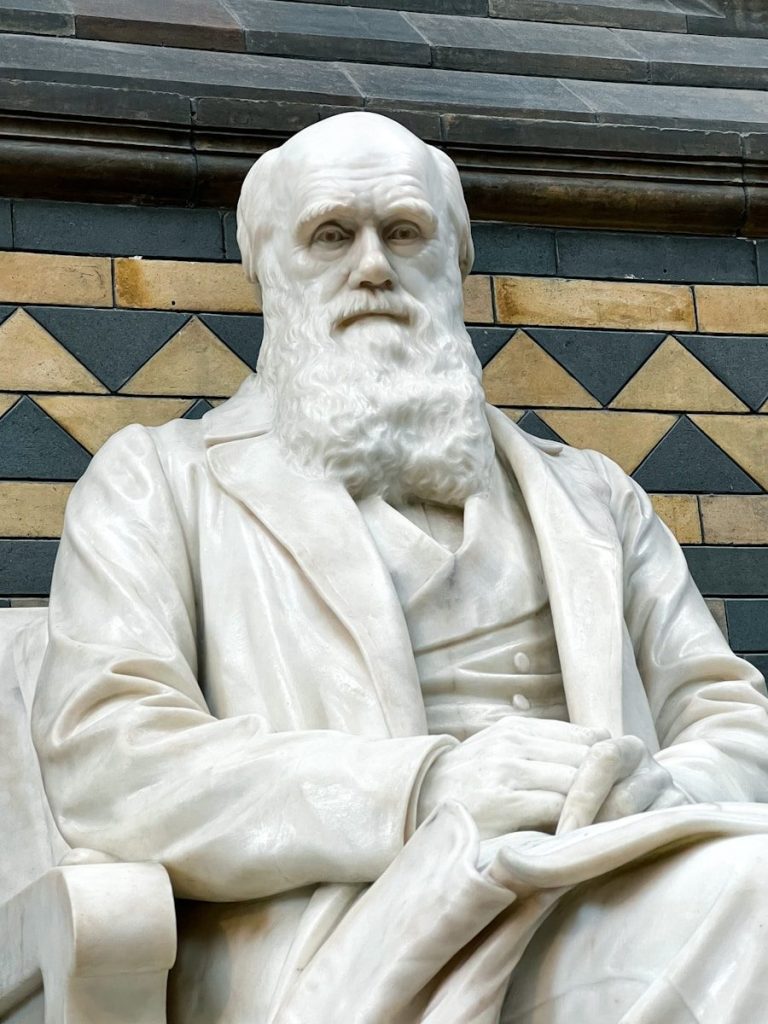
That mystery goes back a long way. Charles Darwin noticed the rich variety of life in tropical regions during his voyage on the HMS Beagle, and scientists have been trying to explain it ever since.
So many species, so little space
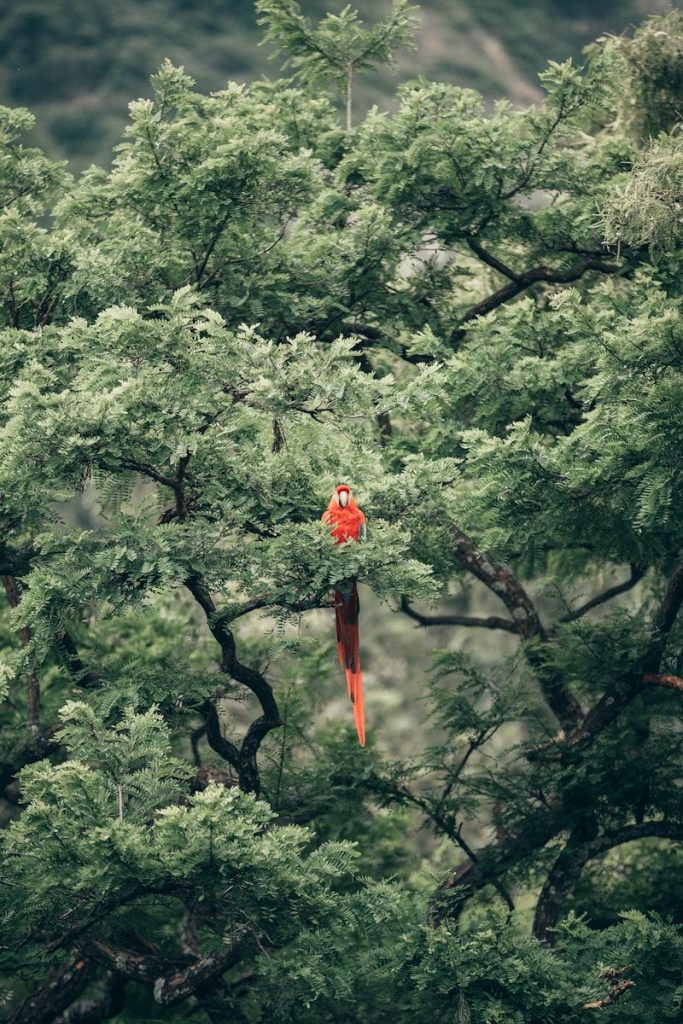
One big question has always bothered researchers: How can so many species live so close together without a few taking over everything?
In many cooler forests, large areas may be dominated by the same kind of tree. In tropical forests, many species can be rare, scattered, and hard to find, yet they still survive generation after generation.
Rare trees find a way
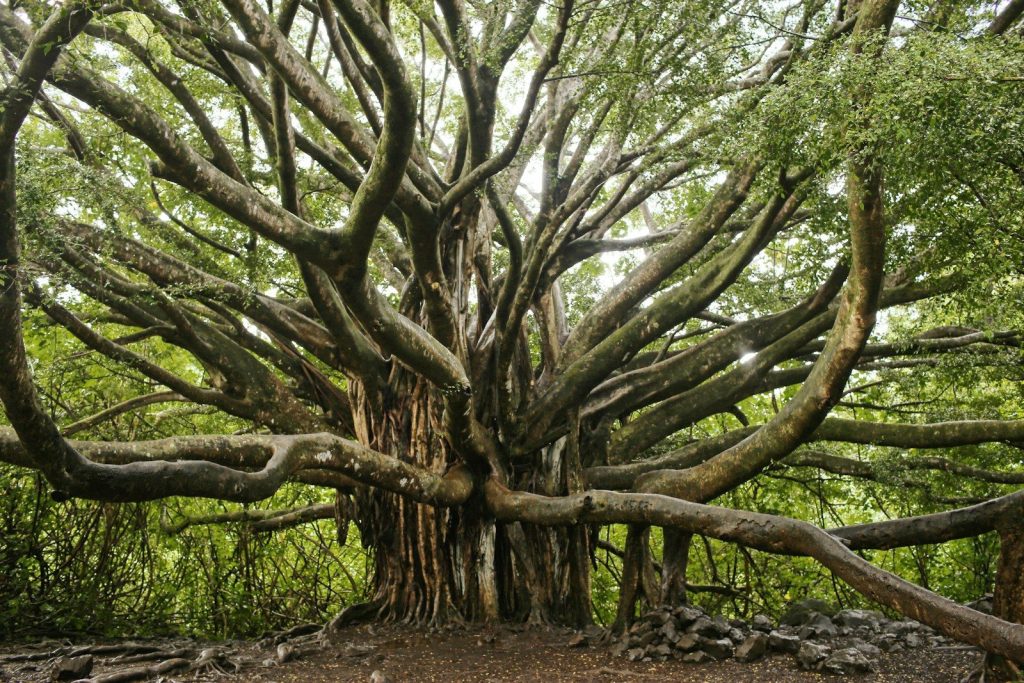
Tropical forests are full of tree species that may not have many close neighbors of their own kind. That might sound risky, but it can actually help them survive.
When young trees grow too close to their parent trees, they may face more danger from enemies that target that same species. Growing farther away gives seedlings a better chance to escape those threats.
Nature’s enemies can help
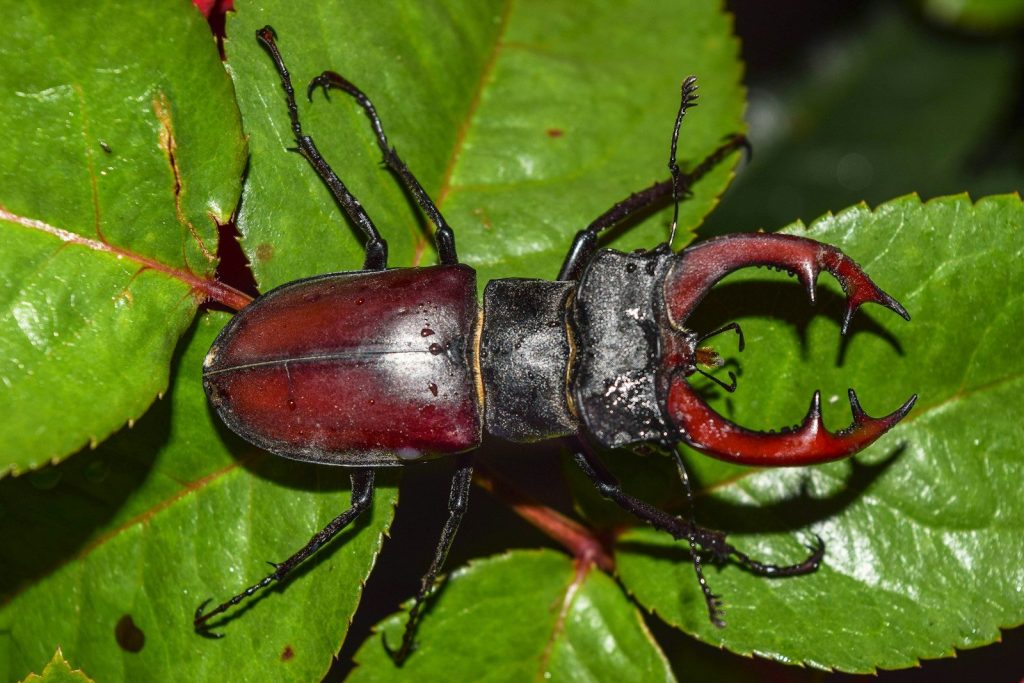
Scientists Daniel Janzen and Joseph Connell suggested that natural enemies may help explain tropical forest diversity. These enemies can include insects, plant diseases, seed eaters, or animals that feed on young plants.
That sounds bad for trees, but it can help balance the forest. When one species becomes too crowded, its enemies may slow it down, giving other species room to survive.
Big data brought answers

For years, scientists could test this idea only in smaller local studies. The bigger challenge was proving whether the same pattern appeared in forests around the world.
Researchers later used data from a global forest network to study millions of trees. They compared forests across different regions and examined where adult and young trees were growing.
The pattern became clearer

The research found an important clue. In places with many adult trees of one species, there were often fewer young trees of that same species nearby.
This pattern was stronger in tropical forests than in cooler regions. It suggests that young tropical trees may need distance from their own kind to avoid the enemies that gather around adult trees.
Tiny battles shape forests
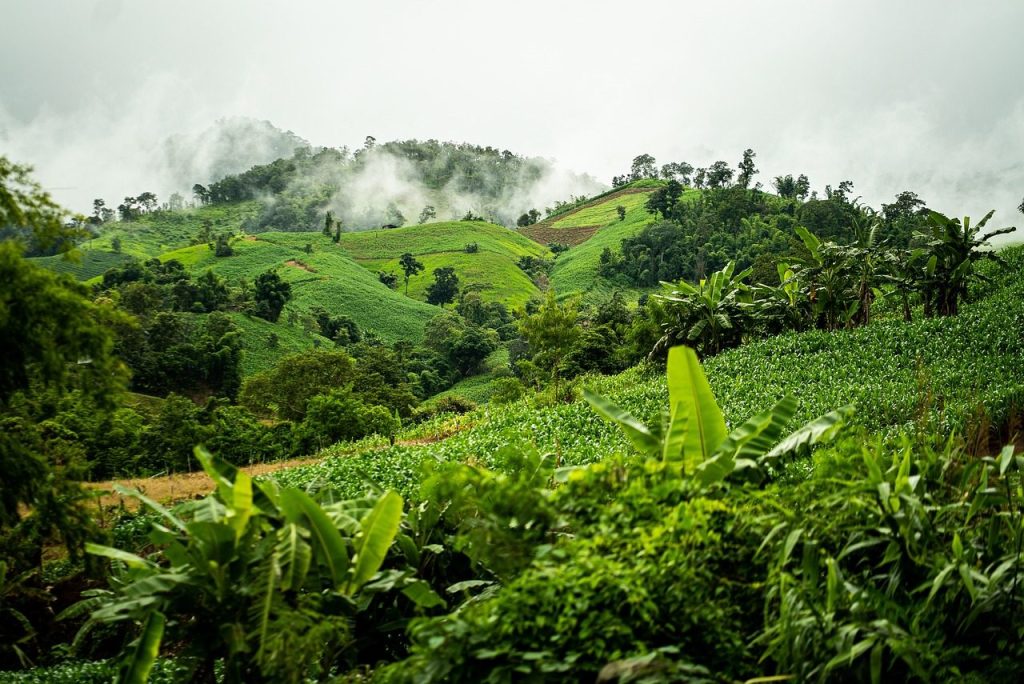
A tropical forest may look peaceful, but many small struggles are happening all the time. Seedlings are competing for space, light, water, and safety.
The surprising part is that these tiny interactions can help shape huge global patterns. What happens within just a few yards of a single tree may help explain why tropical forests harbor so much life.
Climate may play a role
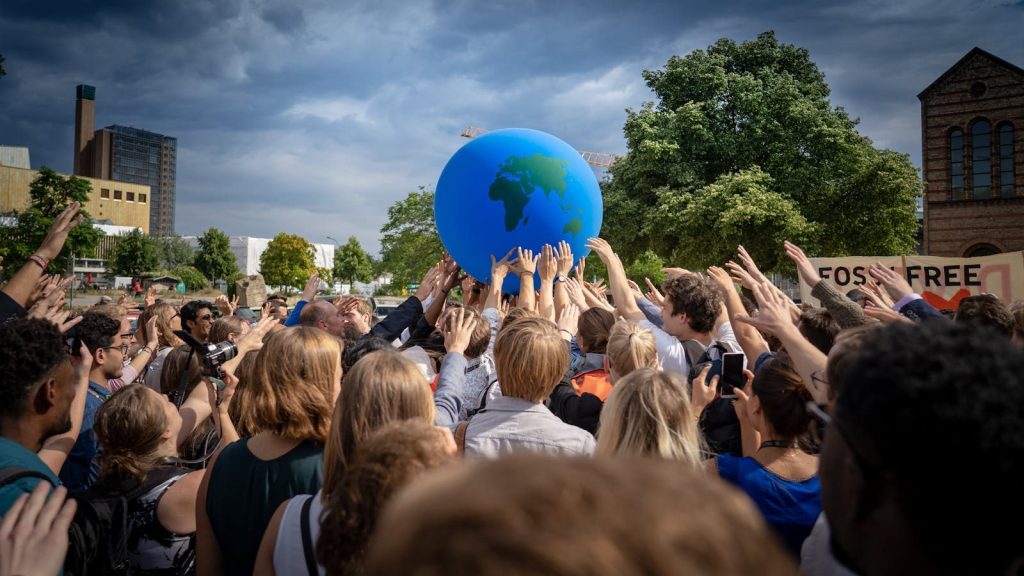
Tropical regions have had more stable climates over long periods of time than many colder regions. That stability may have allowed more species to form and survive.
Cooler areas have faced major changes, including ancient ice sheets that reshaped large parts of the land. Tropical forests avoided many of those disruptions, which may be one reason their biodiversity stayed so rich.
Forests cool the planet
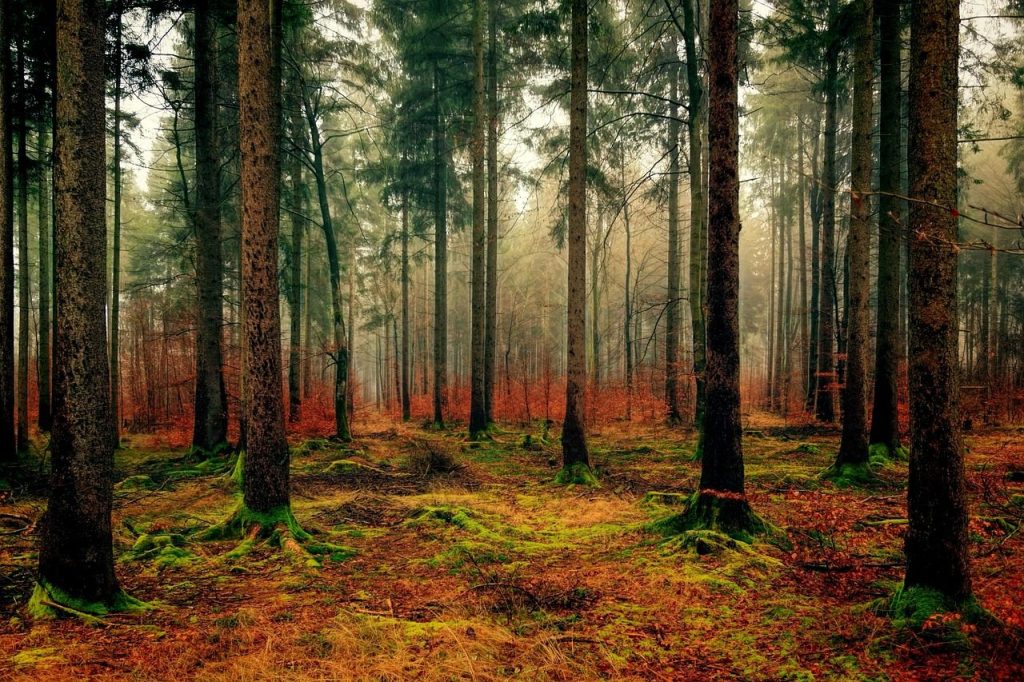
Tropical forests do more than hold rare plants and animals. They also help cool the Earth, support rainfall, clean the air, and protect people and crops from extreme heat.
Trees absorb carbon dioxide, release moisture, and help clouds form. Their value goes far beyond their beauty, because healthy forests help keep local and global climates more livable.
The puzzle is not over

Scientists now understand more about why tropical forests are so diverse, but the full story is still not finished. Climate, species interactions, history, and forest structure may all work together.
That is why tropical forests still puzzle scientists. They are not just crowded green places. They are living systems where small details can shape life across the planet.
Leave a Reply