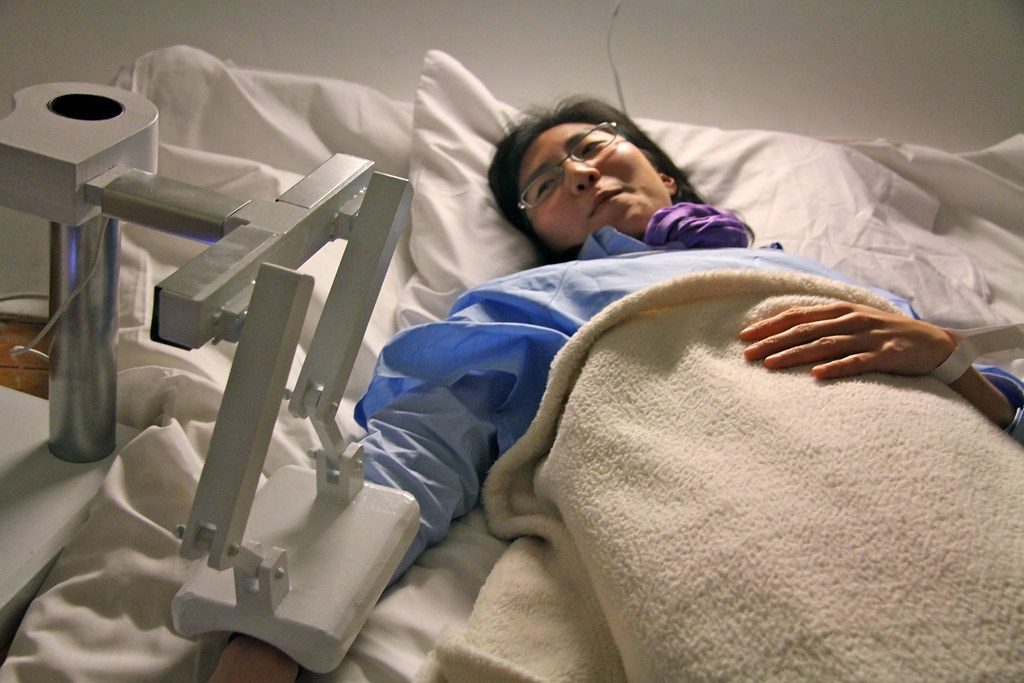
Health care may not suddenly look like science fiction in 2026, but AI could still change the experience in ways patients notice. The biggest shifts may happen quietly, from shorter paperwork time to smarter follow-ups and better-organized medical records.
Instead of replacing doctors and nurses, AI is more likely to work in the background as a helper. It can sort information, flag possible concerns, support remote care, and make busy health systems run more smoothly. The real test will be whether these tools save time, protect patient privacy, and keep humans at the center of care.
Care may feel more personal
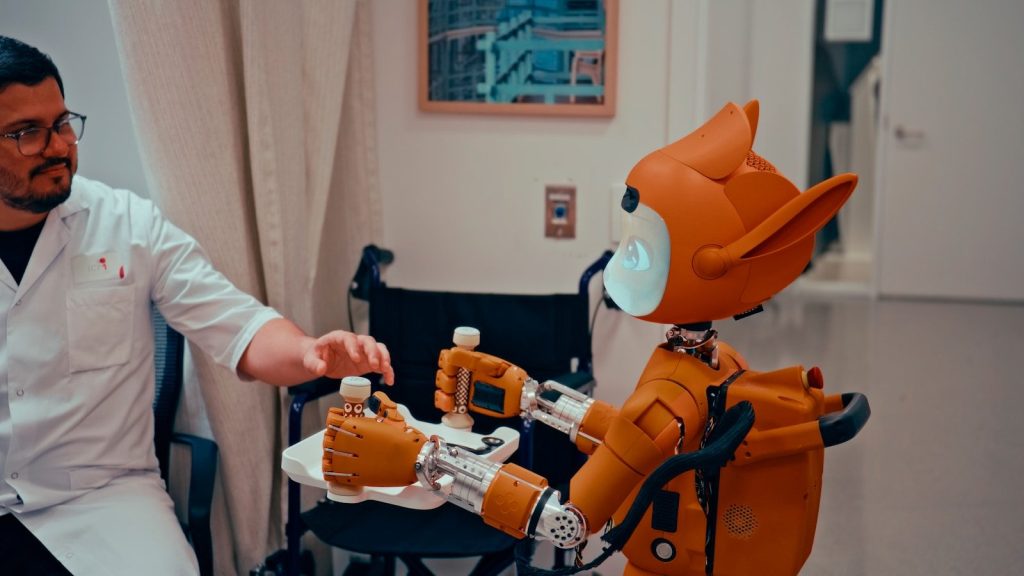
A doctor visit could start changing before you even walk into the room. Health systems are using AI to better organize patient records, spot patterns, and help care teams understand what a person may need next.
That does not mean machines are replacing doctors. The stronger idea is support. AI can help connect details from records, lab results, imaging, and home health data so clinicians can make faster, better-informed decisions.
Paperwork may shrink

One of the biggest changes may happen quietly during appointments. Ambient AI scribes can listen during a visit and create draft clinical notes, which may reduce the time doctors spend typing after seeing patients.
That could matter for both doctors and patients. Less paperwork may give clinicians more time to listen, explain, and focus on care. These tools still need careful review because accuracy, consent, and privacy remain important.
Wearables may do more

Smartwatches, rings, patches, and home devices are becoming more useful for health tracking. AI can help review this steady stream of information and flag changes that might deserve attention.
This could support people with ongoing health needs, recovery after a hospital stay, or routine wellness goals. The goal is not to panic users with every small change, but to help care teams notice meaningful patterns sooner.
Remote care gets smarter
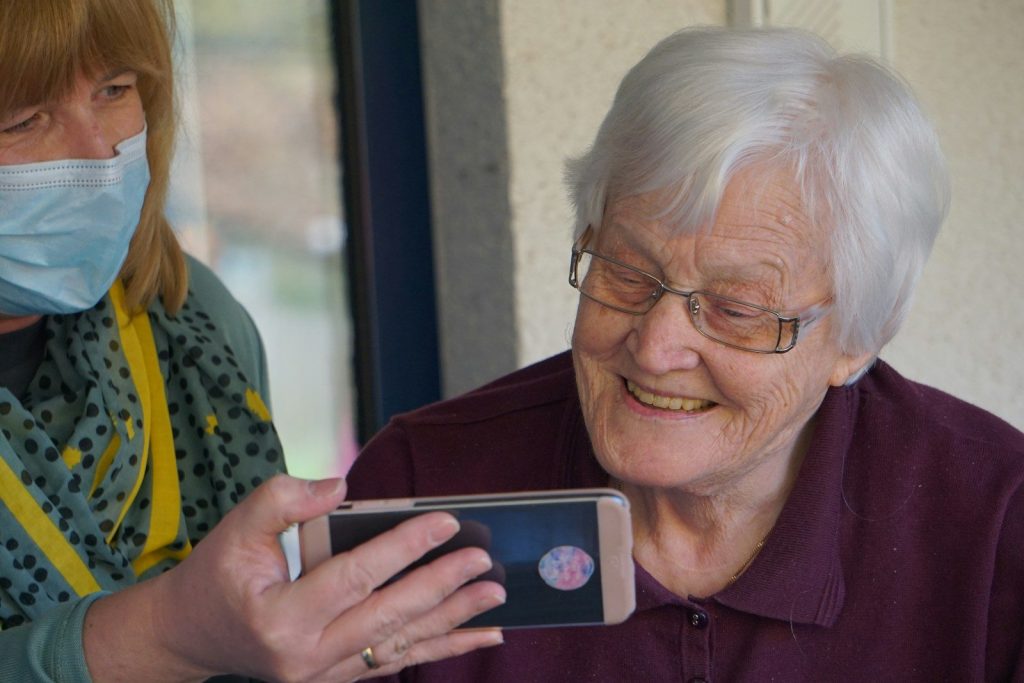
Virtual care is moving beyond simple video visits. AI can help sort messages, support remote monitoring, and alert care teams when a patient’s data may need a closer look.
That can make care feel more connected between appointments. For people who live far from a clinic or need regular check-ins, smarter remote tools may help reduce delays and make follow-up care easier to manage.
Doctors get better support

AI can help clinicians review images, organize symptoms, compare records, and find useful medical information faster. Used well, it works like a helper that brings important details to the surface.
The human role still matters most. Doctors, nurses, and specialists must decide what the information means for each patient. AI can support judgment, but it should not replace professional care or patient-specific medical advice.
Prevention may move earlier

Health care has long focused on treating problems after they appear. AI may help shift more attention toward spotting risks earlier, especially when it combines records, lab results, lifestyle data, and monitoring tools.
That could help care teams recommend earlier checkups, lifestyle changes, or follow-up testing when appropriate. The best use is careful and practical: giving clinicians better signals before a small issue turns into a bigger one.
Drug research may speed up

AI is also changing the research side of health care. Scientists can use advanced models to study molecules, compare possible drug targets, and test ideas in digital simulations before moving deeper into development.
This does not make new medicines instant. Research still needs lab testing, clinical trials, safety review, and regulatory approval. But AI may help researchers choose stronger ideas earlier and reduce wasted time.
Hospitals may run smoother

AI can help hospitals manage everyday pressure points, such as scheduling, patient flow, bed planning, staffing needs, and supply use. These behind-the-scenes changes may not sound exciting, but they can affect the care experience.
When operations run better, patients may face fewer delays and staff may spend less time fighting messy systems. Strong health care AI is not only about diagnosis. It is also about making hospitals easier to run.
Trust will matter most

As AI moves deeper into health care, trust becomes a major test. Patients need to know their data is protected, tools are checked for accuracy, and people remain responsible for important decisions.
Health systems will need strong rules for privacy, security, testing, and transparency. The technology may be powerful, but it only works well when patients and clinicians feel safe using it.
Humans stay at the center
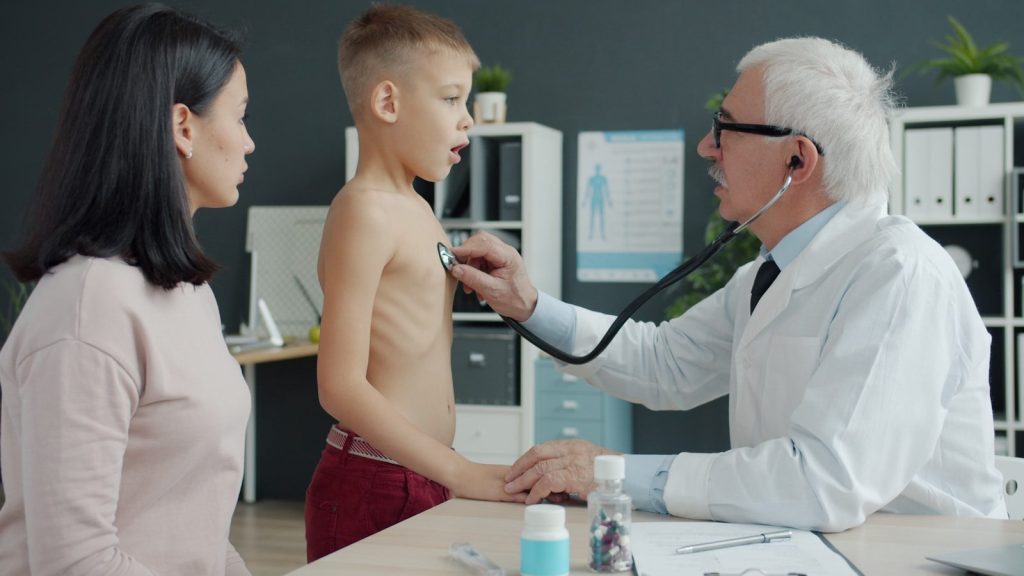
The most useful AI in health care will likely be the kind people barely notice. It may write draft notes, organize records, flag risks, or speed up routine work while doctors and nurses stay focused on patients.
That is the real promise for 2026. AI may not transform every part of medicine overnight, but it can make care more organized, timely, and personal when it is used with care, oversight, and common sense.
Leave a Reply