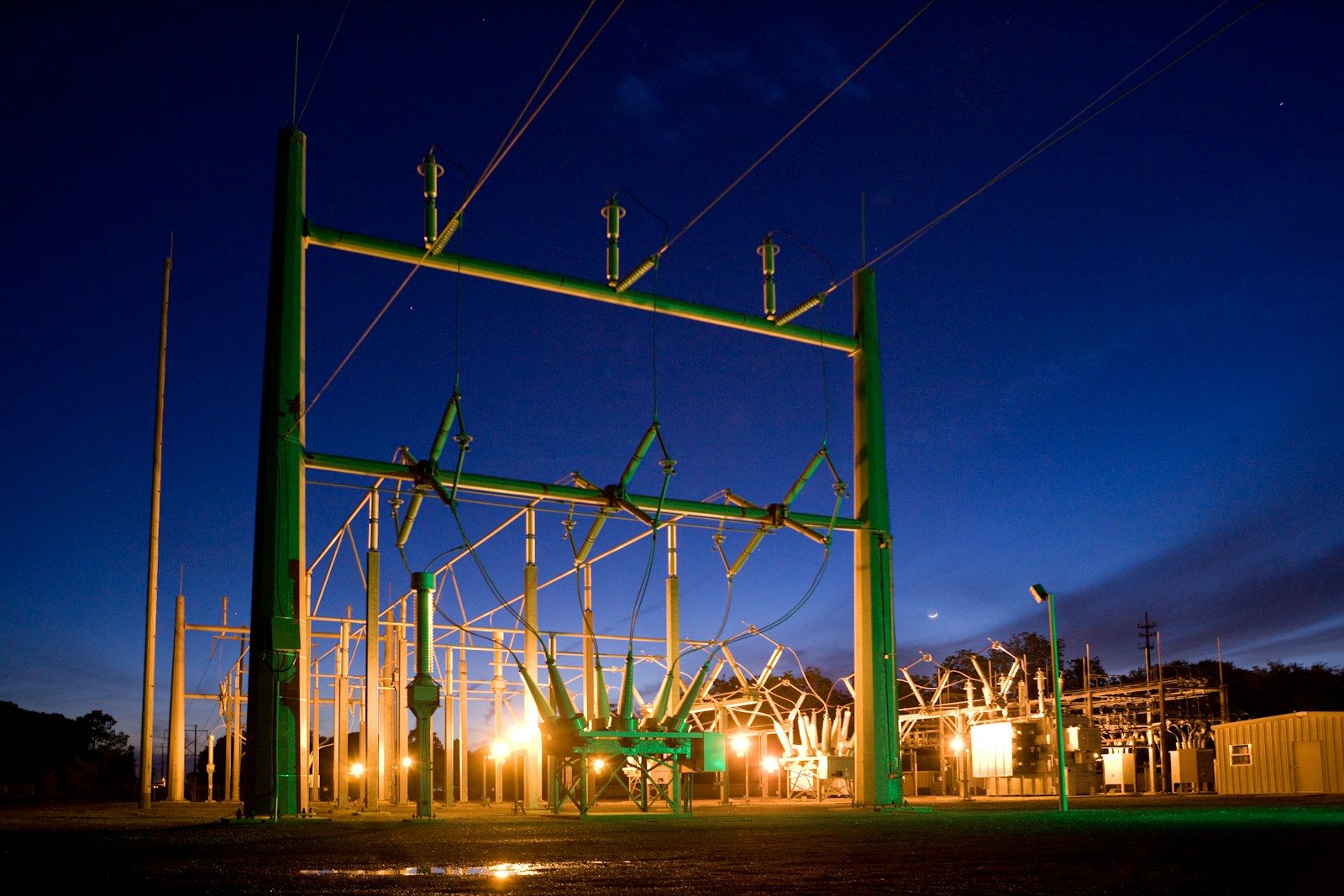
AI may seem like something that lives inside apps, search bars, and cloud tools, but it depends on one of America’s oldest systems: the power grid. Behind every chatbot, AI image tool, and business platform are data centers packed with servers that need steady electricity and constant cooling.
That growing demand is putting new pressure on utilities, regulators, and grid operators. As AI data centers expand across the country, the U.S. must figure out how to add power plants, transmission lines, substations, and equipment fast enough to keep up. The race for AI is no longer only about smarter software. It is also about whether the grid can handle the load.
Demand is rising fast

AI may feel like a digital tool, but it needs a lot of real electricity. Every data center that powers AI search, chatbots, cloud tools, and business software depends on servers, cooling systems, backup power, and strong grid connections.
That is why America’s power grid is getting more attention. U.S. power use is expected to hit record highs in 2026 and 2027 as data centers, factories, and electric technologies keep adding demand.
Data centers need muscle
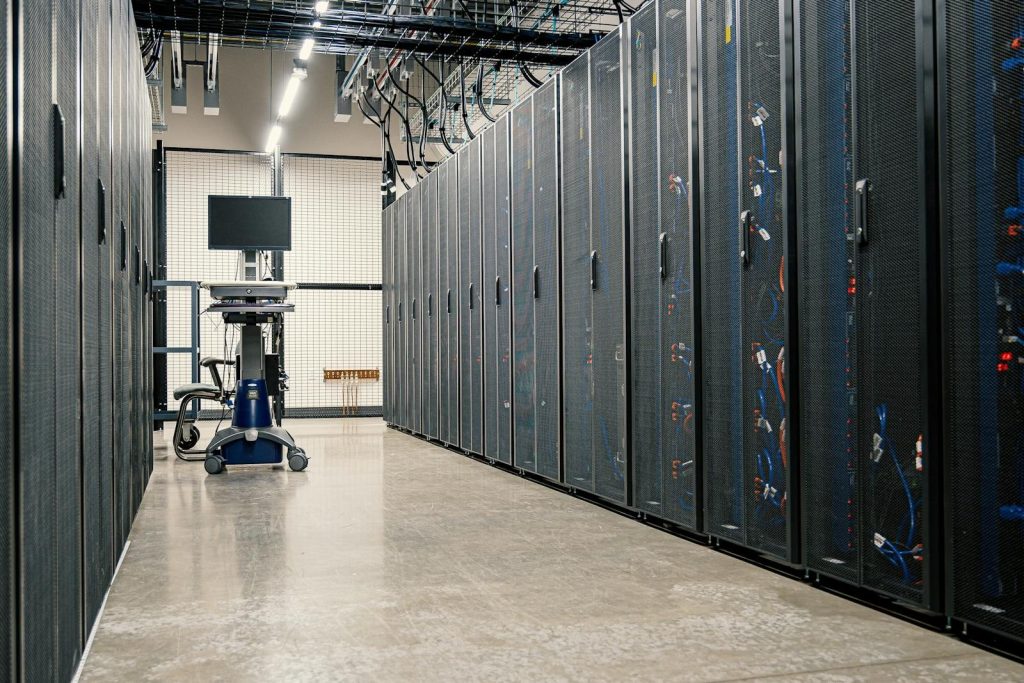
Modern data centers are not simple office buildings. They can use enough electricity to strain local systems, especially when many projects are planned in the same region. AI-focused sites can be even more demanding because advanced chips need constant cooling and power.
This is creating a new challenge for grid planners. The country needs more electricity, but it also needs wires, substations, transformers, and generation projects ready at the right time.
PJM is in the spotlight
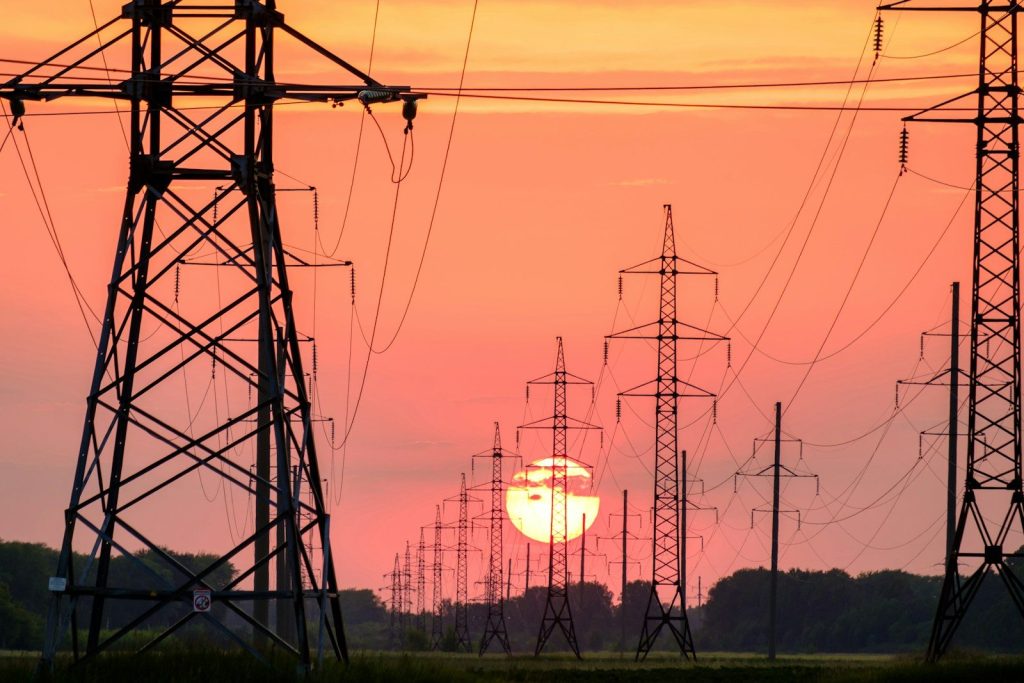
PJM Interconnection manages the power grid across 13 states and Washington, D.C. It also serves Northern Virginia, often called “data center alley,” one of the country’s most important hubs for cloud and AI infrastructure.
Federal regulators are now taking a closer look at whether PJM can keep up with fast-growing demand. FERC Chairman Laura Swett said PJM’s structure and market challenges need serious attention as the AI buildout accelerates.
Growth is hard to forecast
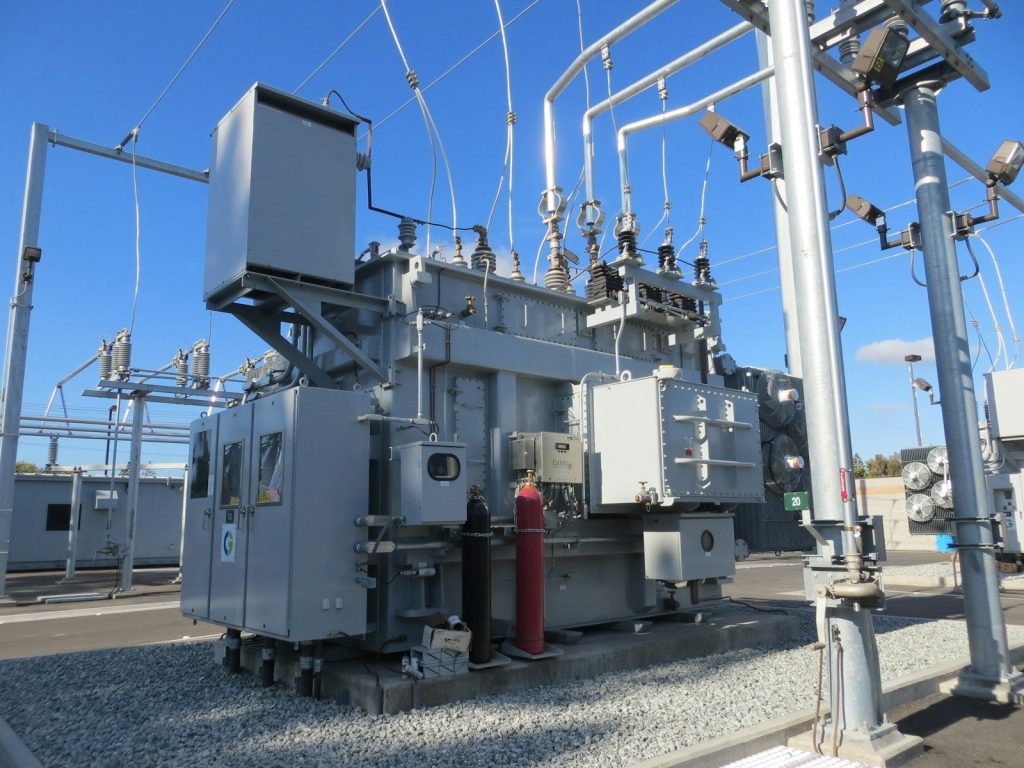
Planning the grid gets tricky when demand can change quickly. Data center developers may announce big projects, but not every project gets built. If planners overbuild, customers may face unnecessary costs. If they underbuild, the grid may fall short.
PJM has projected major peak-demand growth between 2024 and 2030, with data centers making up most of that increase. That makes accurate forecasting one of the biggest issues facing the region.
New power waits in line
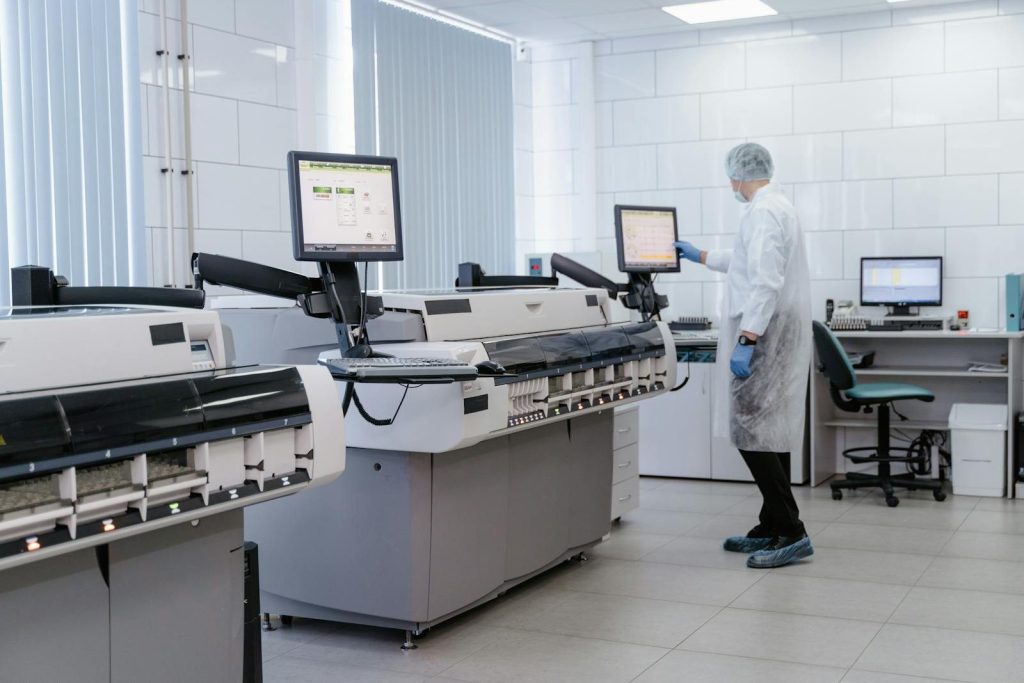
Before new power plants or battery projects can connect to the grid, they must go through interconnection studies. That process checks whether the grid can handle the new project safely and reliably.
The problem is that the line is crowded. Lawrence Berkeley National Laboratory reported that more than 2,060 gigawatts of generation and storage capacity were seeking grid connection at the end of 2025, though many projects may never be completed.
The queue takes years
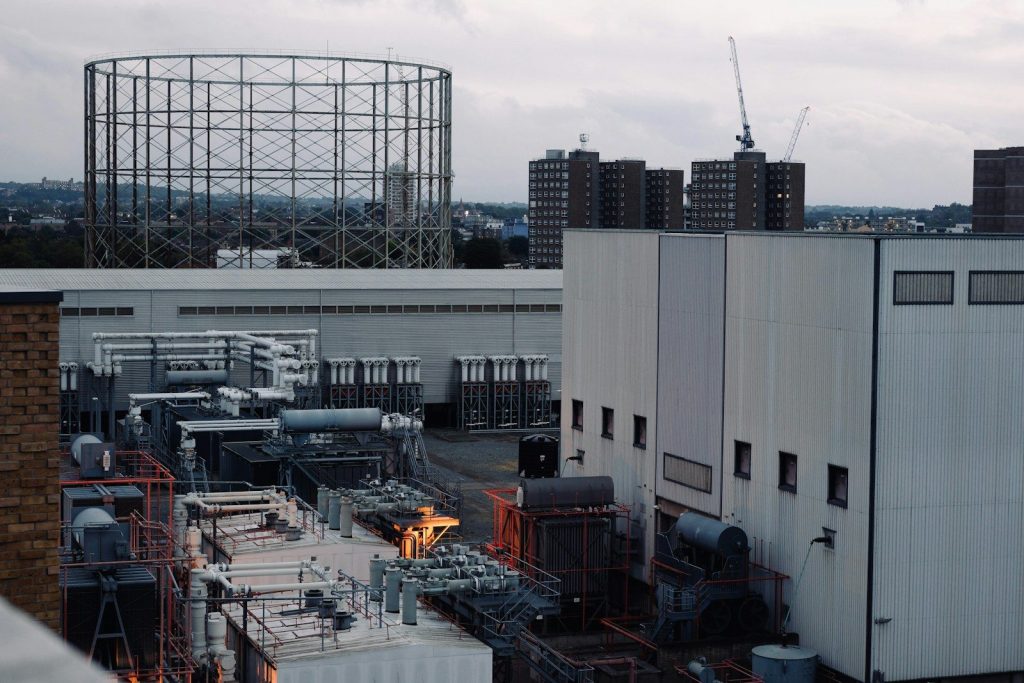
Grid connection delays are not just paperwork. They can slow down power projects that help meet rising demand. Many projects spend years waiting before they can move forward, and some are withdrawn before they ever reach operation.
That matters for AI because data centers can move faster than grid upgrades. A company may want to build quickly, but the electricity system still has to study, approve, connect, and support that new load.
Transmission is falling behind
High-voltage transmission lines move electricity across long distances. They help connect power from where it is generated to where it is needed. As demand rises, more transmission becomes important for reliability and cost control.
But new transmission is slow to build. Recent reporting shows only a limited amount of high-voltage line construction has been completed, even as AI, manufacturing, and electrification push demand higher.
Equipment is a bottleneck
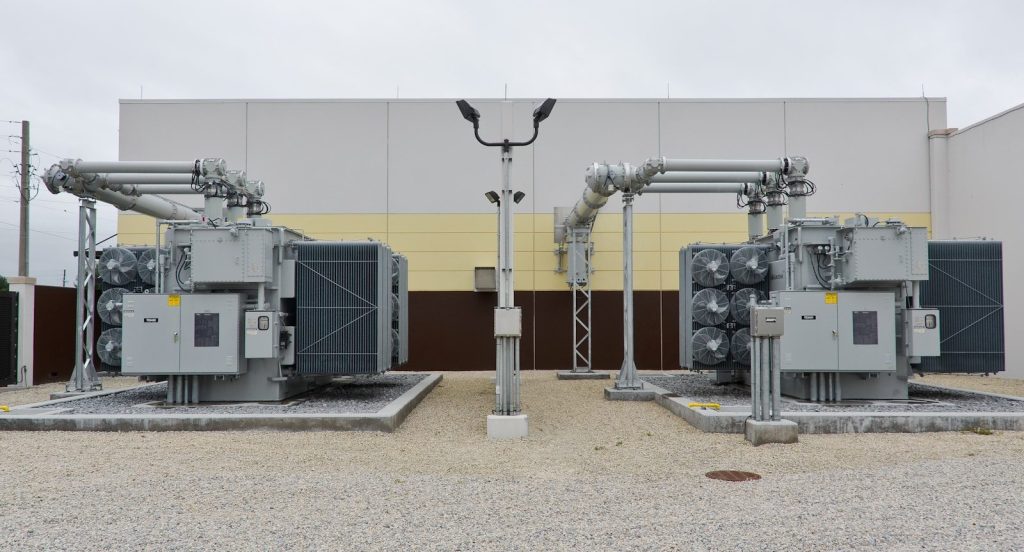
Even approved projects can face another challenge: getting the right equipment. Large transformers, switchgear, cables, and other grid parts are not always available quickly. Some items can take years to order, manufacture, and deliver.
That delay can affect everything from new substations to power plants and data center connections. The grid is not just waiting on decisions. It is also waiting on physical parts that are in high demand around the world.
Bills are part of the debate

As data center demand grows, regulators and state leaders are asking who should pay for the needed upgrades. Households and small businesses already worry about rising electricity bills, so cost sharing has become a major policy issue.
Maryland Governor Wes Moore has pushed for grid reforms, including steps aimed at making large energy users cover more of the infrastructure costs tied to their growth.
AI needs better planning

America’s AI race now depends on more than chips and software. It also depends on whether the power system can deliver enough electricity, in the right places, at the right time.
The good news is that the challenge is visible. Faster grid connections, better forecasting, more transmission, stronger equipment supply, and smarter energy use could all help. The AI boom is showing that digital progress still needs a strong physical backbone.
Leave a Reply