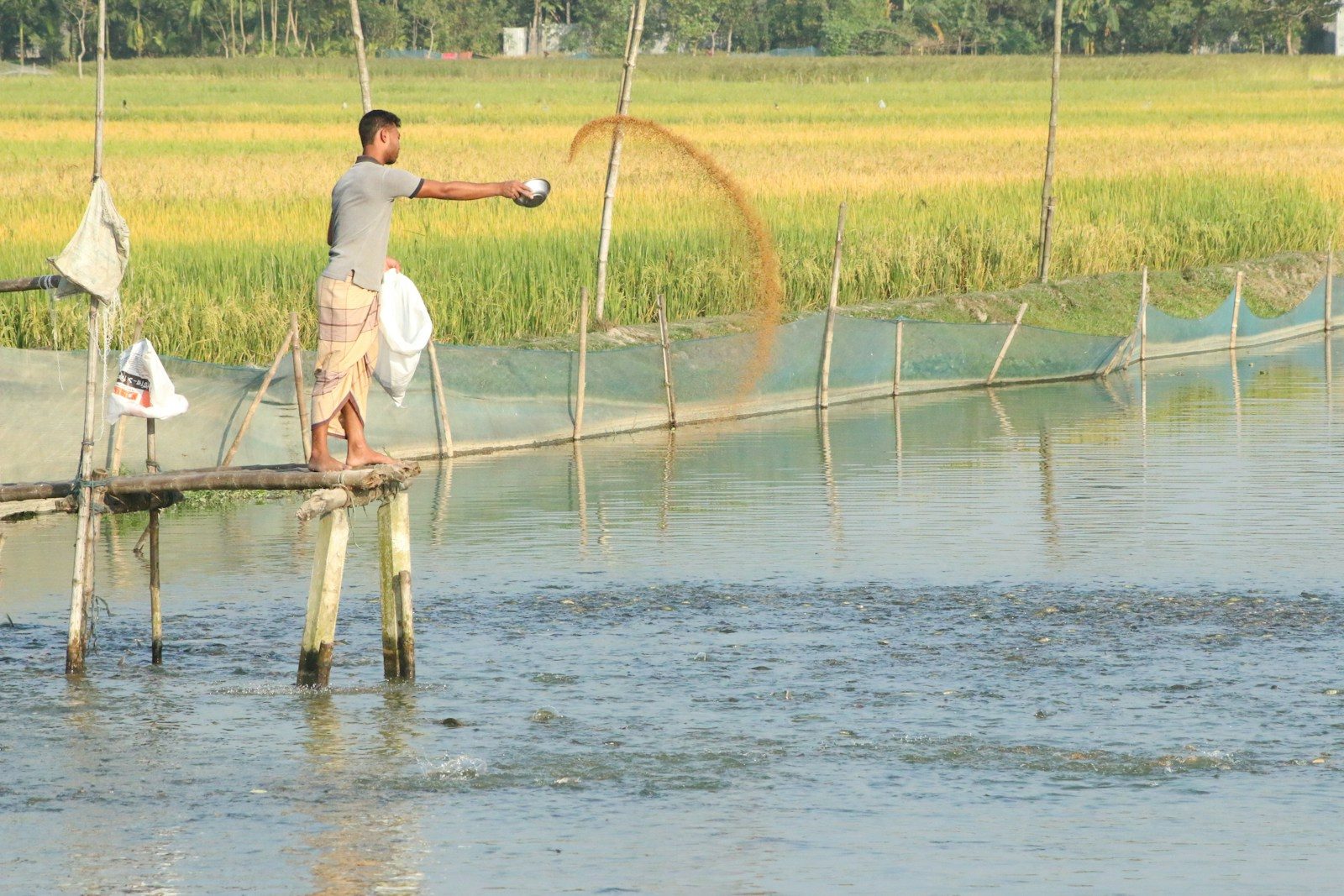
We have always been told a very simple story about human history. First, we were hunter-gatherers, and then we “invented” agriculture, settled down, and stopped looking for wild food. It was portrayed as a clean break—the “Agricultural Revolution.” But a massive new archaeological survey has just proven that this story is a lie. New evidence shows that even after humans mastered wheat and cattle, they continued to fish at an “industrial” scale.
Researchers found that ancient farming villages were often built right next to the most productive fishing spots. Instead of giving up the old ways, they combined them. Agriculture wasn’t a replacement; it was a “side hustle.” This discovery is hitting the news as the “Hybrid Survival” model. It turns out that ancient humans were much better at managing their risks than we ever suspected. But why would a farmer spend all day at sea when he has a field full of food?
The “Safety Net” of the Sea
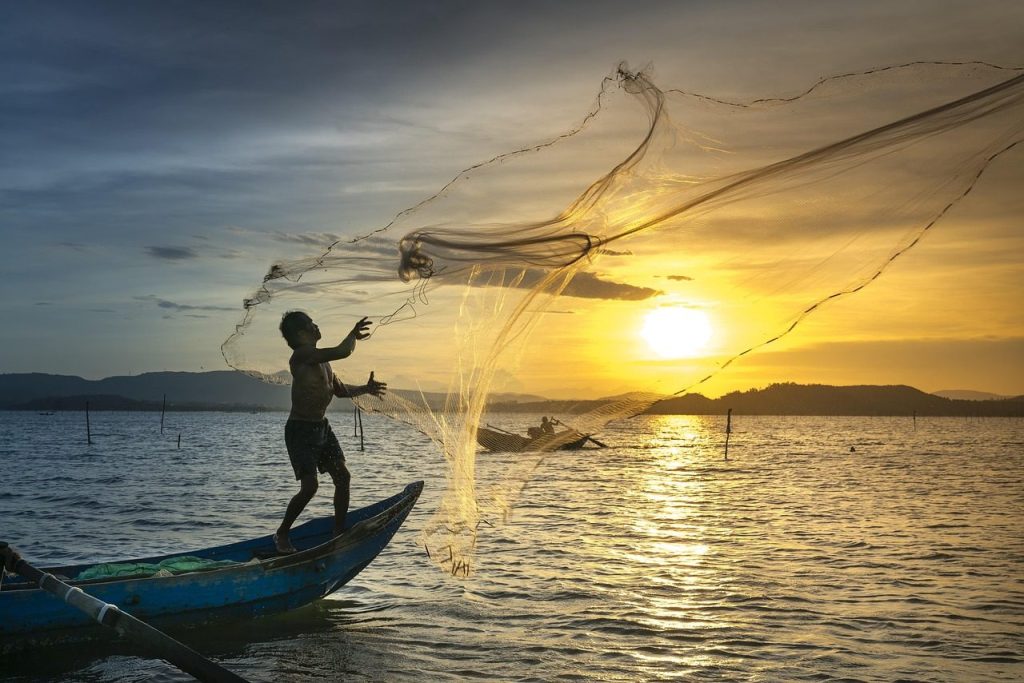
Farming is a high-risk gamble. A single drought or a swarm of locusts can wipe out a year’s worth of work. The ocean, however, is a much more reliable resource. By continuing to fish, ancient farmers created a “biological safety net.” If the crops failed, they could always turn back to the water. This dual strategy is likely the only reason many of the world’s first civilizations survived their first major climate shifts. But the tools they used are what really shocked the researchers.
High-Tech Hooks from the Stone Age
Archaeologists have uncovered thousands of bone and shell fishhooks in early farming sites. These hooks were designed with sophisticated barbs and eyelets that match modern designs. They even found “lures” made of shiny mother-of-pearl. This proves that fishing wasn’t just a backup plan; it was a highly skilled craft that humans continued to perfect even while they were breeding cows. They were “multi-skilled” professionals. But wait until you see the size of the fish they were catching.
Monsters of the Deep in the Village Pot
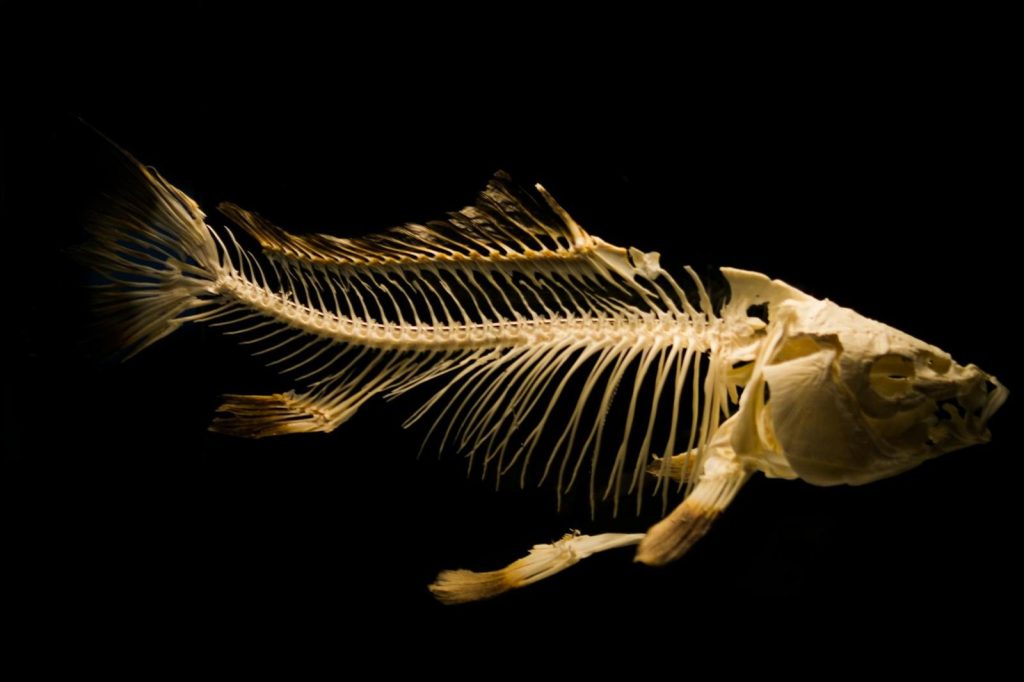
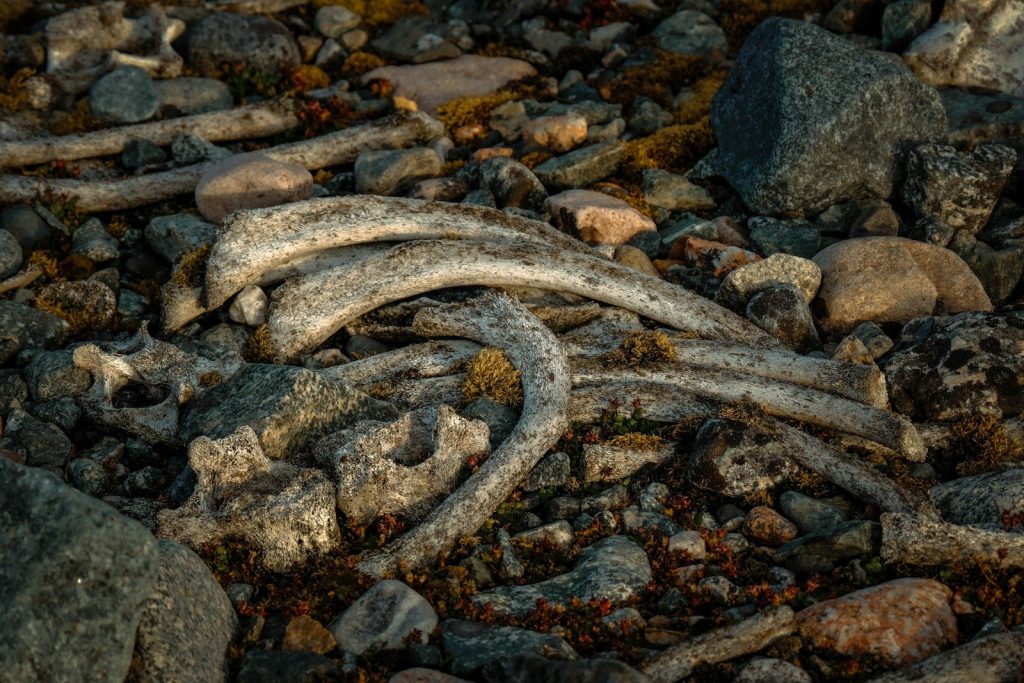
The bone fragments found in these ancient kitchen pits don’t belong to small pond fish. They belong to giant deep-sea species like tuna and sturgeon. This means that “farmers” were actually building sturdy boats and sailing miles out into the open ocean. They were braving the waves to bring back hundreds of pounds of protein to their villages. This changes our entire view of how “settled” these people really were. They were still explorers at heart. But did they prefer fish over beef?
The Health Secret of the Ancient Diet

New analysis of human tooth enamel from 7,000 years ago shows that many early farmers got up to 50% of their protein from the sea. This “Omega-rich” diet kept them much healthier than if they had lived on grain alone. They had stronger bones and better eyesight than later generations who relied purely on farming. The “Hybrid Diet” was the secret to the human population explosion. But the next discovery shows that fishing also shaped their social life.
Fishing as a Team Sport
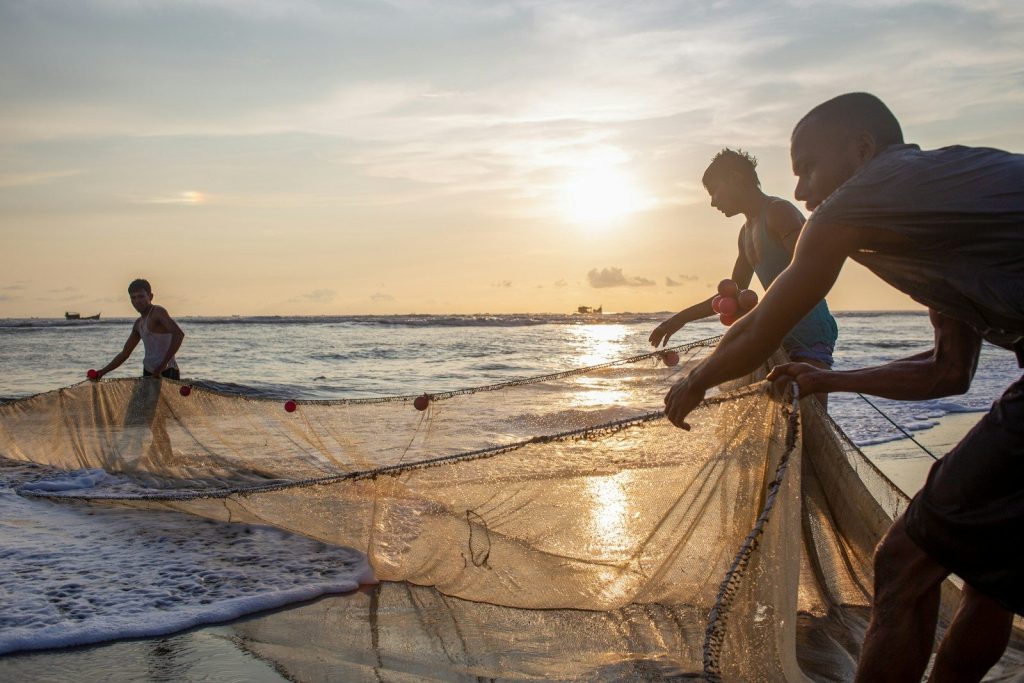
You can’t catch a six-foot sturgeon alone. Fishing encouraged large-scale cooperation between different families in the village. They had to build nets together and maintain the boats as a community. This social bonding is what eventually led to the creation of the first real laws and governments. The “rules of the sea” were likely the first rules humans ever wrote down. But what happens when the fish start to disappear?
The First Environmental Regulations
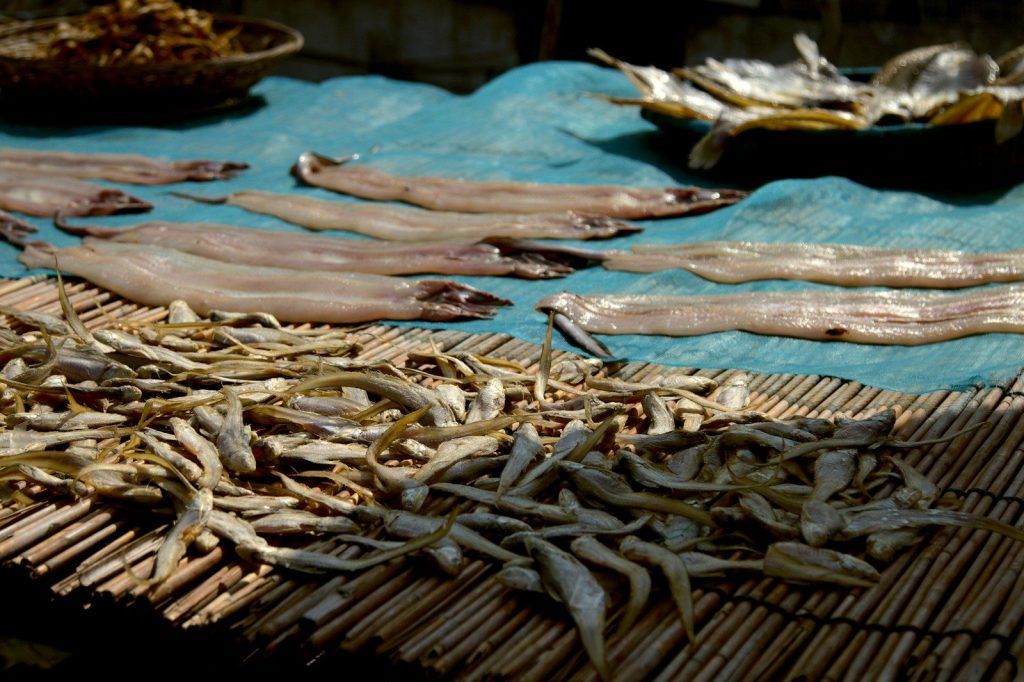
In later agricultural sites, archaeologists found evidence of the first “closed seasons” for fishing. They found piles of fish bones that only belonged to certain sizes of fish, suggesting the ancients were throwing the small ones back to keep the population healthy. They were the world’s first conservationists. They knew that if they overfished, their “safety net” would break. But the arrival of giant cities changed the balance forever.
The End of the Hybrid Era

As cities grew into empires, the connection to the sea began to fade for the average person. Farming became the only way to feed millions, and fishing became a specialized industry for a few. We lost the “Hybrid Survival” skills that kept us healthy for millennia. Today, we are trying to rediscover those ancient secrets to save our own food supply. The past is a blueprint for a more resilient future.
The Final Lesson from the Ancient Coast
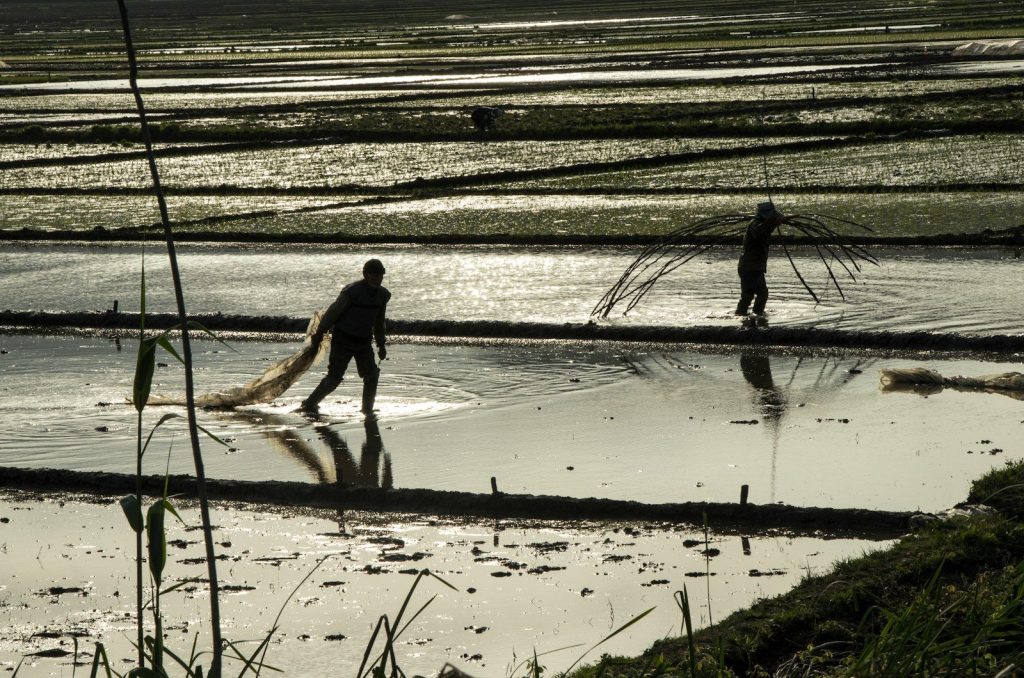
The discovery that agriculture and fishing worked together for centuries is a wake-up call. It proves that there is no single “right way” for humans to live. We have always been a species that adapts and combines the best of all worlds. As we face our own climate crisis, we can look back at these ancient villagers for inspiration. They knew that diversity is the key to survival. Are you ready for the next breakthrough in our understanding of human history?
Leave a Reply