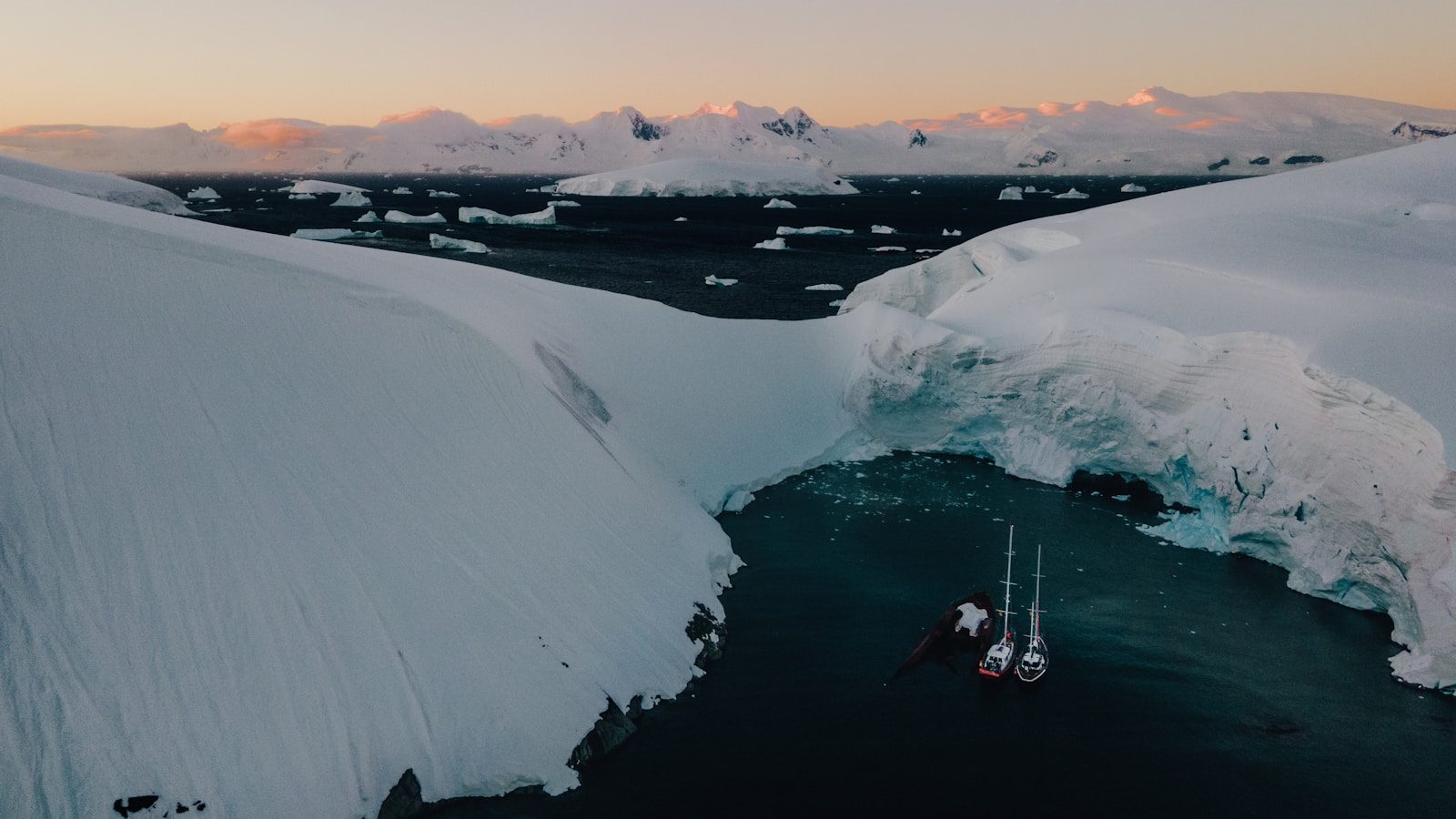
Antarctica is a land of white silence, but beneath two miles of ice lies a “Ghost Continent” that hasn’t seen the sun in 30 million years. In 2026, scientists using high-definition satellite imagery and gravity maps have revealed a world of hidden mountain ranges, massive liquid lakes, and deep river valleys. This isn’t just a pile of frozen dirt; it is a perfectly preserved landscape from the age of the dinosaurs.
These new maps are hitting the news as the “last frontier” of Earth exploration. Researchers are finding that Antarctica was once a lush, green paradise—the real-life Gondwana. This discovery is changing everything we know about how our planet’s climate works and where our ancestors might have lived. We are looking at a “time capsule” the size of a continent that is starting to melt. But what exactly is hiding in those sub-glacial lakes? Wait until you see the “Gamburtsev” mountain mystery.
The Ghost Mountains of the South Pole
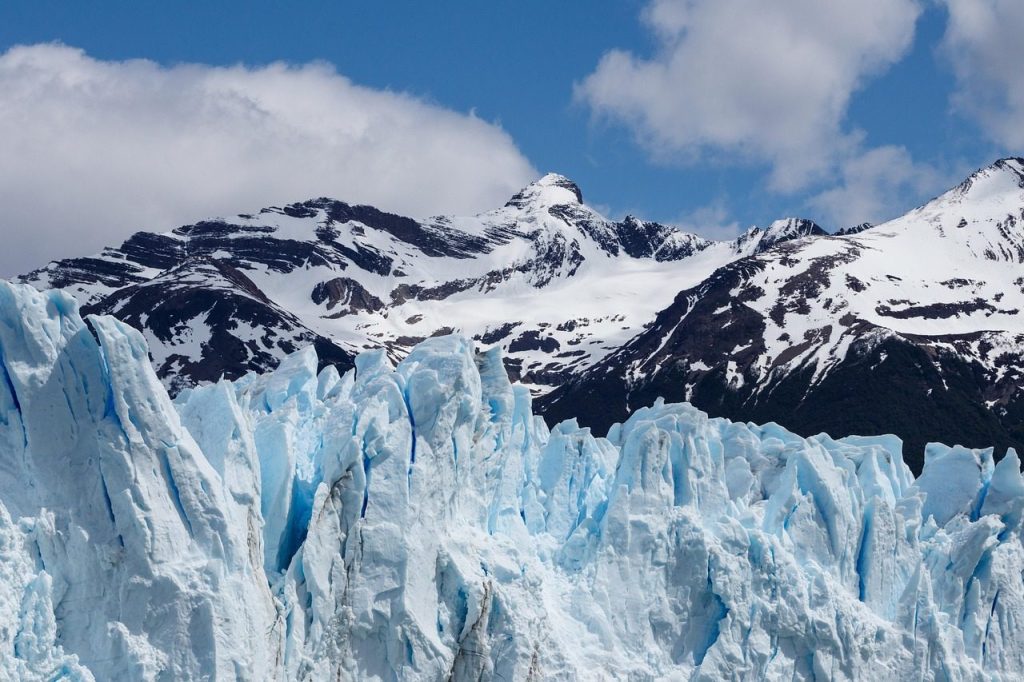
Deep inside the ice sheet, there is a mountain range called the Gamburtsevs that is the size of the Alps. The crazy part? They shouldn’t be there. Mountains are usually formed at the edges of tectonic plates, but these are in the dead center of a continent. They are “pristine” peaks that have been protected from wind and rain by the ice for eons. Scientists believe these mountains hold the secret to how the Ice Age actually began. But the real surprise is the water flowing beneath them.
Lake Vostok and the Liquid Abyss
There are over 400 lakes buried under the Antarctic ice. The largest, Lake Vostok, is roughly the size of Lake Ontario. Despite being in the coldest place on Earth, the water is liquid because of the immense pressure and heat from the Earth’s core. Scientists believe these lakes could house “alien” life forms that have evolved in total isolation for millions of years. It is like having a foreign planet right under our feet. But could a human have mapped this land before the ice arrived?
The Piri Reis Map and the Ancient Coastline
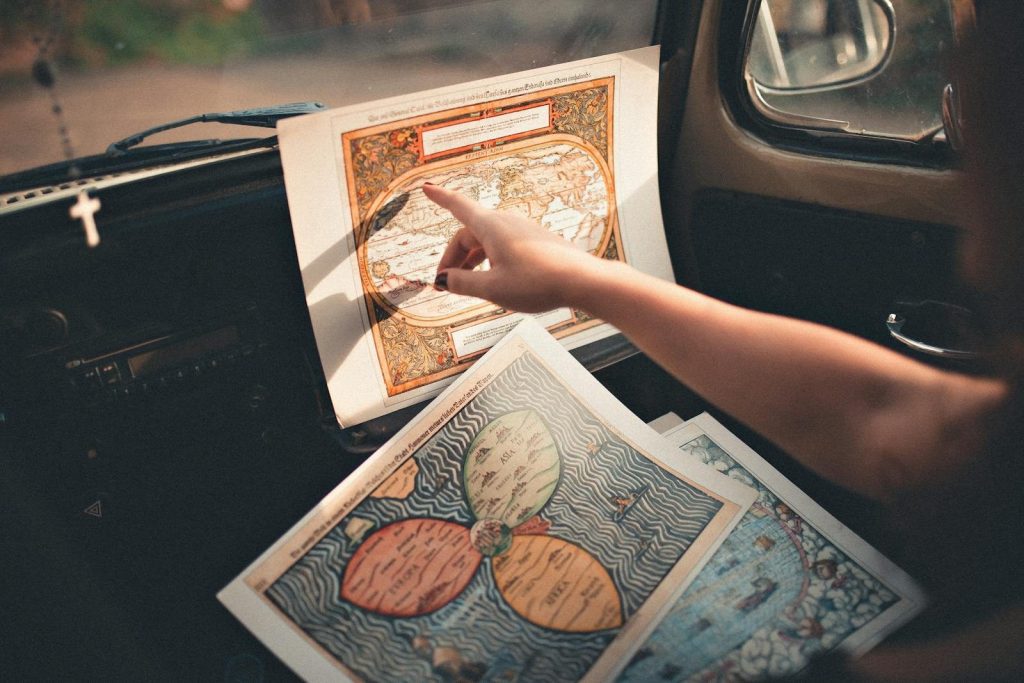
One of the greatest mysteries in history is the Piri Reis map from 1513. It appears to show the coastline of Antarctica without any ice. For centuries, historians thought it was a mistake. But modern sub-glacial scans prove the map is incredibly accurate. This has led to the “Ancient Map Theory,” suggesting that a lost civilization might have explored the continent before it froze. We are looking at a history that our textbooks haven’t even written yet. But what did they find in the mud?
Fossilized Forests in the Frozen Desert
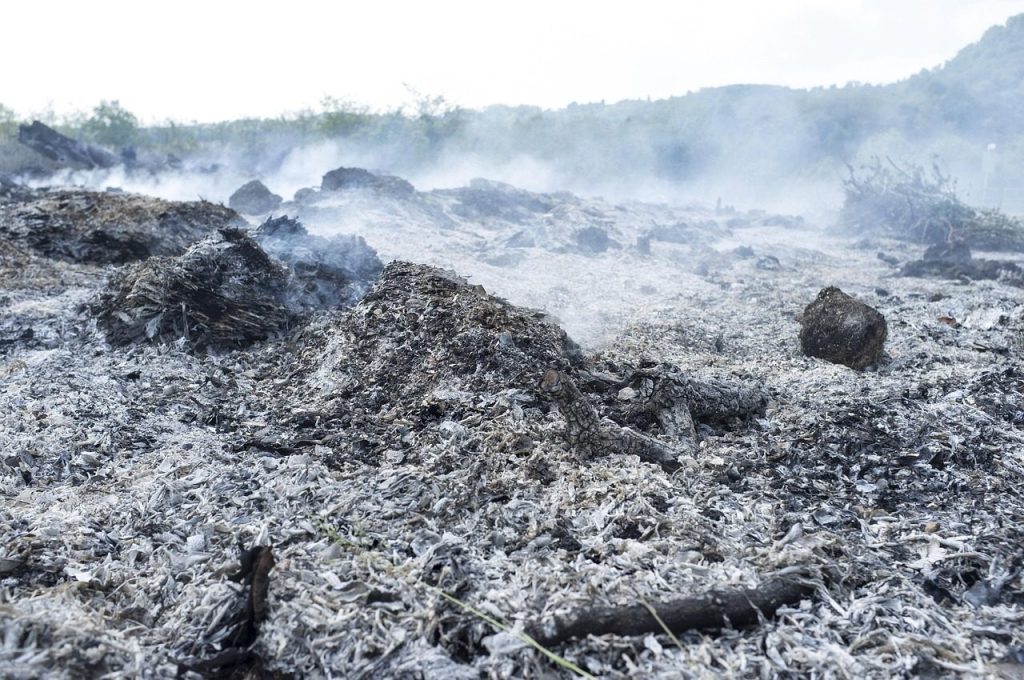
In 2026, drilling teams pulled up soil samples containing fossilized pollen and tree roots from 90 million years ago. This proves that Antarctica was once covered in temperate rainforests similar to those in New Zealand. Giant reptiles and early mammals once roamed these woods. We are realizing that the South Pole was the “central station” for life on Earth before the continents drifted apart. It was a bridge between the Americas and Australia. But the ice is now telling a secret about our future.
The “Time Machine” Trapped in Air Bubbles
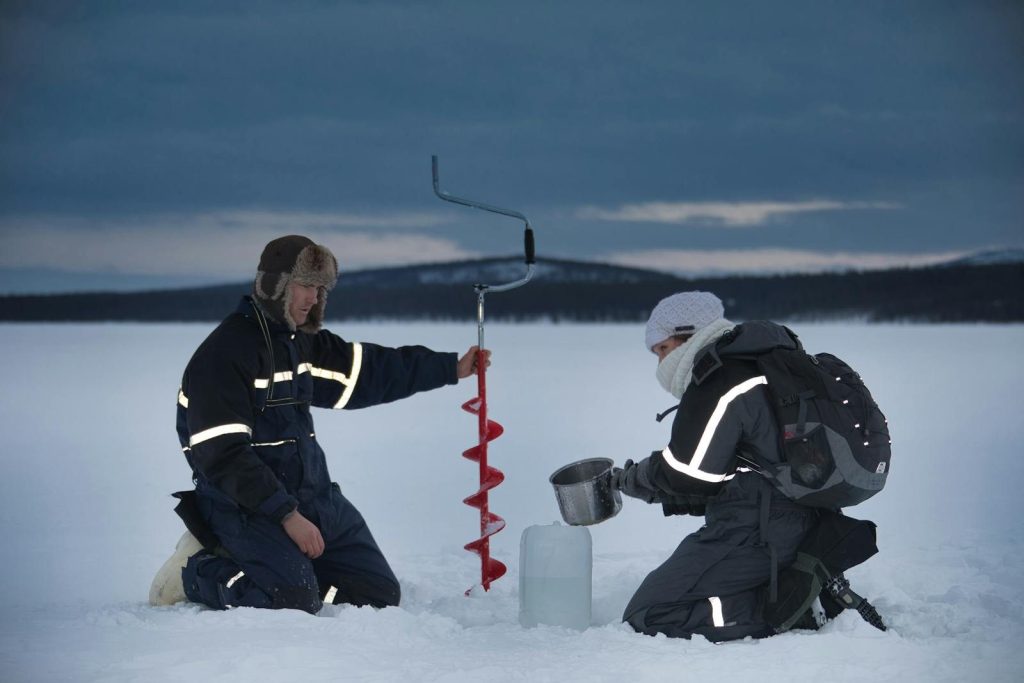
Every time snow falls in Antarctica, it traps a tiny bit of the atmosphere. By drilling deep into the “lost continent,” scientists can breathe the air from 800,000 years ago. This ice core data is the most accurate record of climate change we have. It shows us exactly how much CO2 was in the air when the planet was hot and when it was cold. It is a biological ledger of our world’s health. But wait until you see the “red waterfall” that looks like blood.
Blood Falls and the Iron Secret
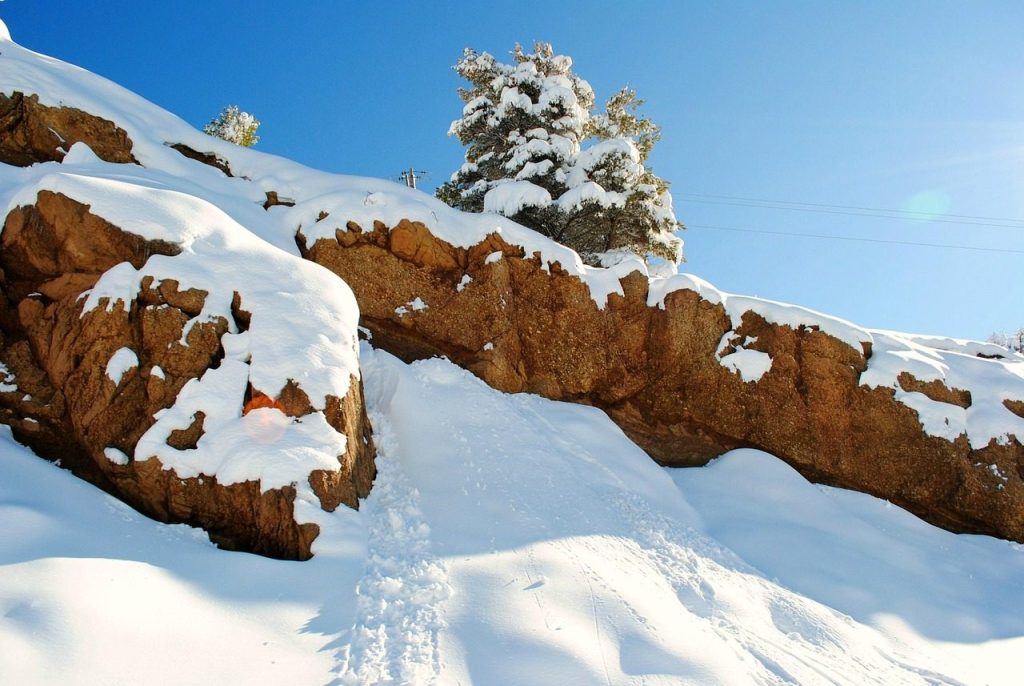
In the McMurdo Dry Valleys, a glacier is “bleeding.” This is Blood Falls. For a long time, we thought it was red algae. However, the 2026 data shows it is actually saltwater rich in iron from a buried reservoir that hasn’t seen oxygen in two million years. When the water hits the air, it “rusts” instantly. This “prehistoric soup” contains microbes that survive without any sunlight. It is the blueprint for how life might exist on the moons of Jupiter. But is the continent about to wake up?
The Volcanic Fire Under the Ice
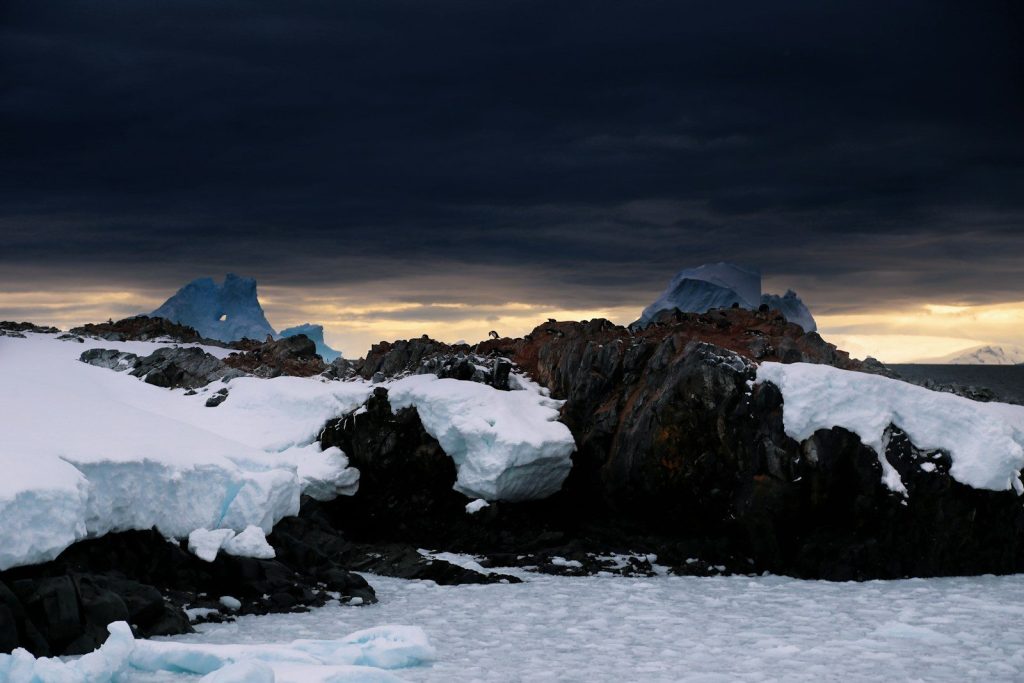
Antarctica isn’t just cold; it’s also a volcano graveyard. Scientists have discovered dozens of active volcanoes buried beneath the ice sheet. If one of these giants were to erupt, it could melt massive amounts of ice from the bottom up, causing the entire sheet to slide into the ocean. This “hidden heat” is the biggest wild card in our sea-level rise models. We are living on top of a giant pressure cooker. But wait until you see the “10 Geniuses” who were actually monsters.
Featured Image: Photo by Tetiana GRY on Unsplash
Leave a Reply