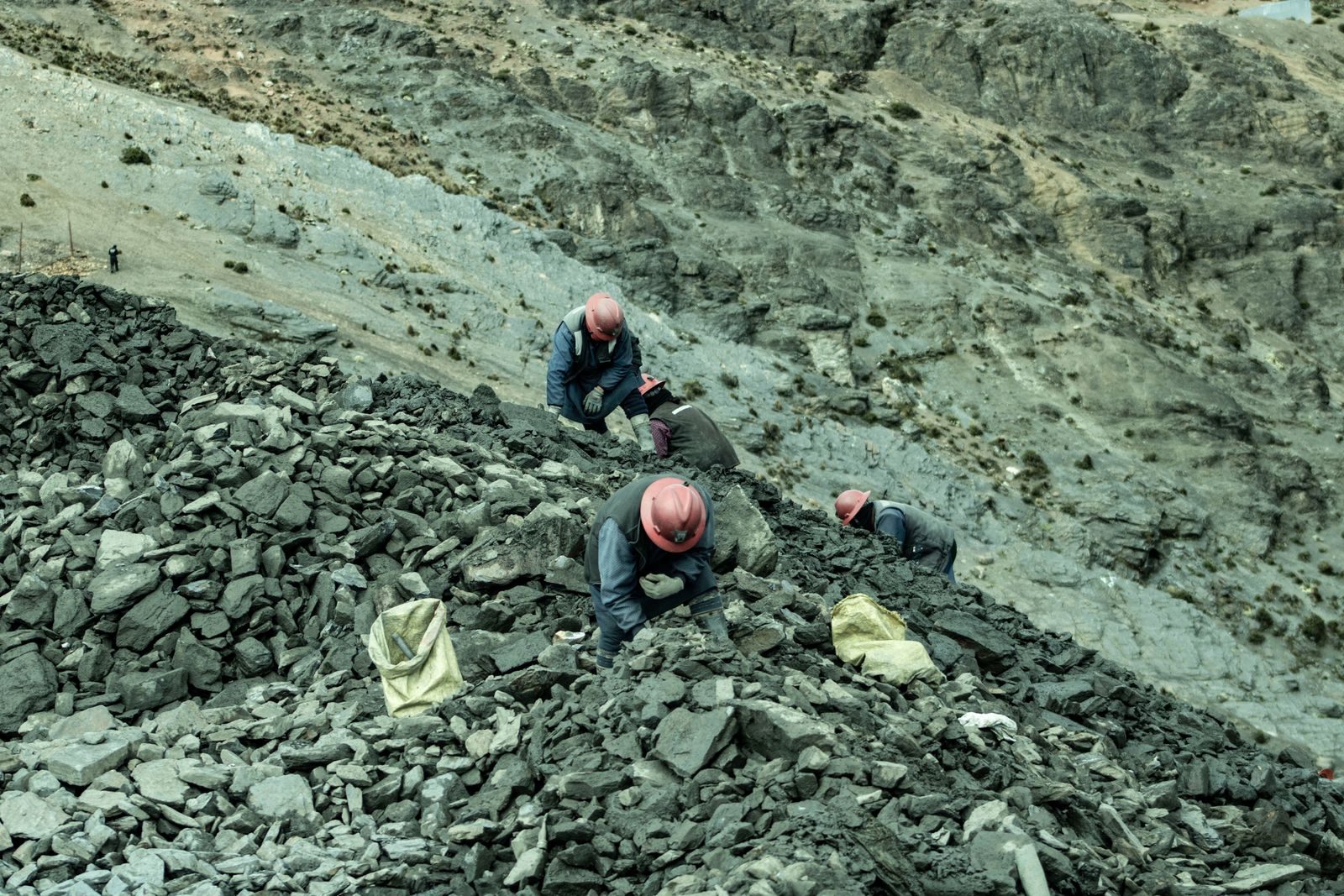
Researchers reported a substantial amber deposit from the Genoveva quarry in Ecuador’s Napo region. Pollen evidence places the relevant rocks in the early Albian stage of the Cretaceous Period. That interval is commonly summarized as roughly 112 million years ago, but the study did not provide a direct radiometric date of exactly 112 million years for each amber piece.
Amber Preserves Organisms Trapped in Ancient Tree Resin
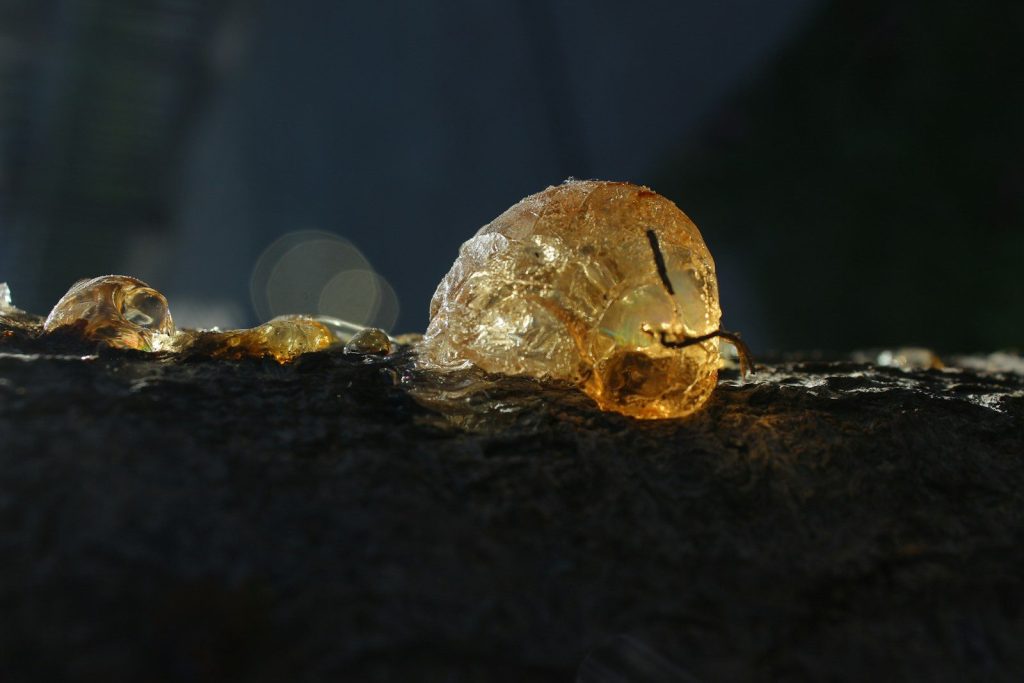
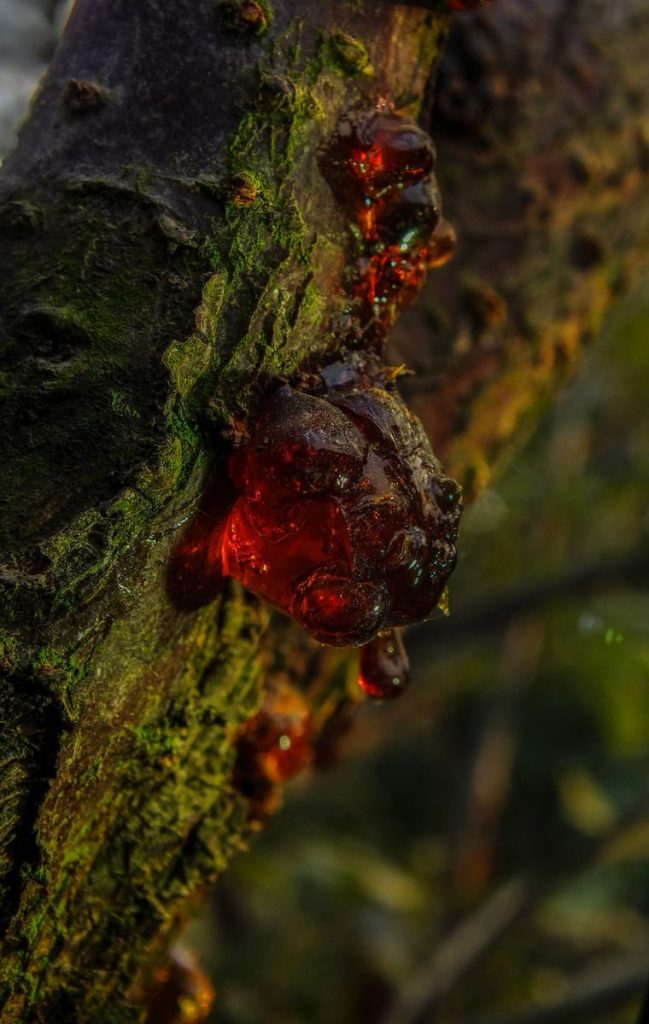
Amber forms when sticky tree resin hardens, is buried, and undergoes chemical changes over geological time. Small organisms can become trapped before the resin solidifies. The resulting fossils may preserve delicate external structures, but they do not contain every species that lived in the ecosystem or provide a perfectly complete record of the forest.
Ecuador Holds South America’s Largest Mesozoic Amber Deposit
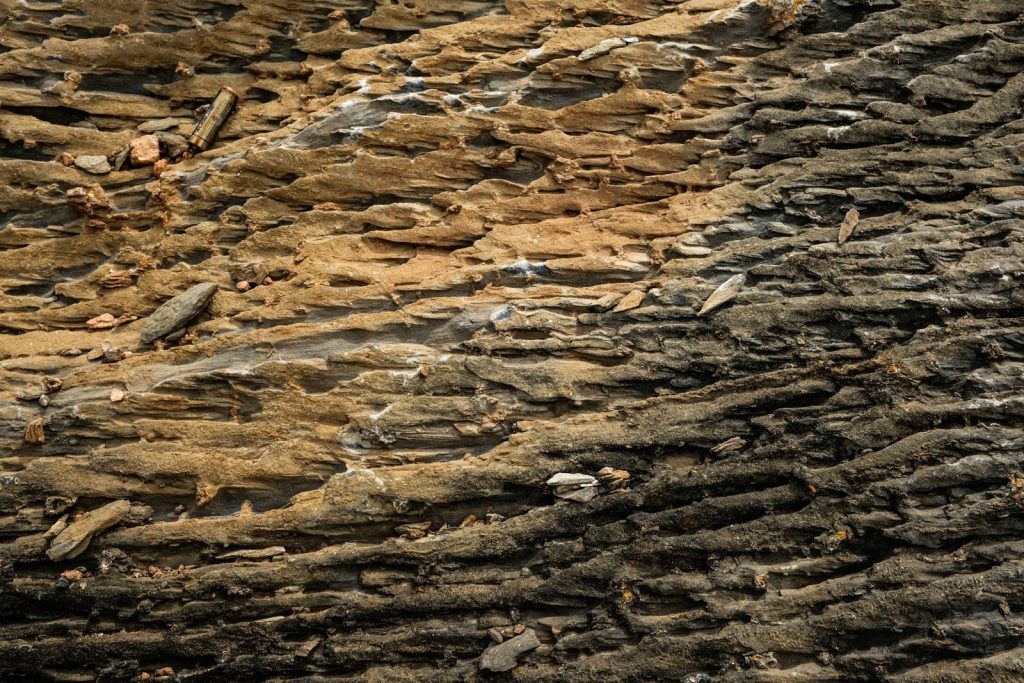
The Genoveva material represents the largest reported Mesozoic amber deposit in South America. The researchers also described it as the first South American Cretaceous amber deposit known to preserve insects and spider-web remains. Most other well-known insect-bearing Cretaceous amber deposits are located in the Northern Hemisphere.
Ancient Amber Preserved Beetles, Flies, Wasps, and Spider Webs
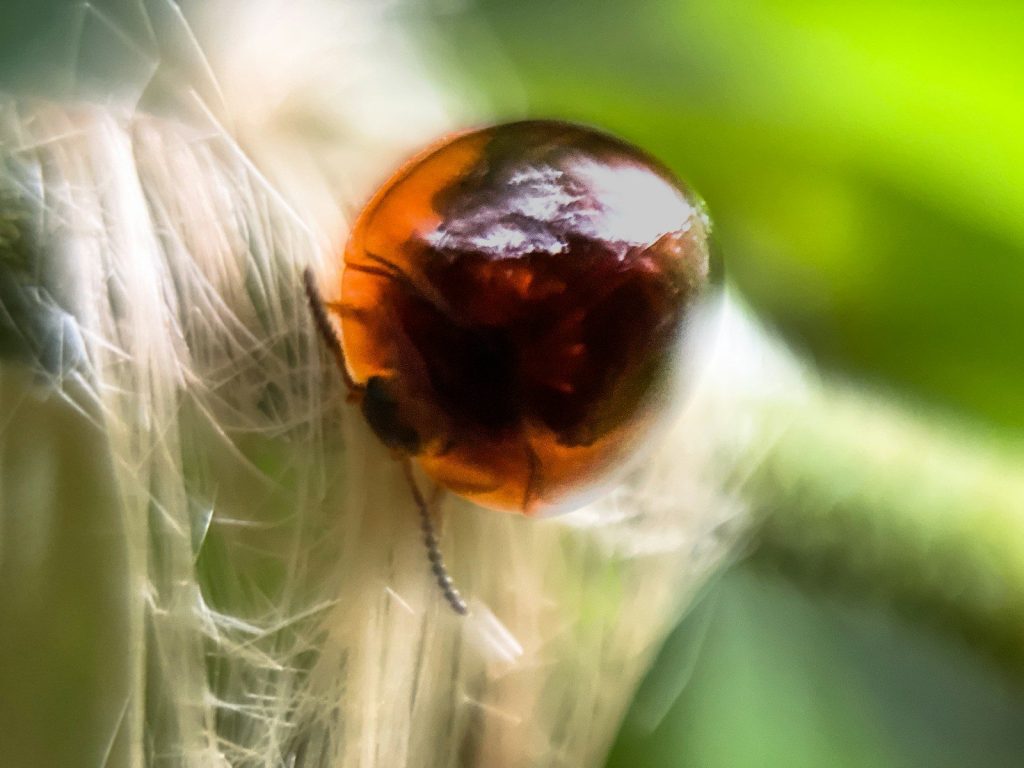
The bioinclusions included hexapods and arachnids representing at least six orders. Researchers identified material belonging to groups such as beetles, flies, wasps, aphids, and caddisflies, along with spider-web remains. These organisms provide direct evidence of some of the small animals living around the resin-producing trees.
Aquatic Insects Reveal a Wet Cretaceous Forest
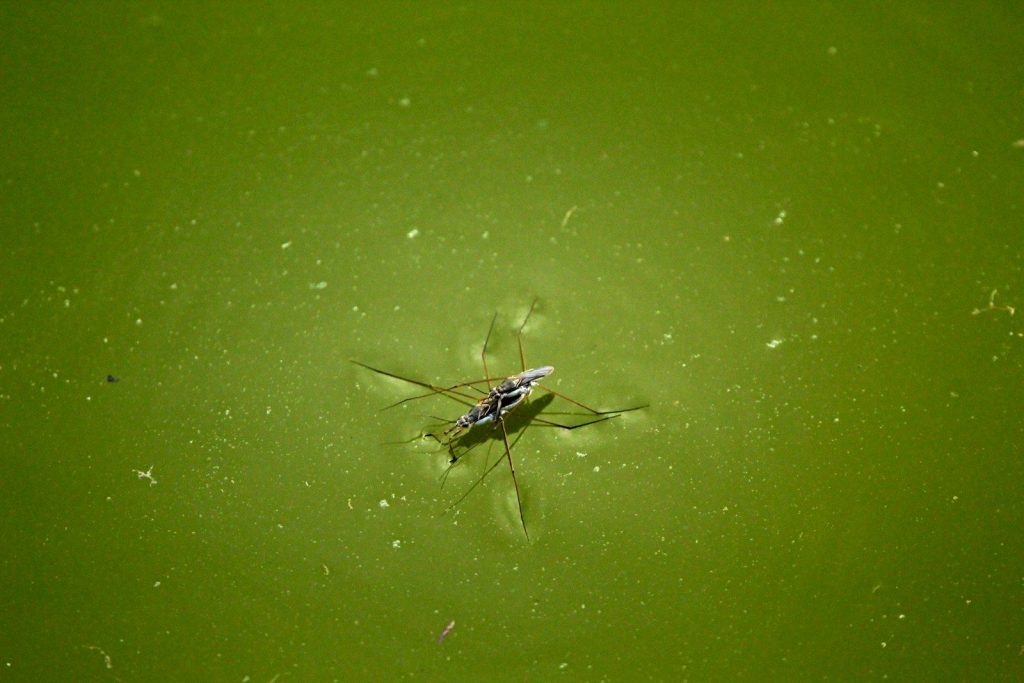
The amber contained relatively abundant chironomid flies and a caddisfly, groups whose immature stages normally develop in water. Their presence, together with the surrounding river-and-lake sediments, coal layers, pollen, and plant fossils, supports the interpretation of a humid forest containing wet or waterlogged environments.
Araucarian Conifers Likely Produced Ecuador’s Ancient Amber
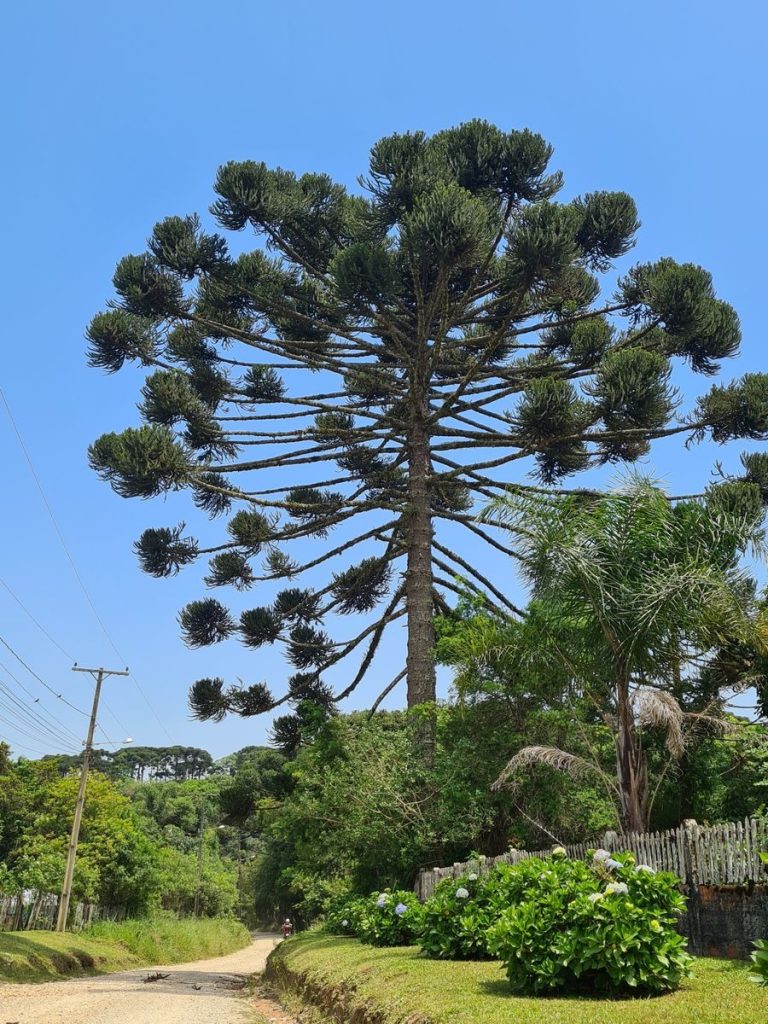
Chemical analyses found that the amber most closely resembled resin associated with the Araucariaceae conifer family. Pollen evidence also showed that araucarian trees were important components of the local vegetation. The study therefore identifies those conifers as the most likely resin producers while acknowledging that the conclusion is based on chemical and botanical evidence rather than observation.
Flowering Plants Expanded Across Cretaceous South America
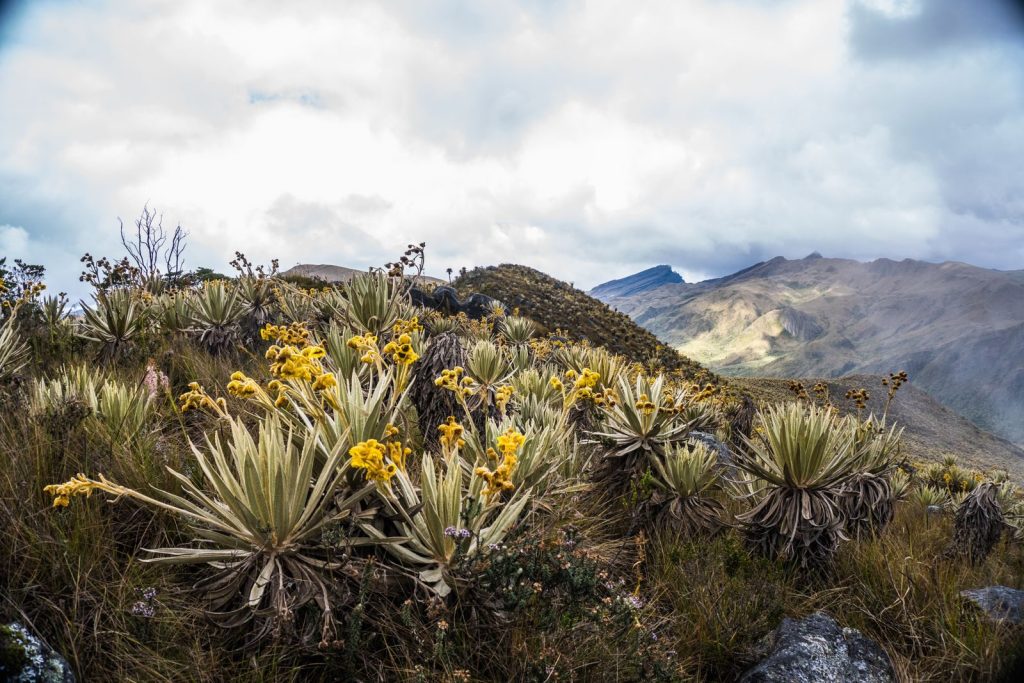
Plant fossils from the quarry included what researchers described as the earliest documented association of flowering-plant leaves from northwestern South America. The deposit comes from a period when flowering plants were diversifying and becoming more prominent within terrestrial ecosystems previously dominated by other plant groups.
Ecuador’s Amber Preserves Fossils, Not Dinosaur DNA
The discovery provides evidence about Cretaceous arthropods, plants, humidity, and resin-producing trees in equatorial Gondwana. The research did not report recoverable dinosaur DNA, intact living cells, or the means to recreate extinct animals. Its importance comes from preserving organisms that rarely fossilize and from improving knowledge of a poorly documented region.
Featured Image: Photo by Neneqo Fotógrafo on Pexels
Leave a Reply