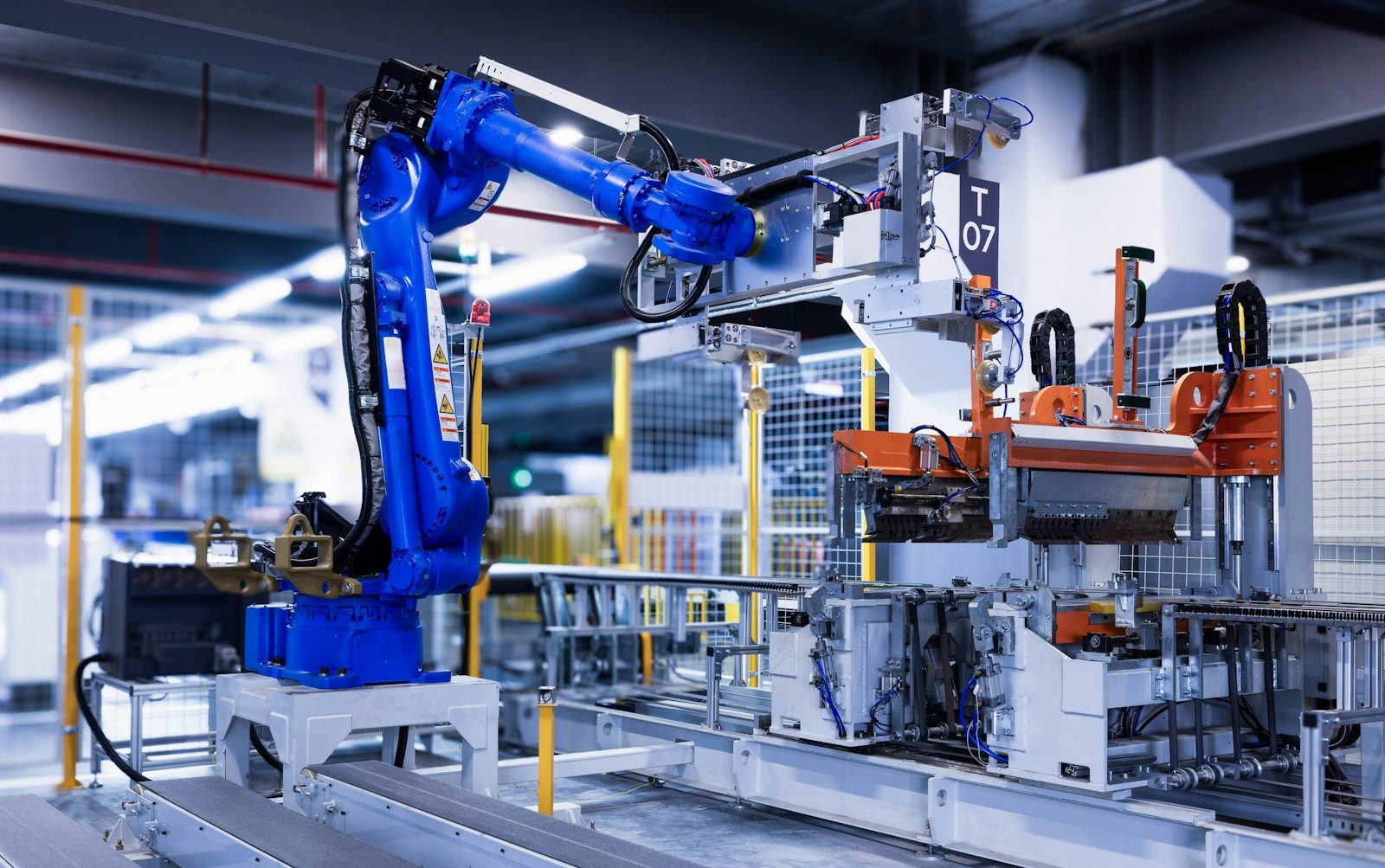
The year 2030 is only a few years away, but for the global workforce, it will feel like a different century. Artificial Intelligence is moving from “fun chatbot” to “essential employee” at a terrifying speed. Experts are warning that 40 percent of all current jobs could be automated by the end of the decade. This isn’t just about factory workers and truck drivers anymore. The new wave of AI is coming for the “white-collar” office jobs that we thought were safe.
From writing legal briefs to diagnosing diseases, AI is becoming better, faster, and cheaper than its human counterparts. In 2026, many companies will already be replacing entry-level positions with specialized AI agents. This shift will lead to a massive “Great Re-skilling” where humans have to find new ways to be useful. We are looking at a total transformation of the human economy. But what are the specific roles that are on the chopping block?
Content Creation and the End of Writing
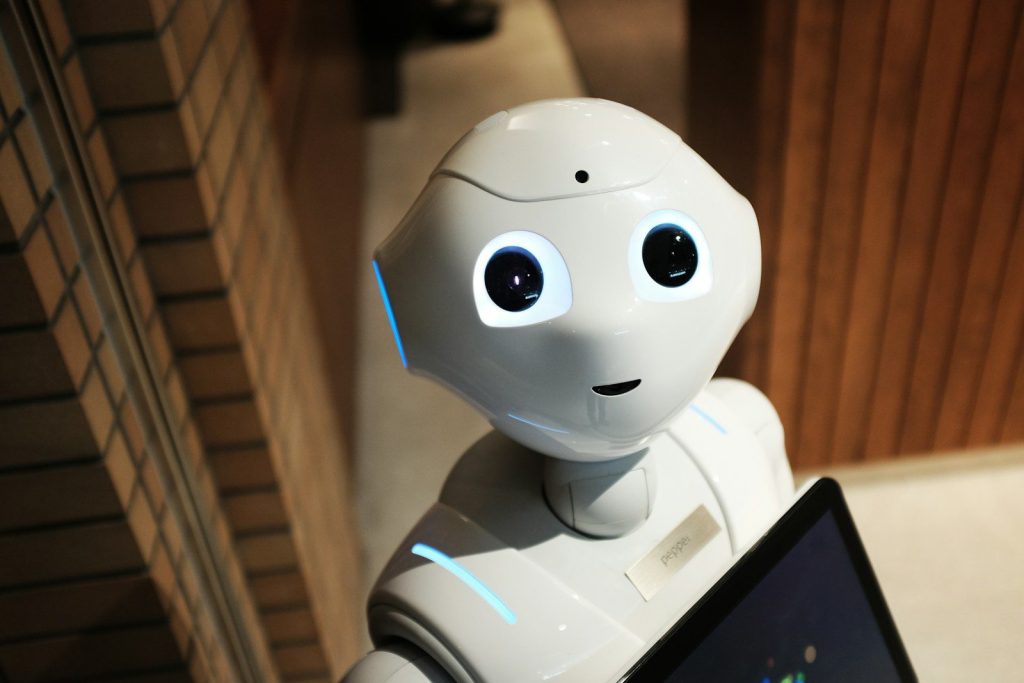
If you write emails, reports, or articles for a living, your job is changing right now. AI models can now produce high-quality text in seconds for the cost of a few cents. By 2030, the majority of the “information” we consume will be AI-generated. Human writers will become “editors of intent,” guiding the machine rather than typing the words. It is the death of the “junior copywriter” role. But wait until you see what is happening in the world of code.
The Automated Software Engineer
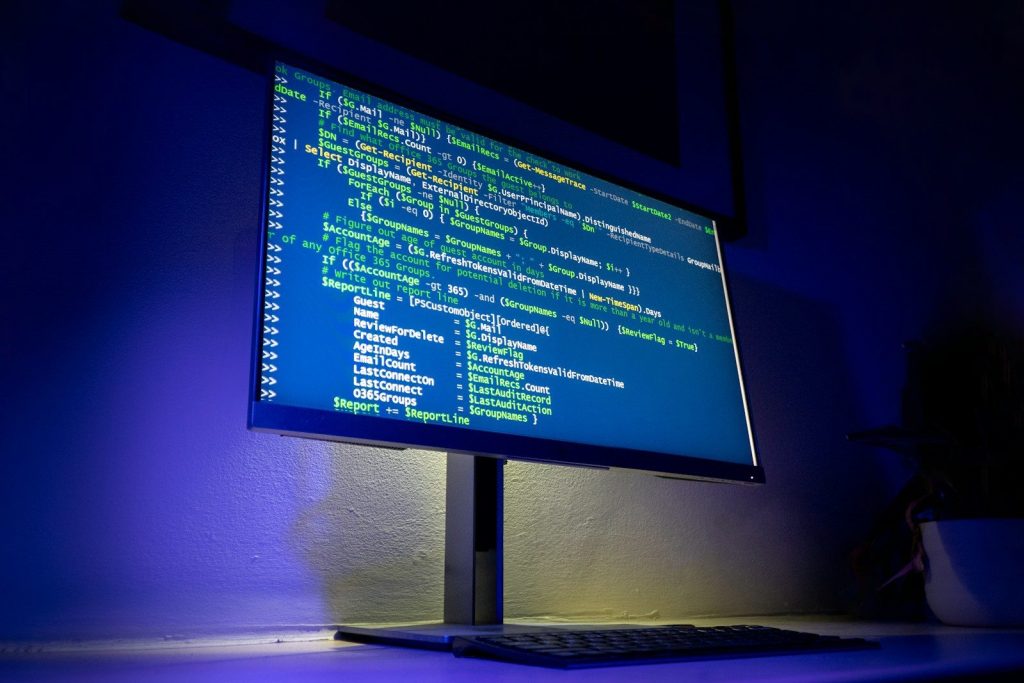
Coding used to be a specialized skill that required years of study. Now, AI can write complex software just by being told what the goal is. By 2030, “manual coding” will be seen as an ancient craft, like blacksmithing. Most software will be built by AI agents that debug themselves in real-time. This means that 90 percent of current software engineering tasks will vanish. The focus will shift from “how to build” to “what to build.” But physical jobs aren’t safe either.
Logistics and the Rise of the Delivery Bot
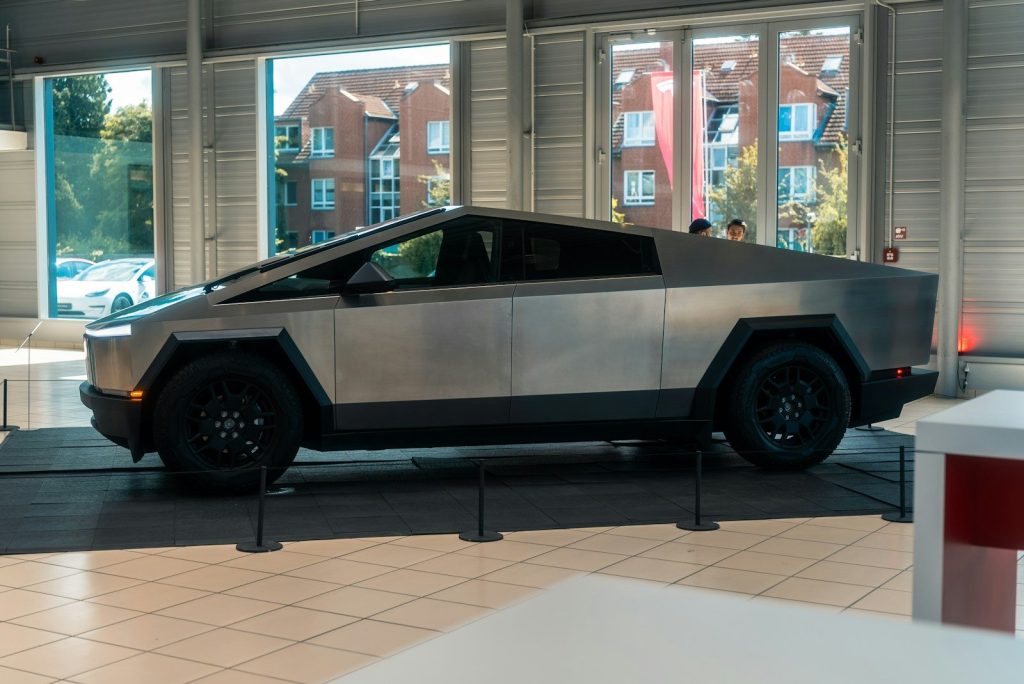
Truck driving is one of the most common jobs in the world, but it is also one of the easiest to automate. Self-driving trucks are already being tested on highways, and local delivery bots are moving through city streets. By 2030, the “human driver” will be a rarity. This will make shipping faster and cheaper, but it will leave millions of workers looking for a new path. It is a logistical revolution with a high human cost. But what about the people who help us in stores?
The Death of the Customer Service Rep

We have all dealt with frustrating phone menus. But the 2030 AI “voice agents” will be indistinguishable from humans. They will have perfect empathy, never get tired, and know your entire purchase history instantly. This means that massive call centers will disappear. Companies will only need a handful of humans to handle the most complex emotional problems. For everything else, the machine will handle it. But the most surprising shift is happening in hospitals.
AI as the Primary Medical Diagnostician
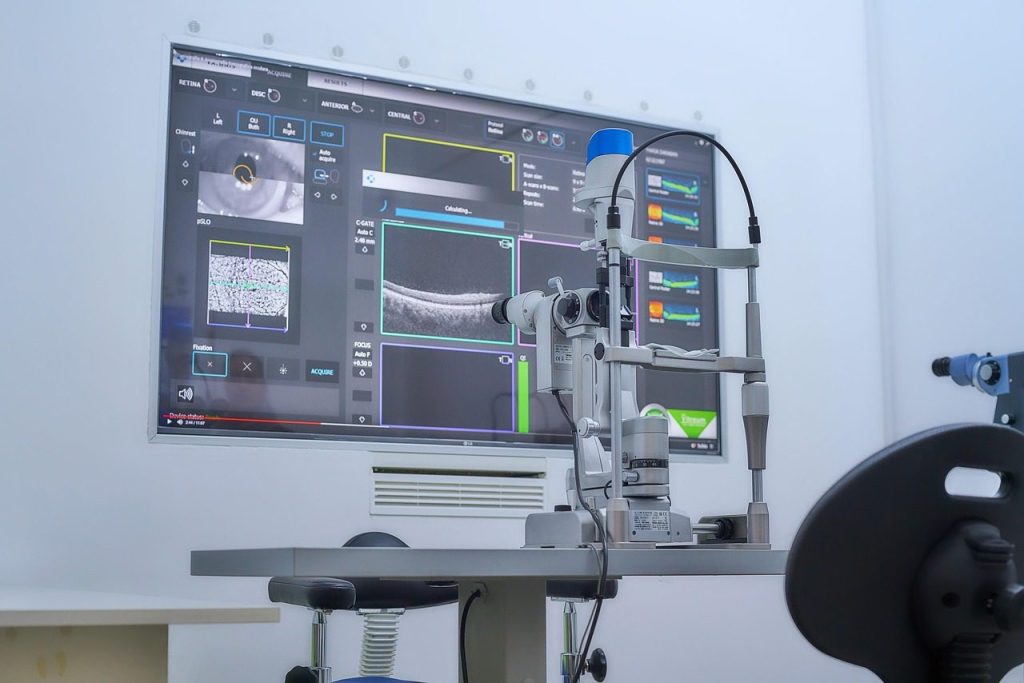
Doctors spend years learning how to recognize patterns of disease. An AI can learn every known medical case in history in a single afternoon. By 2030, your primary “doctor” might be an app that analyzes your symptoms and scans your DNA. While we will still need human surgeons for a while, the “diagnostic” side of medicine is being handed over to code. It will lead to fewer errors and lower costs, but it will change the patient-doctor bond forever. But the law is next.
Legal Research and the Robot Lawyer

Lawyers spend thousands of hours searching through old cases to find a single precedent. AI can do this in milliseconds. “Smart Contracts” are already starting to replace traditional legal documents. By 2030, a large portion of legal work will be automated, making justice faster and more accessible for the average person. However, it also means the “junior associate” at the law firm is a job that is quickly dying out. But can AI actually be creative?
The Creative Arts and Digital Design
We used to think that “creativity” was the one thing AI could never touch. We were wrong. AI is now winning art competitions and composing music that moves people to tears. By 2030, graphic design, illustration, and even film editing will be heavily assisted by AI. The “craft” of making things is being replaced by the “vision” of the prompt. We are entering an era of infinite content, where the human is the conductor of a digital orchestra. But is the internet itself safe from the sun?
The Final Reset for Human Purpose
The obsolescence of our current jobs isn’t the end of the world—it’s the end of a specific way of living. We are being forced to rethink what it means to be “productive.” If machines do all the work, what will humans do with their time? We are moving toward a future of lifelong learning and creative exploration. The 2030 shift is a wake-up call for all of us to stay curious and stay flexible. Are you ready for the day the screen goes dark for good?
Featured Image: Photo by Homa Appliances on Unsplash
Leave a Reply