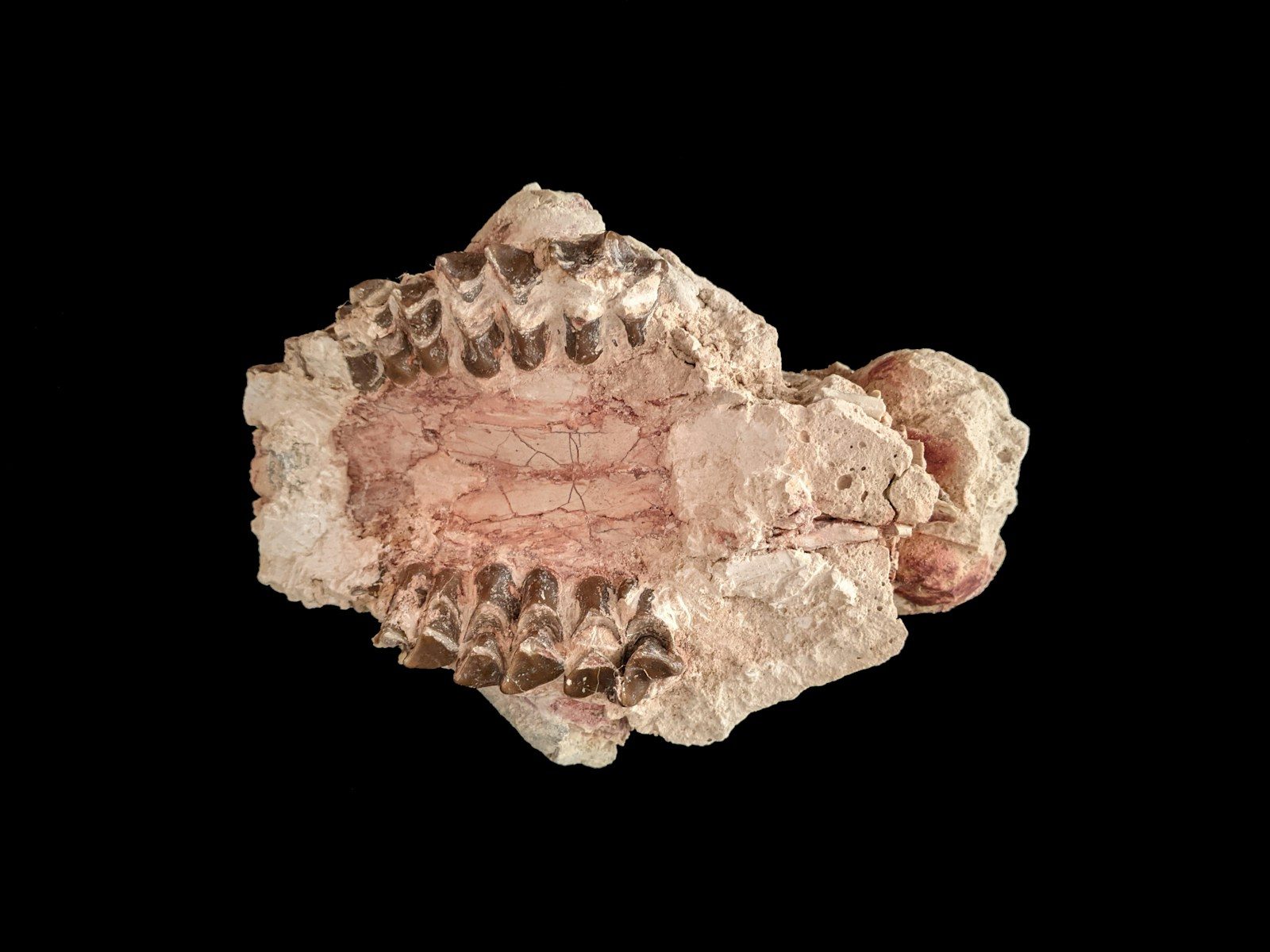
Researchers announced in January 2026 that hominin fossils from Thomas Quarry I in Casablanca, Morocco, had been securely dated to approximately 773,000 years ago.
The discovery is important because African fossils from roughly one million to 600,000 years ago are extremely limited. The Moroccan remains provide rare evidence from close to the period when populations ancestral to modern humans, Neanderthals, and Denisovans were becoming distinct.
The remains belonged to adults and a young child
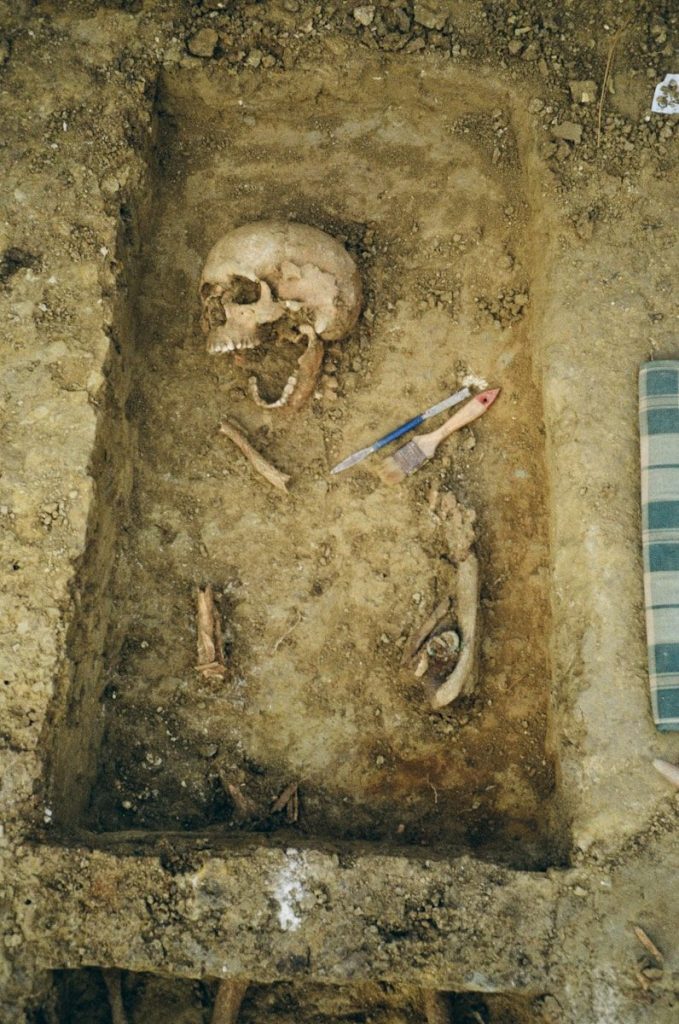
The fossils were recovered from Grotte à Hominidés, a cave at the Thomas Quarry I site.
They include lower jawbones belonging to two adults and a toddler, along with isolated teeth, vertebrae, and part of a thigh bone. The nearly complete jaw of the child is particularly valuable because young individuals are rarely preserved in sufficient condition to study early developmental anatomy.
Earth’s magnetic field provided the date

Researchers dated the fossil-bearing sediments using magnetostratigraphy. Earth’s magnetic field has reversed many times, and those changes can be recorded in sediments as they accumulate.
The cave sequence preserves the Matuyama–Brunhes reversal, which occurred approximately 773,000 years ago. Matching the sediments with that well-established geological marker produced an estimated age of 773,000 years, with an uncertainty of around 4,000 years.
Their anatomy combined old and newer features
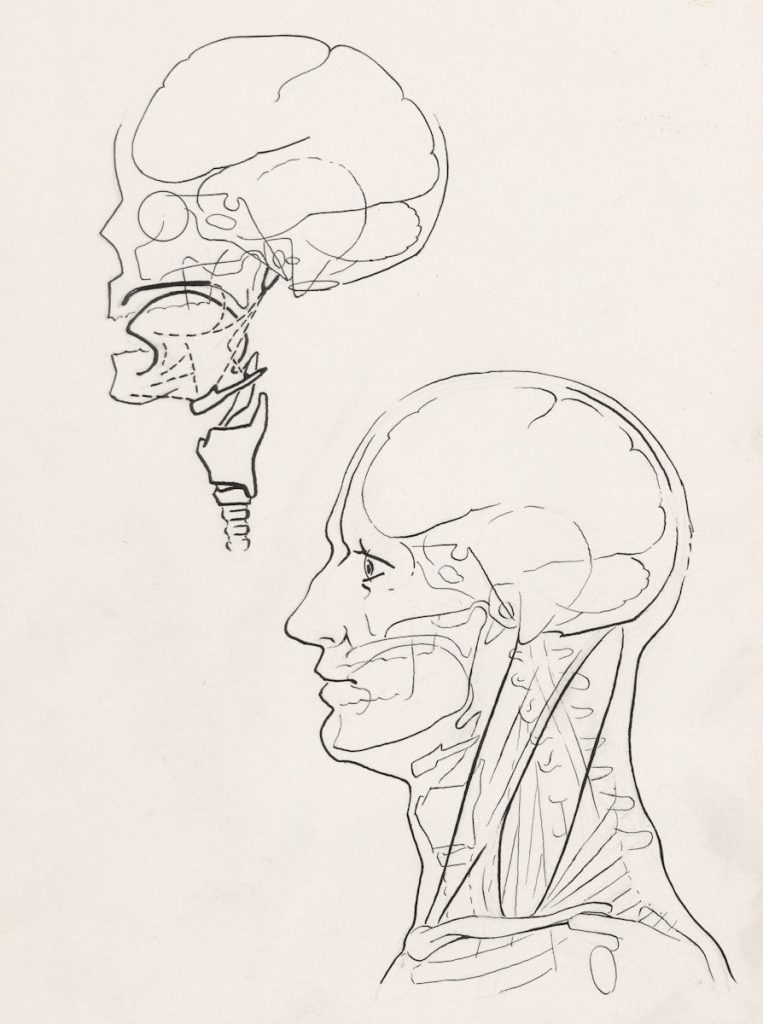
The jawbones and teeth display what researchers describe as a mosaic of primitive and derived characteristics. Some features resemble older members of the genus Homo, while others point toward later Middle Pleistocene populations.
The researchers consider the fossils compatible with an evolved African form of Homo erectus, but the remains have not been assigned a newly named species. Their mixed anatomy is precisely what makes them evolutionarily significant.
They lived near a crucial evolutionary division
Genetic and fossil evidence indicates that the lineage leading to Homo sapiens separated from the populations leading to Neanderthals and Denisovans hundreds of thousands of years ago.
The Moroccan hominins may represent a population close to that broader division. However, researchers caution against declaring them the definite last common ancestor. They are better understood as plausible relatives near the base of several later human lineages.
Northwestern Africa becomes harder to overlook
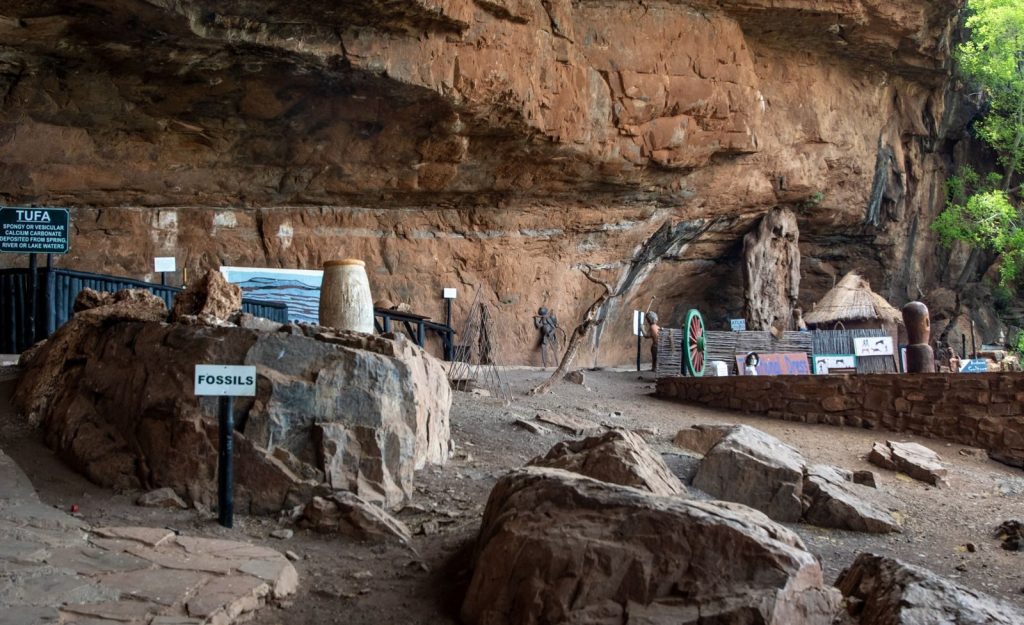
Human-origins research has often focused heavily on eastern and southern Africa. The Casablanca fossils, together with younger Homo sapiens remains from Morocco’s Jebel Irhoud site, strengthen evidence that northwestern Africa also played an important role.
This does not establish a single birthplace for humanity. Instead, it supports models in which connected populations across multiple African regions contributed to the emergence of our species.
The cave may have belonged mainly to predators
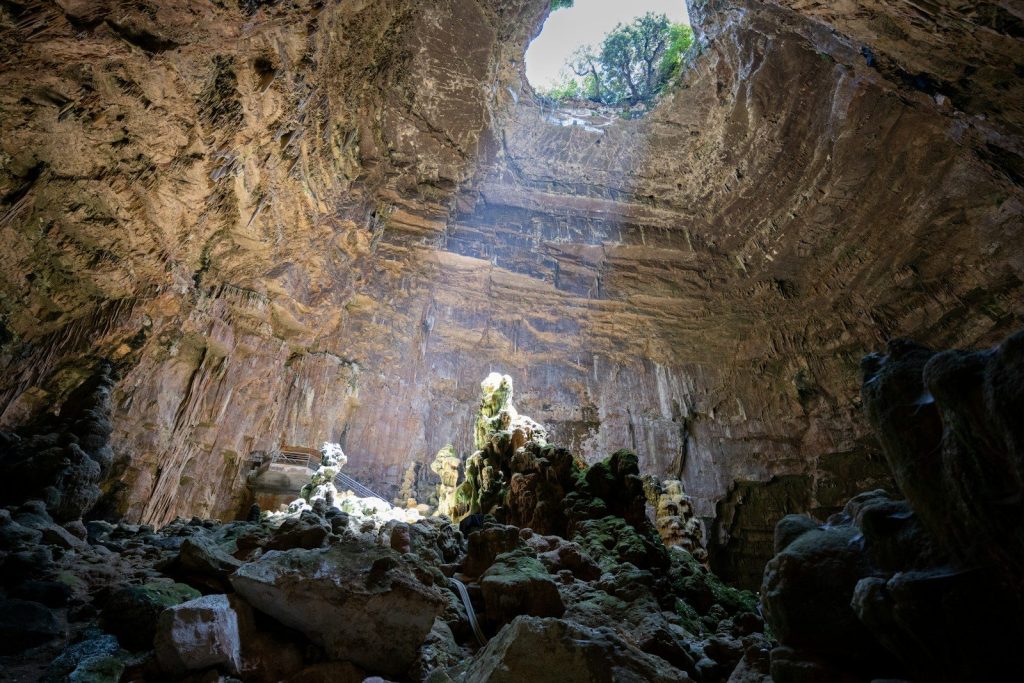
The site was not necessarily a permanent human home. Thousands of animal bones were recovered, and researchers interpret the cave primarily as a carnivore den that hominins visited only occasionally.
Tooth and gnaw marks on the human thigh bone indicate that a large predator, possibly a hyena, consumed or scavenged the body. Hundreds of stone artifacts show that hominins were nevertheless active within the surrounding landscape.
The discovery answers one question and raises several more
The fossils help fill an important chronological gap, but they do not produce a simple new family tree.
Researchers still need additional skull material, fossils from nearby periods, and ideally recoverable ancient proteins to clarify the population’s relationships. The discovery shows that early human evolution involved several geographically distributed populations whose traits were already diverging, mixing, and changing long before Homo sapiens appeared in recognizable form.
Leave a Reply