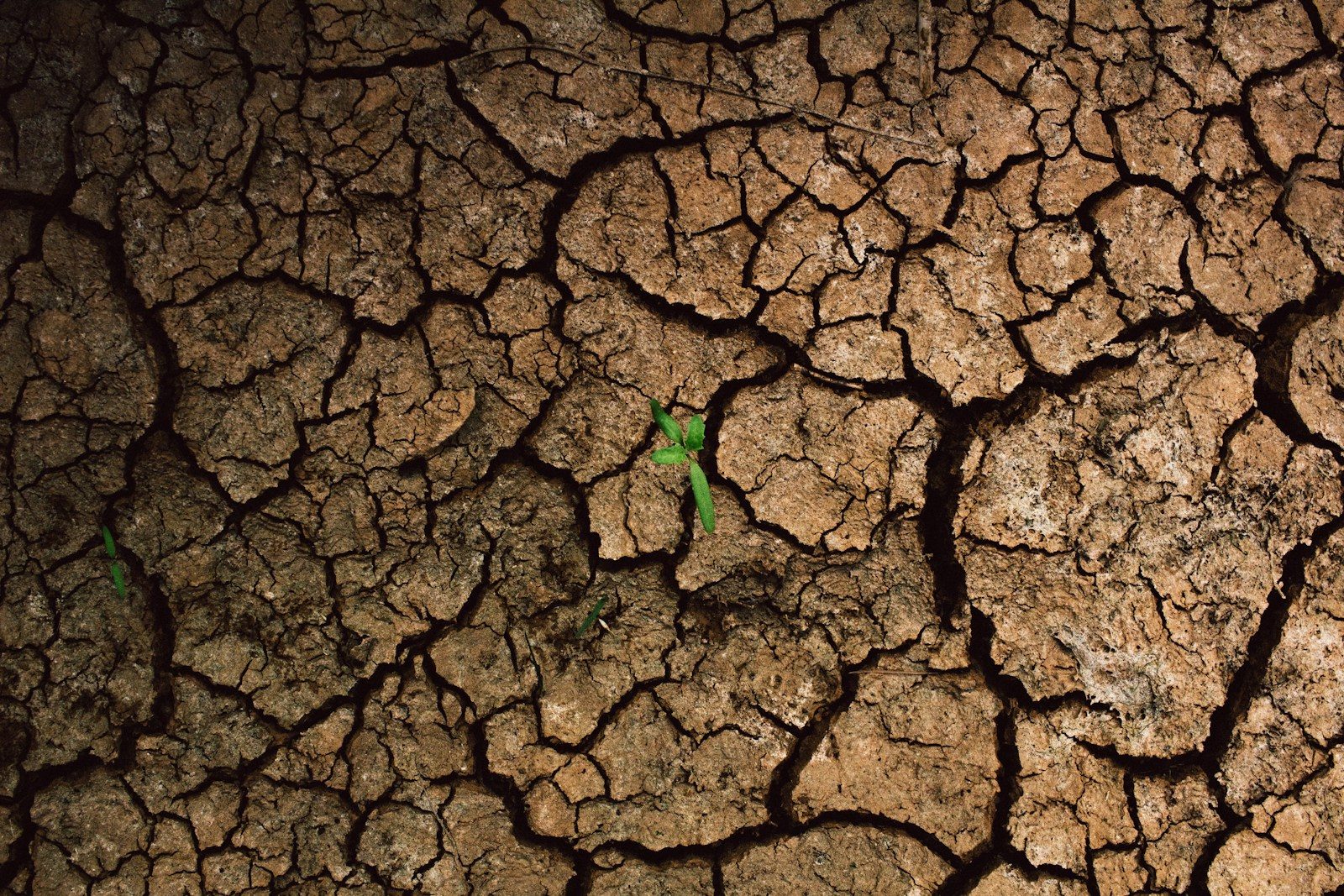
Water is the most precious resource on Earth, but it is disappearing from our reservoirs at a terrifying rate. In 2026, over half of the world’s population will be living in areas with severe water stress. But a new wave of “Drought-Fighting Tech” is hitting the news as the ultimate savior for our planet. We are no longer just digging deeper wells; we are building machines that can create water from nothing. From giant “fog catchers” to solar-powered atmospheric generators, the technology of 2026 is turning the driest places on Earth into green oases.
This isn’t just about surviving; it’s about thriving in a changing climate. These new devices are being deployed in record numbers across Africa, California, and Australia. They use a mix of nanotechnology and renewable energy to ensure that every human has access to clean drinking water. We are witnessing the end of the global water crisis. But how can you actually pull water out of the air in the middle of a desert?
Pulling Pure Water Out of Thin Air
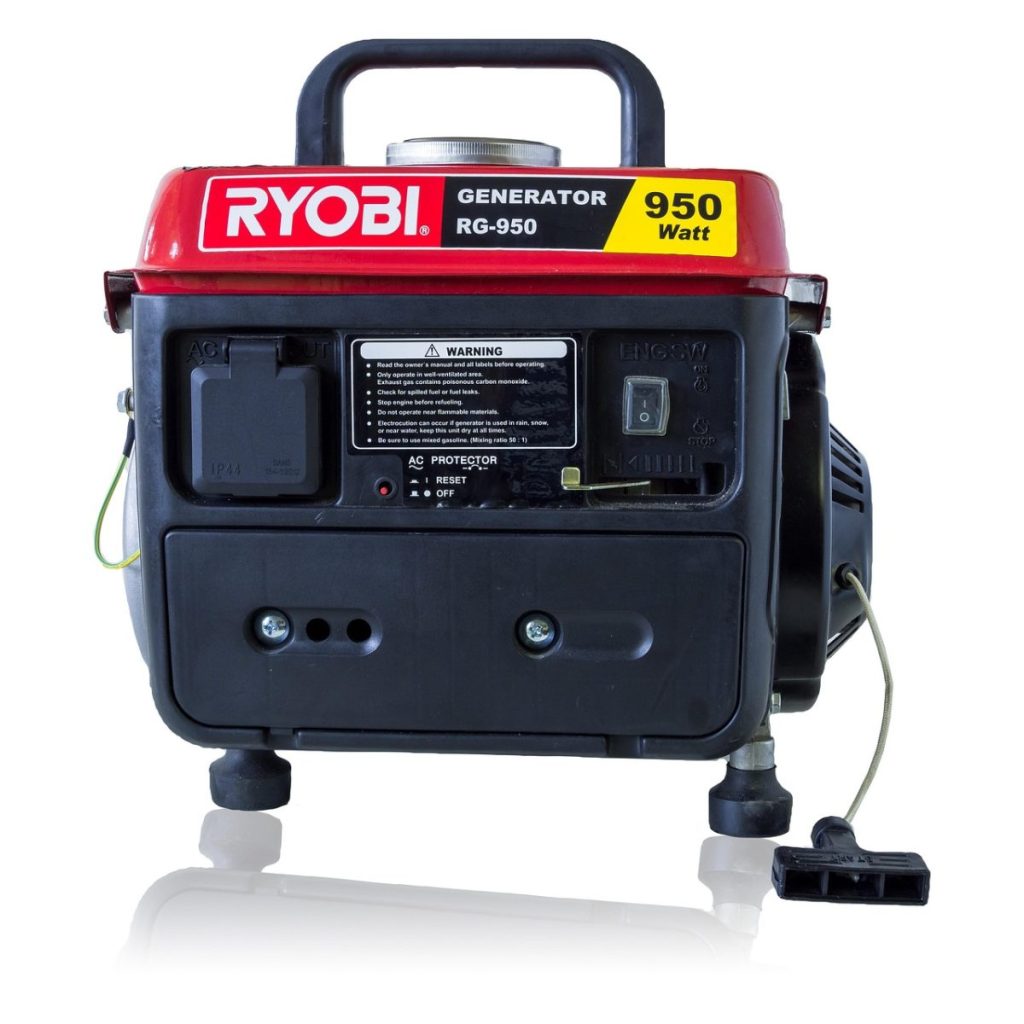
The secret lies in “Atmospheric Water Generators” (AWGs). These machines work like high-efficiency dehumidifiers. They pull in air, cool it down, and collect the condensation. The 2026 models are now small enough to fit on a kitchen counter and can produce 10 gallons of water a day using just the humidity in the room. Even in places with very low humidity, these machines use specialized “hydro-gels” to trap every single water molecule. But wait until you see the giant versions built into the mountains.
The Giant Net Catching the Fog
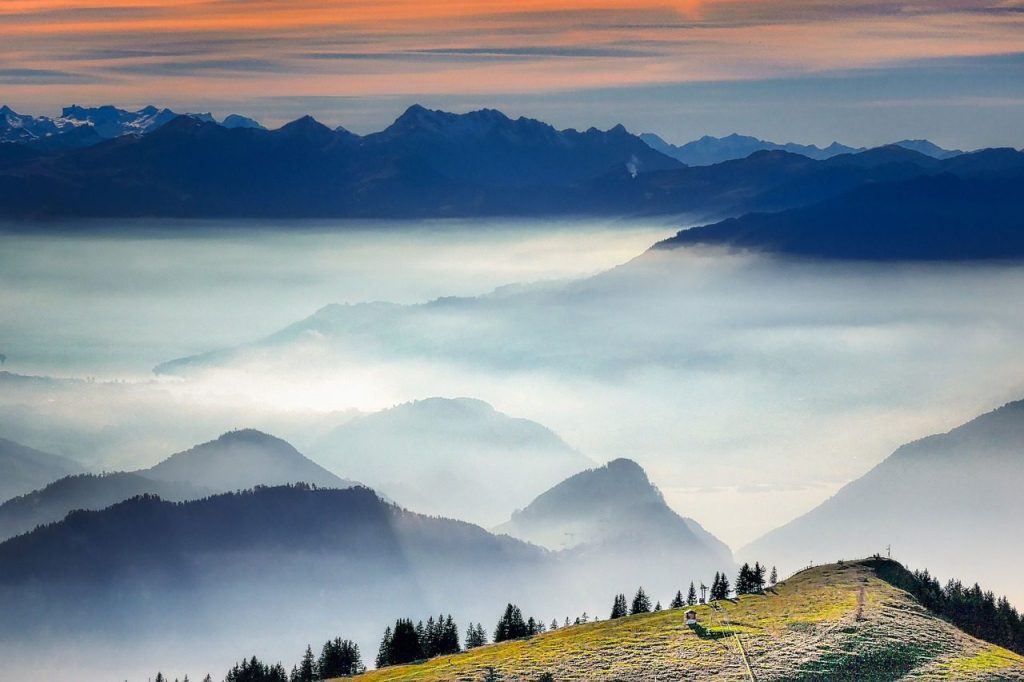
In coastal regions, scientists are using “Fog Nets” to provide water for entire villages. These nets are made of a new type of polymer that attracts water like a magnet. As the morning fog rolls in, the moisture clings to the net and drips into collection tanks below. This 2026 technology provides pure, mineral-rich water for free. It requires zero electricity and almost no maintenance. It is a masterpiece of passive engineering. But what happens when the desert starts to turn green?
Turning Deserts Into Green Valleys
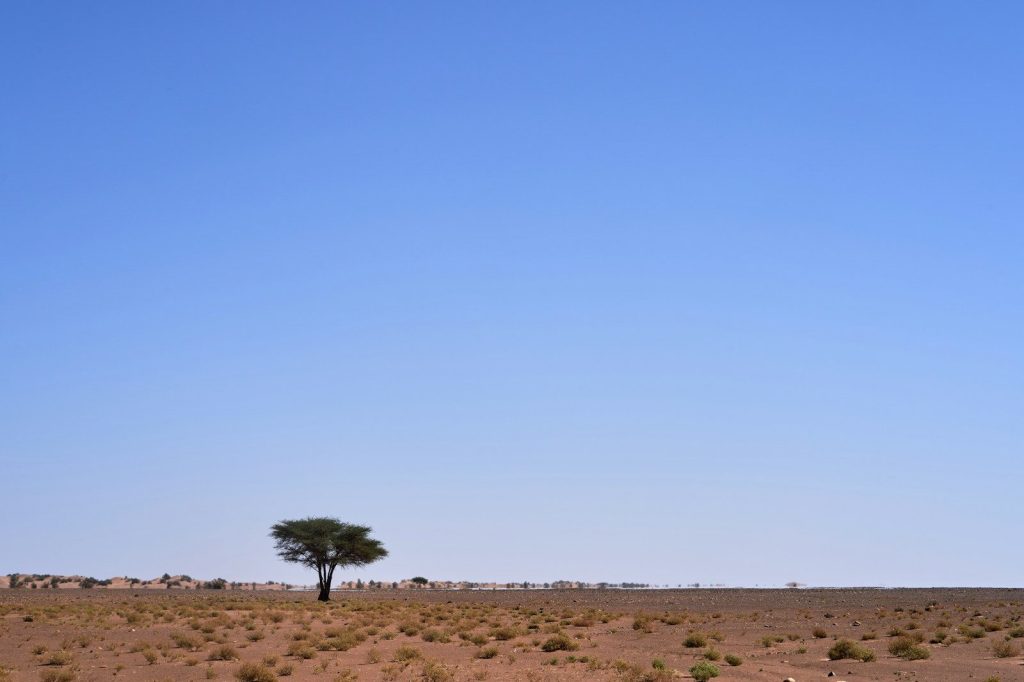
By combining water generators with “Liquid Nanoclay,” we are now able to grow crops in the middle of the Sahara. This clay coating allows sand to hold onto water and nutrients like regular soil. Farmers are using the water pulled from the air to irrigate their crops, creating a self-sustaining ecosystem in the wasteland. We are reclaiming the land that was lost to the sun. It is a biological miracle that is being scaled up as we speak. But is this technology affordable for everyone?
Affordable Water for Every Village
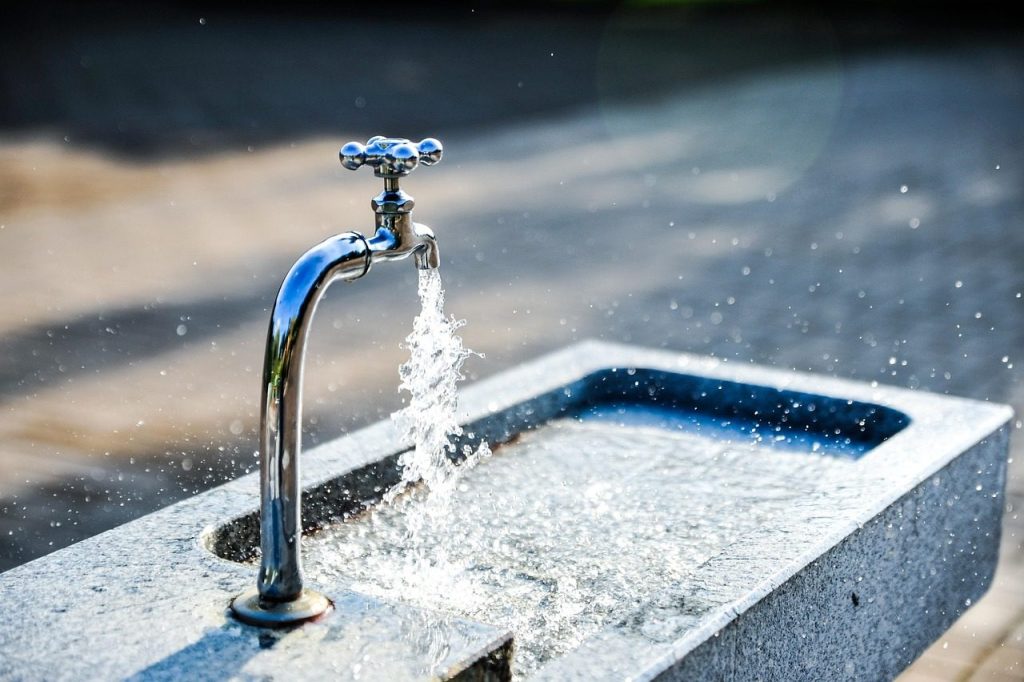
The biggest breakthrough of 2026 is the price. The manufacturing of these water generators has become so cheap that they are being distributed by NGOs for less than the cost of a smartphone. Governments are looking at “Water Independence” as the key to economic stability. A village that has its own water source can grow its own food and build its own industry. We are democratizing the most basic human need. But there is a solar secret behind all this power.
Solar Power Meets Water Innovation
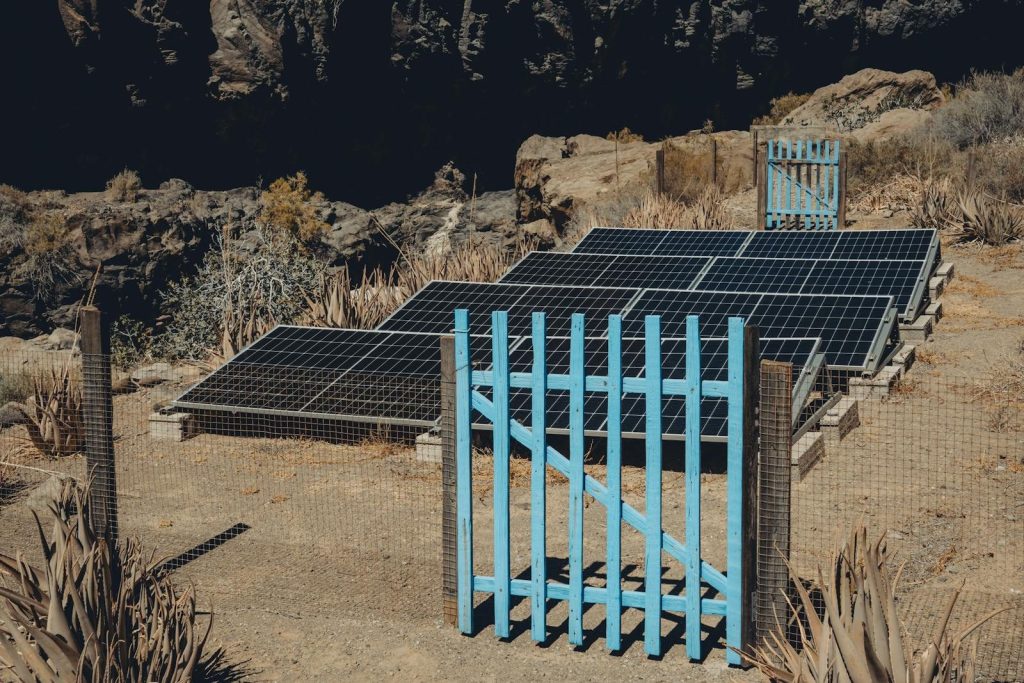
None of this would be possible without the latest solar cells. The 2026 “Transparent Solar” panels can be placed directly over the water collection tanks. They power the cooling systems during the day and protect the water from evaporating. It is a 100 percent renewable system that works even in the most remote areas. We have finally harnessed the sun to solve the problem it created. But can this tech actually prevent future wars?
Stopping the War Over Resources
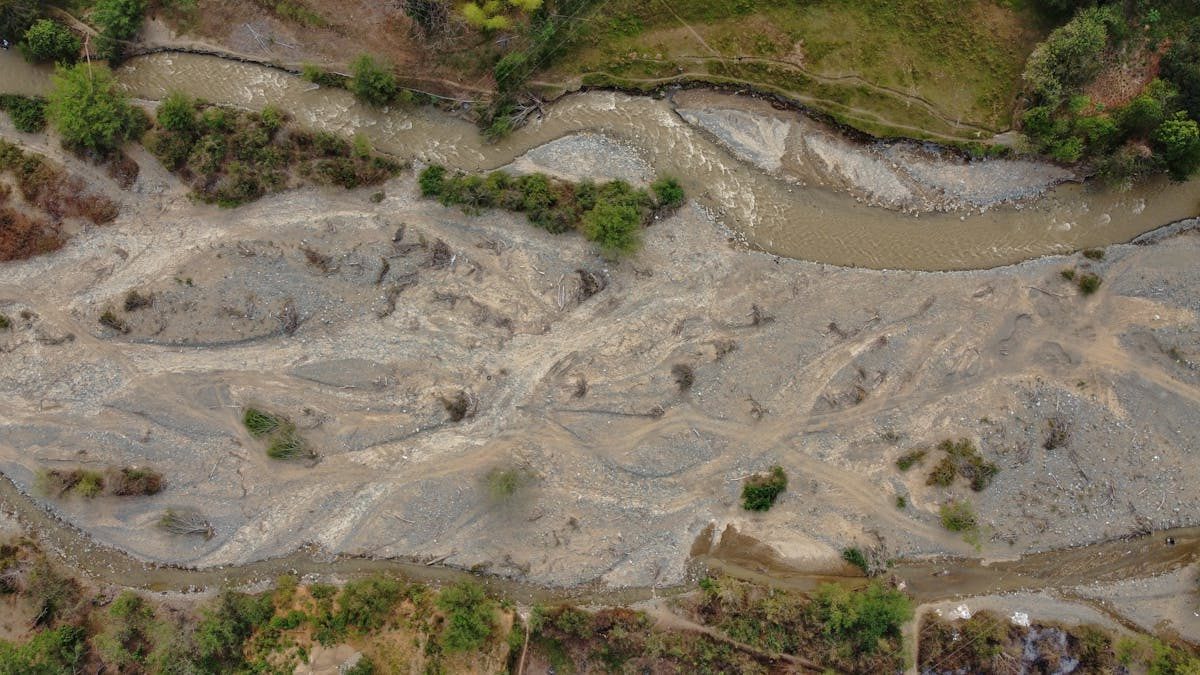
Historically, droughts have been a major cause of conflict between nations. When rivers run dry, neighbors fight over what’s left. By providing a way to “create” water locally, the 2026 drought tech is removing the trigger for these battles. It is the ultimate tool for global peace. We are moving from a world of scarcity to a world of abundance. But the search for water is also taking us deep into the ground.
The End of Thirst is Near
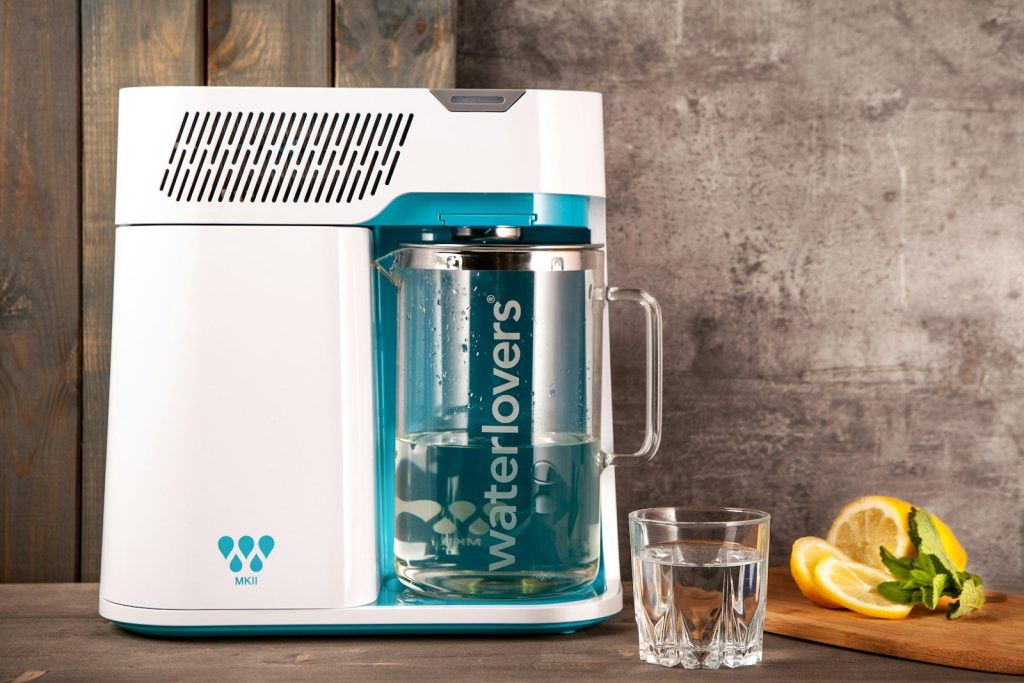
The countdown to a water-secure world has officially begun. Within the next decade, we expect to see these water generators in every home and every farm on the planet. We are learning to live in harmony with our climate rather than fighting against it. The future of the planet is bright, and it’s full of fresh water. But while we fix the water, our food is also undergoing a radical change. Have you heard about the cities being built under the soil?
The Future is Underground

While we pull water from the sky, we are also learning that the ground beneath our feet is the best place to grow our dinner. The surface of the Earth is getting too hot for traditional farming, so we are moving our crops into the cool darkness of the Earth. It is a subterranean revolution that is changing the face of our cities. Are you ready to see the farms of the future that never see the sun?
Featured Image: Photo by Bogomil Mihaylov on Unsplash
Leave a Reply