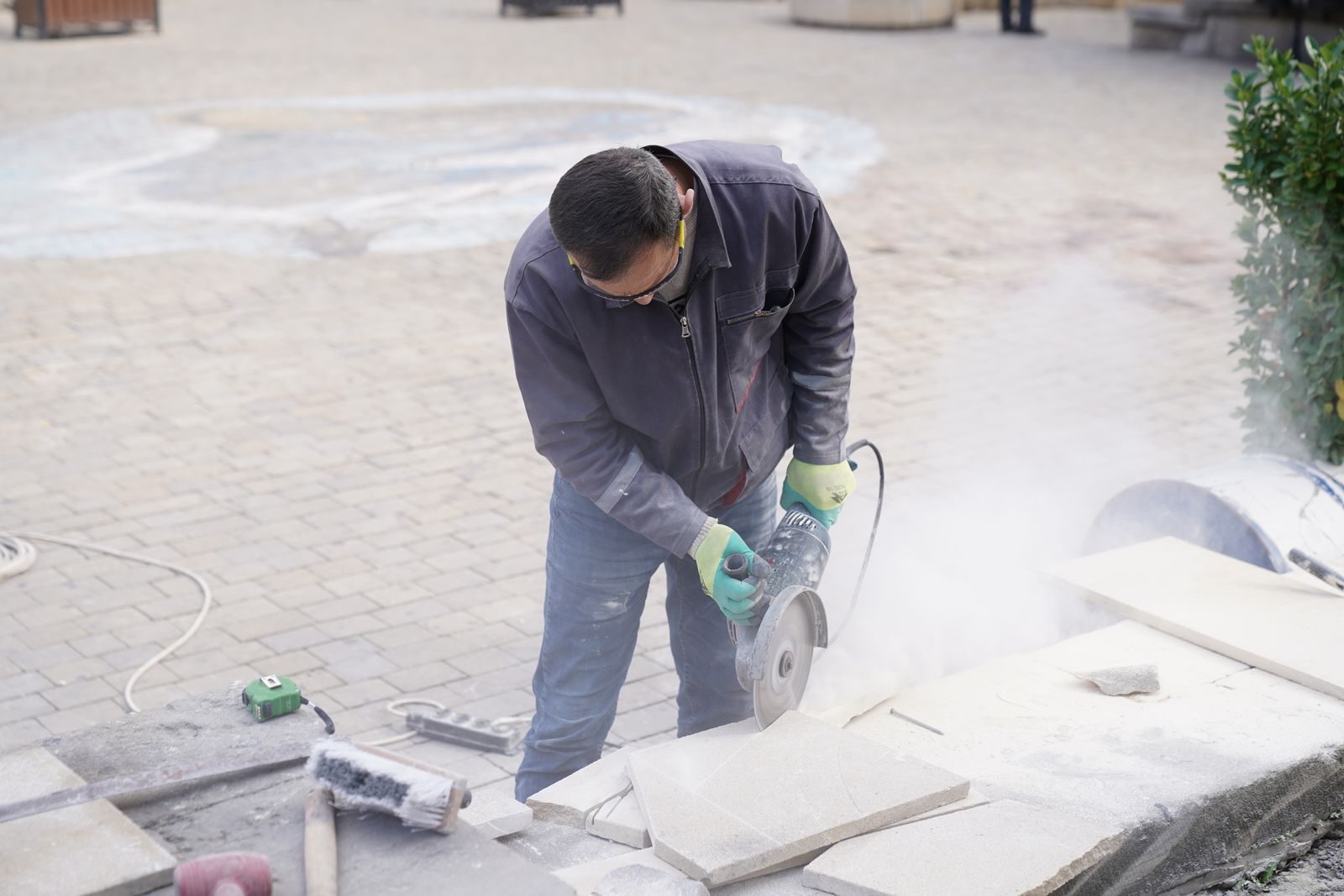
Conventional history textbooks suggest ancient workers constructed granite monuments using only simple copper chisels and wooden mallets. Readers picture thousands of laborers slowly pounding hard stone blocks for decades.
But precision grooves and drill marks inside ancient quarries reveal surprisingly advanced stoneworking methods. Physical evidence shows builders possessed specialized tools that produced clean cuts through dense granite.
Uniform Grooves Prove Drilling

According to mechanical engineering analysis at Manchester University, hollow cylindrical drill holes preserved inside granite sarcophagi show perfectly uniform spiral feeding grooves etched deep into stone. Drilling required immense force. Workers used tubular copper drills combined with abrasive quartz sand slurries to bore through rock. This ingenious abrasive grinding method allowed ancient technicians to cut through granite surprisingly fast.
Saws Carve Parallel Lines
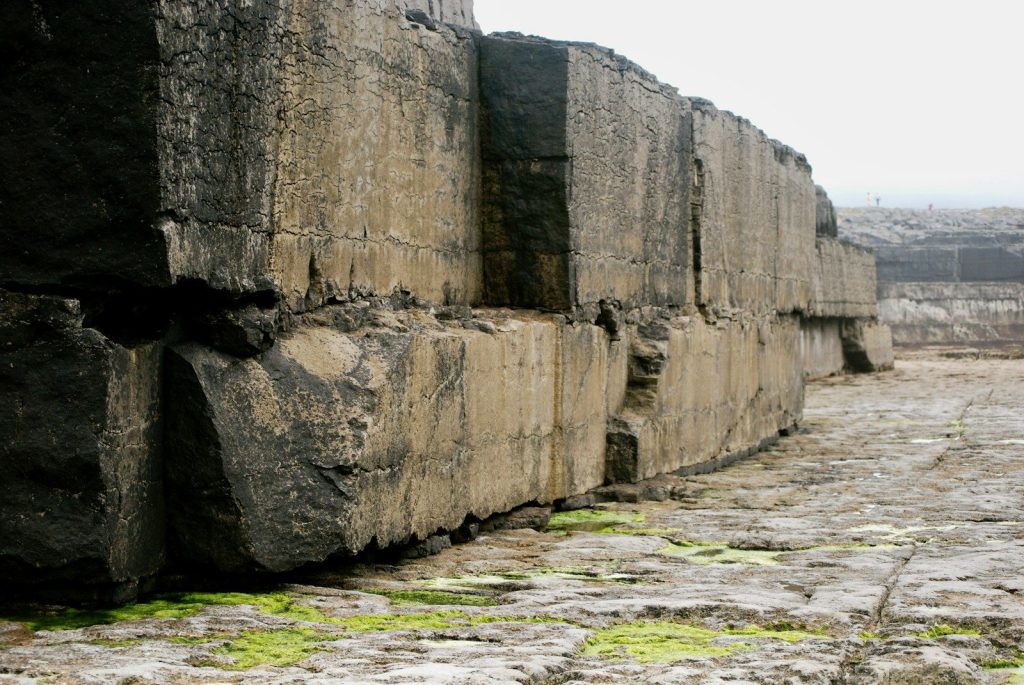
Curved saw marks preserved on giant basalt pavement blocks reveal long continuous cuts through dense igneous rock, according to stone tool studies by Egyptian archaeologists. Straight cuts required specialized gear. Copper blades tens of feet long were pushed by teams using heavy weights and abrasive pastes. Those heavy sliding movements carved flat surfaces that fit together with incredible precision.
Optically Flat Stone Sarcophagi

According to metrology measurements conducted by industrial engineers, granite box interiors inside subterranean vaults feature flat optical surfaces that do not deviate by more than a hair’s thickness. Precision levels prove astounding. Achieving such flat planes requires precision checking gauges and systematic polishing routines. Those ancient measurement standards allowed builders to align and slide massive stone weights over long distances.
Wet Sand Halves Friction

Transporting single stone blocks weighing over fifty tons required sophisticated logistics and road engineering, according to fluid mechanics research from Amsterdam University. Wet sand reduced friction significantly. Pouring precise water amounts directly in front of wooden sled runners halved required towing force. That basic engineering trick allowed teams to move monolithic stones toward acoustic chambers.
Chamber Shapes Amplify Sound

According to acoustic survey reports by British researchers, enclosed granite chambers exhibit unusual acoustic properties that amplify specific low-frequency sound waves. Sound vibrated stone walls. Interior chamber dimensions were built to match natural resonant frequencies of stone materials. This deliberate acoustic engineering may have served a purpose that vanished along with the tools themselves.
Metal Recycling Erases Tools
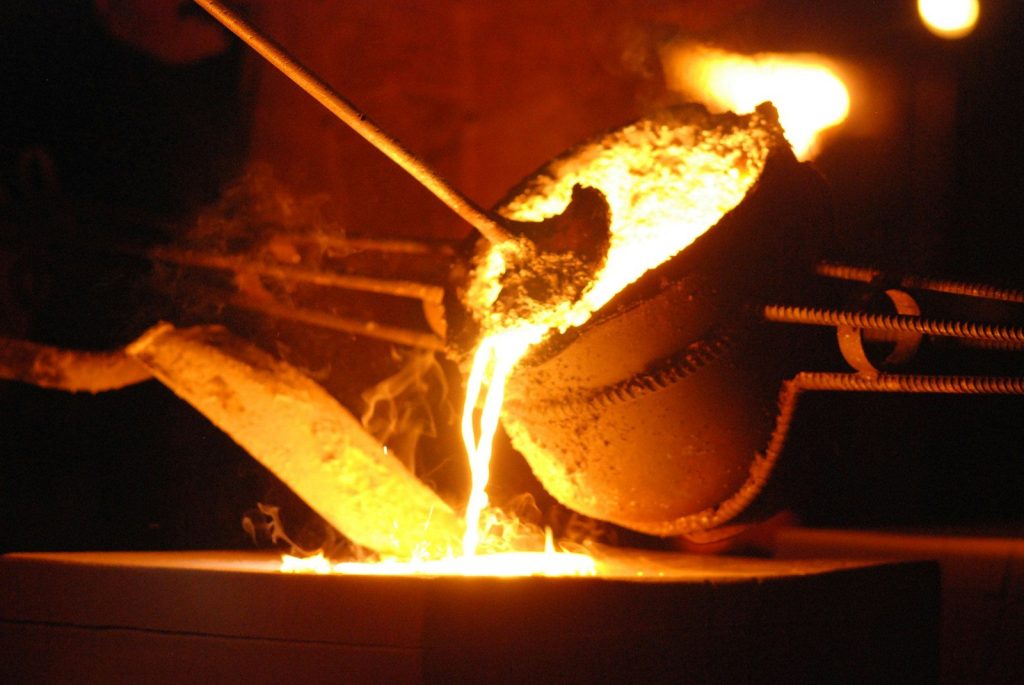
Very few bronze or copper stonecutting tools survive inside archaeological sites due to intensive metal recycling throughout ancient eras, according to metallurgical studies by Cairo Museum curators. Metals were melted down. Valuable tools were constantly re-forged into weapons and new equipment by subsequent generations. This constant reusing leaves modern researchers looking for clues inside the monuments themselves.
Rethinking Early Civilizations’ Genius
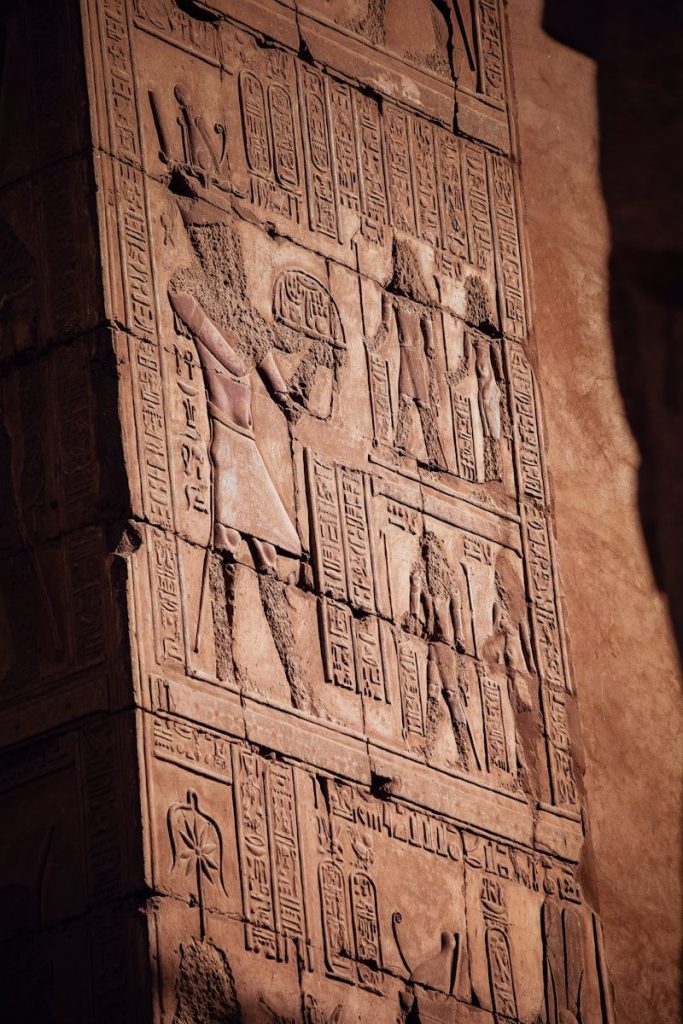
Re-examining ancient stonework with modern engineering tools reveals remarkable technical ingenuity without requiring mythical explanations. Early civilizations possessed deep empirical knowledge of material physics, friction reduction, and geometry. According to international engineering societies, analyzing ancient craftsmanship offers lasting respect for human problem-solving capacity throughout history. This article is for informational purposes only and does not constitute professional historical advice.
Featured Image: Photo by Tahir Xəlfəquliyev on Pexels
Leave a Reply