Ötzi the Iceman is the most famous mummy in the world. Found frozen in the Alps in 1991, he has been poked and prodded by scientists for over 30 years. We thought we knew everything about him: his age, his diet, and even his last words. But a revolutionary new DNA analysis has just pulled the rug out from under everything we believed. The “shocking truth” is that Ötzi’s ancestry is nothing like that of the modern Europeans who live near where he was found. In fact, he is a genetic time capsule from a group that has almost completely disappeared.
The latest study has revealed that Ötzi had much darker skin and a much more significant degree of baldness than previously thought. The earlier artistic reconstructions showed him as a light-skinned, hairy mountain man, but the DNA proves those were wrong. He wasn’t a “local” in the way we understood. He belonged to a lineage of early farmers who migrated from Anatolia, which is modern-day Turkey. This discovery is changing the face of European history. But why did his DNA stay so pure for so long?
The Mystery of the Isolated Bloodline
Ötzi lived about 5,300 years ago, a time when Europe was a melting pot of different cultures. However, his DNA shows that his ancestors didn’t mix much with the local hunter-gatherers. He belonged to a very isolated community that kept its Anatolian roots alive for thousands of years. This genetic isolation is incredibly rare. It suggests that Ötzi’s people lived in a secluded valley, perhaps protecting their own traditions and trade secrets. They were the “outsiders” of the Copper Age. But his DNA revealed more than just his family tree; it showed his health secrets, too.
The First Record of a Heart Condition
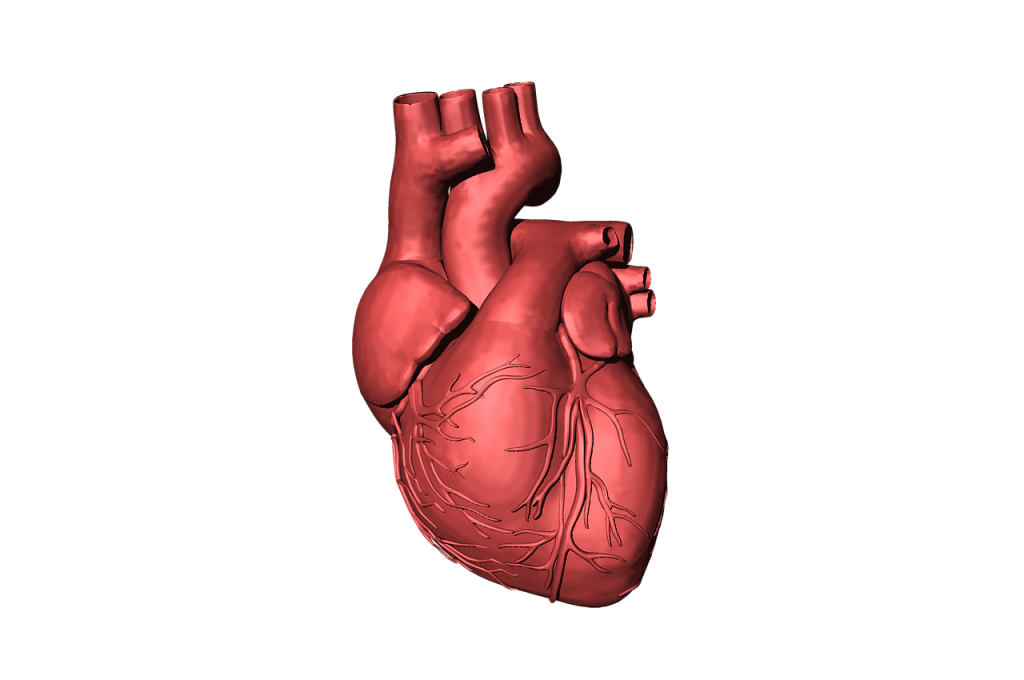
You might think heart disease is a modern problem caused by fast food, but Ötzi’s DNA says otherwise. He had a strong genetic predisposition for cardiovascular disease. Despite his active lifestyle and lack of processed sugar, his arteries were already starting to harden. He is now the oldest known case of someone with these genetic markers. It proves that our “modern” health struggles have been with us for thousands of years. But his DNA also carried a much more immediate threat.
A Hidden Infection in the Iceman’s Gut
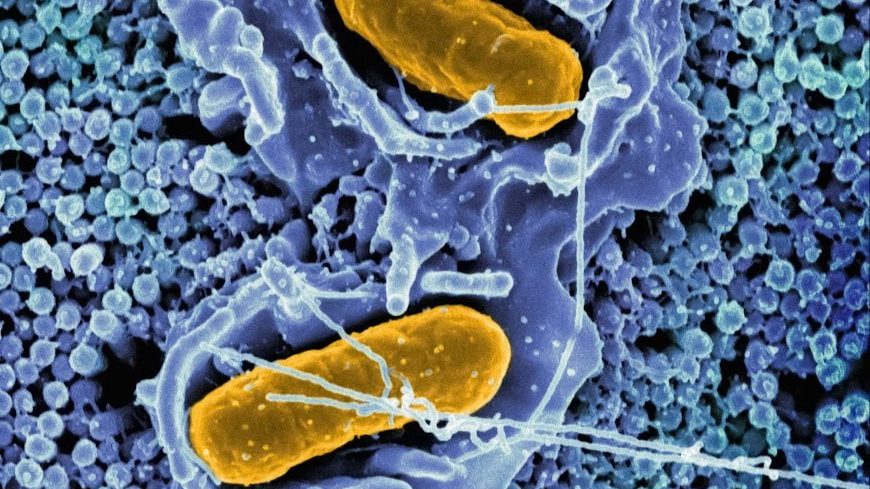
Inside Ötzi’s stomach, researchers found the DNA of H. pylori, a bacterium that causes ulcers. This specific strain is also helping scientists track how humans moved across the globe. By studying the “stomach bugs” of the Iceman, we are learning about the migration patterns of ancient people. It’s a biological map of the world before the first cities were even built. Ötzi was likely in a lot of pain during his final journey. But his stomach also contained the secret of his very last meal.
The High-Fat Diet of a Copper Age Hunter
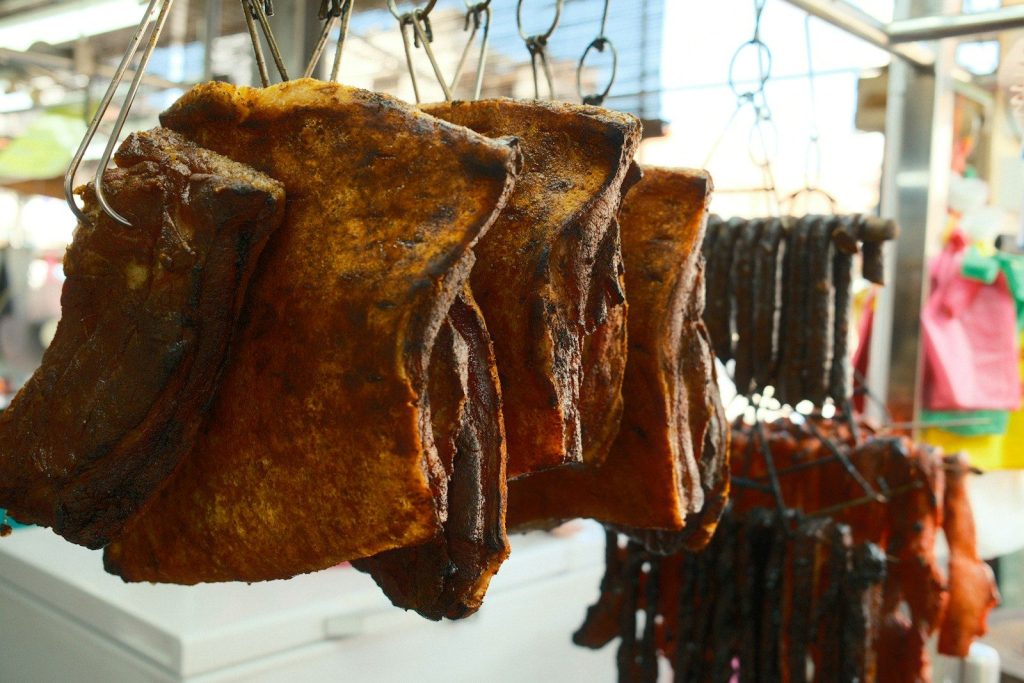
Ötzi wasn’t eating light. His last meal consisted of dried ibex meat, deer, and ancient grains. It was a meal designed for survival in the brutal cold of the high Alps. The high-fat content provided the energy he needed to climb through the snow. This diet is a stark contrast to what we see in modern agricultural societies. He was a man of the wild, relying on the animals he hunted. This meal was eaten just hours before his violent end. But wait until you see the weapon that was used to stop him.
The Arrowhead That Solved a Murder
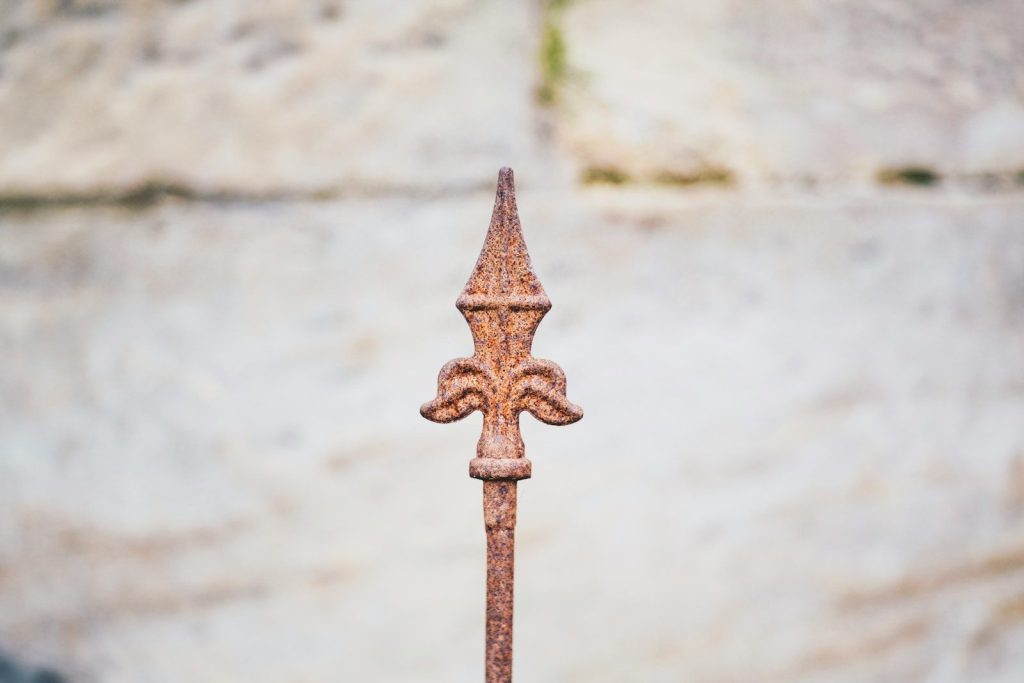
For years, people thought Ötzi simply froze to death. But X-rays revealed a stone arrowhead lodged in his shoulder. He was shot from behind. The DNA on his clothes also shows the blood of four other people. He was likely involved in a high-stakes battle or a long-distance pursuit. He died as a warrior, defending his territory or perhaps his treasure. The “murder mystery” of the Iceman is one of the oldest cold cases in history. But his belongings reveal he was much more than just a fighter.
The Fashion Secrets of the High Alps
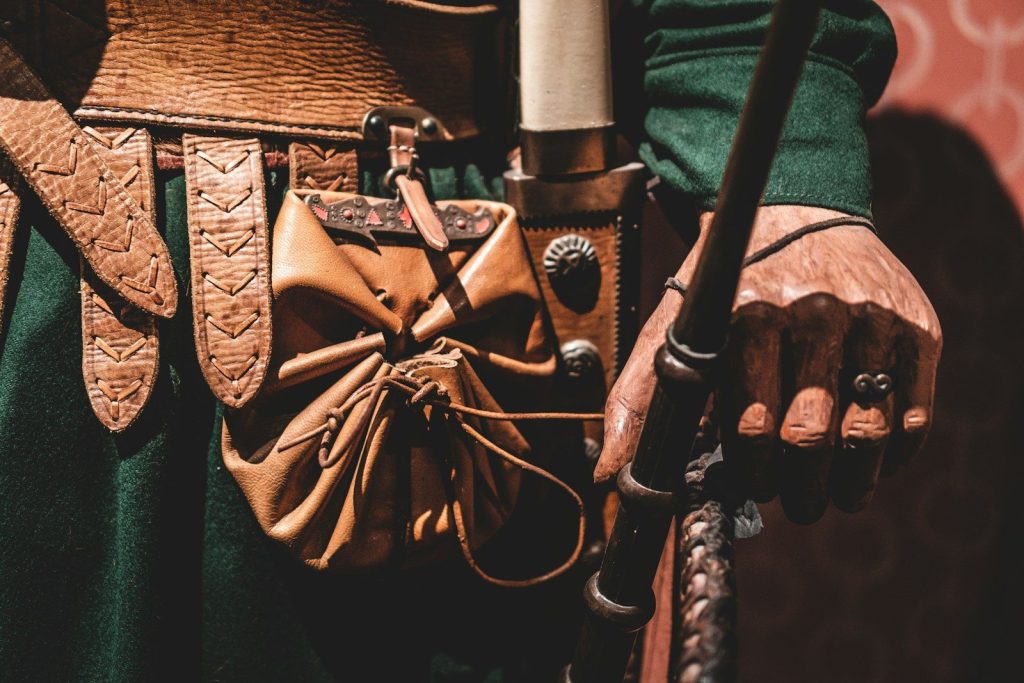
Ötzi was wearing a sophisticated outfit made of leather from five different animal species. His shoes were stuffed with grass for insulation, and he carried a high-tech (for the time) copper axe. This axe was a symbol of immense wealth and power. The DNA analysis of his clothing shows he was part of a society that had a deep understanding of tailoring and animal husbandry. He wasn’t a “primitive” man; he was a highly skilled professional. But where are the rest of his people hiding?
The Search for Ötzi’s Lost Village
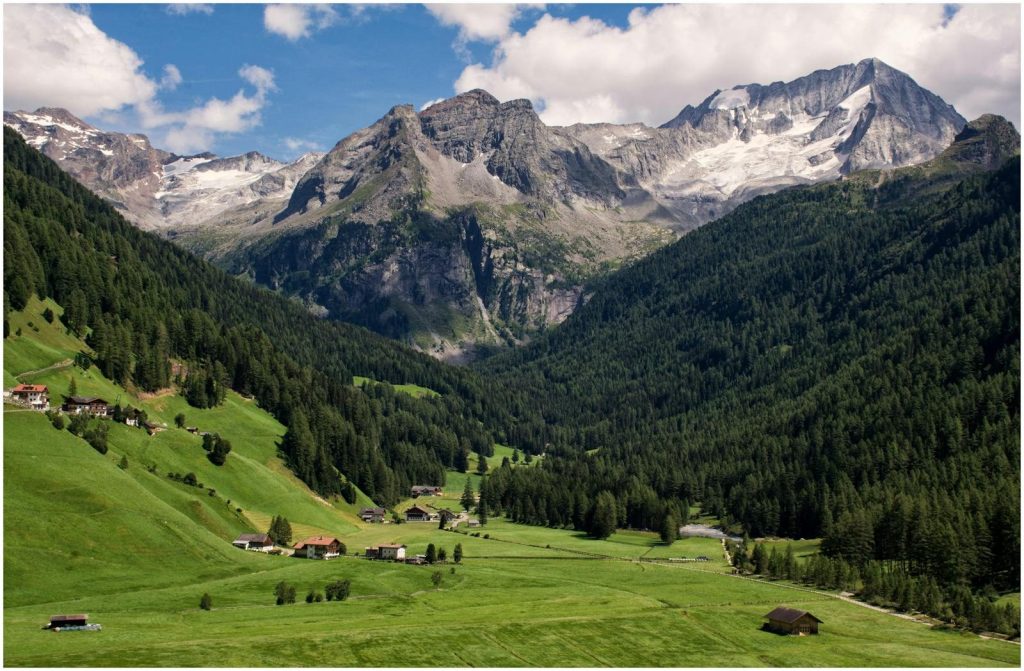
Now that we have his DNA map, scientists are searching for his descendants. They are looking at the modern populations of Sardinia and Corsica, where his genetic signature is most common. We are trying to find the “lost village” where Ötzi might have grown up. This search is taking archaeologists into remote valleys that haven’t been explored in decades. We are tracing the path of his people across the continent. But wait until you see what we found hidden behind a wall in an ancient temple.
The Future of the Iceman’s Legacy
Ötzi is no longer just a mummy; he is a bridge to our past. Every new technology we invent gives him a new voice. As we move into 2026, we are using AI to reconstruct his exact vocal cords to hear what he might have sounded like. The “Iceman” continues to surprise us, proving that the more we look, the more we find. He is a reminder that our history is written in our blood. Are you ready for the secret rooms that were just found by a laser in the jungle?
Featured Image: Photo by Tatyana Dobreva on Unsplash
Leave a Reply