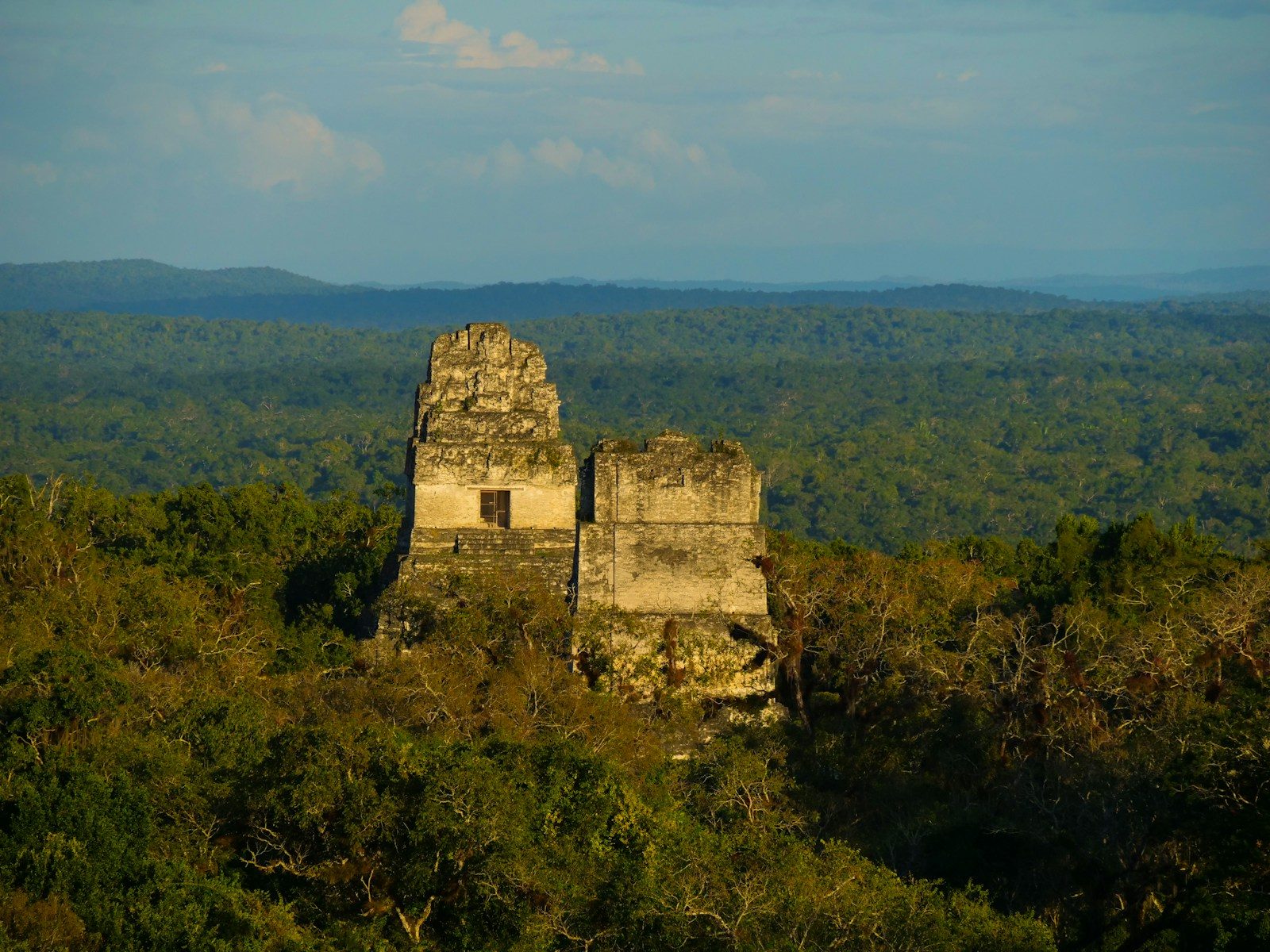
For decades, the collapse of the Mayan Empire has been one of history’s greatest “whodunnits.” The standard theory taught in schools is that a massive, prolonged drought dried up their reservoirs and killed their crops. It was a story of environmental failure that served as a warning for our modern world. But a team of scientists digging deep into the mud of ancient lake beds has just found evidence that completely debunks the drought theory. By analyzing “fossilized” soil samples, they have discovered that the water levels during the collapse were actually quite high.
The dirt doesn’t lie. These new samples show that the Maya were actually surrounded by lush vegetation and plenty of rainfall right up until their cities were abandoned. If it wasn’t thirst that killed them, then what caused millions of people to walk away from their homes? The answer was hidden inside the chemical composition of the soil itself. It reveals a much more complex and tragic story than we ever imagined.
The Old Theory That Was Just Blown To Pieces
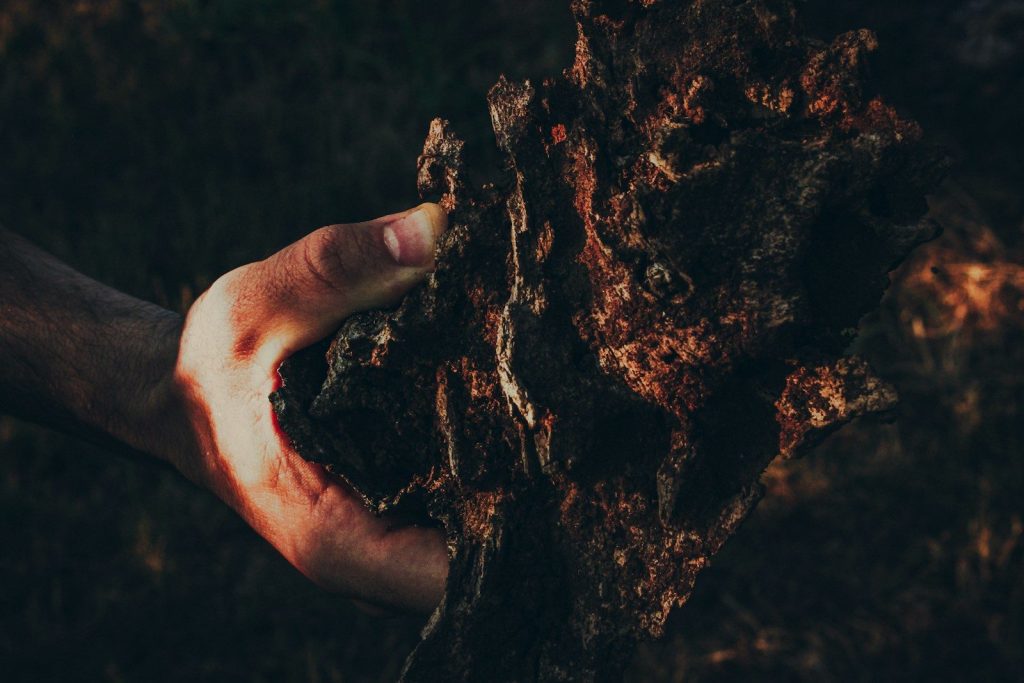
The “drought theory” was based on tree ring data from hundreds of miles away. It was a guess that seemed to make sense. But when scientists took core samples from the actual earth where the Maya lived, they found a different story. The layers of mud from the 9th century are packed with pollen from water-loving plants.
This proves that the wetlands were thriving during the supposed “dry” period. The Maya didn’t run out of water; they were actually living in a tropical paradise. So, why did they stop building their giant pyramids? The secret wasn’t in the sky, but in the ground they were walking on.
Why The Dirt Samples Reveal A Toxic Secret
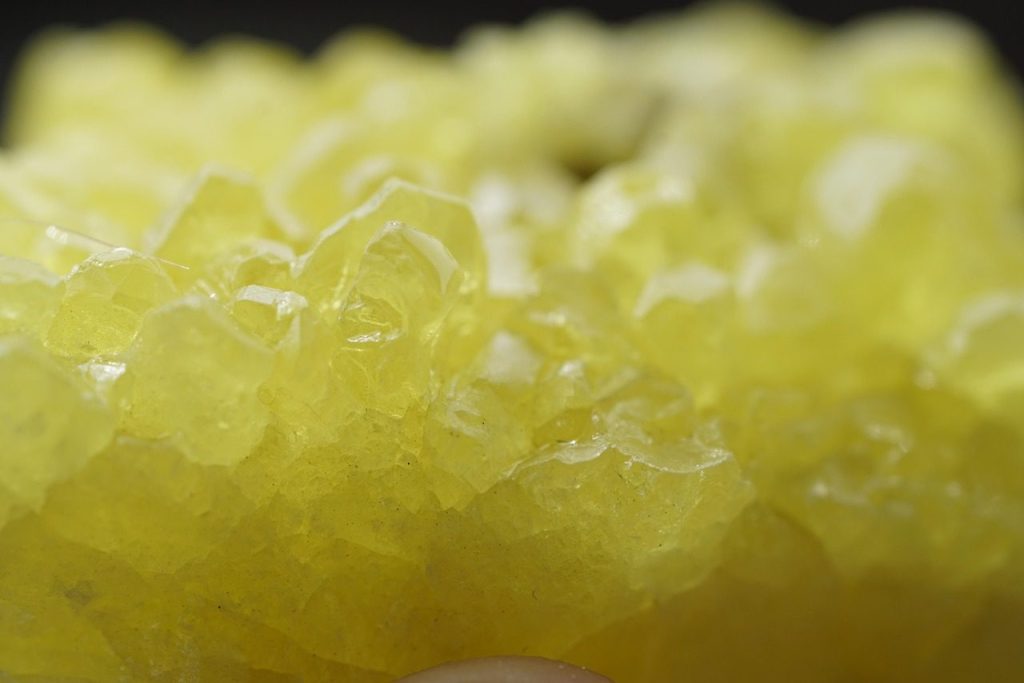
When researchers looked closer at the soil chemistry, they found something alarming: mercury. High levels of this toxic metal were found in the ground surrounding almost every major Mayan city. This wasn’t a natural occurrence. The Maya used cinnabar, a bright red mineral containing mercury, to paint their buildings and their own bodies.
Over centuries, this poison washed into their water systems and soaked into their farmland. They were essentially living in a toxic waste dump of their own making. The soil samples show that the ground was becoming deadlier every year. But mercury poisoning was only part of the problem.
The “Perfect Storm” Found Inside The Core Samples
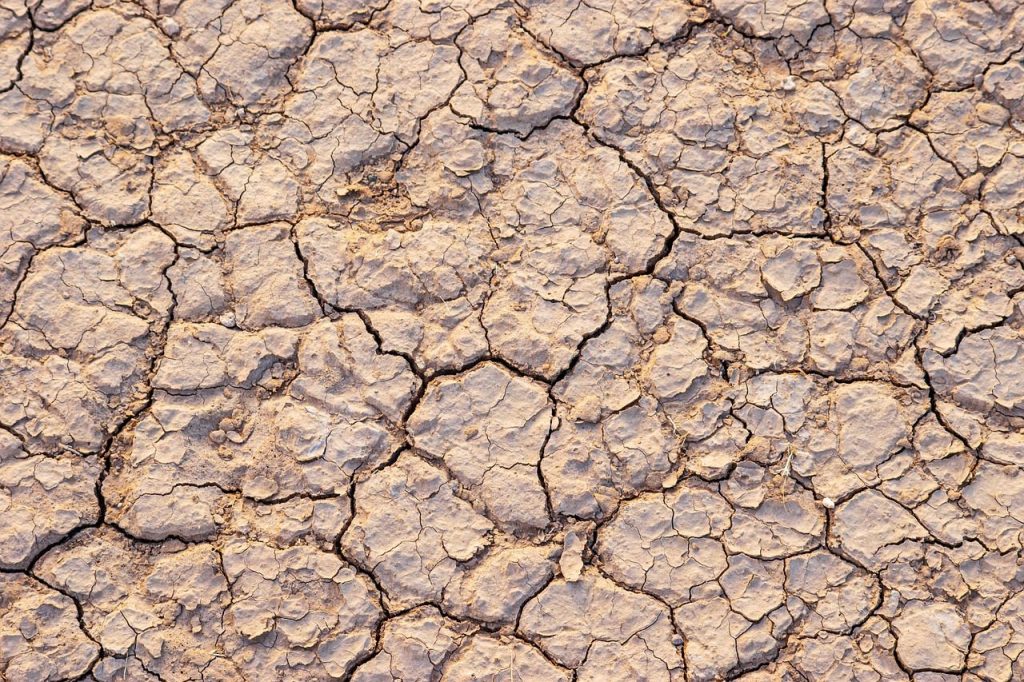
The soil didn’t just show poison; it showed a massive increase in salt levels. The Maya used an intensive farming method called “slash and burn.” While this worked for a while, the soil samples reveal that it eventually destroyed the nutrients in the earth. To keep the crops growing, they had to use more and more fertilizers that eventually turned the soil salty and useless.
It was a slow-motion disaster. Their “super-farms” were failing even though it was raining every day. The population was growing, but the land was dying. This created a crisis that no amount of prayer to the gods could fix. But there is one more detail in the mud that changed everything.
The Hidden Evidence Of A Social Revolution
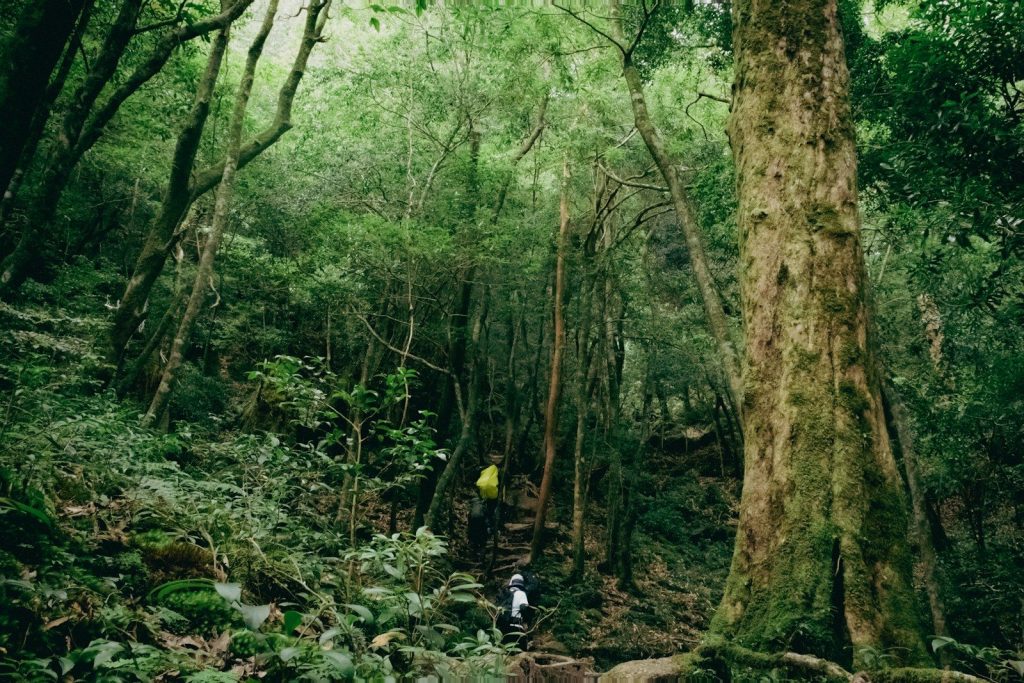
In the final layers of soil from the “collapse” era, scientists found a sharp drop in luxury goods and a surge in common tools. This suggests that the people didn’t just die off—they revolted. The soil around the palaces shows signs of intentional burning and destruction.
The regular citizens were likely fed up with their leaders, who kept demanding more food from failing farms. They didn’t starve to death in their beds; they fought back and then moved away to find better land. The “collapse” wasn’t an ending, but a mass migration. But where did millions of people go?
Why Modern Farmers Are Studying Ancient Mud
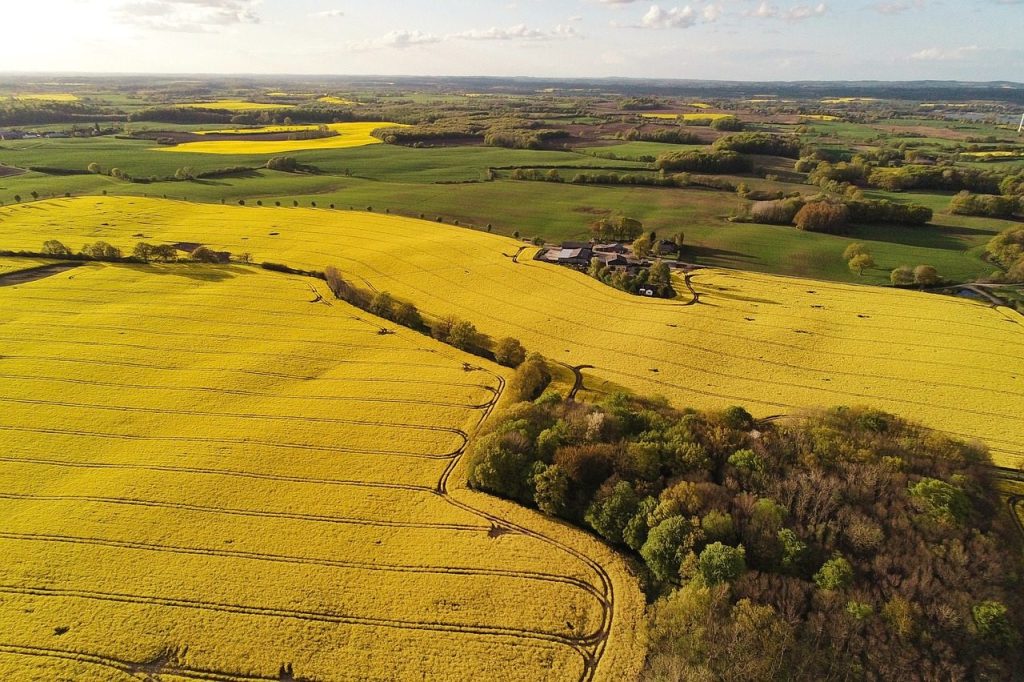
The story of the Maya is being used today to save our own farms. We are currently using the same “intensive” methods that ruined the Mayan soil. By studying these ancient samples, modern agriculturalists are learning how to prevent “soil exhaustion.”
We have found that the Maya eventually learned to fix their soil in smaller villages, away from the big cities. These “survivor farms” used a mix of different crops that kept the earth healthy. It turns out that the small-scale farmers were the ones who truly knew how to survive. Is our modern food system making the same mistakes?
The Maya Never Actually Disappeared

One of the biggest myths is that the Maya “vanished.” In reality, millions of Maya descendants still live in Central America today. The soil samples prove that they simply changed their way of life. They moved from giant, toxic cities to sustainable forest gardens.
They gave up their kings and their pyramids for a life that was better for the planet. The “mystery” of their collapse is only a mystery because we were looking at it from the wrong perspective. We thought they failed because their cities died, but they actually succeeded by leaving them behind. But what about the other civilizations that didn’t make it?
What The Next Dig Might Reveal About Our Future
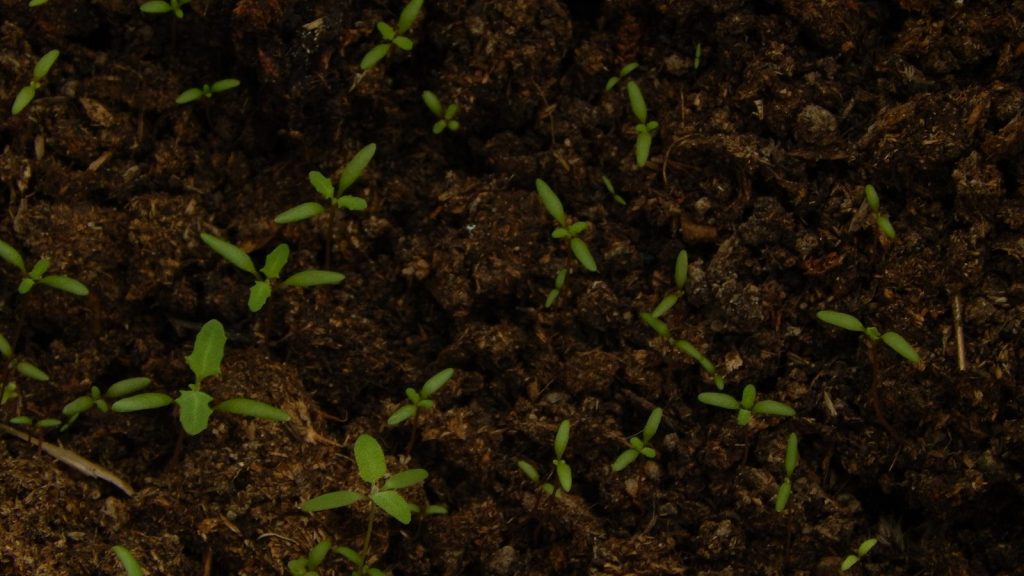
Scientists are now taking soil samples from ancient cities all over the world. From the Indus Valley to Angkor Wat, the story is the same. It is rarely just one thing, like a drought or a war. It is almost always a slow decay of the ground beneath their feet.
As we look at our own changing climate, these dirt samples are a crystal ball. They tell us that as long as the soil is healthy, civilization can survive anything. Aber if we lose the earth, we lose everything. Are we set to listen to what the mud tells us?
Featured Image: Photo by Florian Delée on Unsplash
Leave a Reply