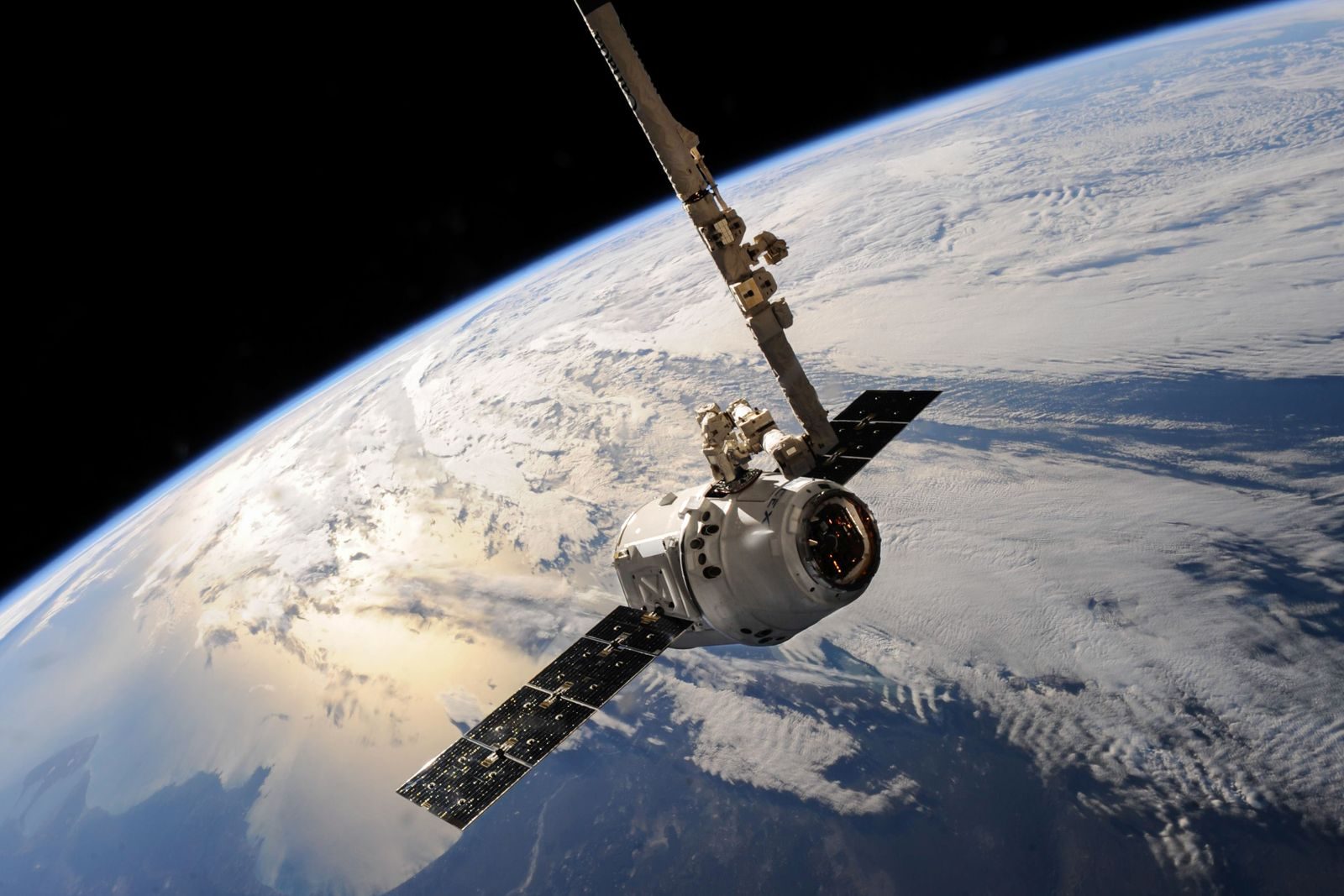
Most people believe that reaching Mars requires simply building a larger rocket booster. We assume a massive spaceship can launch directly from Earth to the red planet.
But the laws of physics make direct travel nearly impossible. A highly complex refueling system in low Earth orbit is the actual key to interplanetary travel.
The Brutal Tyranny Of Rockets
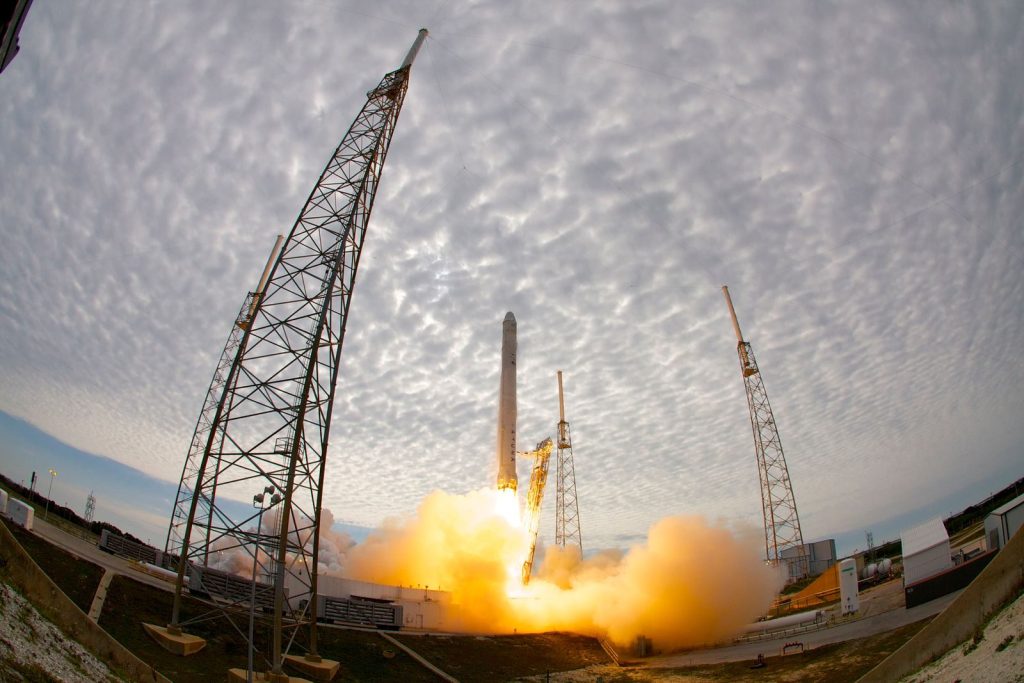
Escaping the gravity well of Earth requires an immense amount of energy. According to physics calculations, a rocket must carry mostly fuel just to lift its own weight into space. This leaves very little mass for cargo or astronauts. Gravity is a relentless force. To send a heavy ship to another planet, scientists must find a way to cheat this mathematical limit. But the solution requires a massive orbital feat.
A Gas Station In Orbit
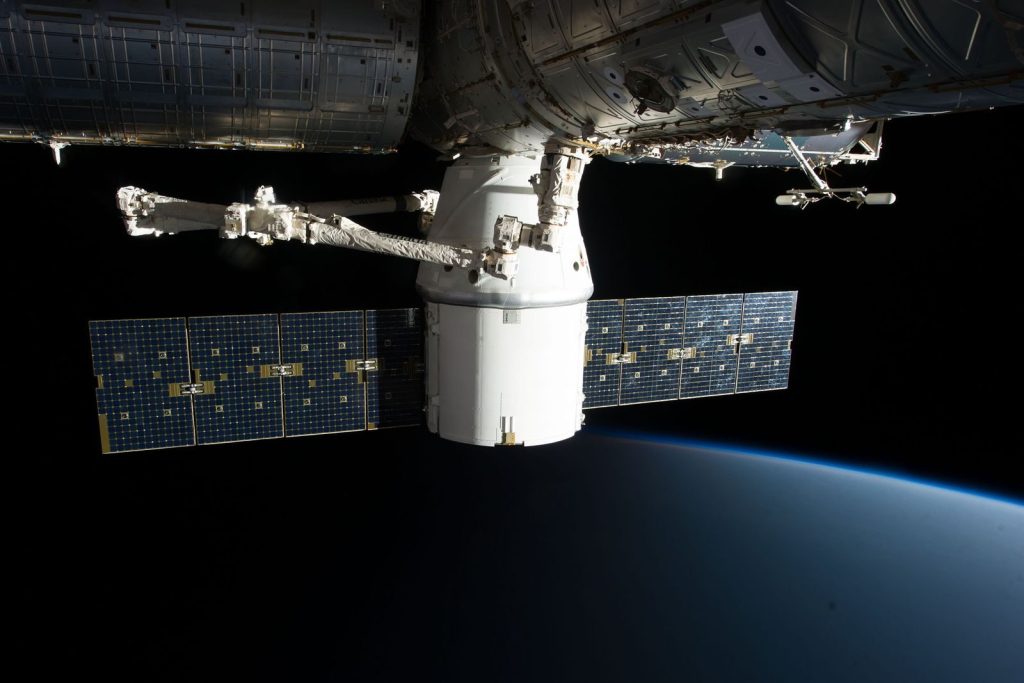
The plan to reach Mars relies on creating an orbital propellant depot. According to mission outlines from SpaceX, the giant ship will launch into space completely empty of passenger fuel. A series of tanker ships will then launch behind it to load it up. Space is the highway. This process essentially resets the rocket equation by refueling the vessel once it escapes Earth’s gravity. But docking these massive ships is incredibly difficult.
Taming The Cryogenic Liquids
Keeping fuel extremely cold in the harsh environment of space is a major challenge. According to thermal engineering studies, liquid oxygen and methane boil away rapidly if exposed to direct sunlight. Engineers must design highly advanced insulation shields to protect the tanks. Space is brutally hot. If the fuel warms up even slightly, the entire refueling process can fail. But another force makes transferring liquids in zero gravity even harder.
Moving Fuel Without Gravity

Without gravity, liquids float around inside a tank like giant bubbles. According to fluid dynamics research, pumps cannot easily draw fuel when it is drifting aimlessly. Engineers must use small thrusters to create a slight artificial gravity. Physics demands a solution. This gentle acceleration forces the liquid to settle at the bottom of the tank so it can flow. But the rate of transfer must be incredibly fast to succeed.
The Scale Of Orbital Tankers
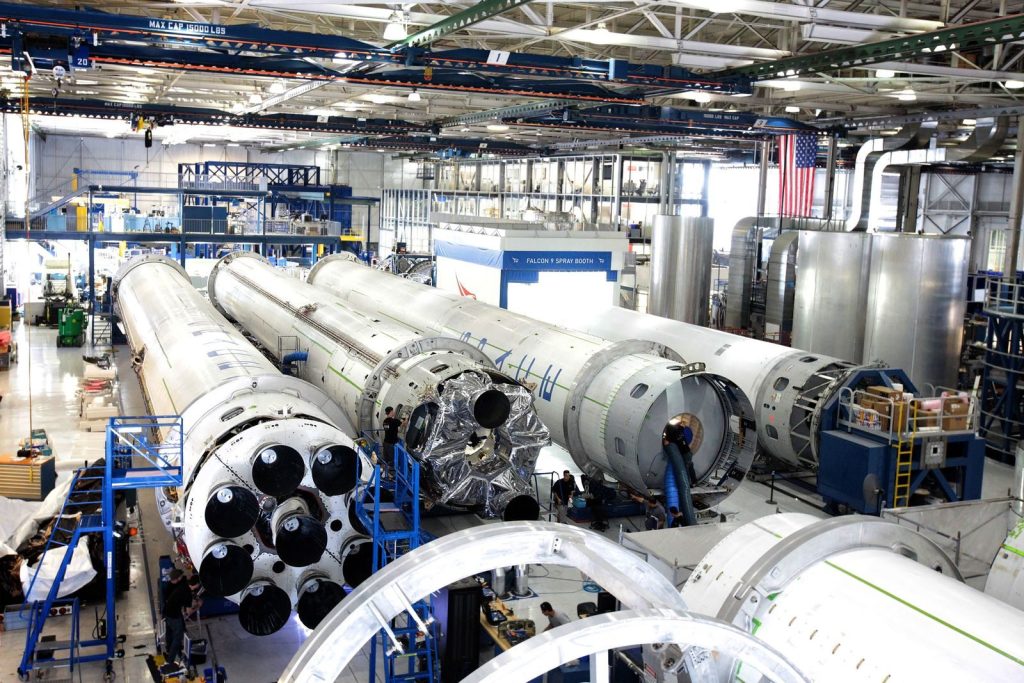
Refueling a single ship requires multiple heavy launches. According to operational plans from NASA, it will take several tanker flights to completely fill a single Mars-bound vessel. This requires an unprecedented rate of rocket launches. Efficiency must be absolute. The booster must fly, land, and launch again within hours to make this logistically feasible. But human history has never seen such an intense launch cadence.
Reusability Is The Only Way
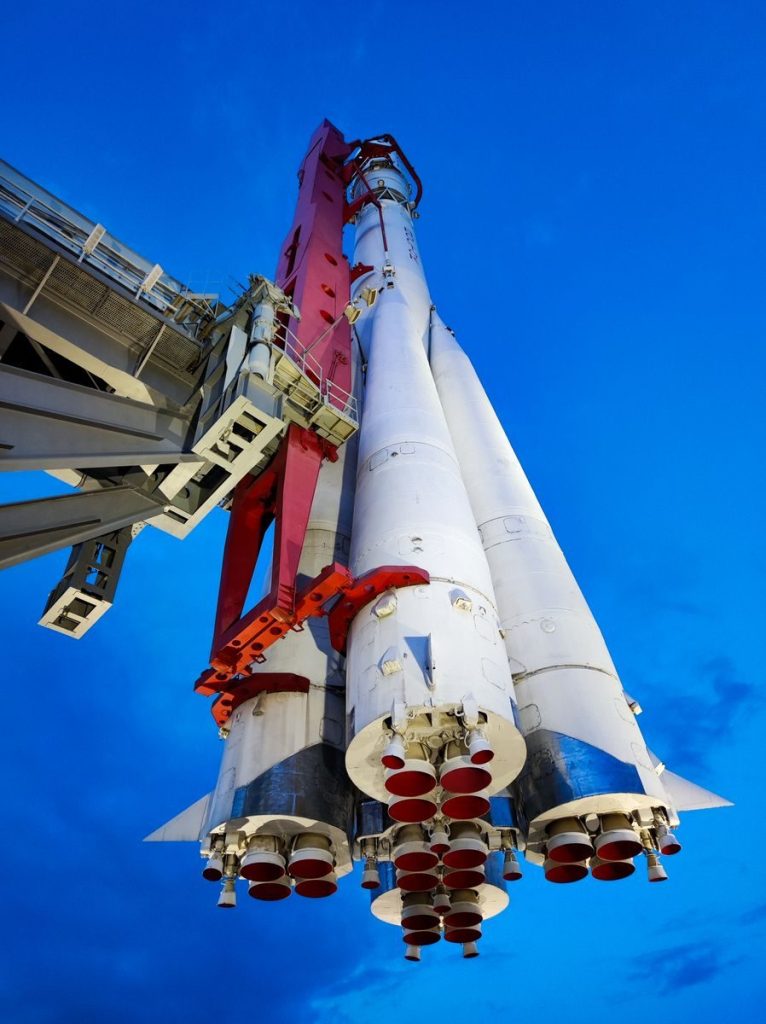
Sending multiple expendable rockets into space would bankrupt any space program. According to economic analyses of space flight, full reusability is the only way to make deep space exploration affordable. SpaceX must recover both vehicles completely intact after every single flight. Costs must plummet. This economic reality explains why the engineering team focused heavily on rapid recovery systems. But the design still faces major technical hurdles.
Testing Under Real Conditions
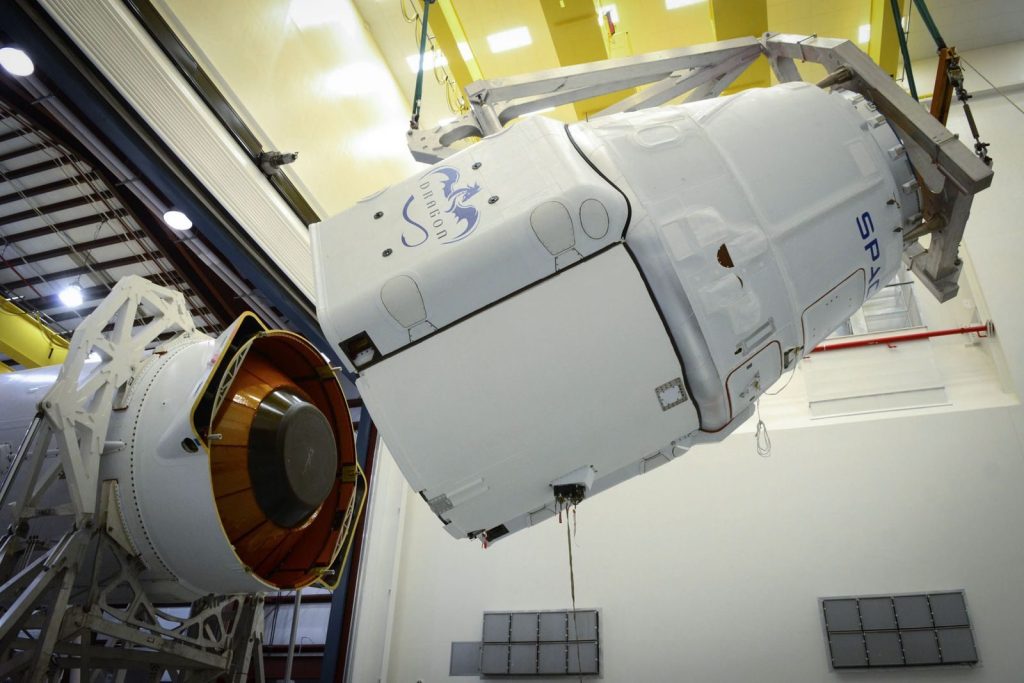
Computer simulations can only teach engineers so much. According to flight test logs, the company is systematically testing fuel transfer technologies during its active orbital flights. Each mission gathers critical data on fluid behavior in microgravity. Engineers make progress daily. These real-world tests are laying the technical foundation for the eventual journey to the Red Planet. But a broader international partnership is counting on this success first.
The Bridge To Other Worlds
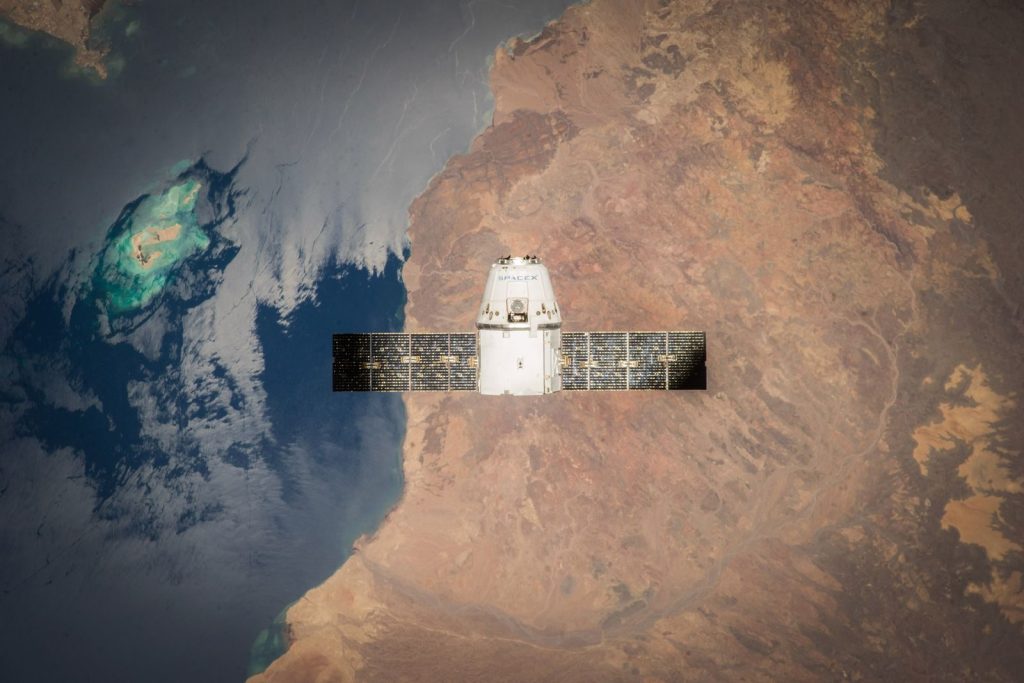
Orbital refueling will transform how humanity explores the cosmos. According to space exploration goals, mastering this technology turns low Earth orbit into the ultimate launching pad for the entire solar system. The red planet awaits. This article is for informational purposes only.
Leave a Reply