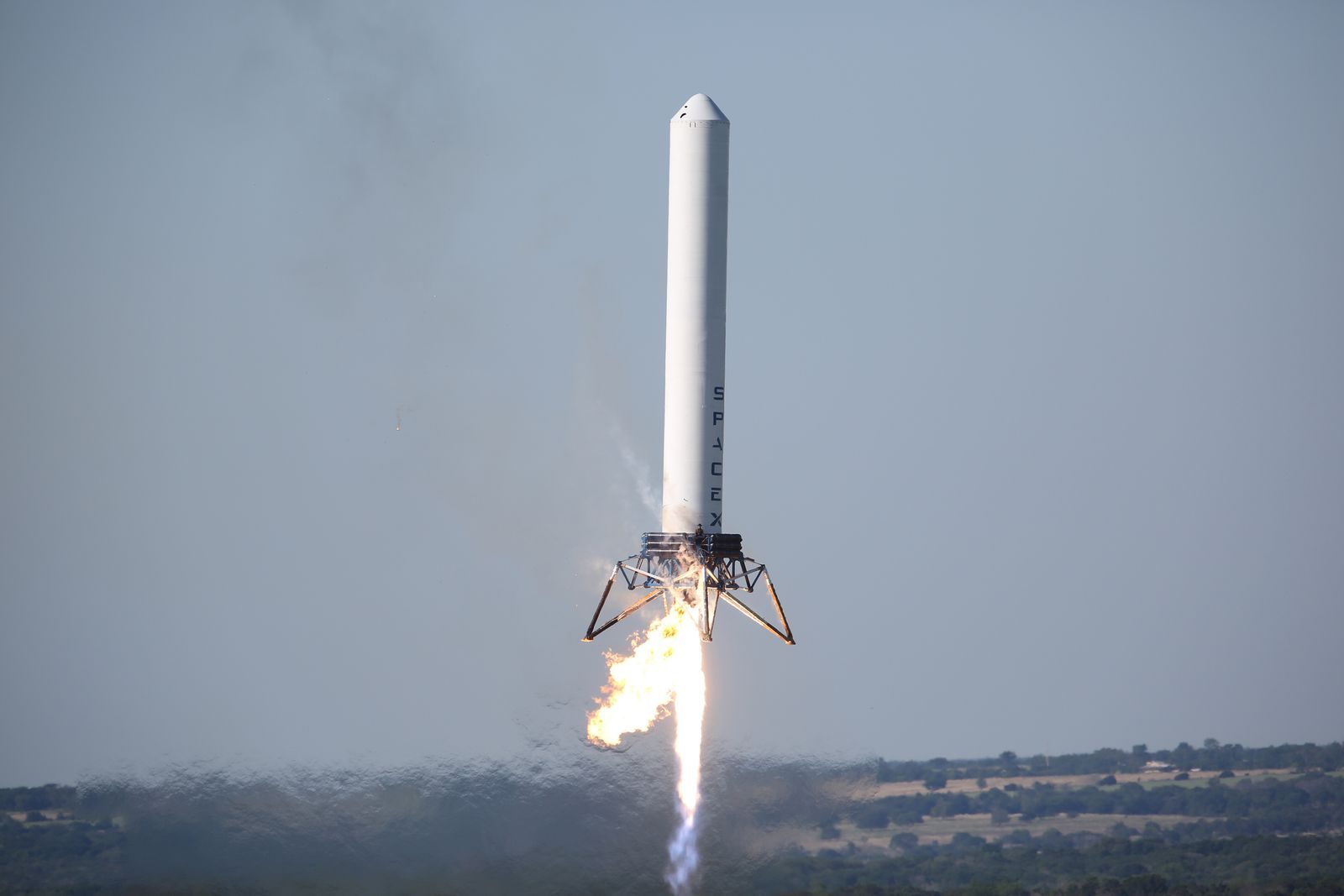
Most people assume that a rocket launch delay is a major setback. We believe a stopped countdown means something went terribly wrong.
But a last-second abort can save a multi-billion-dollar mission. The technology keeping Starship on the ground actually represents a massive engineering triumph.
The Automated Mind Of Starship
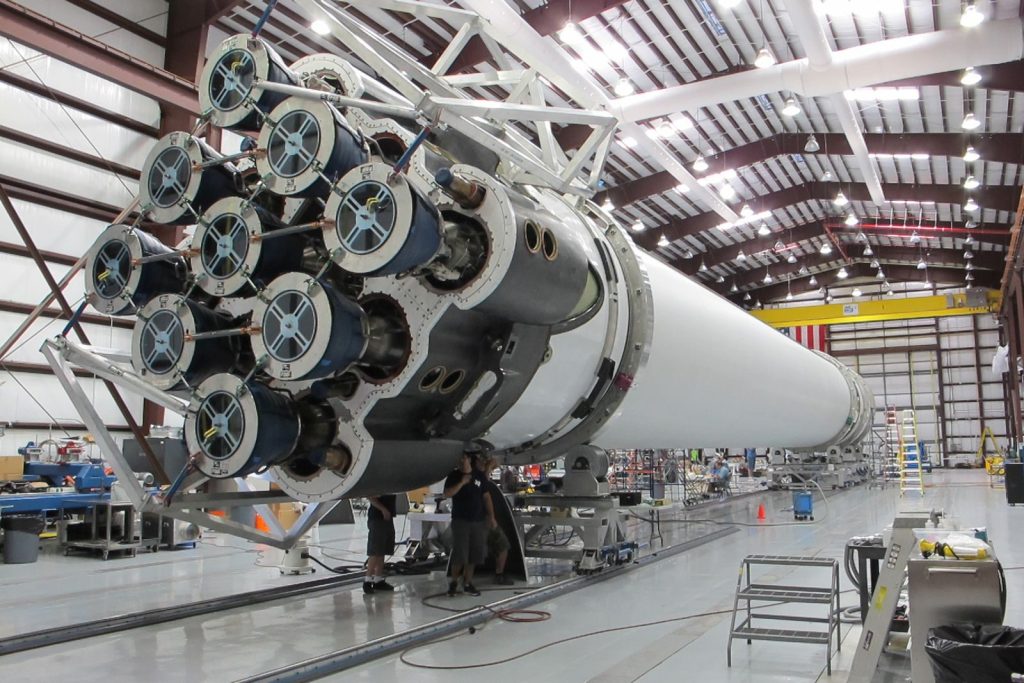
Modern aerospace systems rely on instant decisions. According to SpaceX reports, the giant booster uses advanced sensors to analyze engine performance in real time during ignition. Computers monitor pressures and temperatures continuously. The machines are alert. This software can halt a launch faster than any human operator could blink, protecting the hardware from destruction. But what exactly triggered the shutdown during this recent attempt?
Inside The Sudden Engine Glitch
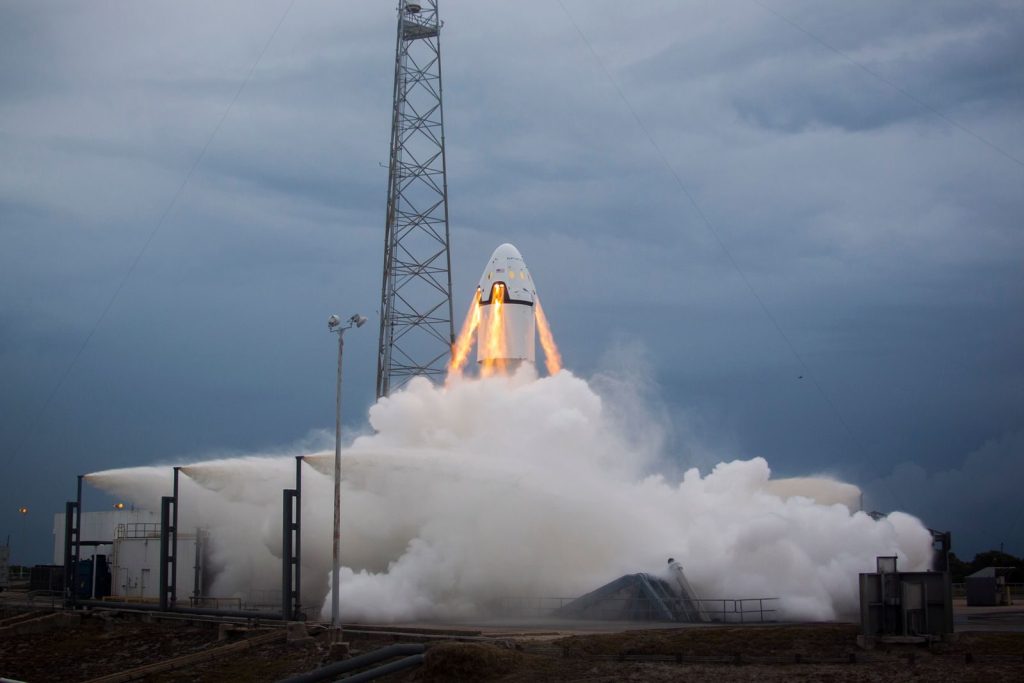
A deep analysis revealed a startup error on the launchpad. According to statement updates from Elon Musk on X, four of the thirty-three Raptor engines failed to ignite properly. This caused an automatic safety shutdown across the entire booster assembly. The systems worked flawlessly. This immediate halt prevented a potential explosion from ripping through the launch facilities. But engineers still faced a major challenge before the next attempt.
The Massive Cost Of Failure
An explosion on the pad does more than destroy a rocket. According to estimates by space industry analysts, a catastrophic launch failure could delay the entire Artemis moon program by several years. It would cost billions of dollars. Safety is paramount. Safely stopping the launch ensures the hardware remains completely intact. But replacing the damaged engines would require a delicate and highly coordinated effort.
Swapping Powerhouses On The Pad
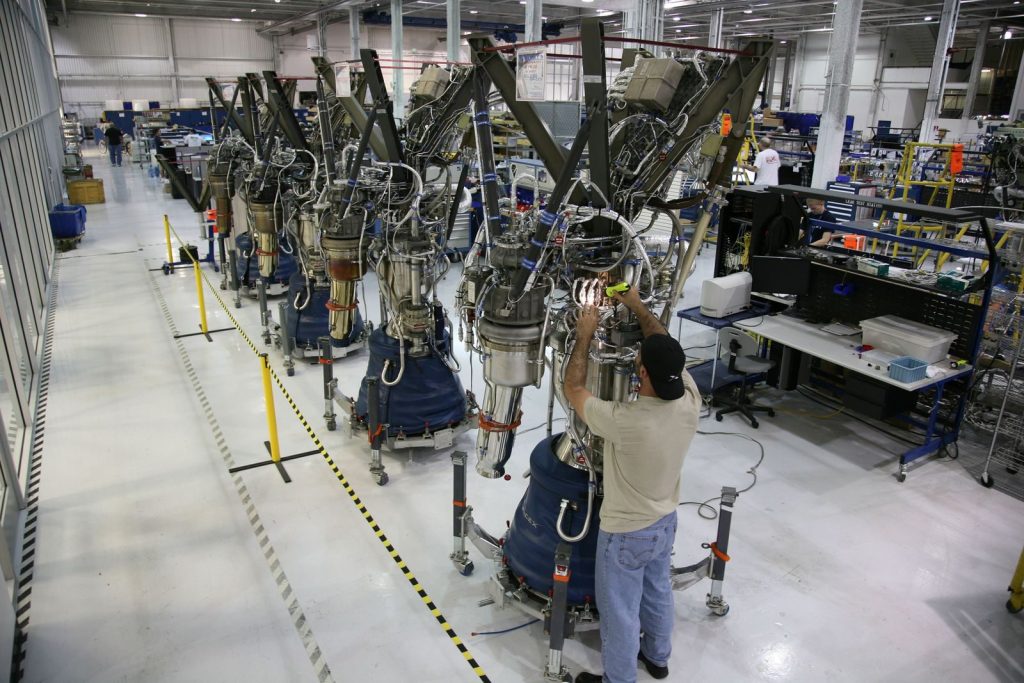
Replacing massive rocket engines is a complex job. According to technician logs published by SpaceX, ground crews must swap out two damaged Raptor engines right on the launch platform. This task requires heavy machinery and absolute precision. Speed is critical. The engineering team has prepared for these high-stakes maneuvers over years of practice. But they are racing against a tight window to get the vehicle ready again.
Preparing For The Next Attempt
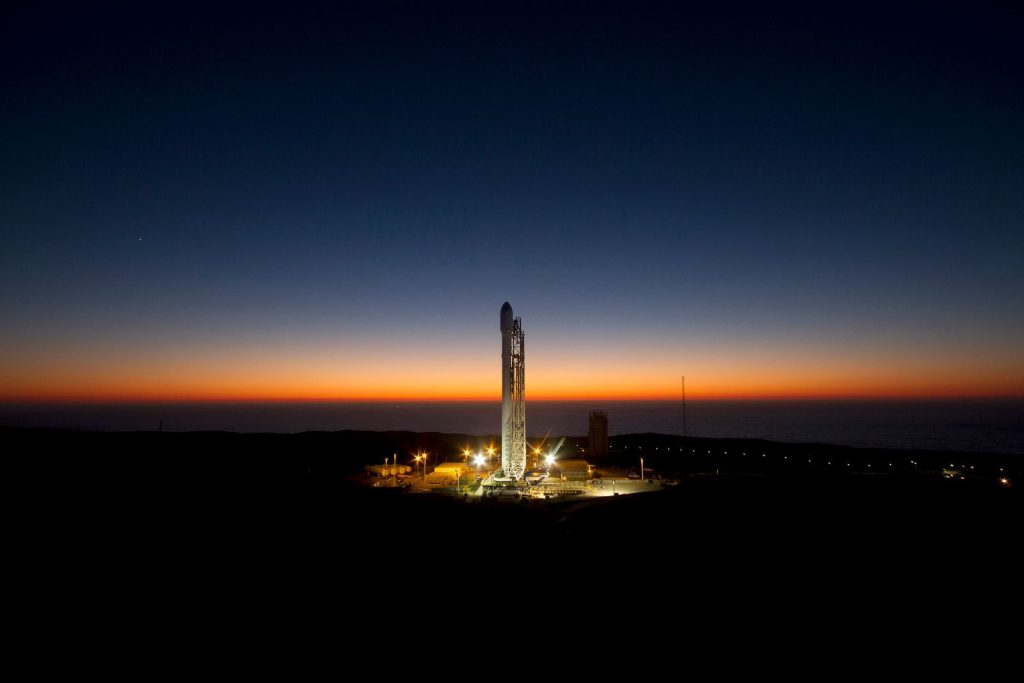
SpaceX moves faster than any traditional government agency. According to launch schedule updates on the company website, engineers are already planning a new countdown for early next week. This rapid turnaround shows the power of rapid prototyping. Failure teaches fast lessons. The team must verify that every single engine performs perfectly under pressure before attempting another ignition. But a bigger long-term goal is driving this urgent timeline.
The Giant Leap To Mars
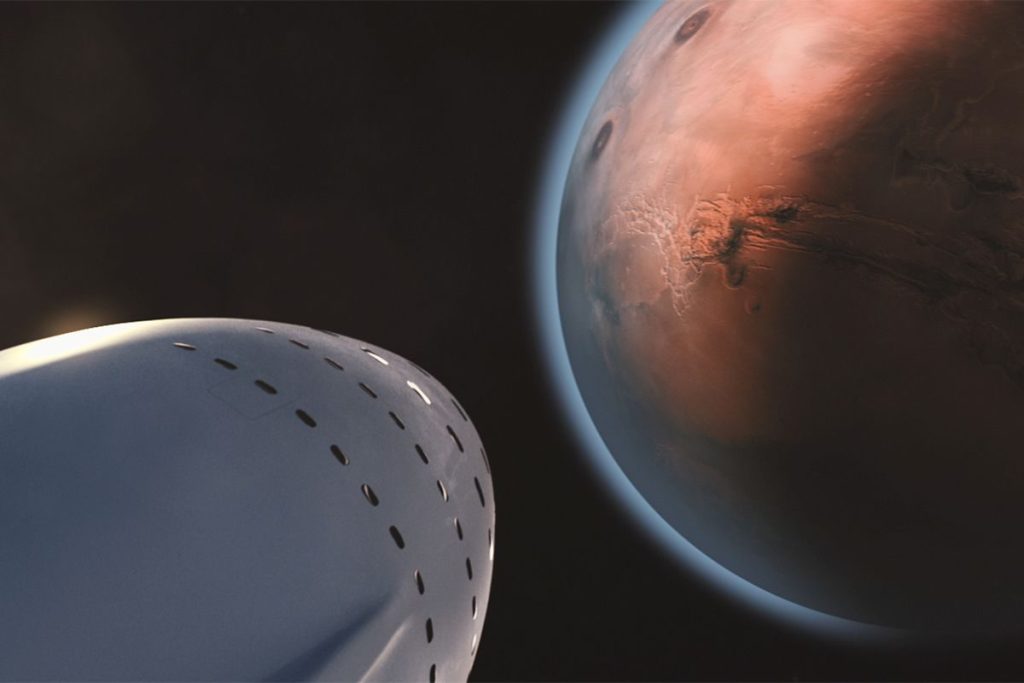
Starship represents the most ambitious rocket design in history. According to statements by NASA officials, this fully reusable system is vital for sending human explorers back to the moon. It will eventually pave the way for humanity to reach Mars. The stakes are massive. This dream relies on absolute reliability during every single second on the launchpad. But the ultimate success of this program depends on one final element.
Safe Steps Toward The Stars
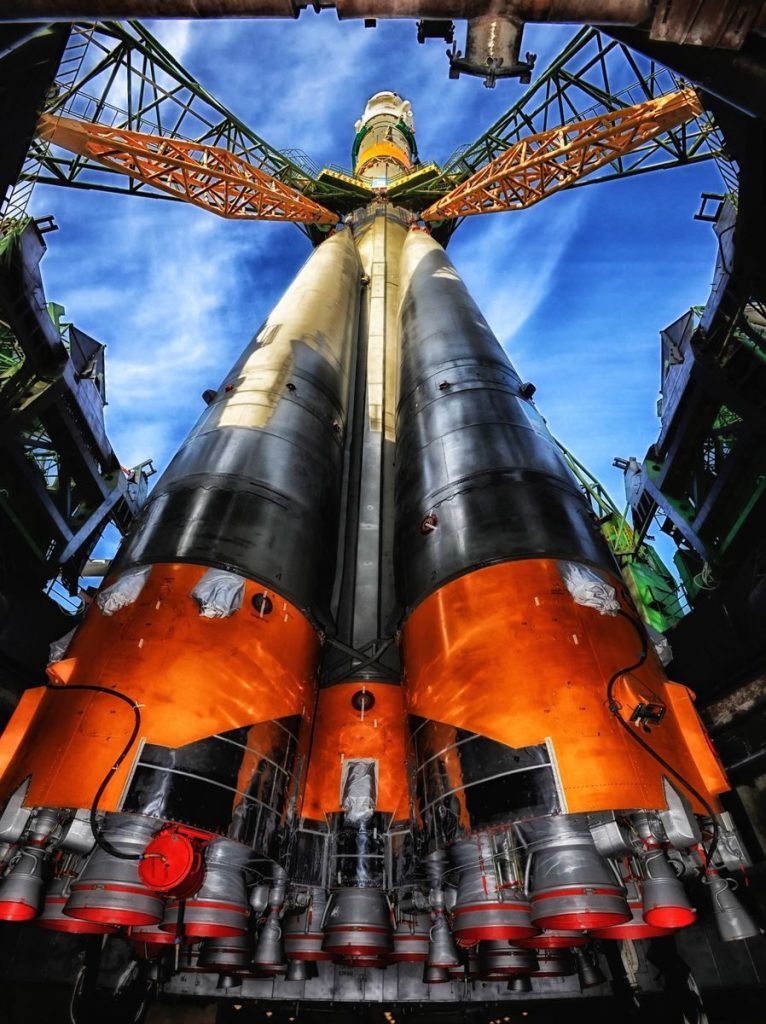
Every successful space mission is built on hundreds of smart aborts. According to engineering history, refusing to launch a faulty rocket is the bravest decision a team can make. Safety secures the future. This article is for informational purposes only.
Leave a Reply