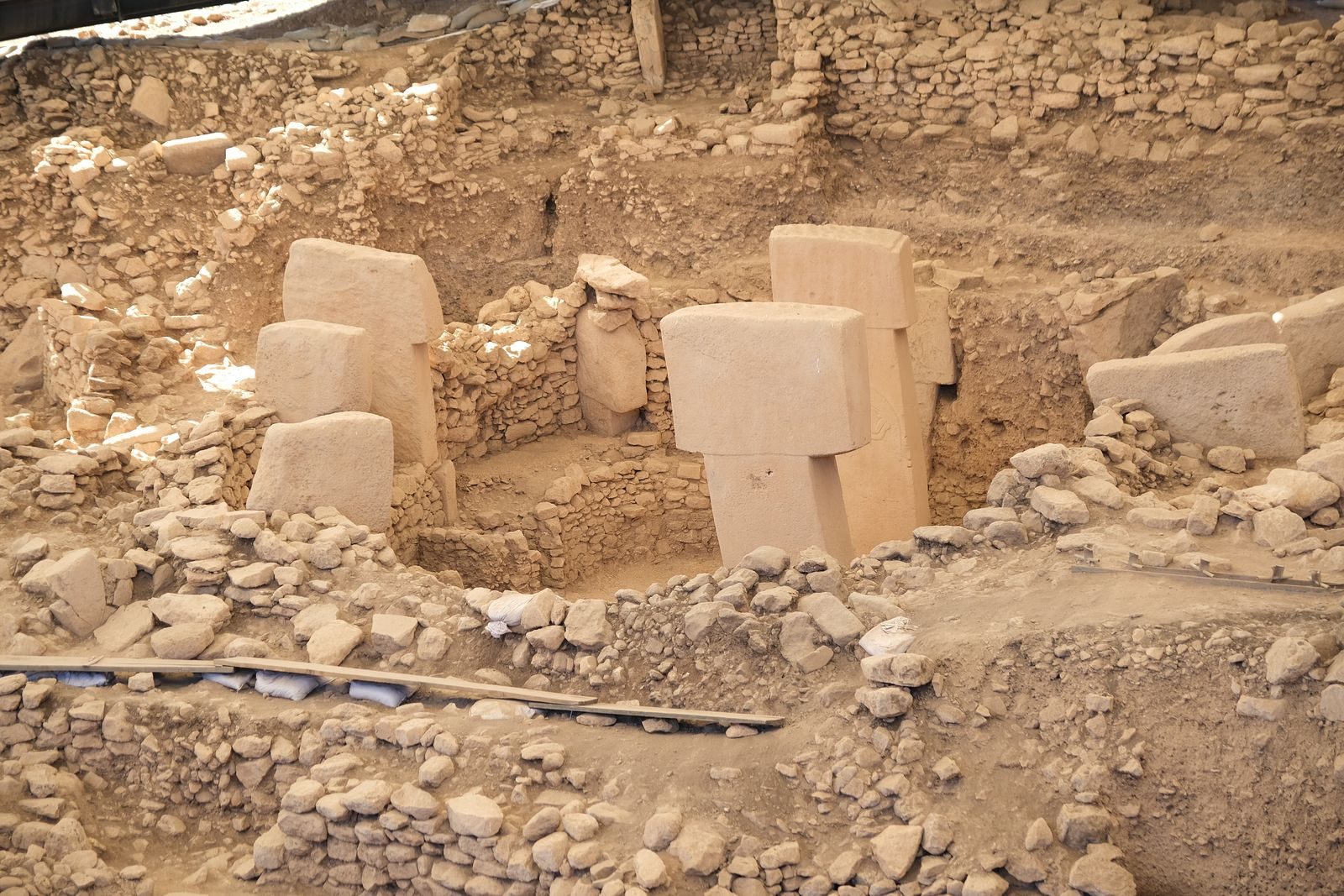
Most historians believe that early humans only built giant stone temples after learning how to farm. We assume that hunting tribes lacked the organization to move heavy rocks.
But a massive prehistoric temple has completely shattered this timeline. Its giant stone pillars predate our earliest cities by thousands of years.
The Giant Pillars
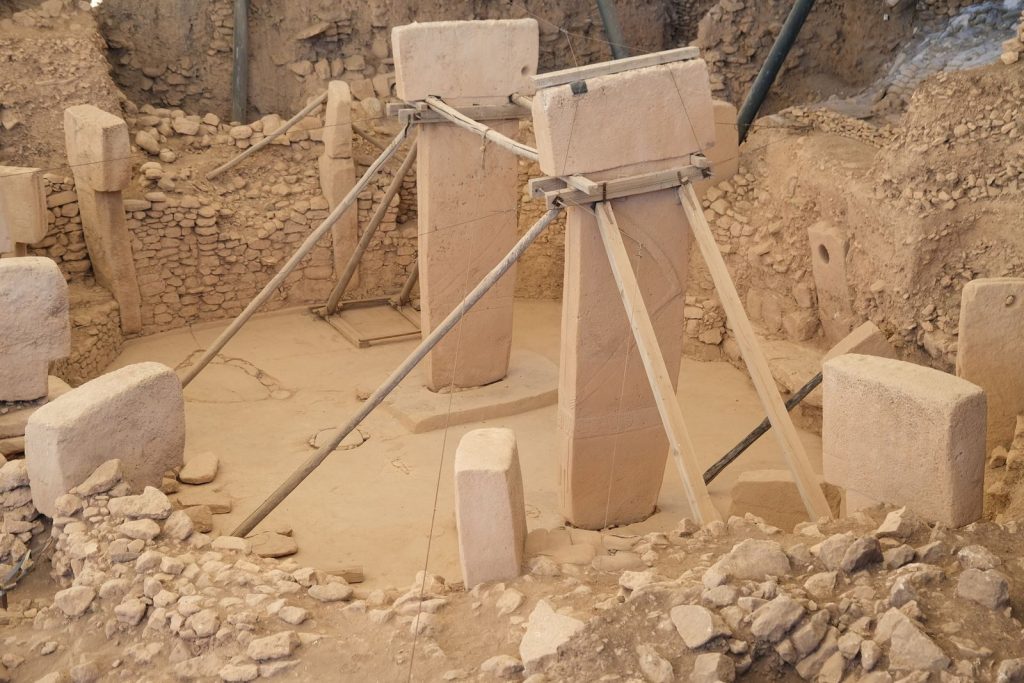
Excavation teams working in Turkey uncovered giant T-shaped limestone pillars hidden in the soil. These stones were massive. According to reports from the German Archaeological Institute, some of these carved pillars weigh over fifteen tons. Moving them required dozens of people. But how hunter-gatherers could coordinate such a huge project is a complete mystery.
Mysterious Stone Animals
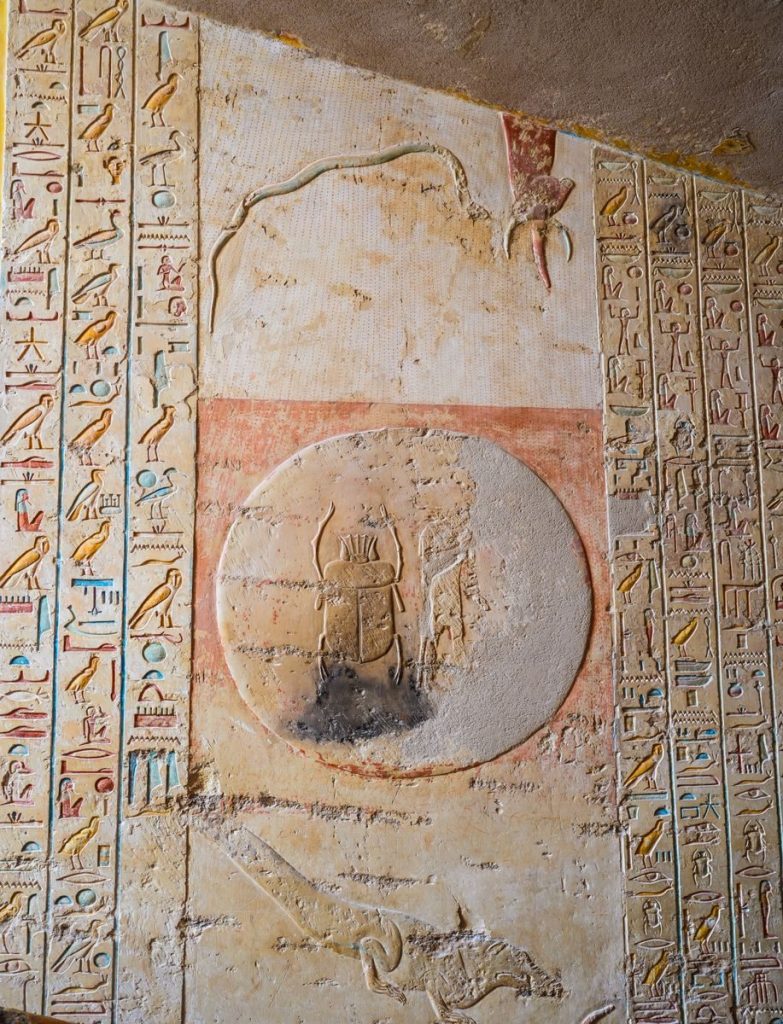
The faces of the giant pillars are covered in detailed carvings of wild beasts. Scorpions and vultures are cut deeply into the stone. The work is clean. According to art experts at the British Museum, these ancient carvings represent a highly complex spiritual culture. These animals likely served as guardians. But the age of the stones would surprise everyone.
An Impossible Date
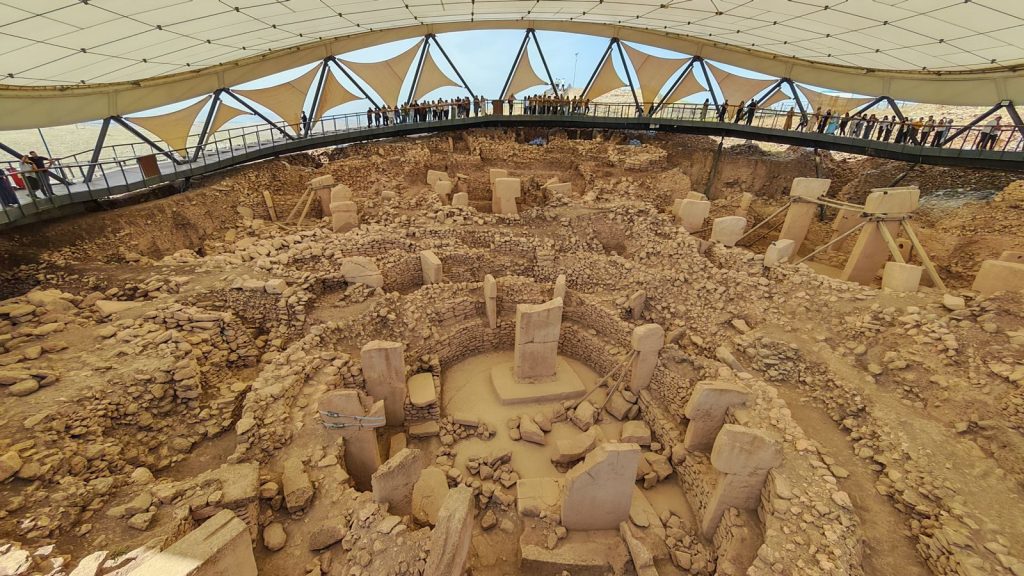
Radiocarbon tests of the soil layers yielded an unbelievable age for the site. The temple is over eleven thousand years old. Time behaves differently. According to report data from the German Archaeological Institute, this makes the site twice as old as the Egyptian pyramids. It was built before metal tools existed. But the builders left another strange puzzle behind.
No Farming Clues

Researchers searched the surrounding hills for signs of domesticated crops or animal pens. They found nothing. The land was wild. According to studies by the University of Chicago, the builders lived entirely on wild grain and game. This proves that complex human architecture came before the invention of agriculture. But gathering hundreds of workers to build this temple required a new social structure.
Clans Gathering Together
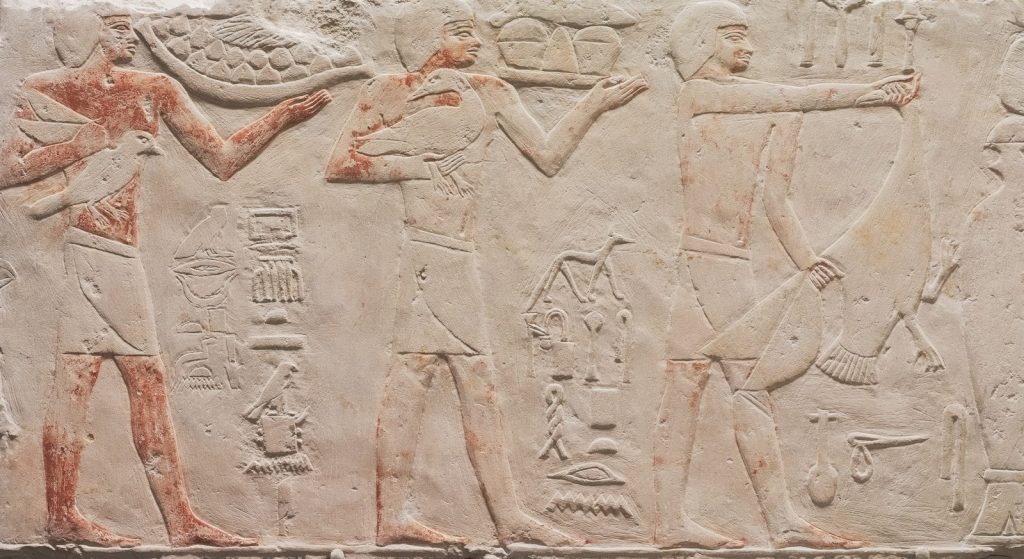
Experts believe this stone complex served as a massive temple where scattered clans met for rituals. They shared food and tools. Collaboration was key. According to reports from the Max Planck Institute, these meetings helped early humans build cultural bonds. This cooperation lay the groundwork for modern societies. But the builders made a sudden decision that preserved the site.
Deliberately Buried Temple
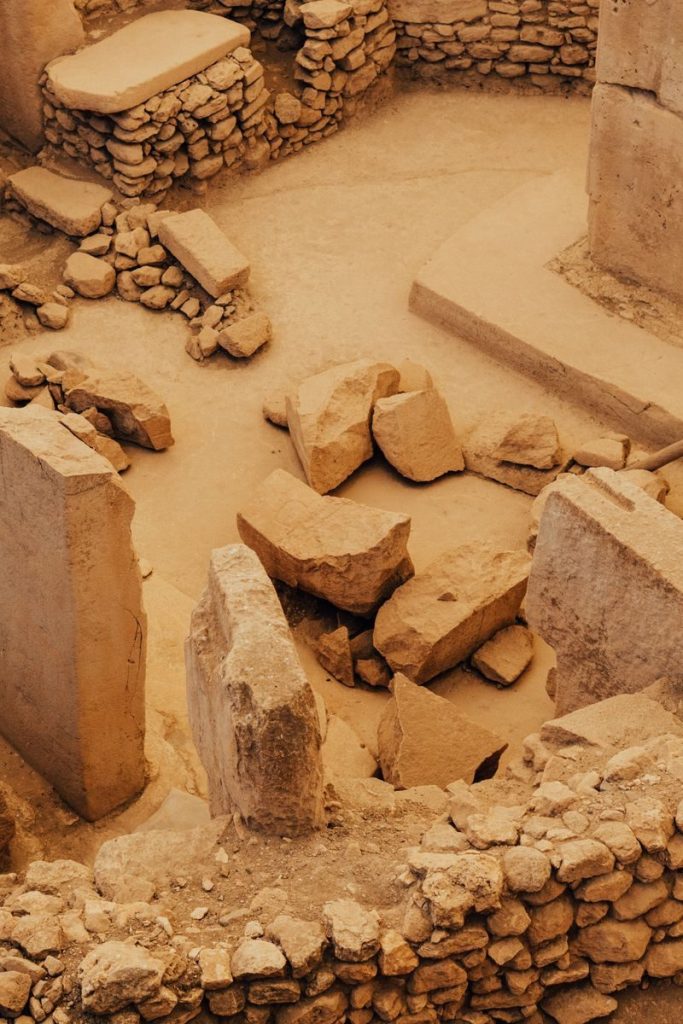
Geologists discovered that the giant pillars were not covered by natural wind or mud over time. Humans buried them. According to soil studies by Istanbul University, the entire complex was backfilled with dirt on purpose around nine thousand years ago. The builders chose to hide their monument from the world. But their reasons for this massive task remain unknown.
More Hidden Circles
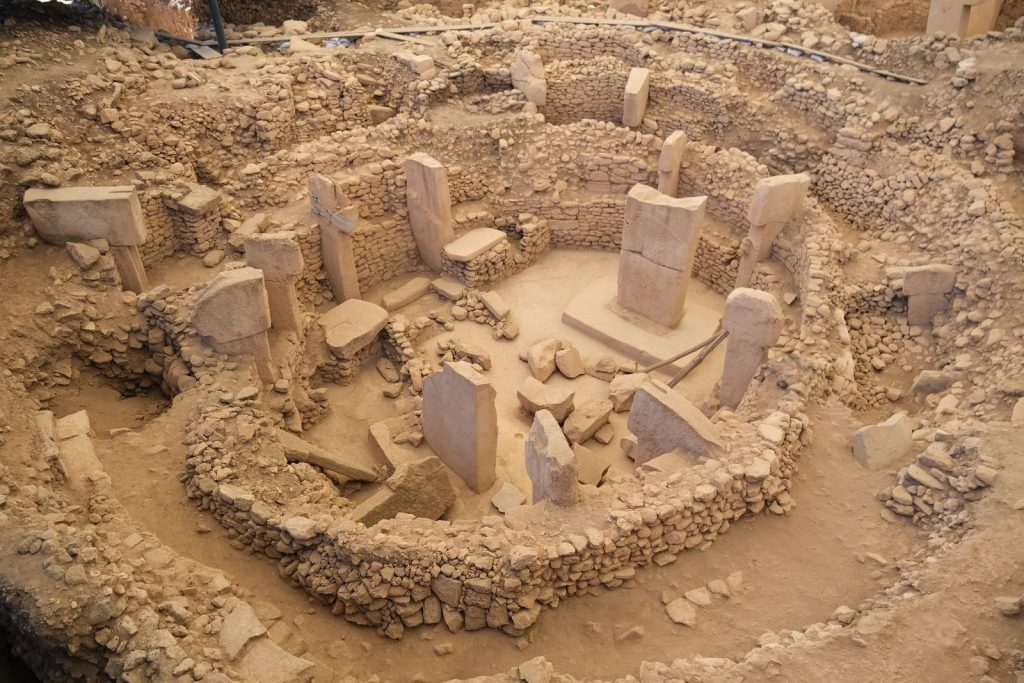
New underground radar scans show that only a small portion of the site has been dug up. Dozens of other stone circles remain buried. Tech reveals truth. According to the National Geographic Society, these underground structures cover several square miles. It will take decades to dig them all up. But each new chamber brings us closer to our origins.
Our True History
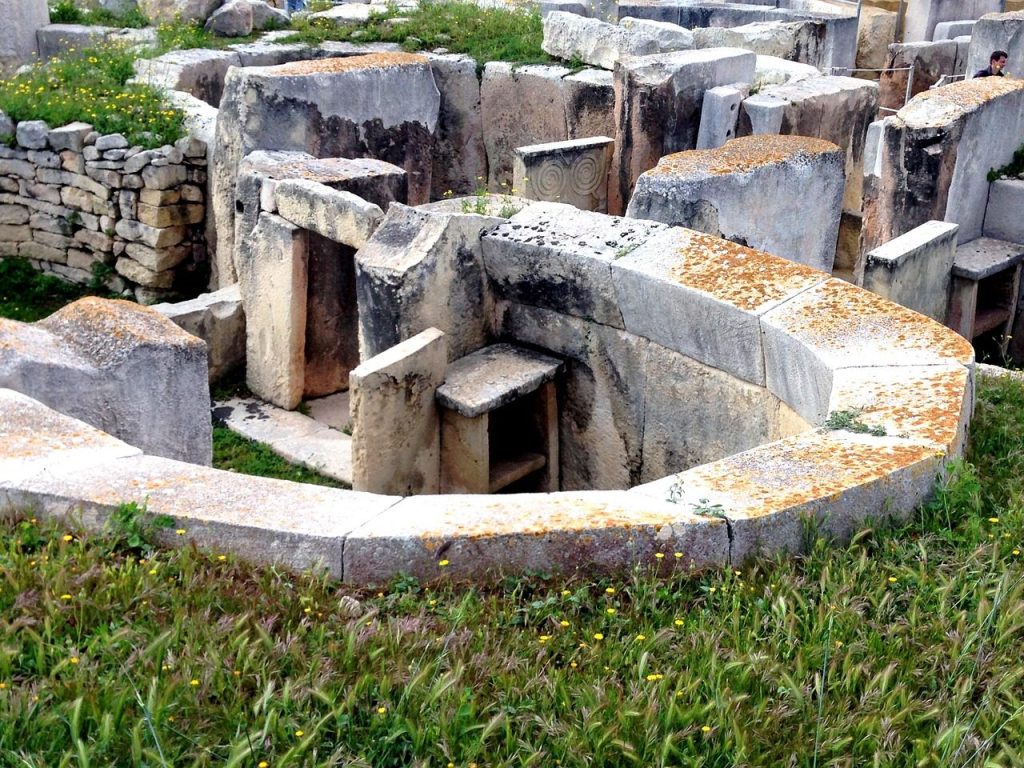
This ancient stone temple shows that prehistoric humans were far more advanced than we ever thought. They possessed incredible engineering skills before farming. We must rethink our past. According to research from the German Archaeological Institute, this discovery continues to challenge the basic timeline of human progress. This article is for informational purposes only.
Fearured Image: Photo by Zehra Rekibe Başol on Pexels
Leave a Reply