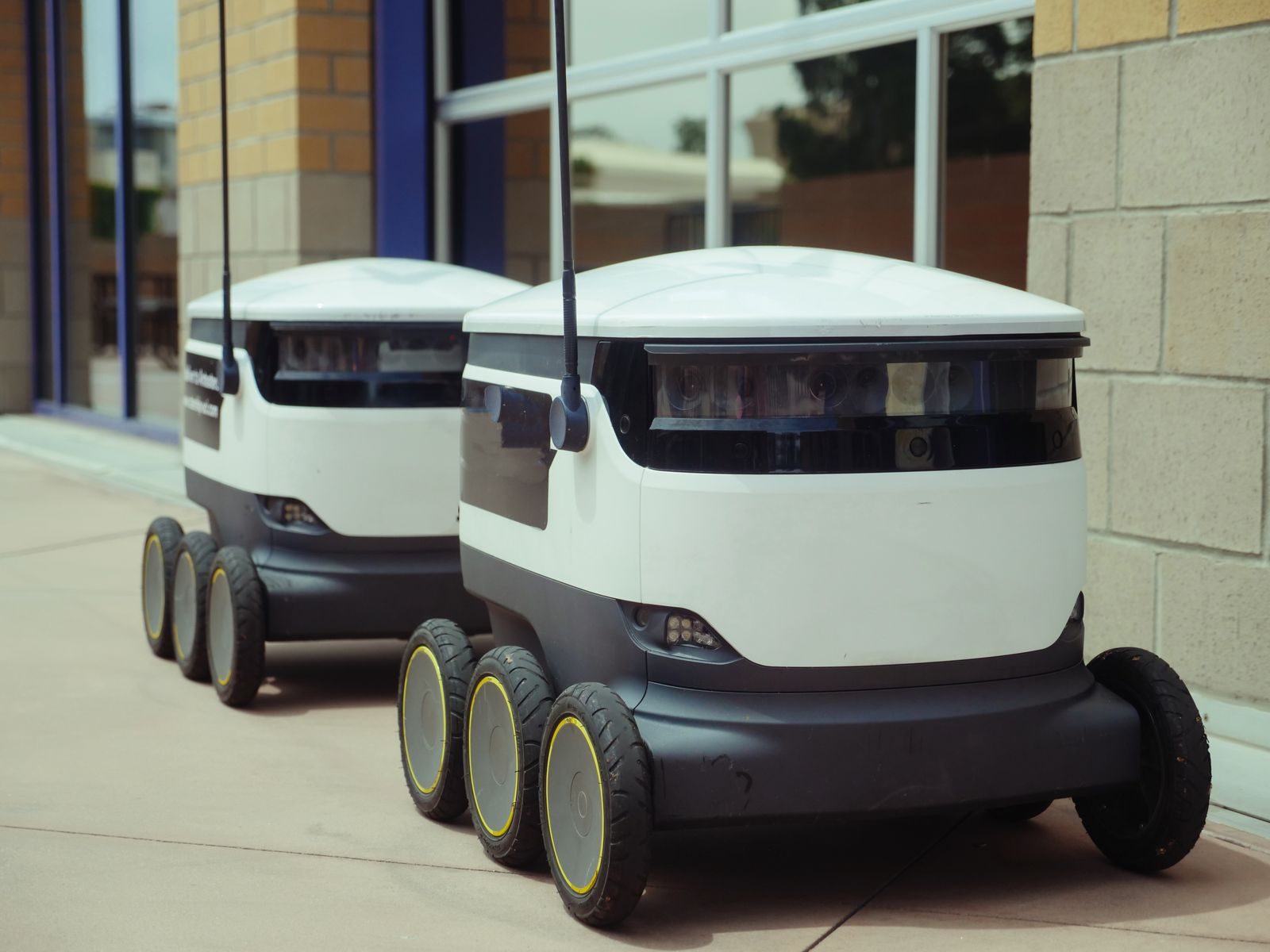
Most people assume that advanced robots will only work in heavy manufacturing factories. We believe that domestic environments are far too complex for machines to navigate.
But a quiet revolution in mechanical design is changing everything. Engineering teams are preparing to place highly capable humanoids right in your living room.
The Humanoid Engineering Push
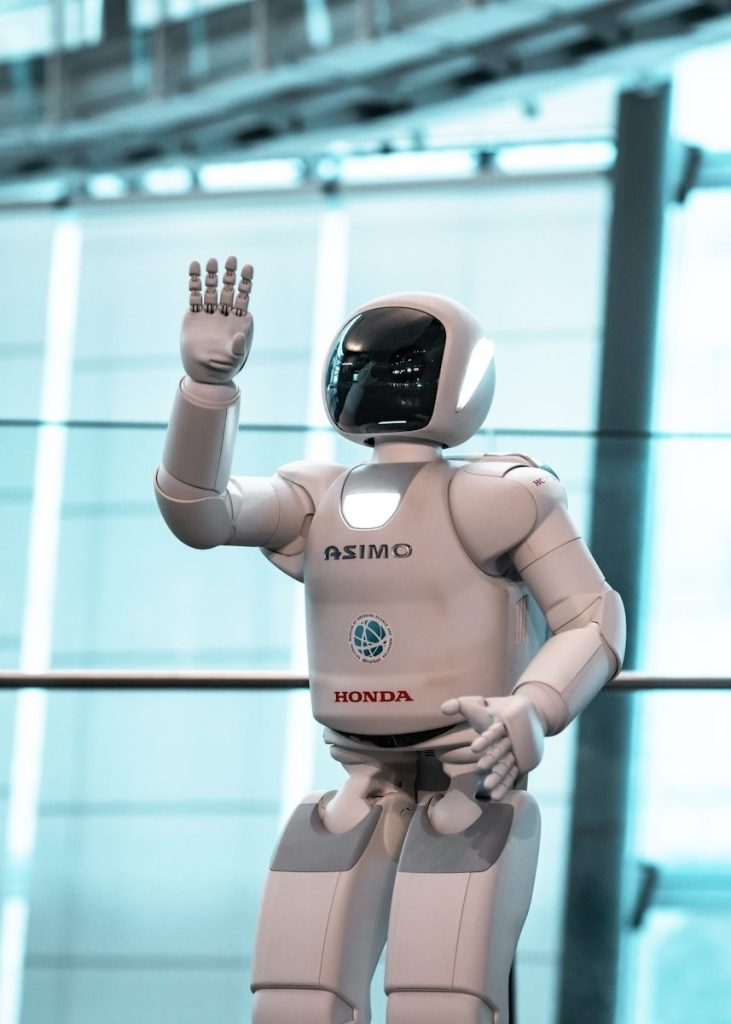
Replicating human movement is one of the hardest challenges in modern robotics. According to reports from Tesla, designing a machine that can balance and manipulate delicate objects requires a complete rethink of physical actuators. It is incredibly difficult. Engineers must develop custom motors to mimic human muscles before these machines can perform basic chores. This mechanical struggle is leading to a major breakthrough.
A New Artificial Brain

A robot without a smart mind is just a heavy pile of metal. According to technical documents from the design team, engineers are adapting the visual networks used in self-driving cars to power humanoids. The system is learning. This shared software allows the machine to map out dynamic rooms and recognize everyday household objects. But teaching a machine to think like a human presents a unique digital risk.
The Struggle For Balance
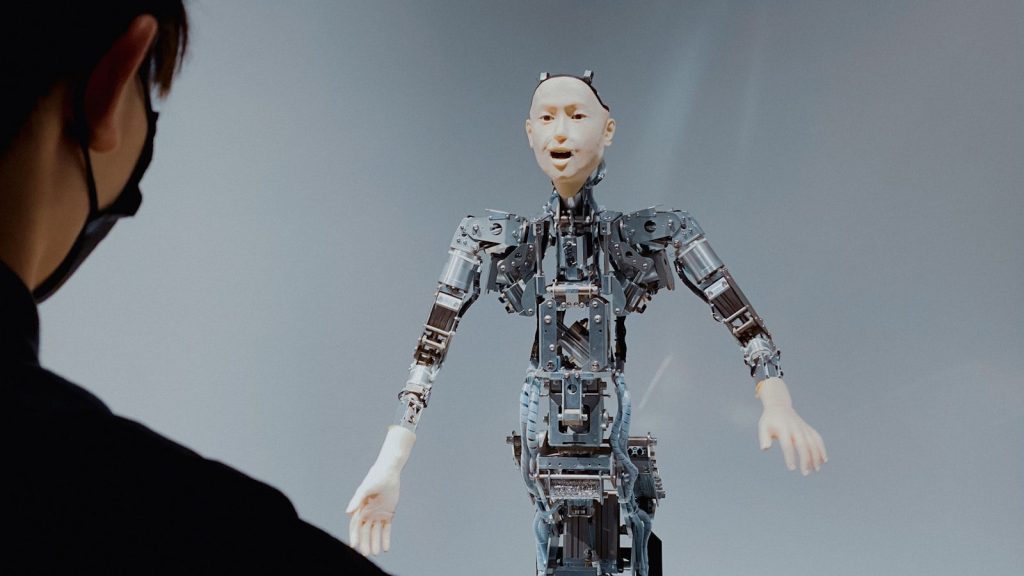
Walking on two legs requires constant minor adjustments that humans do without thinking. According to researchers at Stanford University, scientists must write algorithms that process sensory feedback in milliseconds. One slip changes everything. If the software is too slow, the heavy machine will collapse under its own weight. But physical stability is only half of the challenge.
Replacing The Daily Grind
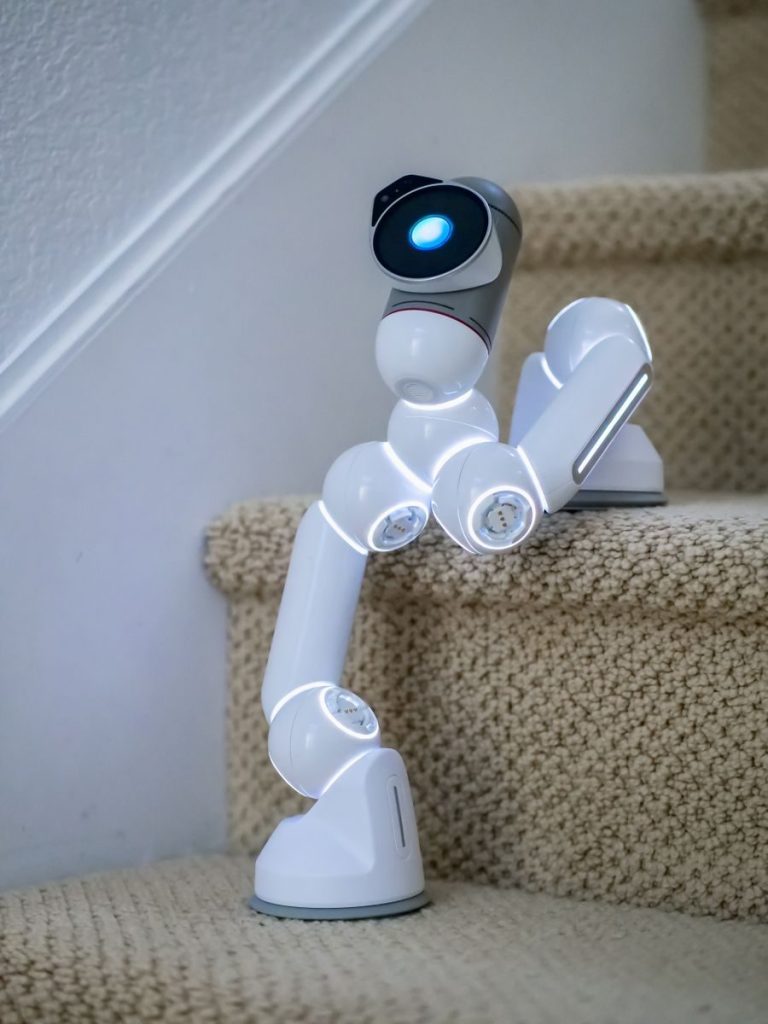
The ultimate goal of household robots is to take over repetitive tasks. According to robotics analysts, early models will focus on carrying groceries and cleaning floors. This is tedious. By automating these chores, developers hope to free up hours of human time every single week. But introducing these machines to the public will require a massive drop in production costs.
A Mass Production Future
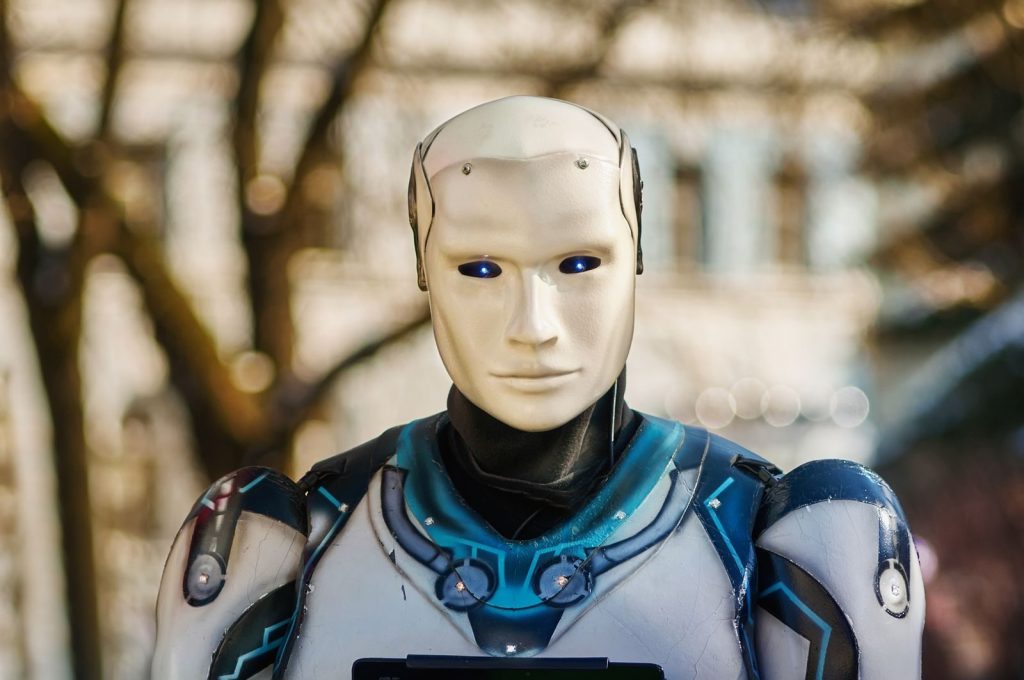
Building a single custom robot costs millions of dollars in research labs. According to manufacturing experts, factories are being redesigned to produce thousands of humanoids at a scale never seen before. They must be cheap. Only mass production will make these automated assistants affordable for average families. But this scaling effort will have massive consequences for the global workforce.
The Economic Ripple Effect
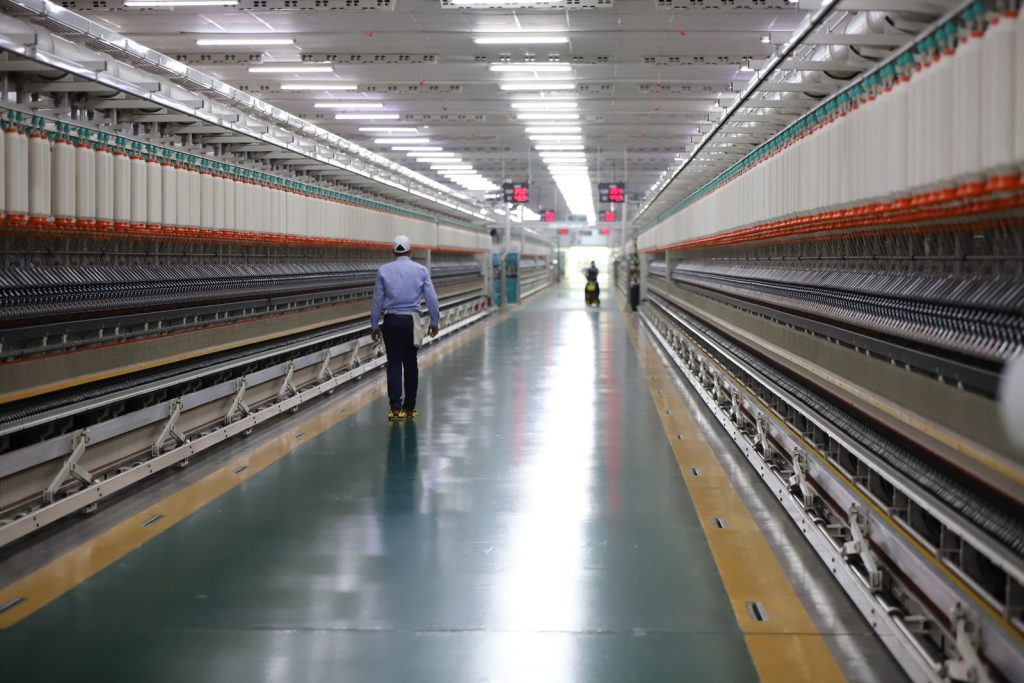
Replacing manual labor with machines will disrupt industries far beyond the household. According to labor economists, the widespread use of general-purpose robots could reshape the job market within a decade. Change is coming fast. Workforces will need to adapt as machines take over physical roles. But the quiet shift from the factory to the home is already closer than we think.
A Quiet Technological Shift
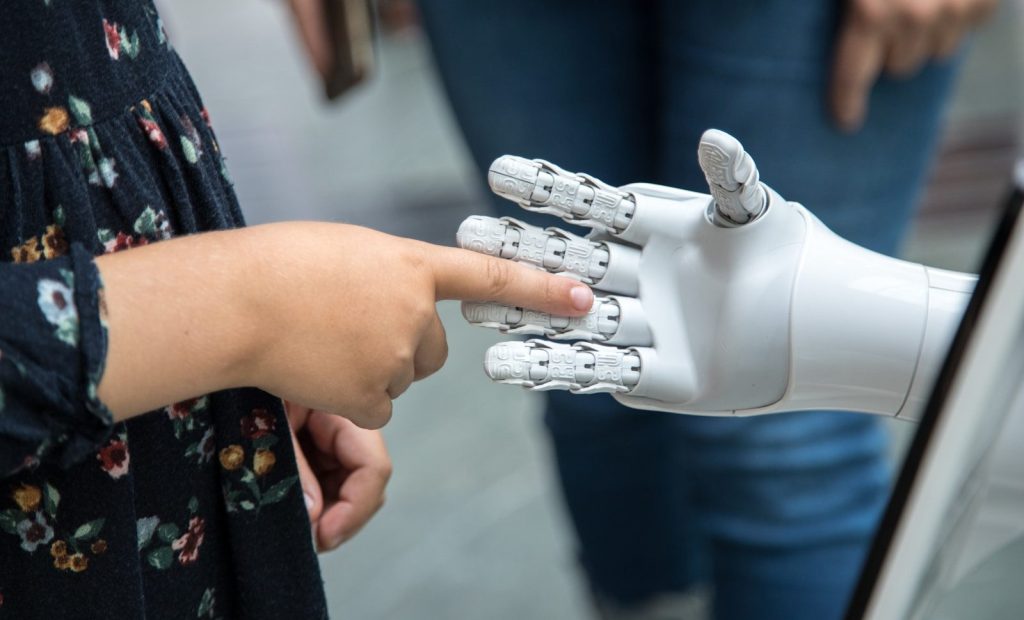
The arrival of autonomous home assistants will redefine our daily relationship with technology. According to science historians, this transition represents the most significant shift since the personal computer. We are moving forward. This article is for informational purposes only.
Featured Image: Photo by Kindel Media on Pexels
Leave a Reply