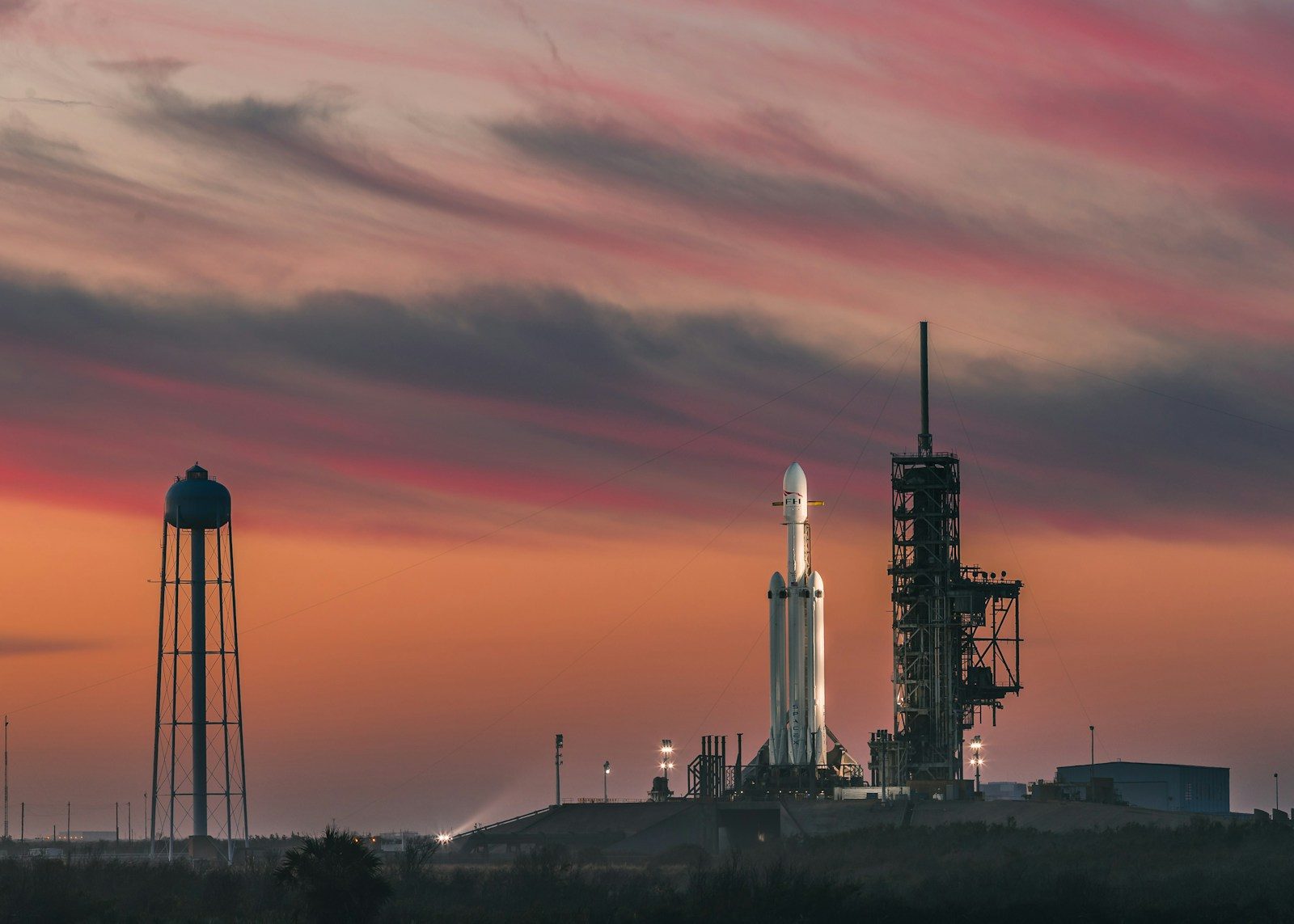
Most people assume that space exploration is a slowly growing field split among many competing nations. We believe that orbital transport is far too expensive for any single group to control.
But a shocking financial projection has revealed an unprecedented reality. One private enterprise is quickly positioning itself to monopolize almost all orbital traffic in the near future.
An Unbelievable Launch Monopoly
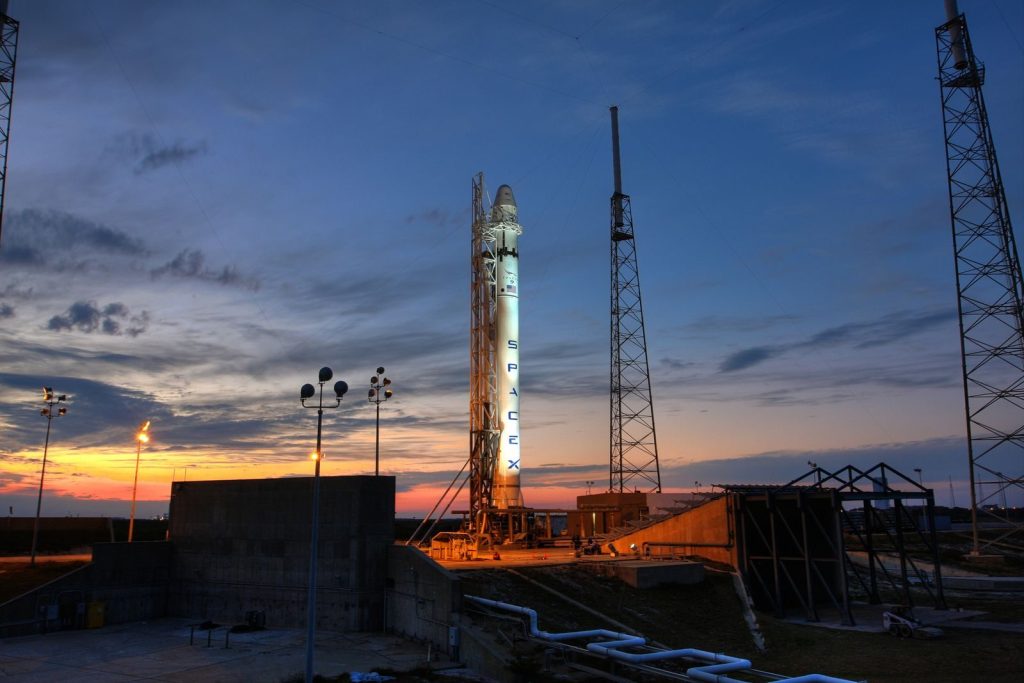
Orbital cargo volume has reached heights that experts never thought possible. According to space industry reports, one private company is now responsible for over ninety percent of all material launched into orbit. This dominance is staggering. No other business or government agency can match this pace. But the underlying engine of this rapid expansion lies in a single technological choice.
The Power of Reusability
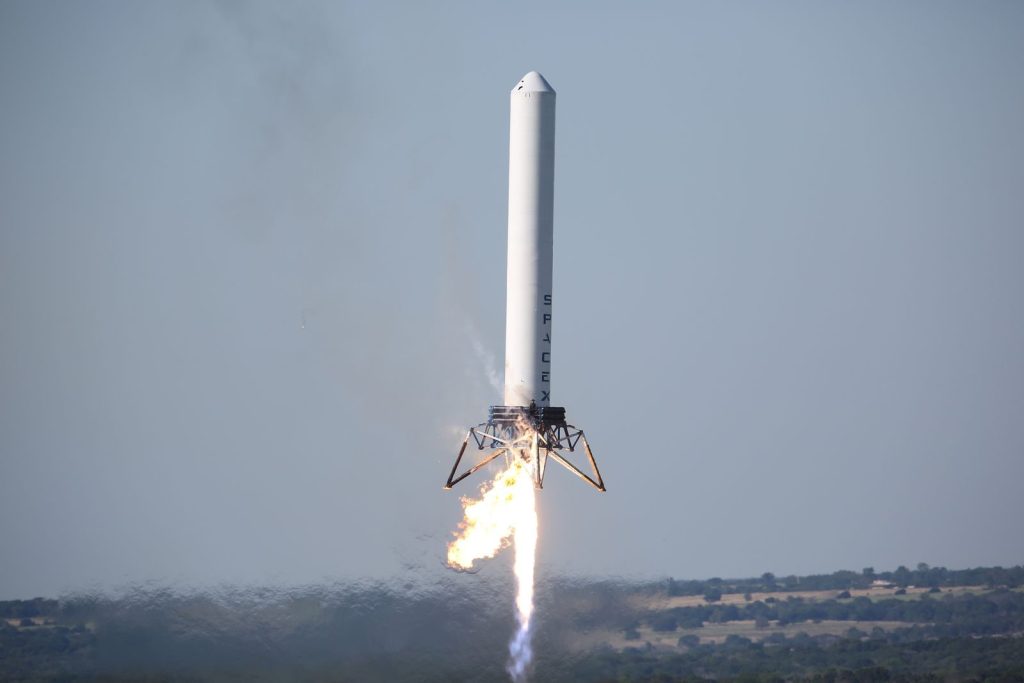
For decades, rocket components were treated like disposable items and left to burn in the atmosphere. According to aerospace engineers, reusing booster rockets has cut the cost of reaching space by more than half. They land with precision. This massive financial advantage has allowed the company to outbid every traditional competitor in the market. But this cost-cutting is only the foundation of a much bigger plan.
Staggering Financial Growth

Wall Street has been absolutely stunned by the financial scale of this modern space monopoly. According to reports from Bloomberg, the private firm is now valued at well over two hundred billion dollars before even going public. This is unprecedented. This massive war chest allows the company to fund ambitious projects without relying on government cash. But this massive valuation is tied to a global network of satellites.
The Silent Starlink Engine

Driving this rapid financial growth is not just cargo launches but global internet access. According to market analysts, the Starlink satellite network is quickly becoming the most profitable arm of the entire operation. Millions rely on it. This massive orbital constellation provides high-speed internet to the most remote corners of our planet. But the sheer density of these satellites is creating a brand new problem.
A Crowded Earth Orbit

Above us, our sky is rapidly filling with thousands of active metal beacons. According to astronomer associations, the massive number of satellites is beginning to block our view of the deep cosmos. This is a problem. Ground telescopes must constantly filter out bright streaks of light to capture clear images of space. But this cosmic clutter might be the price of reaching a much larger target.
Satellite Subscription Profits
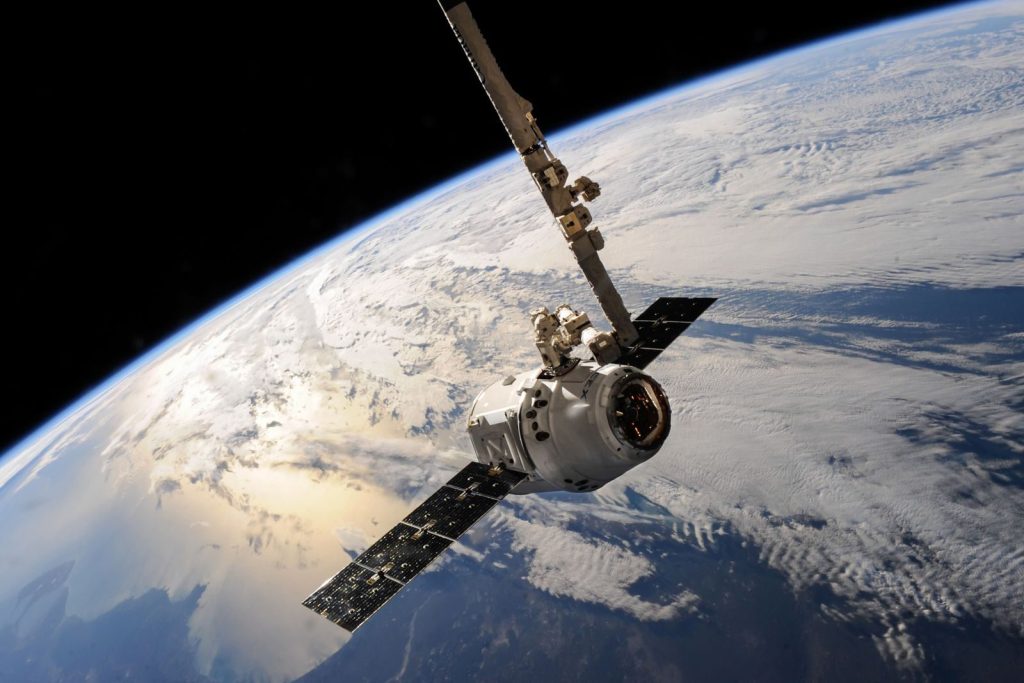
Satellite subscription profits are quietly funding a massive rocket designed to reach another planet. According to statements from SpaceX leadership, the massive Starship vehicle is the key to building a self-sustaining city on Mars. The scale is massive. This giant steel rocket can carry over one hundred tons of cargo in a single journey. But achieving this goal will require an unprecedented amount of launches.
Rethinking Space Law

As a single company takes control of our orbital pathways, international lawyers are raising urgent questions. According to legal experts, our current space treaties are completely outdated and fail to regulate private corporations. This is a gap. There are very few rules to prevent a private entity from claiming valuable resources on the moon. But global space agencies are starting to draft new agreements.
A Brand New Era
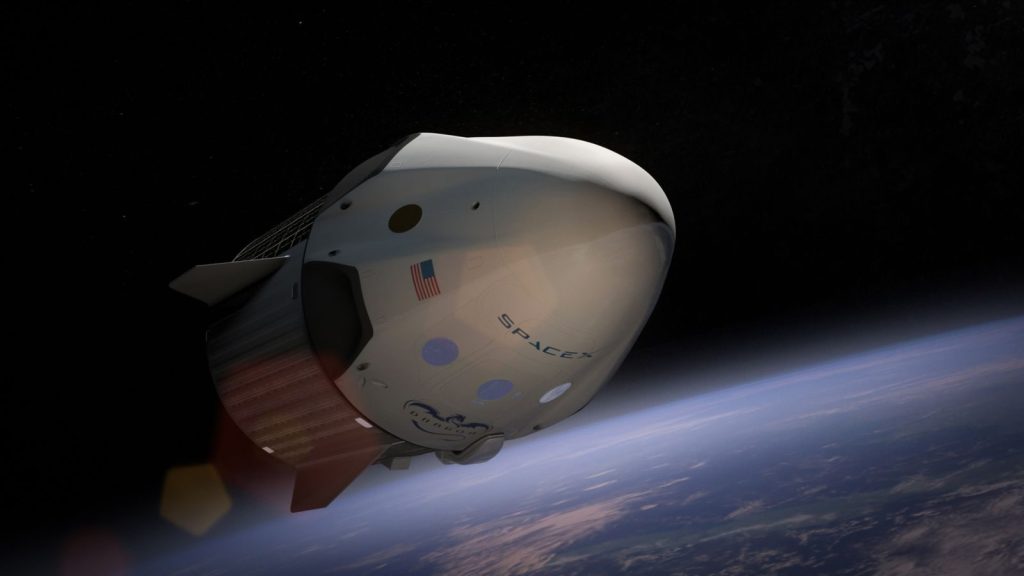
The commercial space race is permanently changing how humanity interacts with our solar system. The stars are closer than ever. According to space industry observers, we are living through a massive shift in technological history. Our cosmic journey has only just begun. This article is for informational purposes only.
Leave a Reply