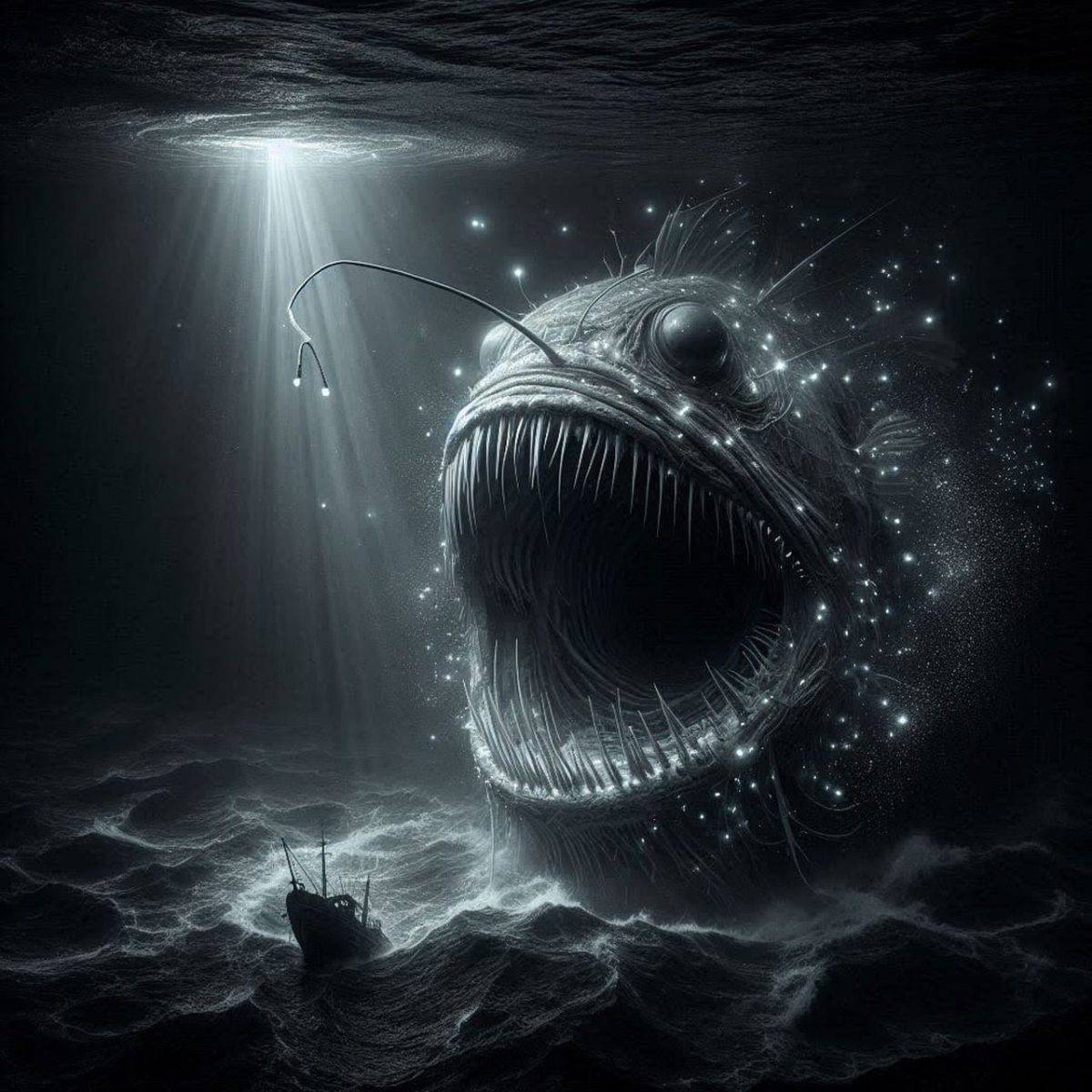
Most nature enthusiasts assume that the largest ocean animals swim near the sunlit surface. We believe that the pitch-black abyss holds only tiny and withered scavengers.
But the deepest parts of our oceans are home to monstrously large creatures that defy explanation. These massive beasts have adapted to survive under bone-crushing pressure.
The Mystery Of Gigantism
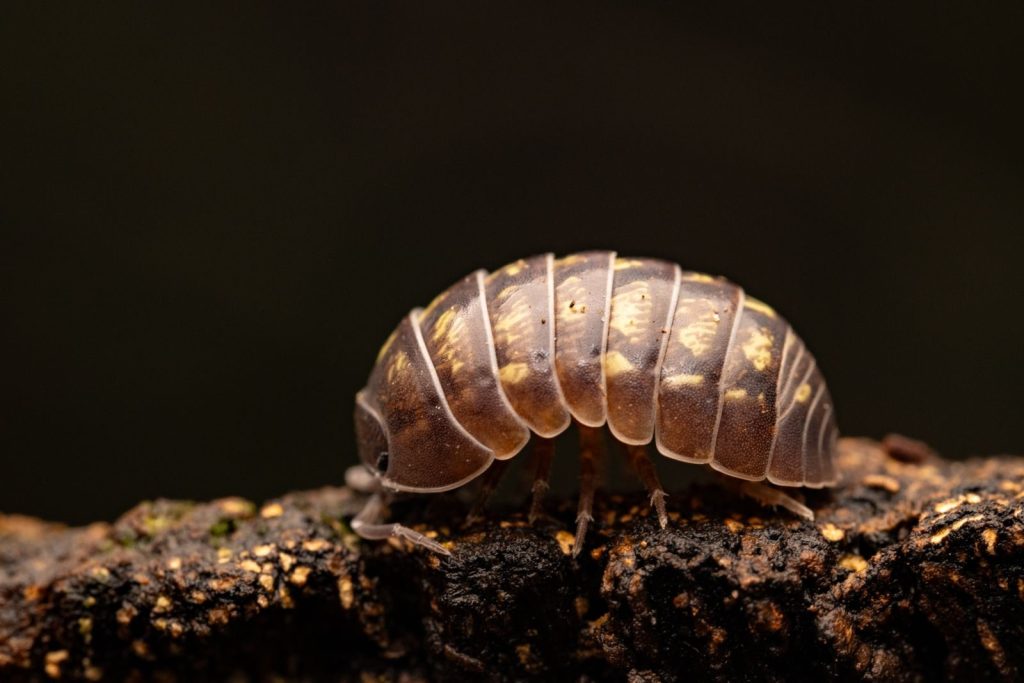
In the cold depths of the ocean, some species grow to sizes that dwarf their shallow-water relatives. This phenomenon is baffling. According to marine biologists, deep-sea gigantism affects everything from simple isopods to massive squids. The lack of light and freezing temperatures should stunt growth. But these harsh conditions are actually driving this spectacular size increase.
Surviving Under Extreme Pressure
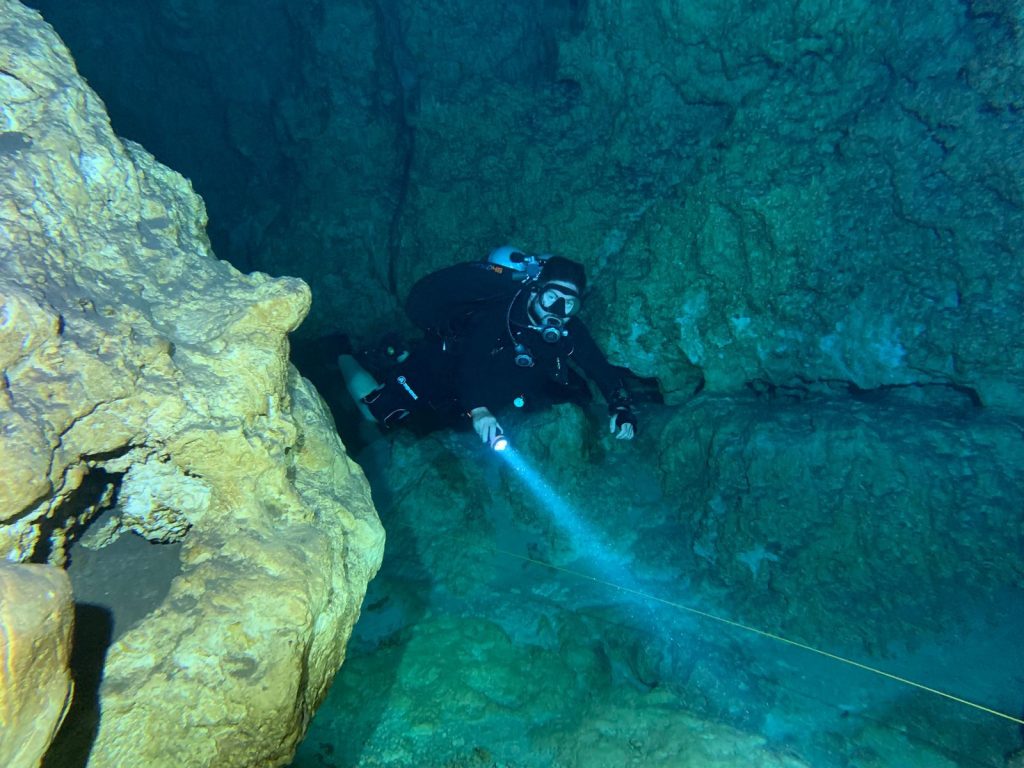
The weight of the ocean above creates pressures that would easily crush human steel submarines. Deep animals are different. According to research from the Monterey Bay Aquarium Research Institute, their bodies lack air spaces and use flexible cartilage instead of rigid bone. This cellular adaptation prevents them from imploding in the abyss. But pressure is not the only obstacle they must conquer.
Chasing Rare Food Sources
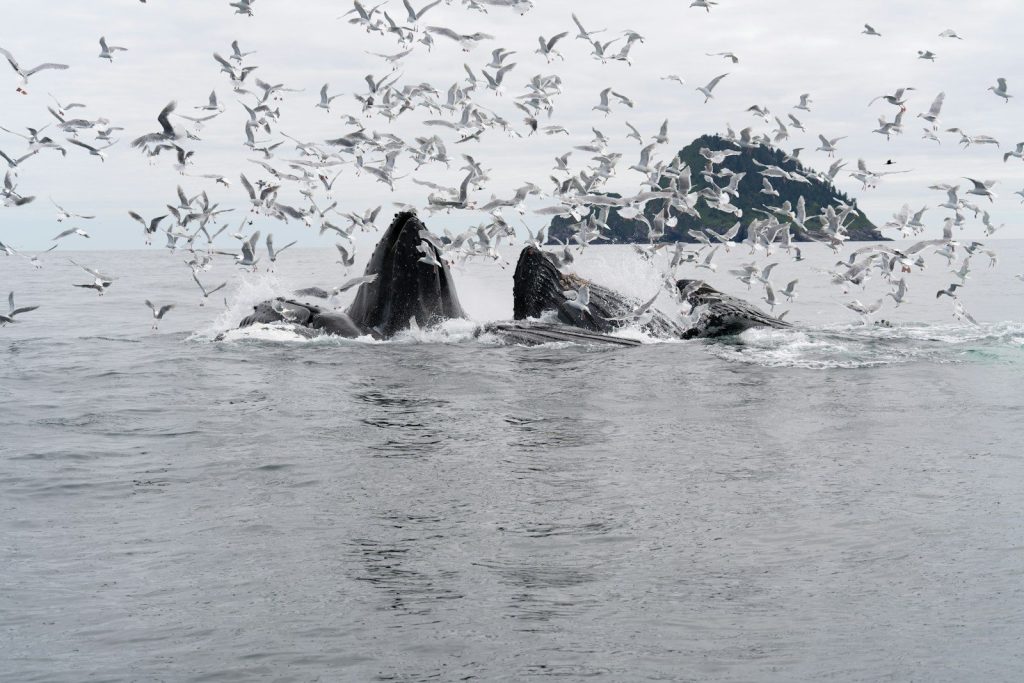
Food is incredibly scarce in the dark because there are no plants to perform photosynthesis. Meals are rare. According to deep-sea ecologists, giant creatures have evolved slow metabolisms that allow them to survive months between feeding opportunities. When a whale carcass falls to the seafloor, it triggers an absolute feeding frenzy. But this scarcity has also shaped how they hunt.
Weaponizing The Deep Dark
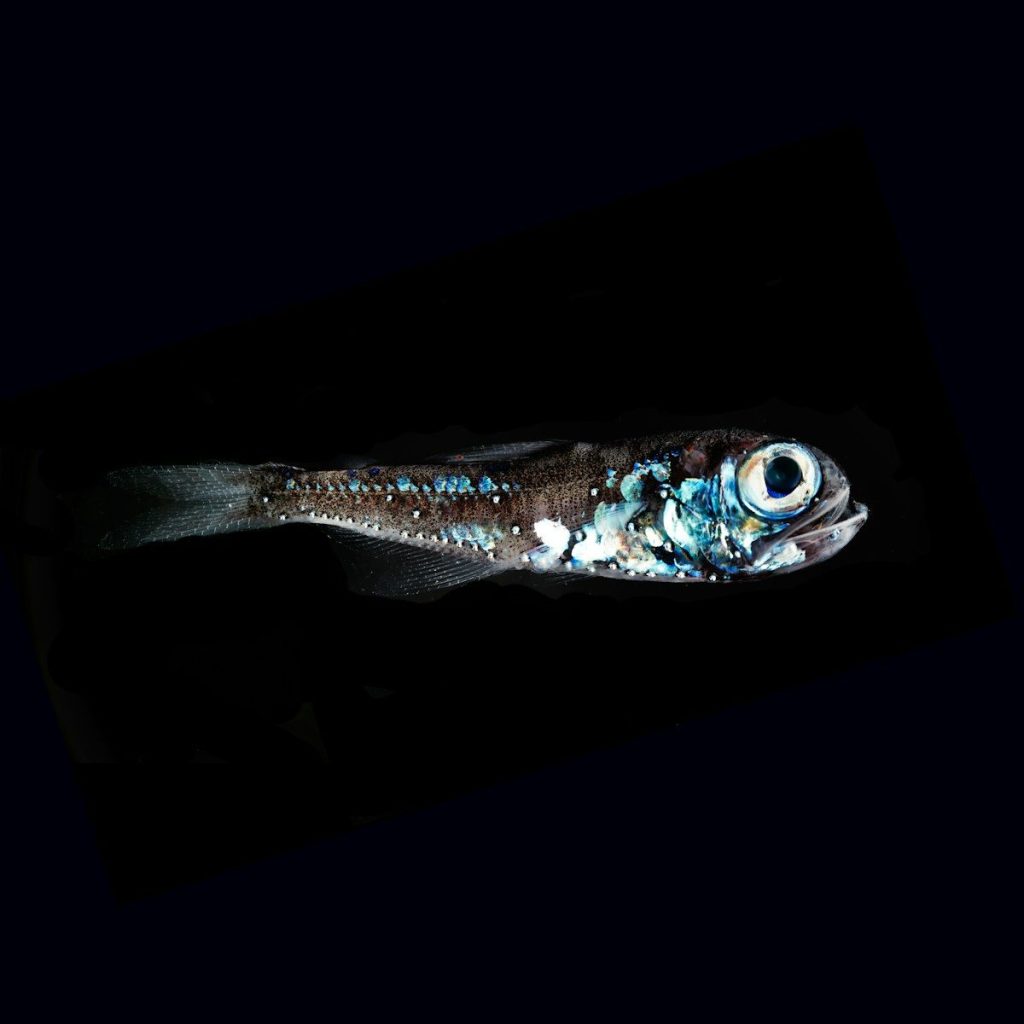
Many deep monsters use glowing appendages to lure unsuspected prey directly into their mouths. They are patient hunters. According to studies in the journal Science, over seventy-five percent of deep-sea species generate their own light through bioluminescence. This glowing trap is highly effective in the blackness. But some giants do not rely on traps to catch their meals.
The Giant Squid Attack
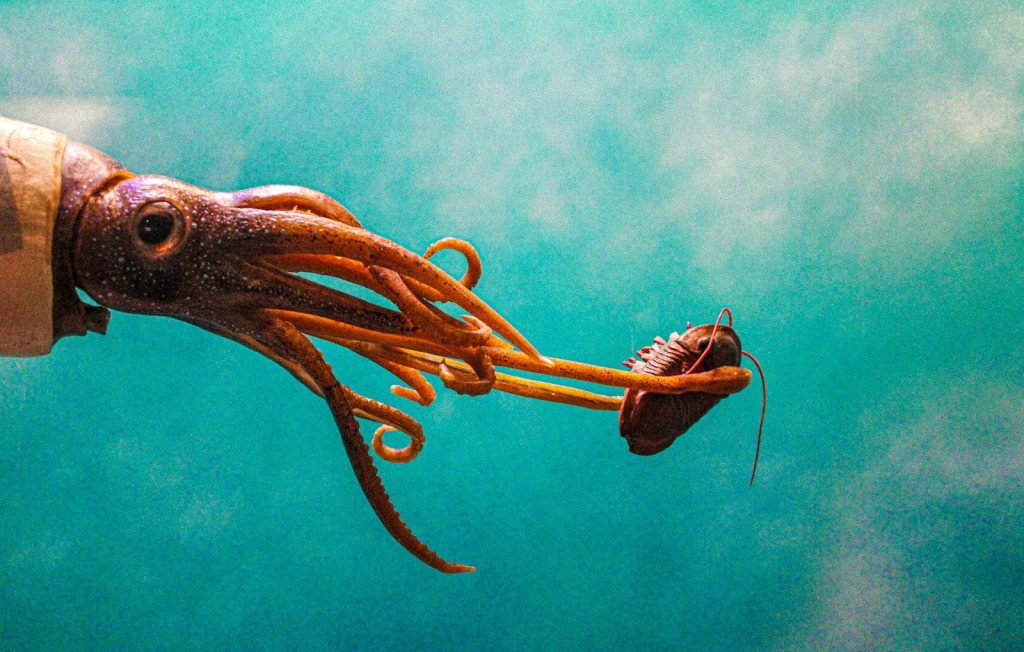
The giant squid is one of the most elusive and aggressive predators on Earth. It is a shadow. According to marine observations, these beasts can reach lengths of over forty feet and possess eyes the size of basketballs. These massive organs are designed to detect the faint movements of their favorite prey. But capturing these beasts on camera remains a monumental challenge.
Unlocking The Deep Secrets
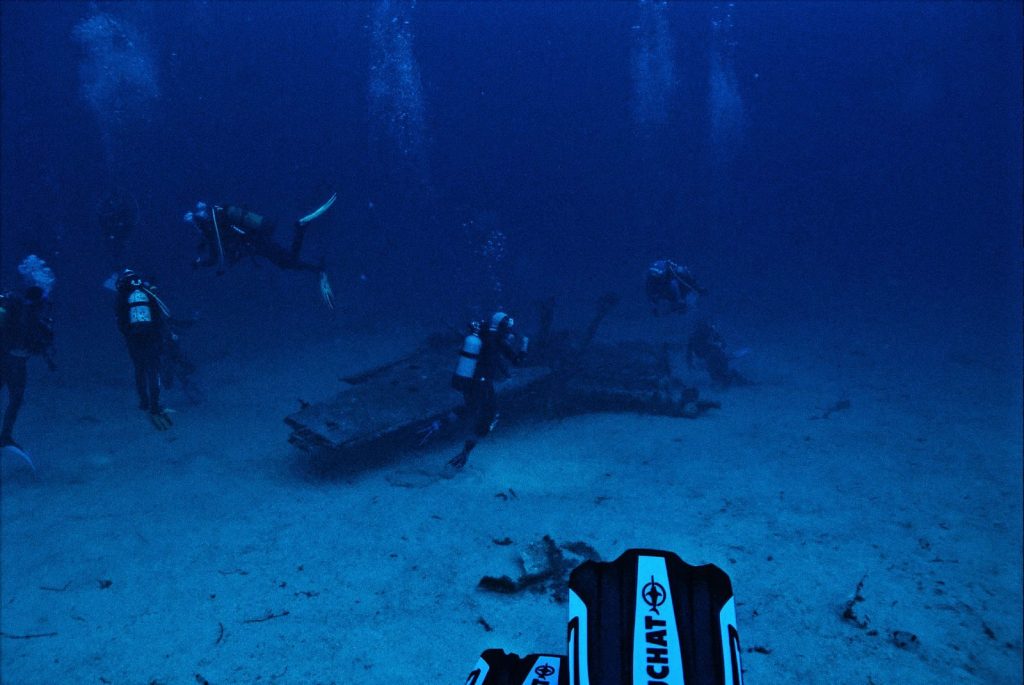
Scientists are using advanced robotic submarines equipped with low-light cameras to explore the ocean floor. They are finding wonders. According to the National Oceanic and Atmospheric Administration, we have mapped less than ten percent of the deep ocean. Every single dive reveals species that look like they belong on another planet. But our understanding of these deep ecosystems is still very fresh.
The Last Unexplored Wilderness
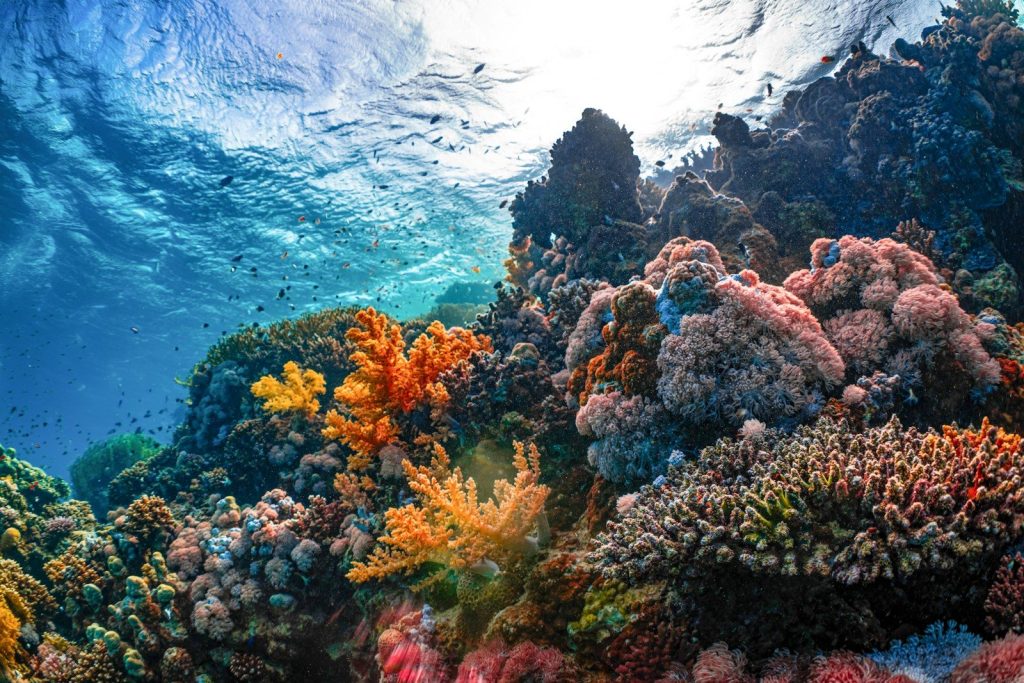
The abyssal plains contain the last true wilderness on Earth. Protecting these fragile environments is vital. According to ocean conservationists, deep-sea mining and climate change pose immediate threats to these undiscovered giants. We must tread carefully. This article is for informational purposes only.
Featured Image: Photo by informatyk003 on Pixabay
Leave a Reply