
Most history books describe ancient Egypt as a simple Bronze Age society. We assume they used simple hammers.
But several bizarre artifacts suggest they possessed highly advanced technology. These amazing relics defy explanation.
The Precision Diorite Vases
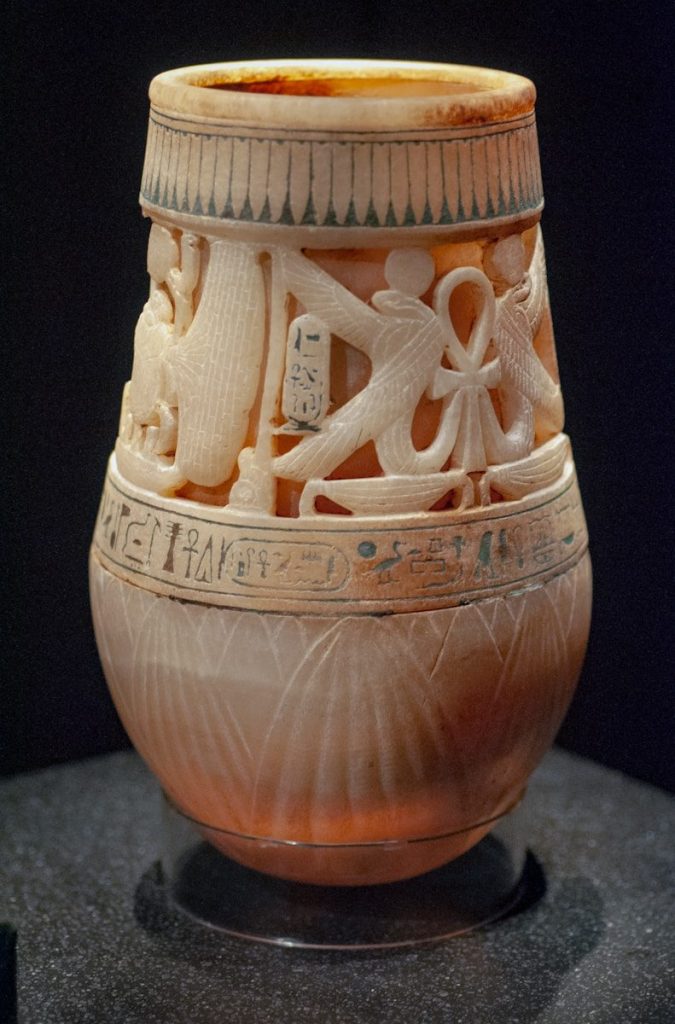
Deep inside early dynastic tombs, archaeologists recovered thousands of elegant vases made of diorite. This dark stone is one of the hardest materials on Earth and is incredibly difficult to carve. According to geological reports, the walls of these vessels are perfectly symmetrical and razor thin. They are flawless. Yet historians cannot find any tools from that era capable of cutting such hard rock.
Massive Granite Drilling Marks

Visitors to ancient quarries can see deep circular drill holes in massive pink granite blocks. The rate of speed needed to cut through this tough quartz is staggering. According to mechanical engineering studies, the grooves in the rock suggest the builders used high-speed tube drills. This is impossible. Modern drills struggle to cut granite at the rapid rate shown on these ancient stones.
Moving The Colossal Stones
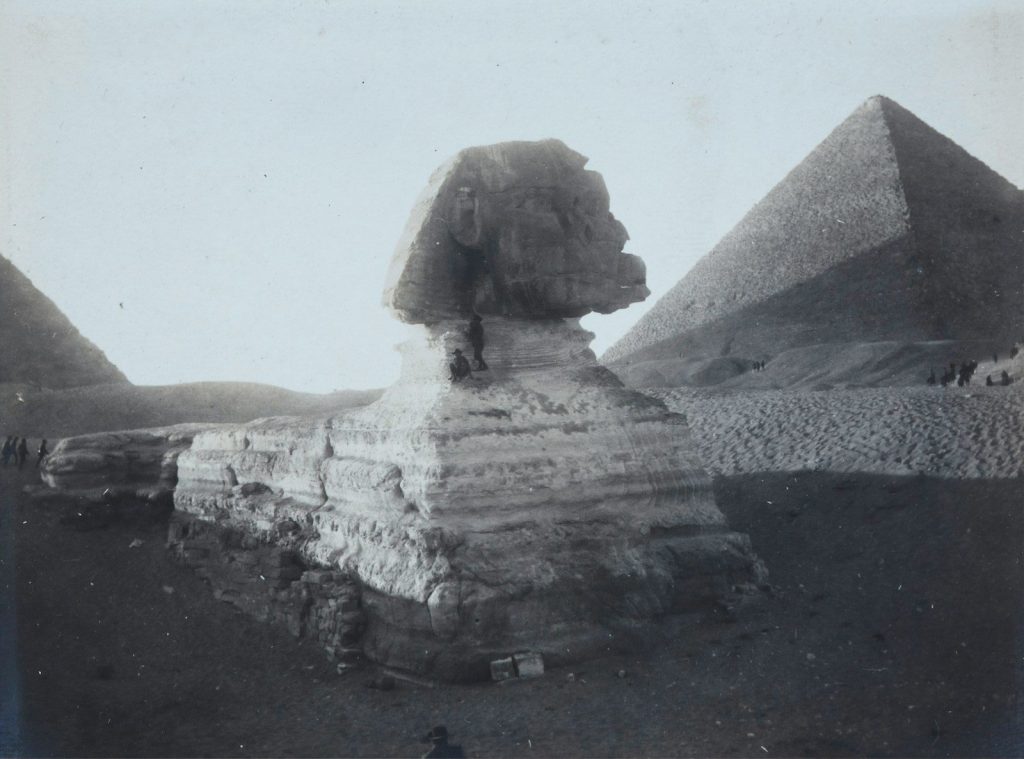
The Temple of the Sphinx features blocks of limestone weighing over two hundred tons each. Raising these giant stones to great heights requires immense crane power today. According to physics calculations, moving just one of these blocks would require the strength of thousands of men pulling together. They were massive. But the tight spaces between these monuments left no room for such large work crews.
The Strange Lightbulb Carvings
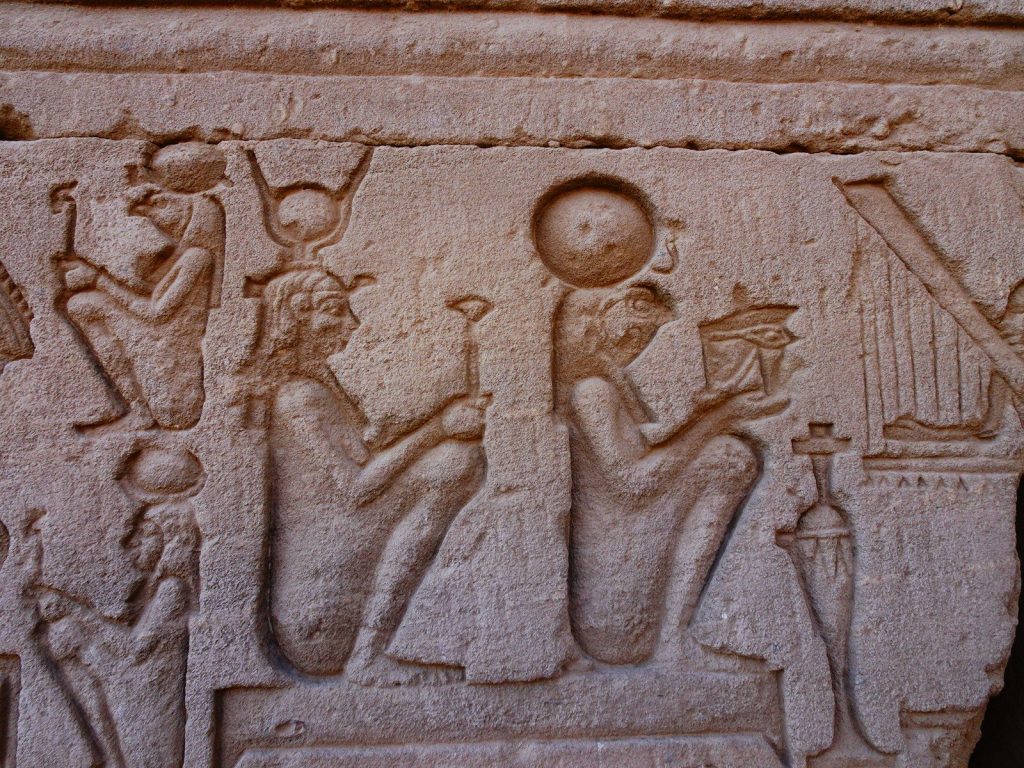
Deep underneath the Temple of Dendera, a bizarre stone carving depicts what looks like a modern vacuum tube. The relief shows figures holding a giant glass bulb with a snake-like wire inside. According to alternative archaeology studies, this image could represent an early form of electrical lighting. It is striking. But mainstream historians offer a very different explanation for this strange graphic.
The Sakkara Wooden Glider
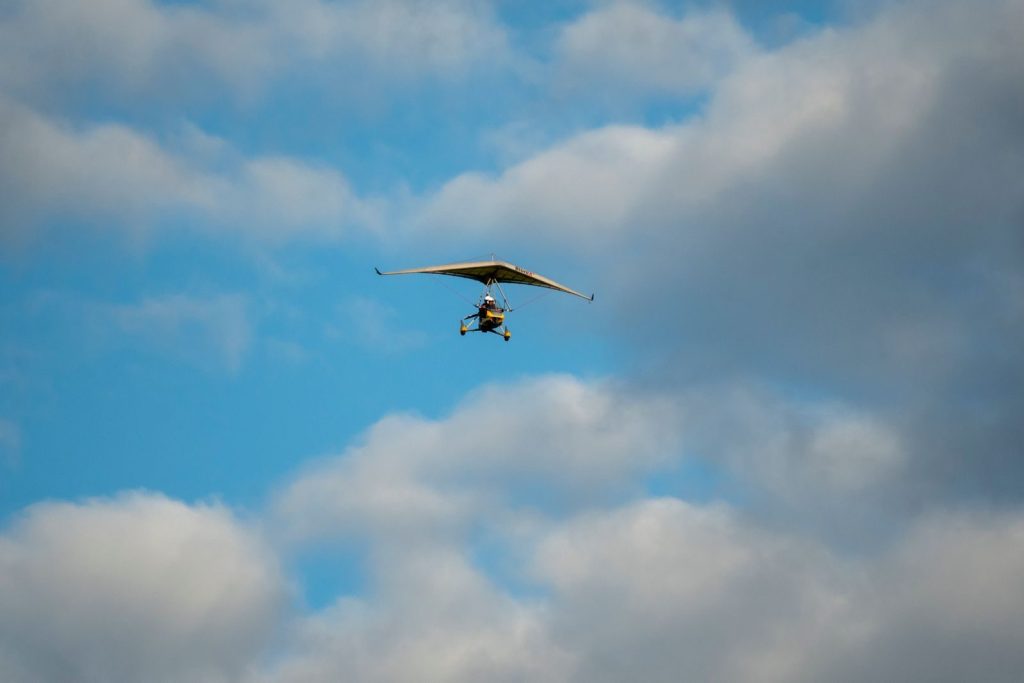
During an excavation in Sakkara, diggers unearthed a small wooden object shaped like a modern airplane. The artifact features aerodynamic wings and a vertical tail fin. According to aviation designers, a model built to these exact proportions is capable of actual gliding flight. It was aerodynamic. This suggests the ancients may have understood the basic principles of flight thousands of years before we did.
Perfectly Level Foundations
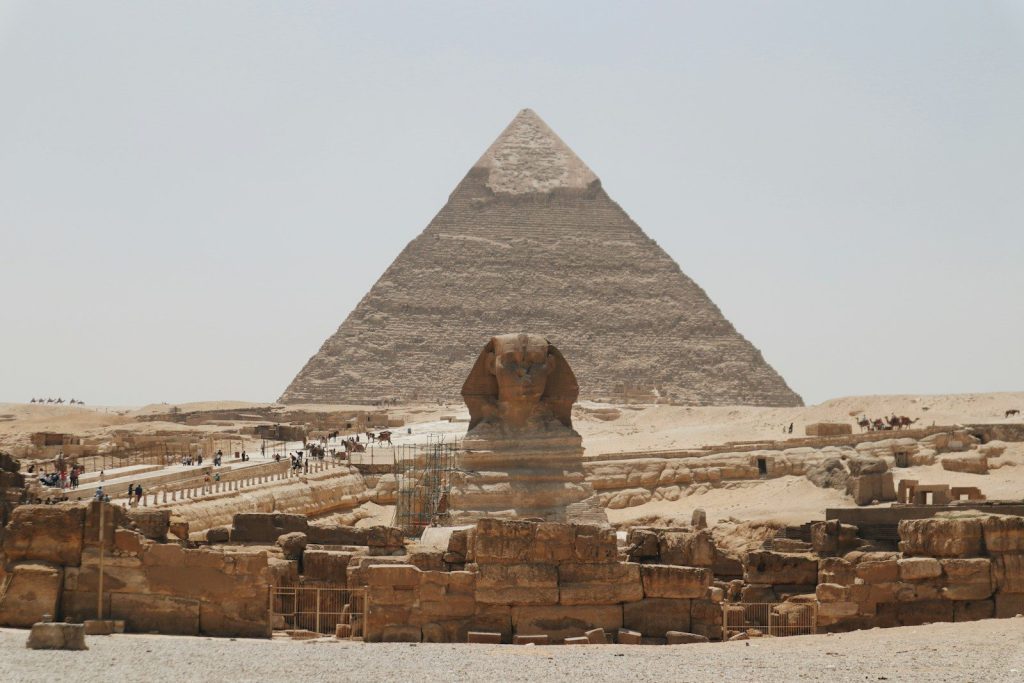
The base of the Great Pyramid is incredibly flat, with a corner-to-corner error of less than an inch. Achieving this level of precision across thirteen acres is a massive challenge for modern survey teams. According to engineering journals, the builders may have flooded the site with water to create a perfect reference level. This was clever. But executing this technique on such a massive scale remains highly controversial.
A Forgotten Golden Age
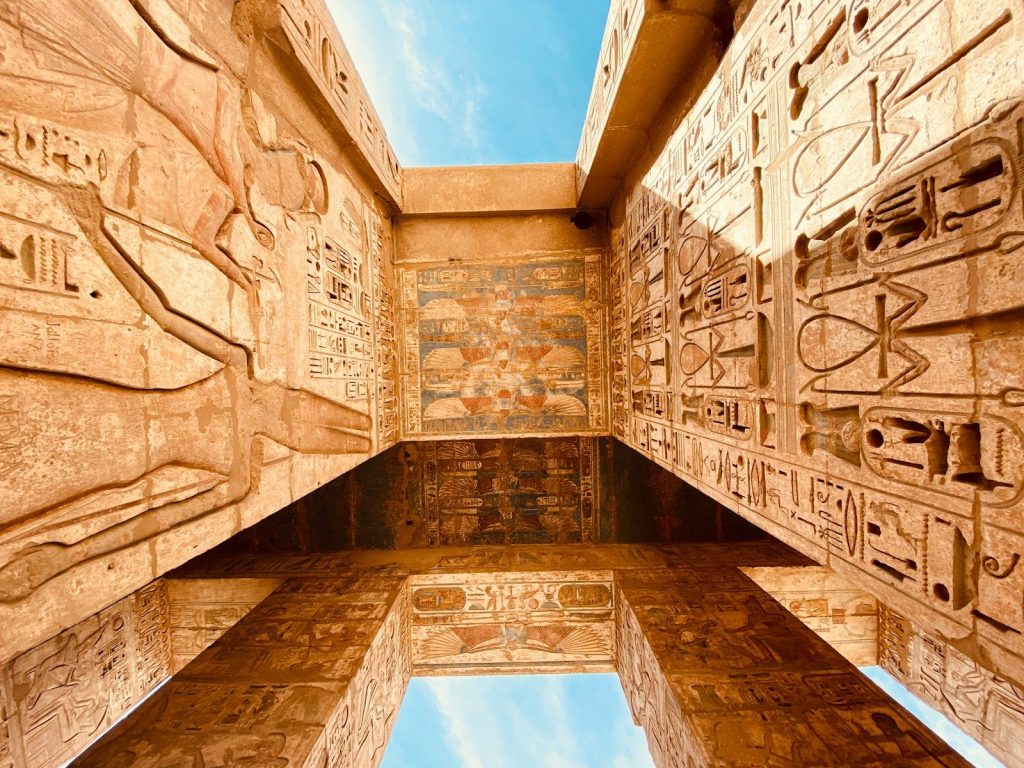
Ancient Egyptian technology continues to challenge our understanding of human progress. The physical evidence proves these early builders possessed skills that have been lost to time. According to historical researchers, we are still missing the key to unlocking their greatest construction secrets. They were true geniuses. This article is for informational purposes only.
Featured Image: Photo by Mahfuz Ahmed on Unsplash
Leave a Reply