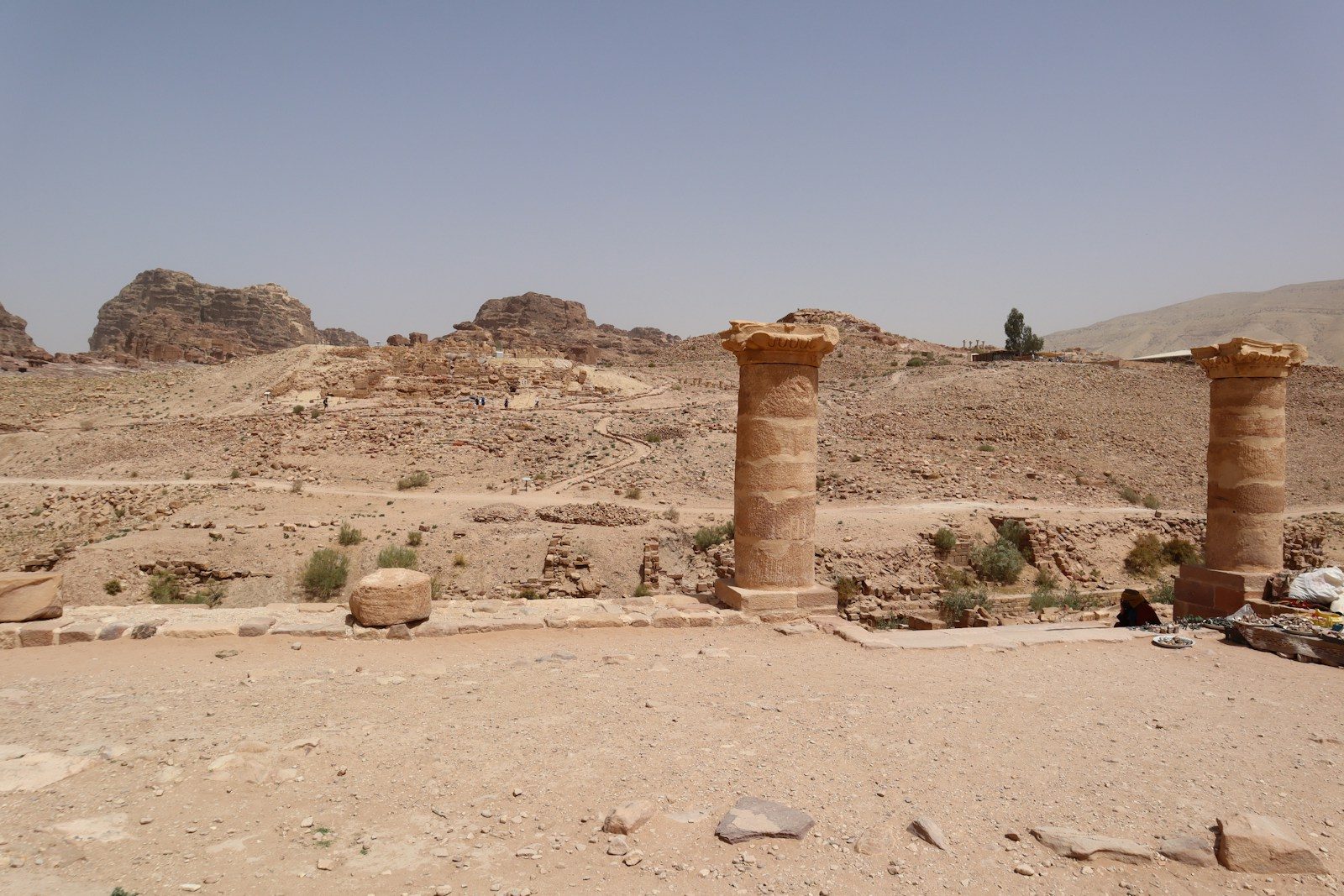
Most archaeologists believed that complex human civilization only began after the invention of farming. We assumed that simple hunter-gatherers could never build massive stone structures.
But a twelve thousand year old temple complex in Turkey has completely shattered this timeline. This monumental discovery proves that religion actually came before agriculture.
The Discovery Of Potbelly Hill
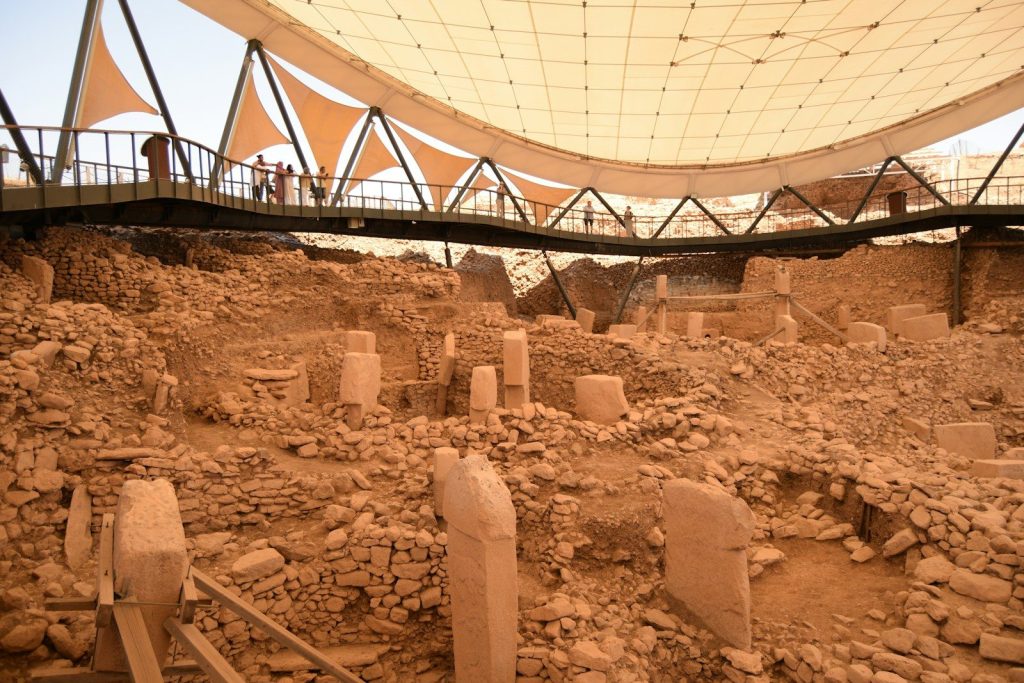
In 1994, a German archaeologist named Klaus Schmidt began excavating a barren hill in southeastern Turkey. Gobekli Tepe looked quite ordinary. According to reports from the German Archaeological Institute, what lay beneath the dirt was a massive stone complex. This structure was twice as old as Stonehenge. And its age would soon shake the scientific community to its core.
Twice As Old As Pyramids
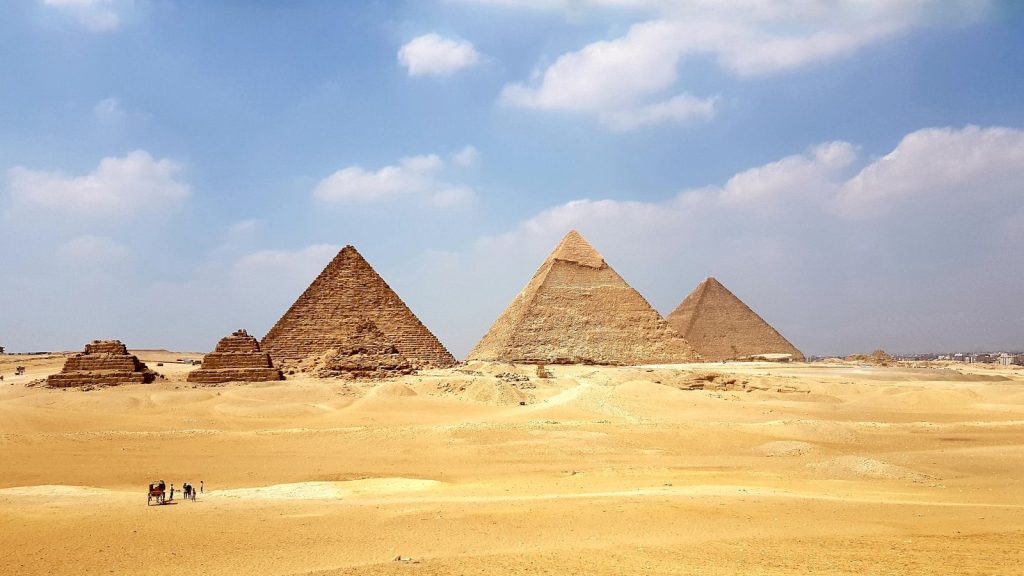
To put the age of Göbekli Tepe in perspective, it was built around nine thousand five hundred BCE. This means it predates the Egyptian pyramids by over seven thousand years. It is incredibly ancient. According to carbon dating results, this site was constructed at the end of the last Ice Age. Yet the people who built it did not have metal tools or the wheel.
The Giant T-Shaped Pillars
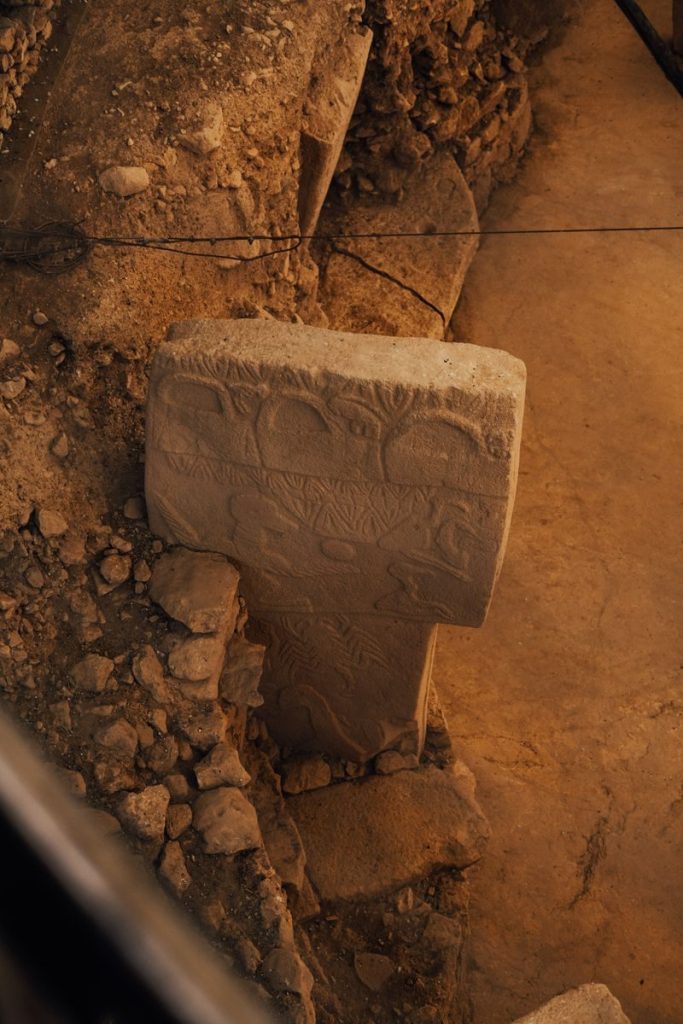
The temple consists of massive circular stone rings holding towering T-shaped pillars. Some of these limestone pillars weigh up to twenty tons. According to excavation data, these stones were carved from a nearby quarry and dragged uphill. This took immense effort. The pillars are beautifully decorated with carvings of wild animals like lions, scorpions, and vultures. But these carvings were not just decorative.
The First Temple Ever Built
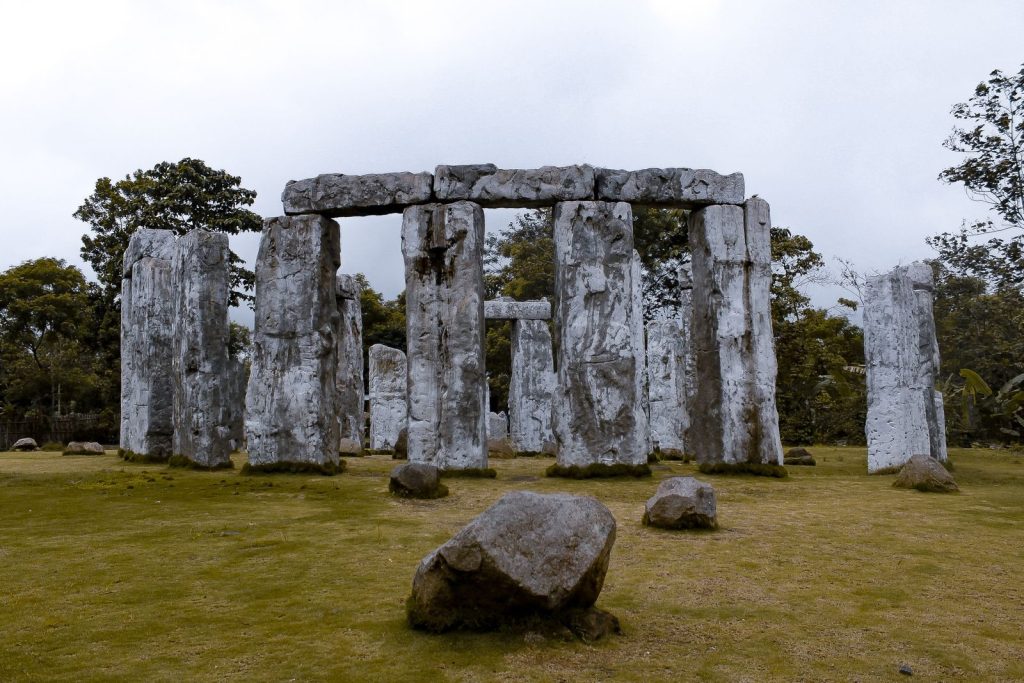
For decades, historians assumed that humans only built temples after they settled down to farm. Gobekli Tepe completely flipped this theory. According to project archaeologist Klaus Schmidt, the site was a regional temple where mobile hunter-gatherers gathered to worship. Religion came first. The massive effort required to build this site may have actually forced humans to invent farming to feed the workers.
A Cult Of Death
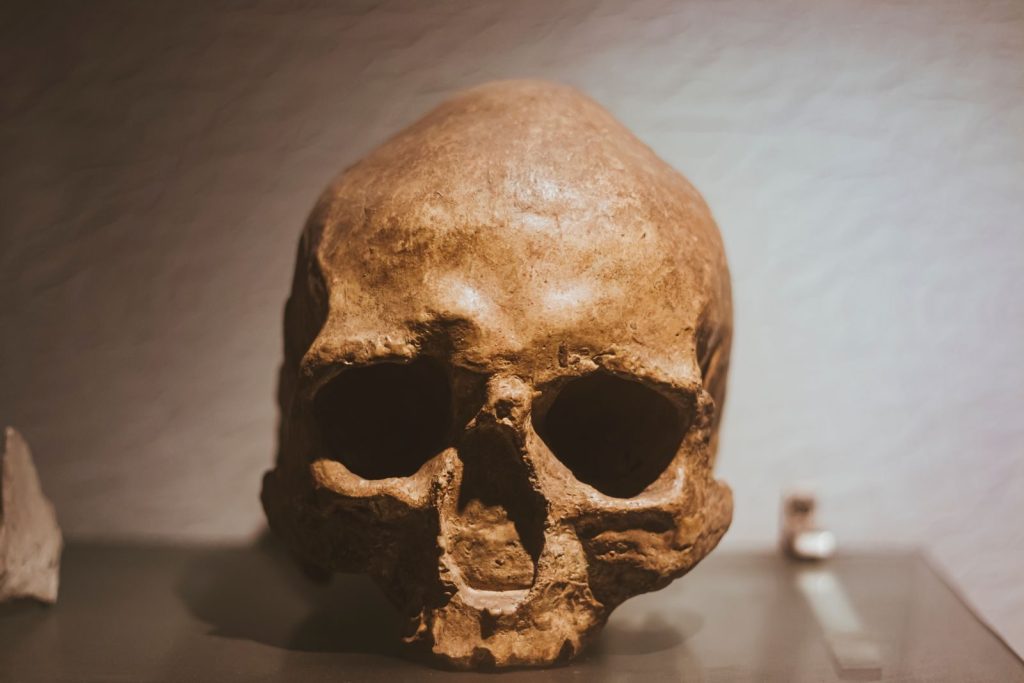
Why did these ancient humans build such a massive structure in the middle of nowhere? The answer may lie in their beliefs. According to research published in the journal Science Advances, archaeologists discovered fragments of human skulls with deliberate carvings on them at the site. They found bone relics. This suggests the temple was used for complex ancestor worship or a death cult. But the mystery gets deeper.
Intentionally Buried In Dirt
The most baffling mystery of Göbekli Tepe is its eventual end. Around eight thousand BCE, the entire temple was deliberately and completely buried under hundreds of tons of soil. This was an active burial. According to archaeological surveys, this massive backfilling was done intentionally by the builders themselves. And this bizarre final act has left modern scientists with one ultimate question.
Rewriting The History Books

According to research teams from the Sanliurfa Museum, we have only excavated a tiny fraction of this ancient site. More lies beneath. This monumental temple will continue to challenge our understanding of human origins for generations. This article is for informational purposes only.
Featured Image: Photo by Mihaela Claudia Puscas on Unsplash
Leave a Reply