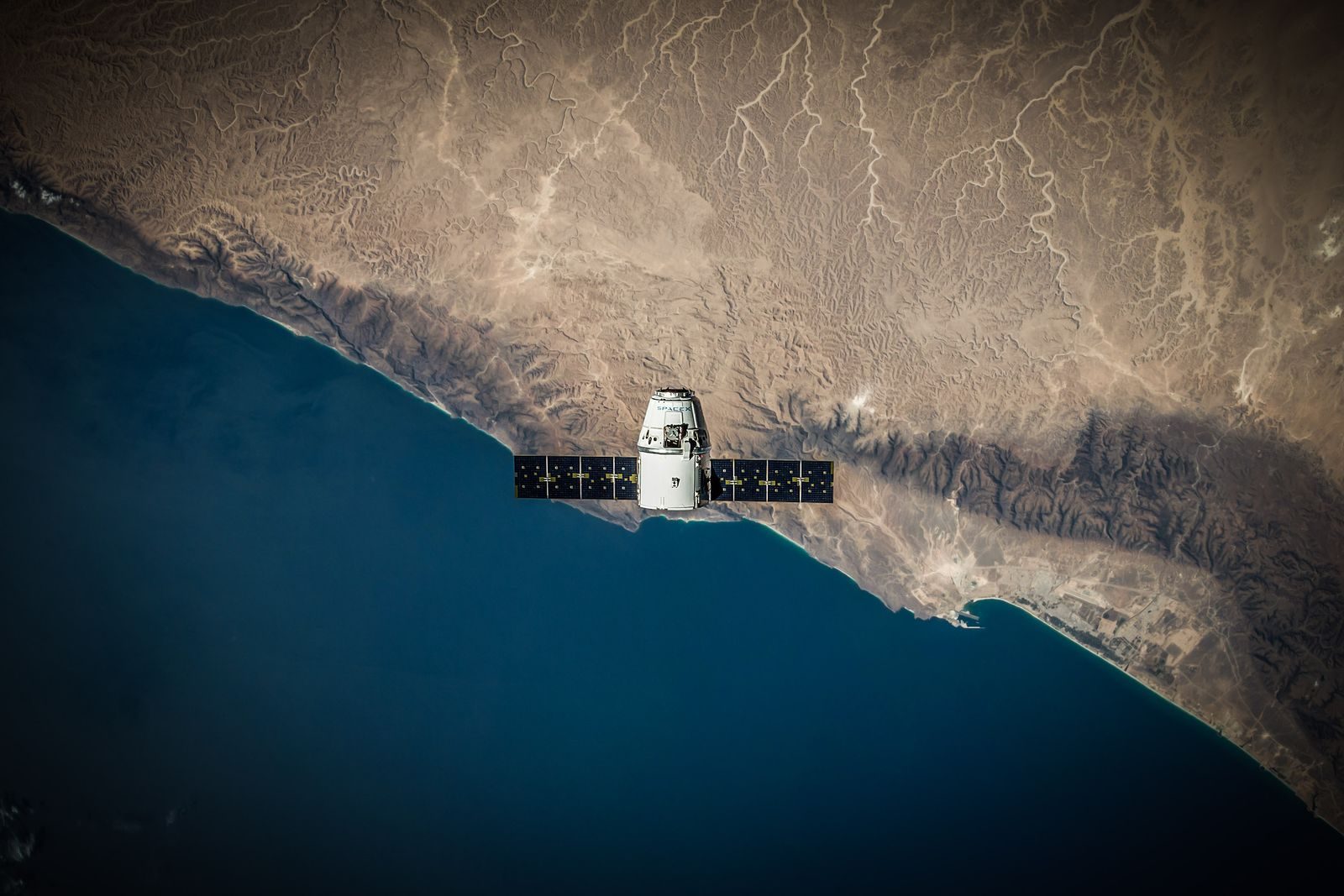
Modern societies believe that global weather patterns only cause temporary seasonal damage. We assume that our advanced infrastructure can easily protect us from atmospheric shifts.
But a terrifying nineteenth-century climate event proved that nature can easily wipe out entire societies. This global superstorm triggered a massive tragedy that changed human history forever.
The Forgotten Planetary Crisis

An invisible climate monster developed deep inside the Pacific Ocean during the late nineteenth century. According to researchers at the University of California, a massive weather cycle called a super El Nino took hold of the planet. It was truly immense. This colossal warming of the sea began to disrupt atmospheric winds on a global scale. This disruption quickly triggered a terrifying domino effect of extreme weather.
A Deadly Global Drought
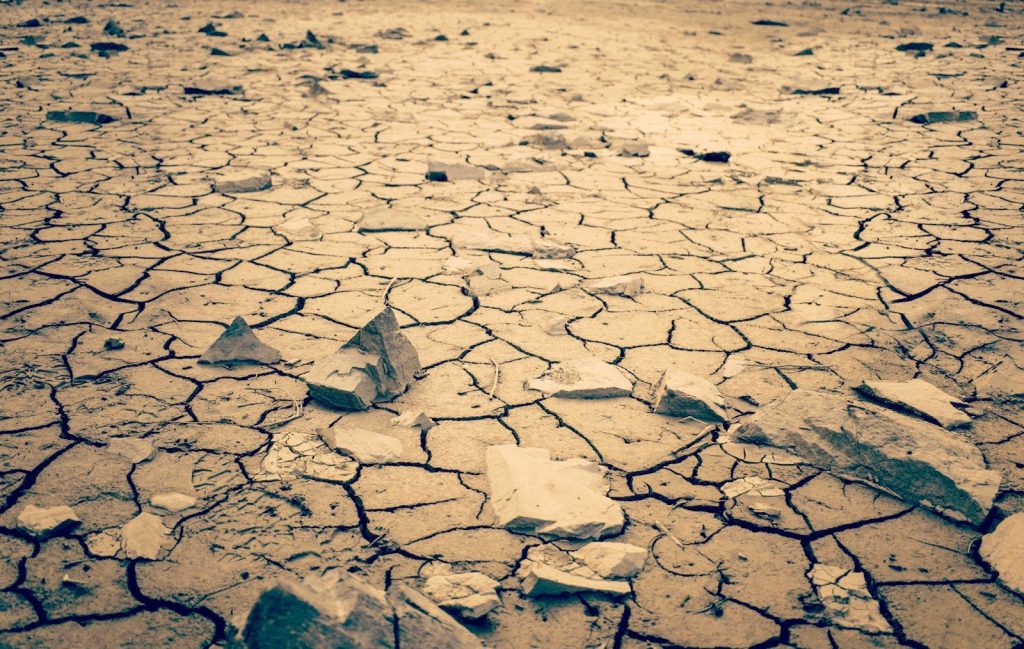
Monsoon winds suddenly failed across multiple continents at the exact same time. According to historical records from the National Oceanic and Atmospheric Administration, catastrophic droughts simultaneously crippled India, China, Brazil, and parts of Africa. Crop fields turned to dust. Hungry farming families watched their entire livelihoods vanish over a single summer. But the atmosphere was preparing an even deadlier blow for these vulnerable regions.
The Famine Zone Expands
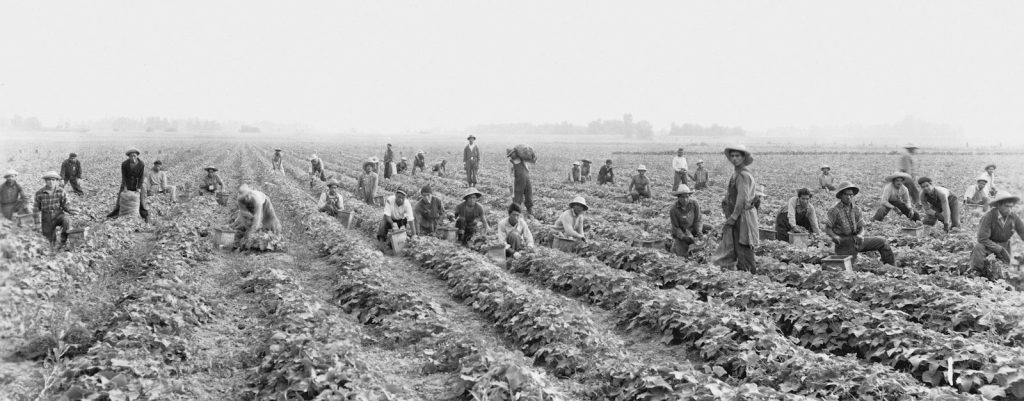
Without water, local food supplies completely collapsed across the developing world. According to a study in the journal Paleoceanography and Paleoclimatology, the resulting famines claimed up to fifty million lives over just three years. The scale was unprecedented. Entire villages simply vanished from the map as communities struggled to survive. Yet, scientists soon realized that another ocean anomaly made this drought much worse.
The Indian Ocean Connection
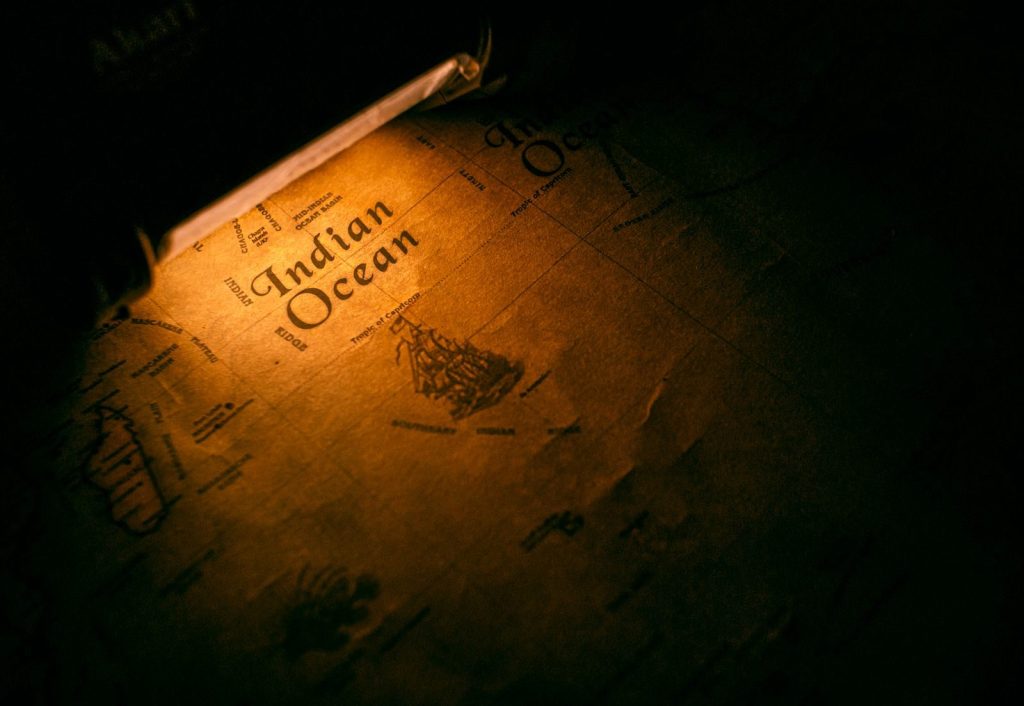
The massive Pacific warming interacted with a sudden temperature shift in the Indian Ocean. According to climatologists at Columbia University, this rare combined event is called a double dipole. Nature became a weapon. This double climate system completely blocked rain clouds from reaching land for several consecutive seasons. Soon, researchers uncovered how this historic disaster directly mirrors our modern weather risks.
Tracing The Deep Impact
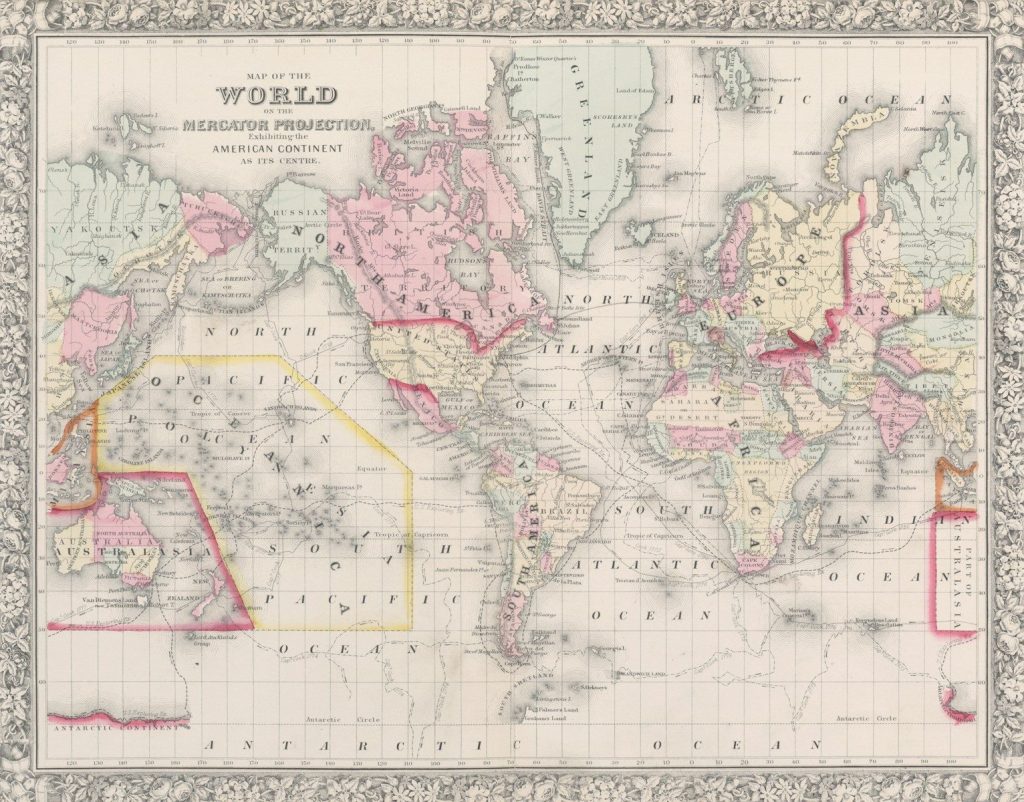
The extreme climate crisis reshaped global demographics and political boundaries for decades. According to historians at the University of Oxford, the massive loss of life deeply destabilized colonial economies and local societies. The suffering was immense. The shockwaves of this nineteenth-century event actually paved the way for massive global changes. But meteorologists warn that this dormant giant is currently waking up again.
A Modern Planetary Warning
Our current ocean temperatures are rising to levels that could trigger a similar superstorm. According to warning reports from the World Meteorological Organization, human greenhouse gases increase the likelihood of extreme El Niño events. The risk is real. Modern agricultural systems could face severe pressure if we do not prepare for these sudden shifts. However, tracking these ancient patterns requires a completely new scientific approach.
Preparing For The Next Storm
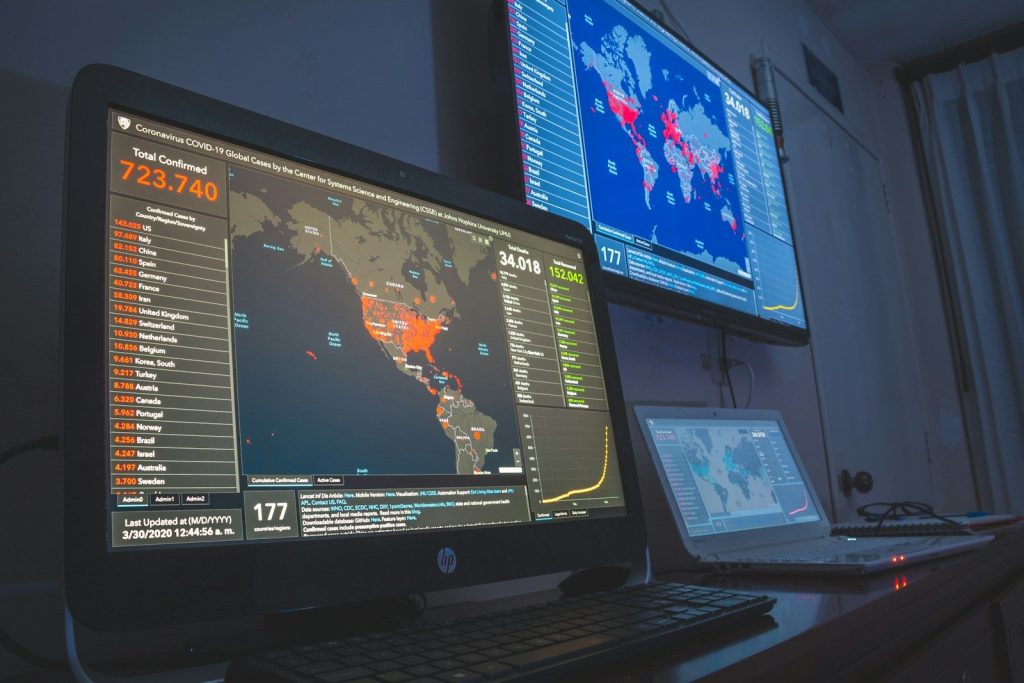
According to atmospheric scientists, studying the Great Famine El Niño helps us build better climate models today. This historical disaster proves that our global food systems remain deeply fragile. We must adapt quickly. This article is for informational purposes only.
Leave a Reply