Most history enthusiasts believe that we can easily translate any ancient writing using modern computer programs. We assume that every archaeological script has a clear, accessible key.
But a mysterious clay disc from Greece has completely baffled the world’s top cryptographers for over a century. A brilliant new analysis might have finally cracked its secret purpose.
An Unsolved Minoan Mystery

Italian archaeologists discovered the strange fired clay artifact in the ruins of the Phaistos palace on Crete. According to museum records, the disc features forty-five unique, stamped symbols spiraling inward. It was bizarre. No other Minoan object shares this style of writing. But this complete lack of comparison material made translating the text almost impossible.
Skeptics Questioning The Authenticity
Because the disc is so unique, some historians once argued that the artifact was a clever modern forgery. According to detailed physical analysis, the unique composition of the clay matches authentic pottery found nearby. The object is real. Thermoluminescence testing confirmed the disk belongs to the Middle Bronze Age. However, knowing the age did not help experts understand what the stamps actually meant.
The Stamps of Ancient Life
The symbols depict everyday Minoan images like children, shields, birds, and plants pressed into wet clay. According to linguists at Oxford University, these stamped signs represent the earliest known form of movable type printing in human history. They were revolutionary. Designers created forty-five individual stamp tools to print this highly uniform message. But the message itself remained a total mystery.
A Prayer to The Mother
A recent linguistic study proposed a highly convincing translation of several key symbols on the clay disk. According to reports from the Hellenic Mediterranean University, the stamped text contains a rhythmic prayer dedicated to a Minoan mother goddess. The words flow. Researchers identified terms associated with motherhood, love, and light hidden in the spiral pattern. But this religious angle changes how we view ancient Minoan daily life.
Comparing With Linear A
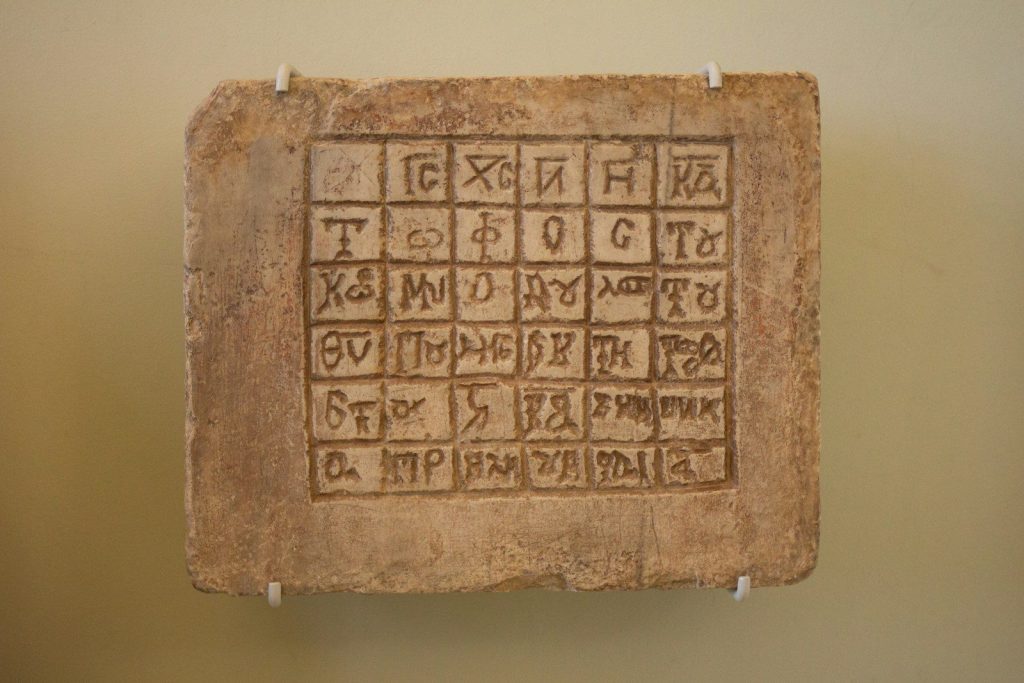
Lacking other examples of this script, experts looked for patterns in the undeciphered Linear A writing of Crete. According to comparative language studies, some symbols on the disc match shapes found on Minoan ritual objects. They look identical. This vital connection suggests the disc was a sacred instrument used in temple ceremonies. But experts must explain why the creators stamped this message on clay.
An Ancient Healing Talisman

The circular shape and spiral text layout of the disc might have served a highly practical, ritual function. According to ancient history experts, worshippers likely rotated the disc during prayers to trigger a meditative, trance state. It brought peace. This physical movement matched the healing rituals of Minoan temples. But archaeologists still hope to find more clues buried deep in the soil of Crete.
Cracking The Minoan World
According to historians, the Phaistos Disc remains a stunning symbol of our incomplete understanding of Bronze Age civilizations. This relic proves that major historical puzzles still wait to be solved. We are learning. This article is for informational purposes only.
Featured Image: Photo by Mike Newbry on Unsplash
Leave a Reply