Most people assume that the deep interior of our planet is a uniform mix of molten rock. We believe that Earth consists of simple, predictable layers beneath its thin outer crust.
But geologists have mapped two massive structures hidden thousands of miles under our feet. These continent-sized anomalies may actually be the ancient remains of a completely different planet.
Anomalies Under The Mantle
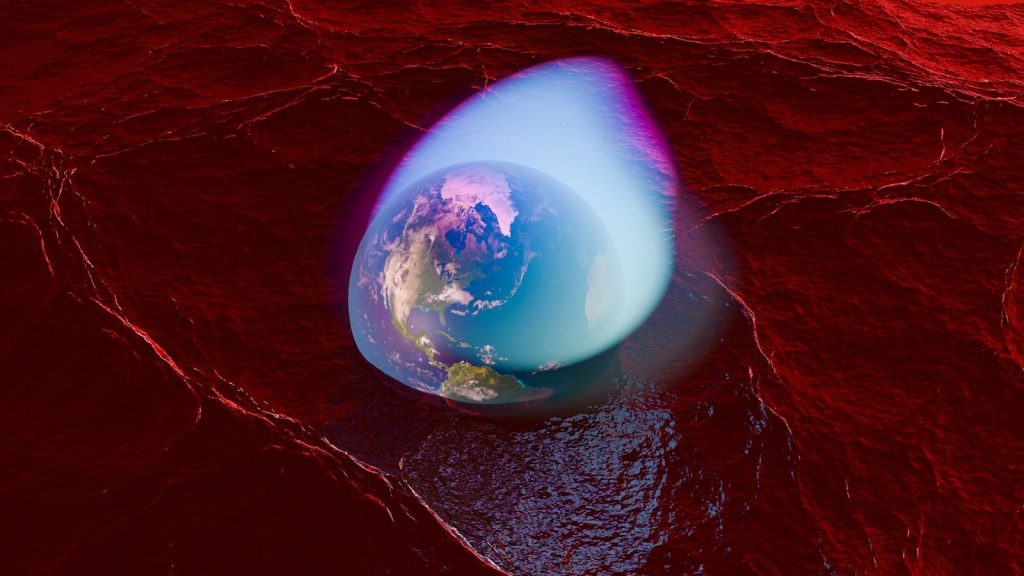
Deep seismic waves traveling through Earth reveal a pair of massive structures at the core boundary. According to seismologists at Arizona State University, these regions slow down earthquake waves dramatically. They are enormous. One sits beneath Africa while the other rests deep under the Pacific Ocean, but their strange density has puzzled researchers for decades.
Remnants Of A Lost Planet
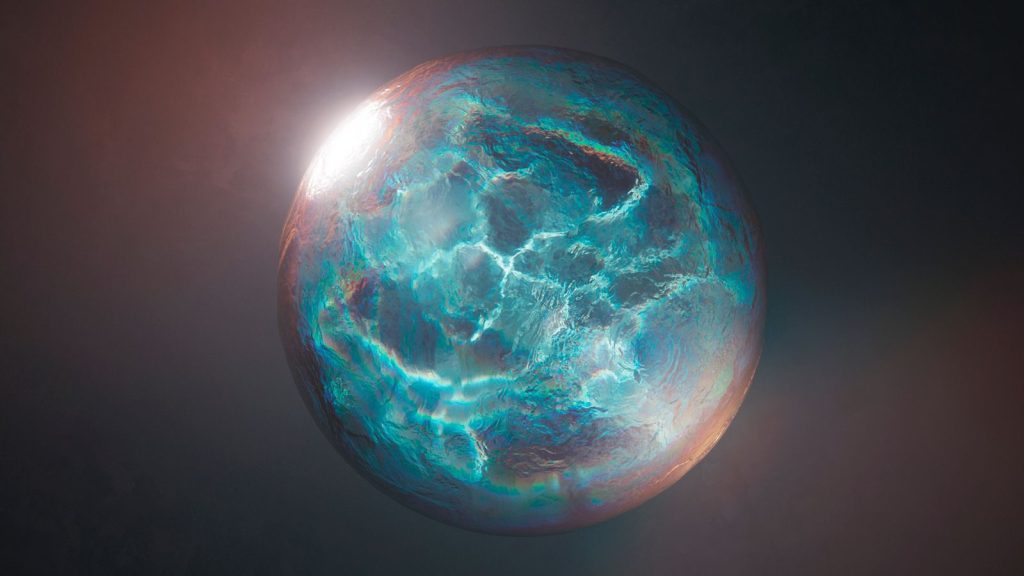
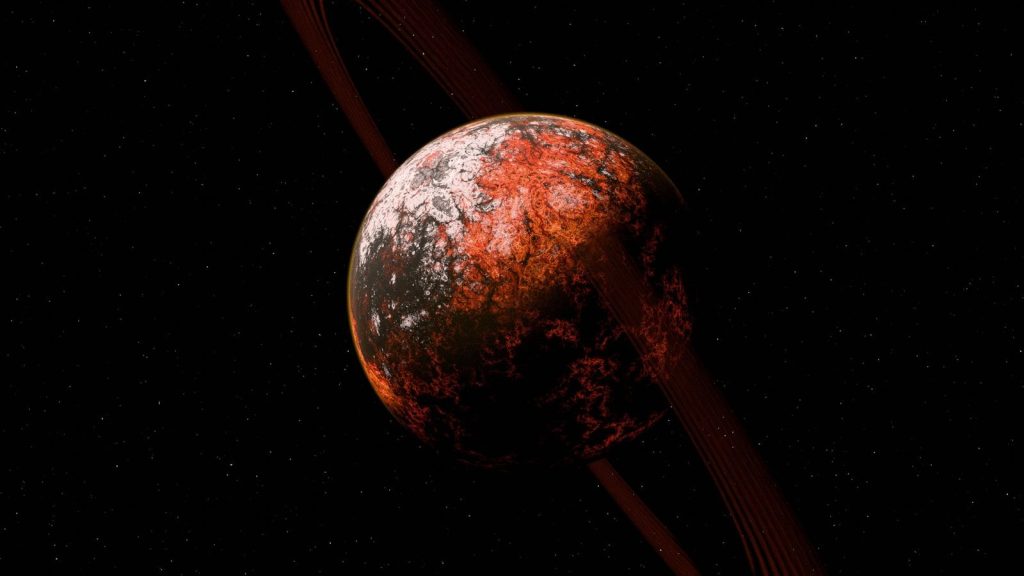
A revolutionary scientific theory suggests these blobs are the surviving fragments of a primordial world named Theia. According to a study published in the journal Nature, this ancient protoplanet collided with Earth billions of years ago. The collision was violent. The outer debris from this impact formed our Moon, but the dense core of the alien planet sank deep into the young Earth.
Continent-Sized Underworld Structures
These deep chemical reservoirs are actually larger than the entire continent of Asia combined. According to researchers at the California Institute of Technology, these provinces contain up to ten percent of Earth’s total mantle mass. They are heavy. Their high iron content makes them far denser than the surrounding rock, though this extreme weight causes them to sit permanently at the bottom of the mantle.
Stirring The Molten Depths
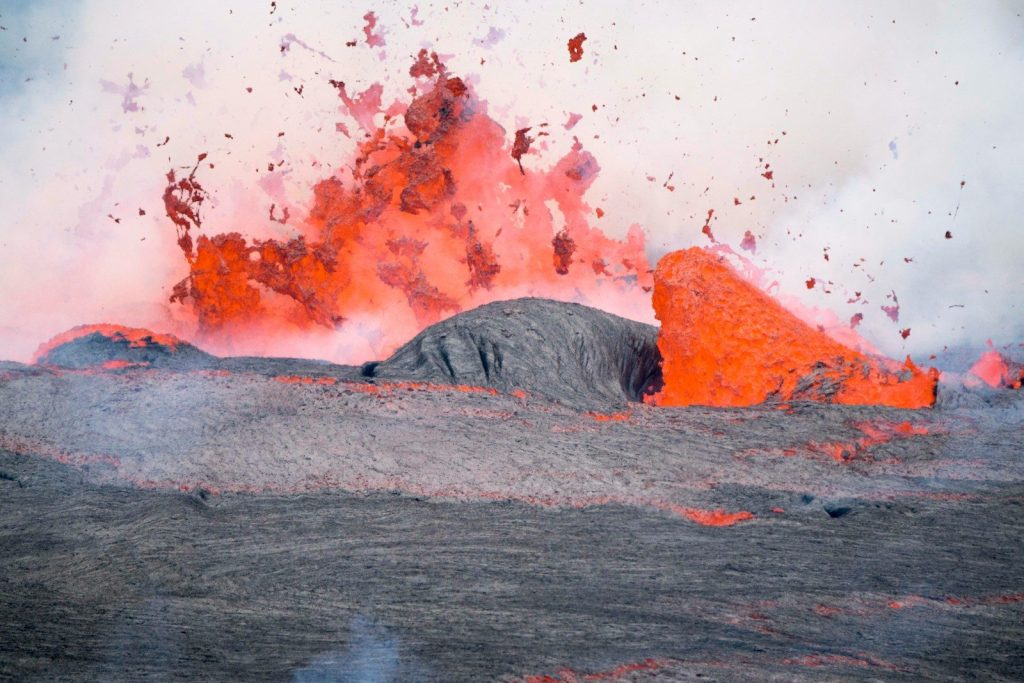
The presence of these giant alien structures directly influences how heat moves through our planet. According to geophysicists, the blobs act as thermal barriers that affect tectonic plate movements and volcanic activity. This is critical. Hot plumes of rock rise from the edges of these anomalies to feed active volcanoes, but scientists are still mapping the exact borders of these deep reservoirs.
Decoding Earthquake Sound Waves
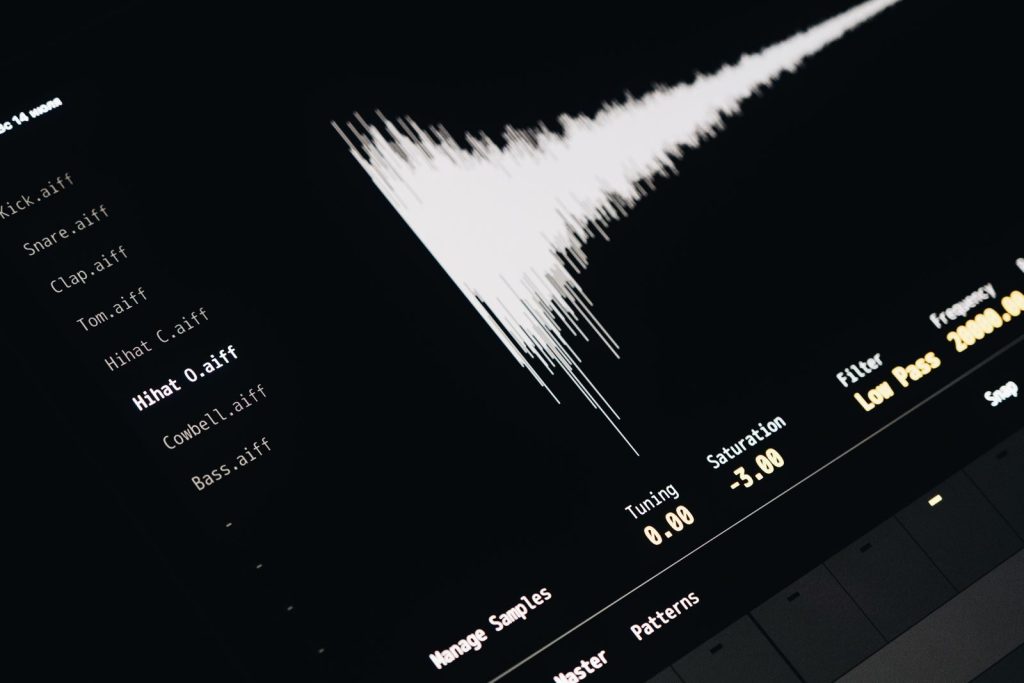
Because we cannot drill to the core, scientists must use seismic tomography to see inside Earth. According to researchers at the University of Cambridge, this technique works just like a medical ultrasound. It is highly advanced. By analyzing thousands of earthquake waves, scientists can trace the shape of these dense underground mountains, though some regions remain completely hidden from our view.
The Moon Connection Confirmed
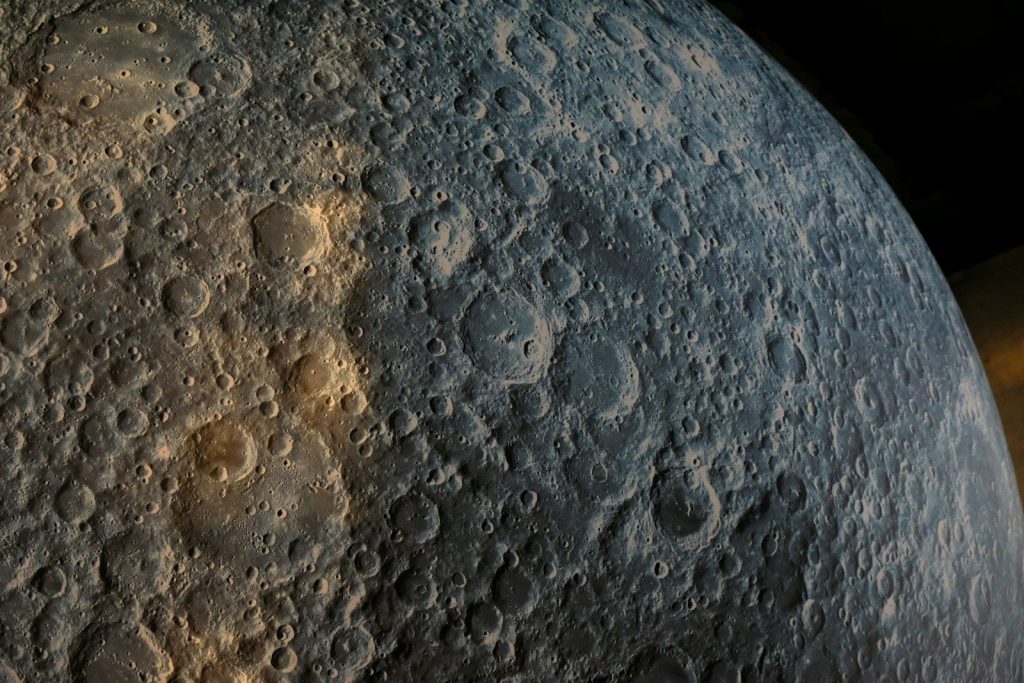
Chemical signatures in lunar rocks brought back by astronauts match the suspected composition of these mantle blobs. According to analysis from NASA planetary scientists, the Moon and the deep Earth structures share an identical isotopic fingerprint. The link is undeniable. This evidence confirms that both bodies originated from the same cataclysmic collision, but this realization raises new questions about how common such impacts are.
Shaping the Earth’s Atmosphere
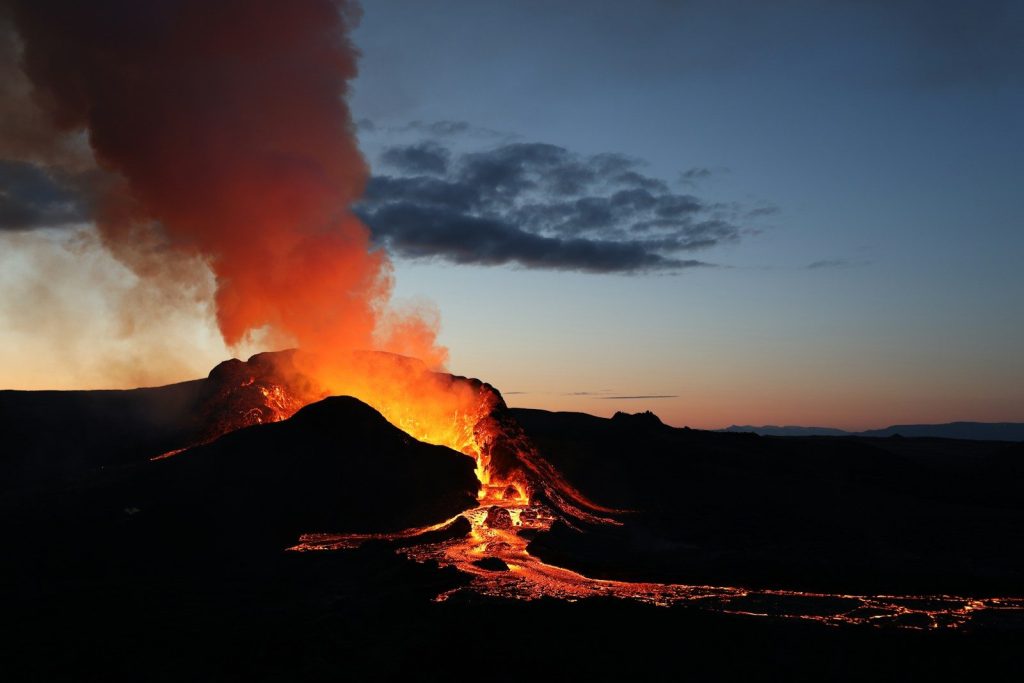
The heat released by these deep anomalies may have played a major role in forming our oceans. According to geochemical models, ancient volcanic eruptions fueled by mantle plumes released critical gases into the early atmosphere. Earth slowly changed. This ancient process created the conditions necessary for life to emerge, though the deep structures continue to slowly evolve beneath us today.
A Living Planetary Record
According to scientists at the Earth Life Science Institute, these deep structures represent a pristine archive of the solar system’s earliest history. Understanding these ancient planetary remnants helps researchers locate habitable worlds across the galaxy. This article is for informational purposes only.
Featured Image: Photo by Emmanuel Appiah on Unsplash
Leave a Reply