Blog

  • The Missing Earth Data That Baffled Climate Scientists

    The Missing Earth Data That Baffled Climate Scientists

    We assume that modern climate models track global warming with perfect accuracy. Most people believe that supercomputers already calculate every environmental factor on Earth.

    But a newly analyzed geological source has revealed a massive data gap. This overlooked natural process has completely shifted our understanding of planetary warming.

    Deep Ocean Heat Vents
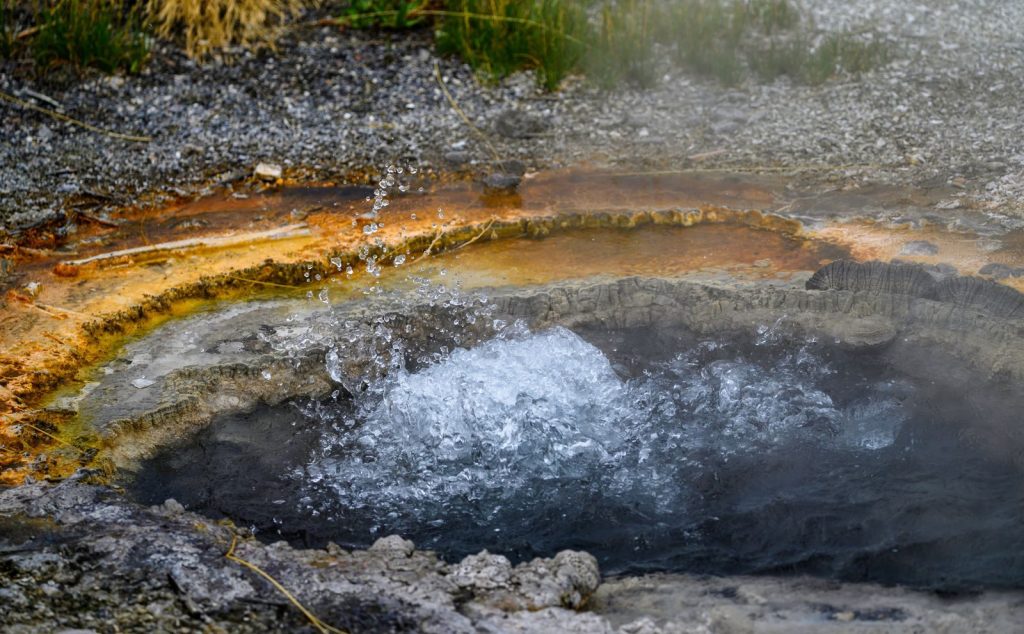
    A vivid close-up of a geyser eruption capturing water splashes and colorful minerals.
    Photo by Alfo Medeiros on Pexels

    Most global digital models focus primarily on atmospheric data and shallow sea temperatures. They completely overlook the deep ocean floor where tectonic plates shift. According to researchers at the National Oceanic and Atmospheric Administration, thousands of active geothermal vents release massive heat directly into deep water. Volcanism is powerful. This thermal energy creates an ocean heat layer that models never predicted.

    Active Soil Microbes

    Detailed close-up of pine cones, twigs, leaves creating a natural texture.
    Photo by Seamlesstextures on Pexels

    Deep within our planet’s forests, underground microbes break down organic materials. This simple natural cycle releases carbon dioxide directly back into the air. According to a study in Nature, standard climate models consistently underestimate the heat output from these organisms. Soil is alive. This quiet biological activity releases far more gas than anyone assumed.

    Giant Kelp Forests
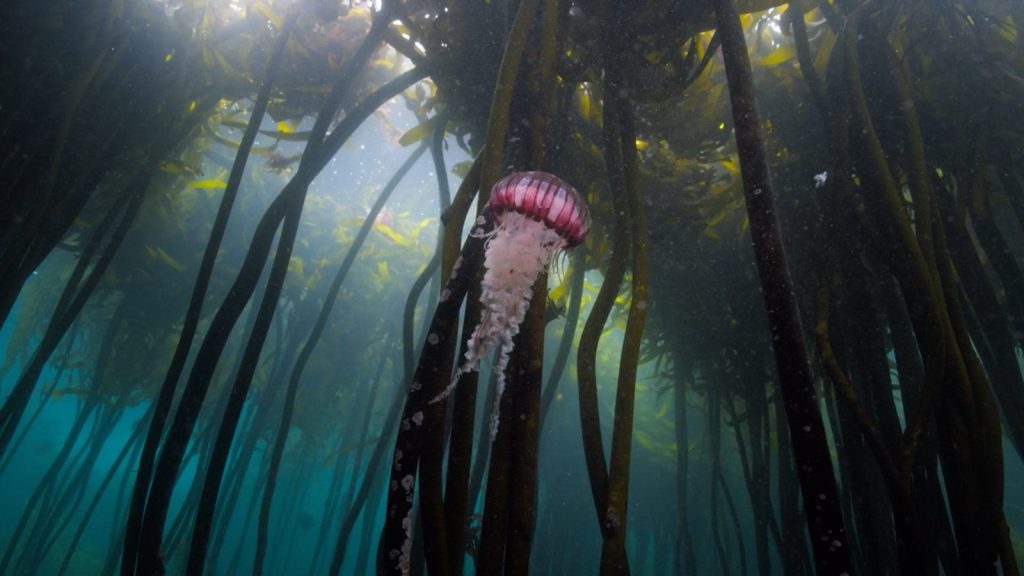
    a jellyfish in the water surrounded by seaweed
    Photo by Oleksandr Sushko on Unsplash

    Coastal sea plants absorb massive amounts of carbon dioxide from the surrounding water. These underwater meadows act as giant buffers against global warming. According to marine ecologists, current computer models ignore up to forty percent of this coastal plant absorption. Kelp grows fast. This hidden botanical shield plays a massive role that we are only beginning to measure.

    High Altitude Clouds

    the view out of an airplane window of clouds
    Photo by Francesco Liotti on Unsplash

    Thin ice clouds floating miles above the ground either trap heat or reflect sunlight. Capturing their exact movements on a digital grid is incredibly difficult. According to atmospheric scientists, current computer models simplify these complex cloud physics to save processing power. Clouds are elusive. This minor simplification creates massive errors in our long-term temperature forecasts.

    Wildfire Smoke Chemistry
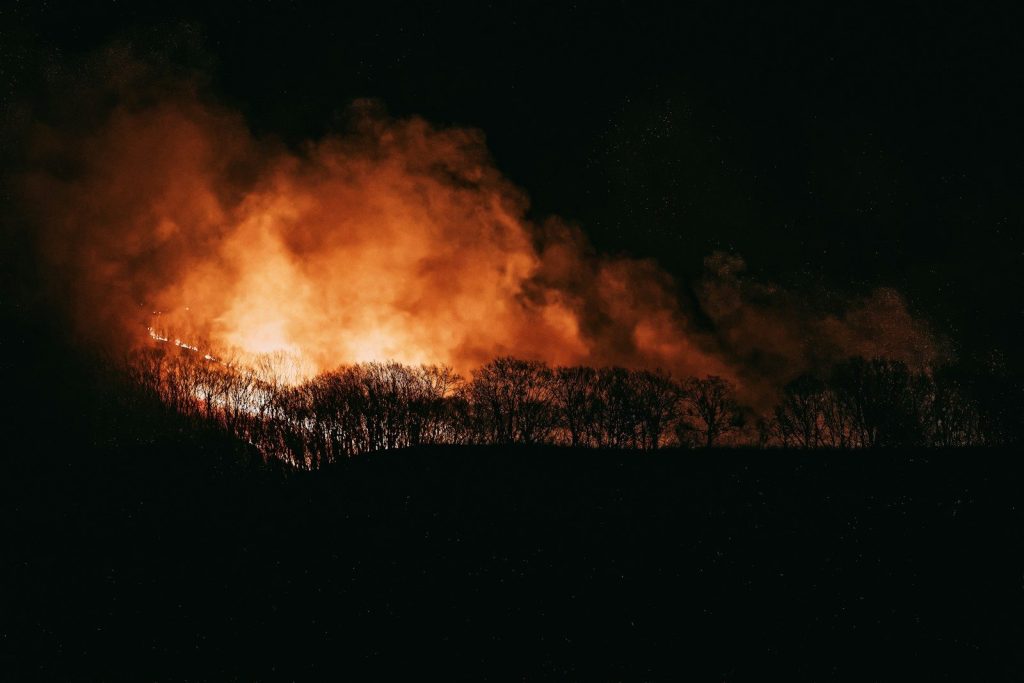
    a large fire blazing in the night sky
    Photo by Олег Мороз on Unsplash

    When massive forest fires burn, they release dense plumes of dark soot. This smoke interacts with sunlight in highly complex chemical ways. According to chemical researchers, standard models treat this soot as simple dark particles rather than active solar filters. Fires are changing. This chemical blind spot masks how much heat these soot particles actually trap.

    Frozen Tundra Lakes
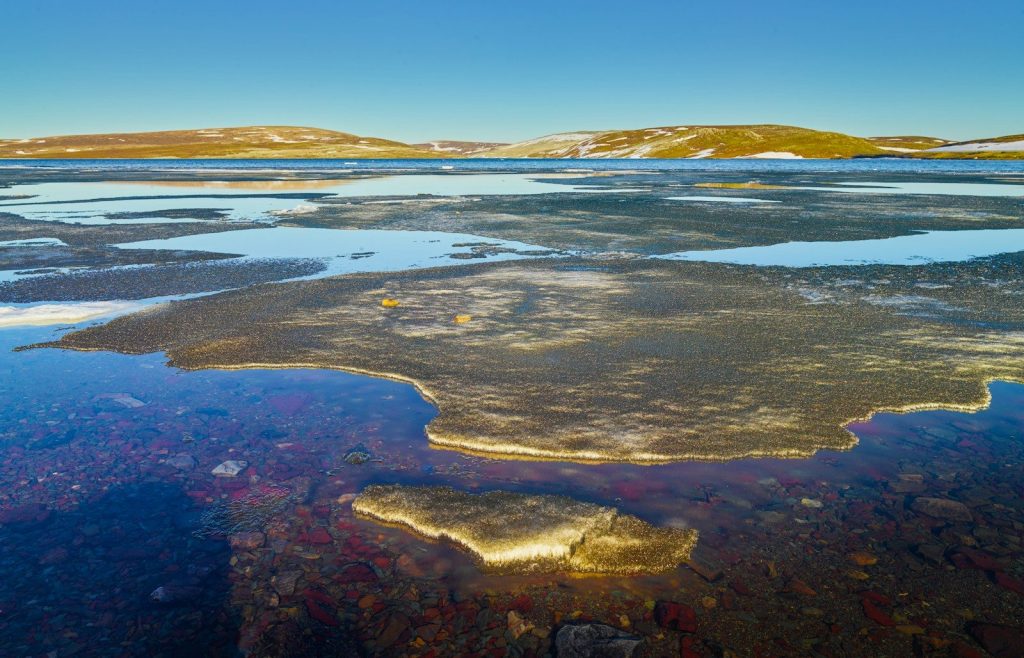
    a large body of water surrounded by mountains
    Photo by Chris Stenger on Unsplash

    As northern soils thaw, small bodies of water form across the Arctic landscape. These muddy pools trap decaying plants and bubble with flammable gas. According to the United States Geological Survey, these remote lakes release carbon at an accelerating pace. Mud is bubbling. This rapid gas release creates a warming cycle that digital models struggle to calculate.

    Deep Ice Movements
    black mountain with snow during daytime
    Photo by Will Turner on Unsplash

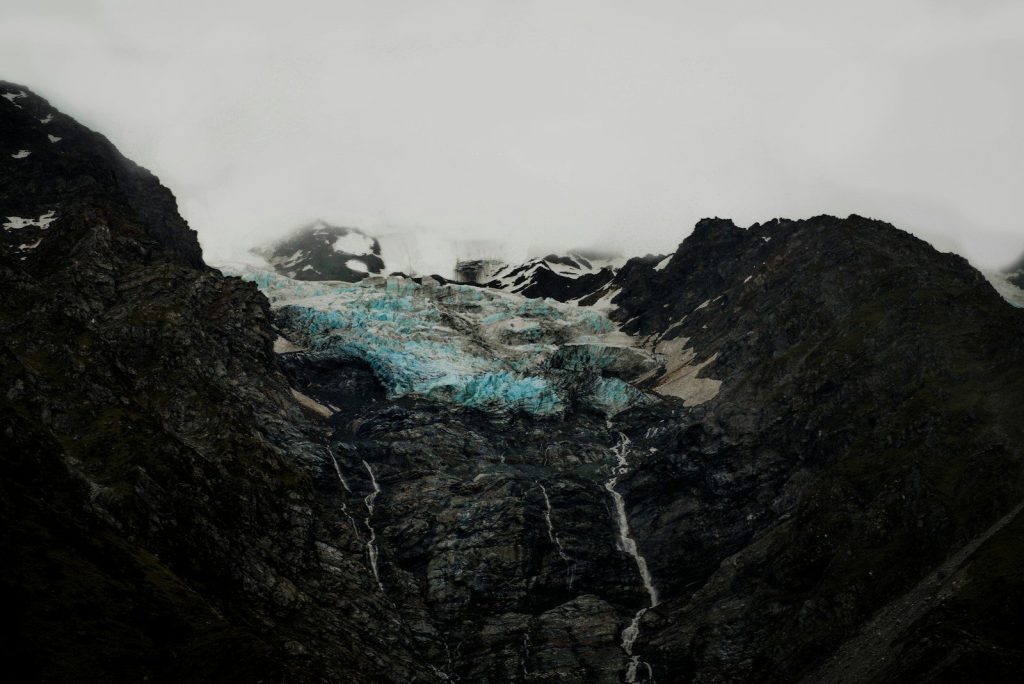
    Glaciers do not just melt slowly from the warm air above. They slide on hidden rivers of liquid water flowing beneath the solid ice. According to polar glaciologists, this sliding speed accelerates the collapse of massive ice sheets. Ice is shifting. This lubrication process means ocean levels will adjust much faster than old models predicted.

    Gathering Real Metrics
    a street light in a field with the sun setting in the background
    Photo by Sylvester Sabo on Unsplash

    Our planet operates on complex biological and geological networks that computers cannot easily replicate. Correcting these data gaps will help us protect vulnerable coastal regions. According to climatologists, we must build better physical sensors to gather real-world facts rather than relying solely on digital simulations. Science must adapt. This article is for informational purposes only.

    Featured Image: Photo by Louis Reed on Unsplash
  • The Untold Ancient History Of Islam In Early America

    The Untold Ancient History Of Islam In Early America

    We assume that Islam is a relatively modern addition to the American landscape. Most people believe that the first Muslims arrived in the US recently.

    But historical records show a completely different and forgotten reality. Followers of the faith have been part of the American story for centuries.

    The Early Explorers

    Historic sailing ship on the water with city behind
    Photo by Balázs Gábor on Unsplash

    Long before the United States was even founded, Muslim navigators arrived on the continent. These early travelers crossed the ocean alongside European explorers. They were bold. According to historical archives, some of these sailors settled in early colonies as skilled guides. But an even larger group would arrive through far more tragic means.

    The Enslaved Scholars

    a piece of paper sitting on top of a table
    Photo by melanfolia меланфолія on Unsplash
    A massive portion of enslaved Africans brought to the colonies were highly educated Muslims. Many of these individuals could read and write complex Arabic. They were brilliant. According to research from the Smithsonian Institution, these scholars maintained their faith under brutal conditions. But practicing their religion required absolute secrecy.

    Writing In The Dark

    a black and white photo of a man in the dark
    Photo by Alex Turcu on Unsplash
    Enslaved scholars wrote complete copies of the Quran entirely from memory. They used scraps of paper and homemade ink to preserve their holy texts. It was risky. According to the Library of Congress, some of these handwritten manuscripts survived for generations. But other early Muslims chose to fight directly for American freedom.

    The Revolutionary Soldier

    Man in historical military uniform holding a drum.
    Photo by Judy Beth Morris on Unsplash

    Muslim soldiers fought bravely in the American Revolutionary War for independence. Records show names like Yusuf Ben Ali serving in George Washington’s army. They were brave. According to military archives, these fighters helped secure the freedom of the new nation. But the young country was about to sign a historic global agreement.

    A Historic Treaty

    a wooden cross with a cord attached to it
    Photo by Marek Studzinski on Unsplash
    The newly formed United States signed its very first peace treaty with Morocco. This agreement established a lasting friendship between the two nations. It was historic. According to State Department records, Morocco was the first country to recognize American independence. But physical clues of early Muslim settlers were also being left in the soil.

    The Tombstone Clues

    Old gravestone with angel carvings in a grassy cemetery, autumn leaves around.
    Photo by Belle Mask on Pexels

    Archaeologists digging in old rural cemeteries found gravestones marked with Islamic symbols. These century-old graves are scattered across the American Midwest. They are silent. According to historical geologists, the carvings prove that Muslim communities existed in the heartland long ago. But modern researchers are finally bringing these hidden lives back to the surface.

    Rebuilding The Narrative

    Books fill shelves in a well-lit library.
    Photo by Allen Y on Unsplash
    Modern historians are working hard to recover these lost narratives from old family journals. They are uncovering a rich tapestry of early American diversity. The truth is rising. According to studies by Harvard University, these discoveries challenge our basic understanding of early national identity. This groundbreaking research is forcing us to rethink what it means to be American.

    This Forgotten History

    Paraglider wing lying on grassy field
    Photo by Regard Vrai IDF on Unsplash

    The forgotten history of Islam in early America proves that diversity is woven into our foundation. We must honor every voice that helped build this nation. According to cultural historians, recognizing these lost stories is vital for building a more inclusive future. This article is for informational purposes only.

    Featured Image: Photo by yue su on Unsplash
  • The Biblical Discovery That Left Archaeologists Stunned

    The Biblical Discovery That Left Archaeologists Stunned

    We often read ancient biblical stories as purely symbolic narratives. Most people assume these historic events have no physical proof left behind.

    But archaeologists digging in the Middle East have unearthed a massive structure. Its precise age and design perfectly match one of the most famous tales in history.

    Digging In The Dust

    man in gray jacket and brown pants sitting on brown rock during daytime
    Photo by JR Harris on Unsplash
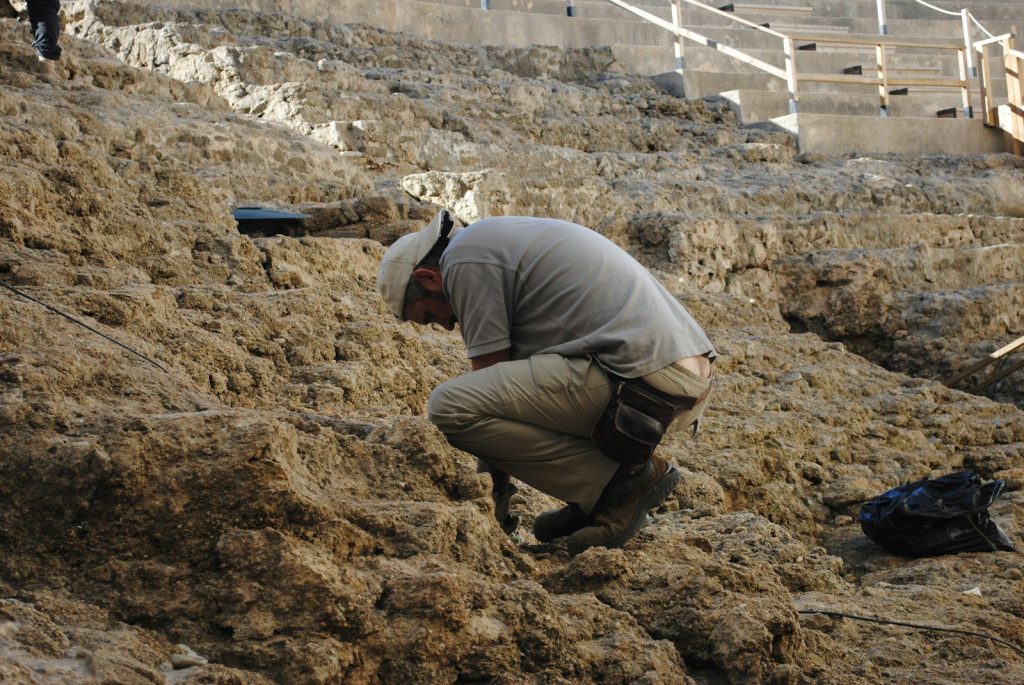
    A research team was excavating an ancient mound near the Jordan River. They expected to find standard pottery and old household tools. The work was slow. According to the Biblical Archaeology Review, the team uncovered a massive stone wall buried deep in the dirt. But they did not realize how significant this wall would become.

    The King Solomon Link

    Ancient ruins of a historical archway.
    Photo by Annie Spratt on Unsplash
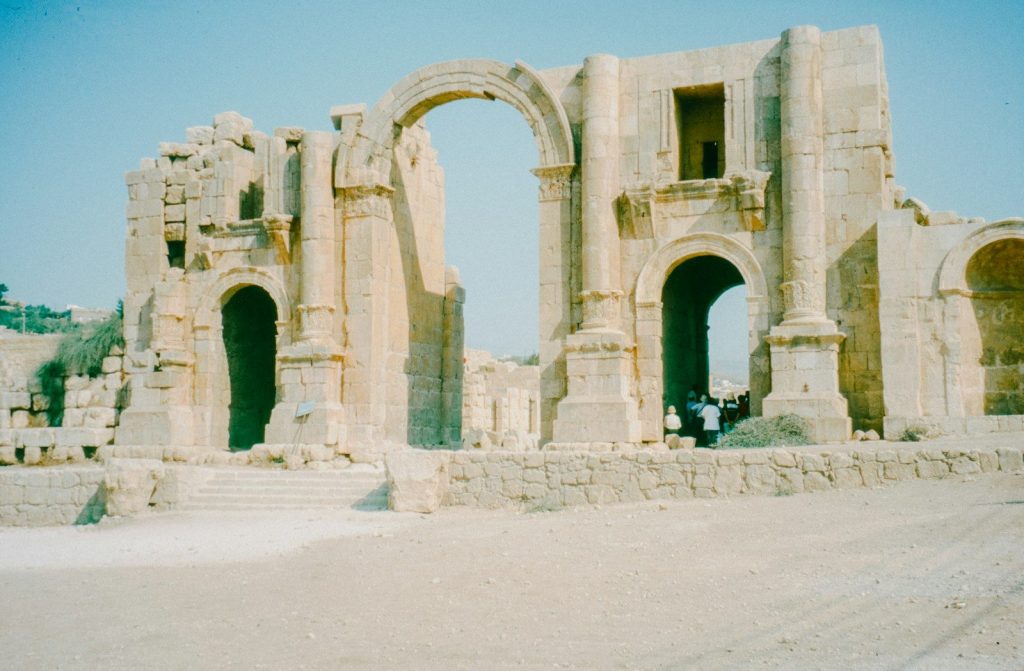
    Carbon dating revealed that the massive stone structure was built exactly 3,000 years ago. This timeline aligns perfectly with the legendary reign of King Solomon. It was massive. According to researchers at the Hebrew University, the architectural style matches description details found in ancient biblical texts. But the scale of the building shocked the experts.

    Unbelievable Ancient Engineering

    a close up of a rock with a spider crawling on it
    Photo by Wolfgang Hasselmann on Unsplash
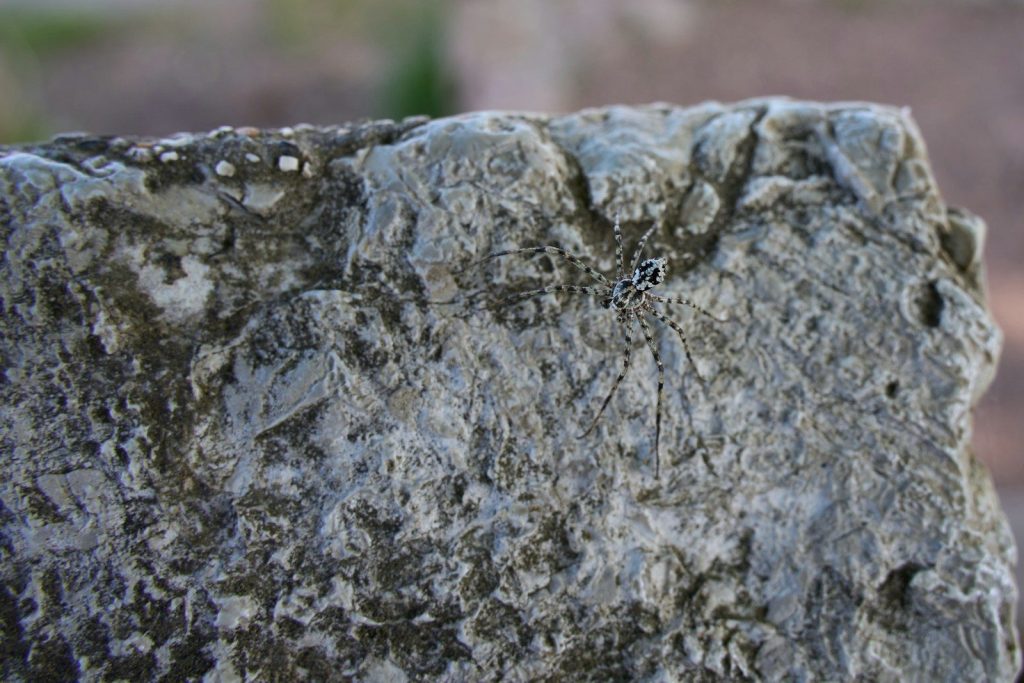
    The builders used giant limestone blocks weighing several tons each to construct the fort. Moving these stones required highly advanced engineering techniques. They were heavy. According to engineering reports, the precision of the stone cutting is superior to standard Bronze Age work. But the contents found inside the rooms were even more surprising.
    The Royal Treasury

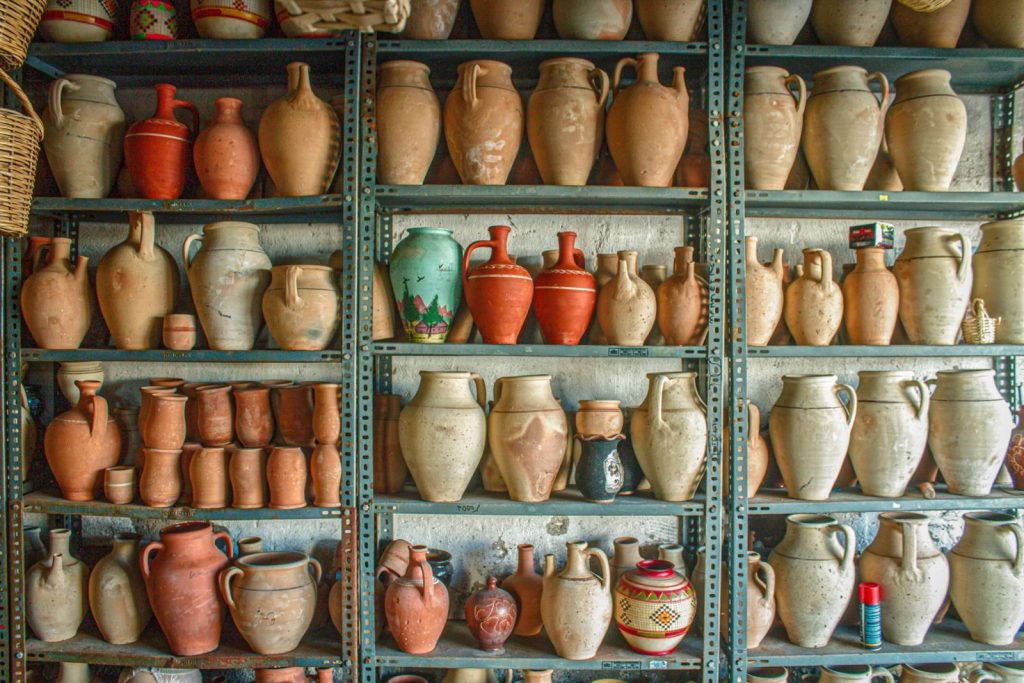
    A variety of ceramic and clay jars displayed on industrial metal shelves. Ideal for craft references.
    Photo by Ayna on Pexels

    Inside the main chamber, the team discovered a series of storage rooms filled with ancient jars. These jars contained residues of imported spices and expensive oils. They were rare. According to archaeological chemists, these luxury items prove the site was a major trading hub. Yet, the fortress was suddenly abandoned under mysterious and violent circumstances.

    Traces Of Fire

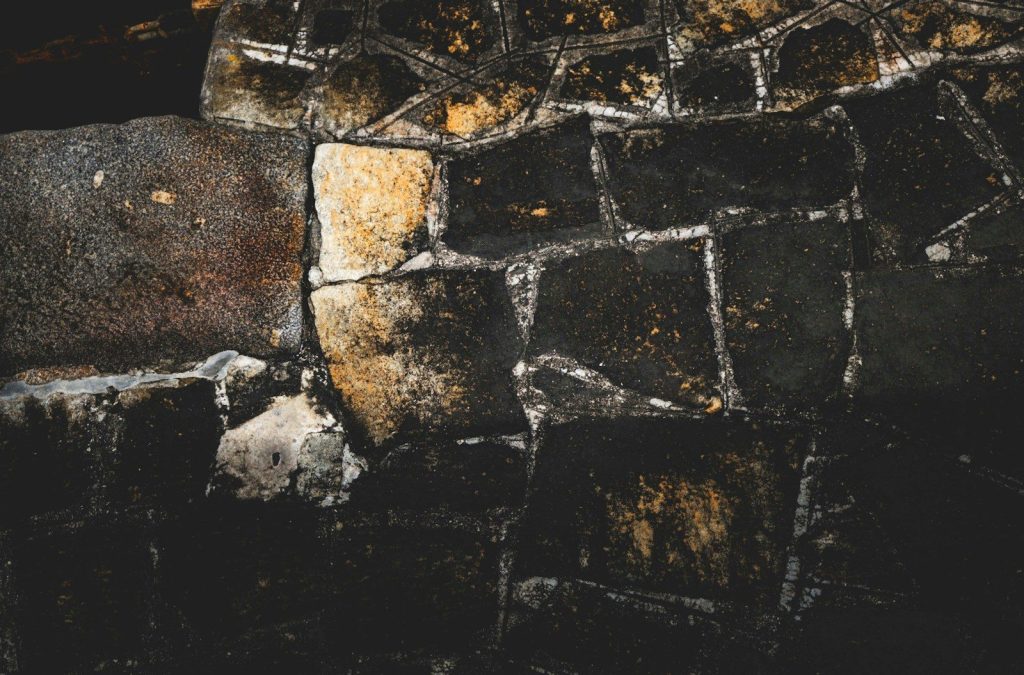
    A close-up shows a weathered stone wall.
    Photo by Francesco Ungaro on Unsplash

    The top layers of the stone wall are covered in thick black soot and burn marks. This physical evidence suggests a violent military siege destroyed the fortress. It was brutal. According to historical records, an invading army swept through the region during this exact period. But this tragic destruction actually preserved a secret that would rewrite modern history.

    Rewriting The Timeline

    A dimly lit study filled with books and candles
    Photo by Jametlene Reskp on Unsplash

    This discovery provides the first physical evidence of a powerful kingdom in the region. Many modern historians had previously doubted the existence of King Solomon. The proof is clear. According to archaeological analysts, this find is forcing scholars to reconsider the historical accuracy of ancient texts. But the full excavation is still far from finished.

    These Ancient Ruins

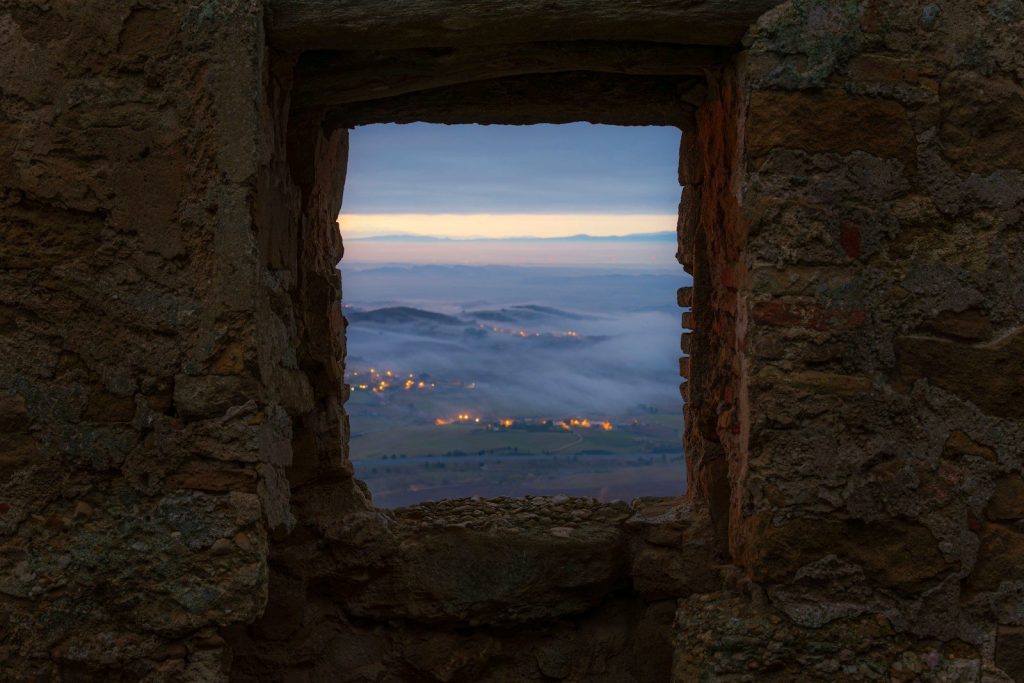
    View of a misty valley with distant lights at dawn.
    Photo by miguel garcia jimenez on Unsplash

    The ancient ruins of this fortress prove that legends are often built on real history. Every stone tells a story of human ambition and struggle. According to classical historians, these discoveries bring the ancient world back to life for modern researchers. This article is for informational purposes only.

    Featured Image: Photo by Behnam Mohsenzadeh on Unsplash

  • The Terrifying Monsters That Ruled Earth Before Dinosaurs

    The Terrifying Monsters That Ruled Earth Before Dinosaurs

    We think of the prehistoric world as a place ruled solely by giant reptiles. Most people assume dinosaurs were the first true monsters of Earth.

    But millions of years before the first dinosaur evolved, bizarre predators dominated the planet. These massive creatures were unlike anything alive today.

    The Gorgon Face

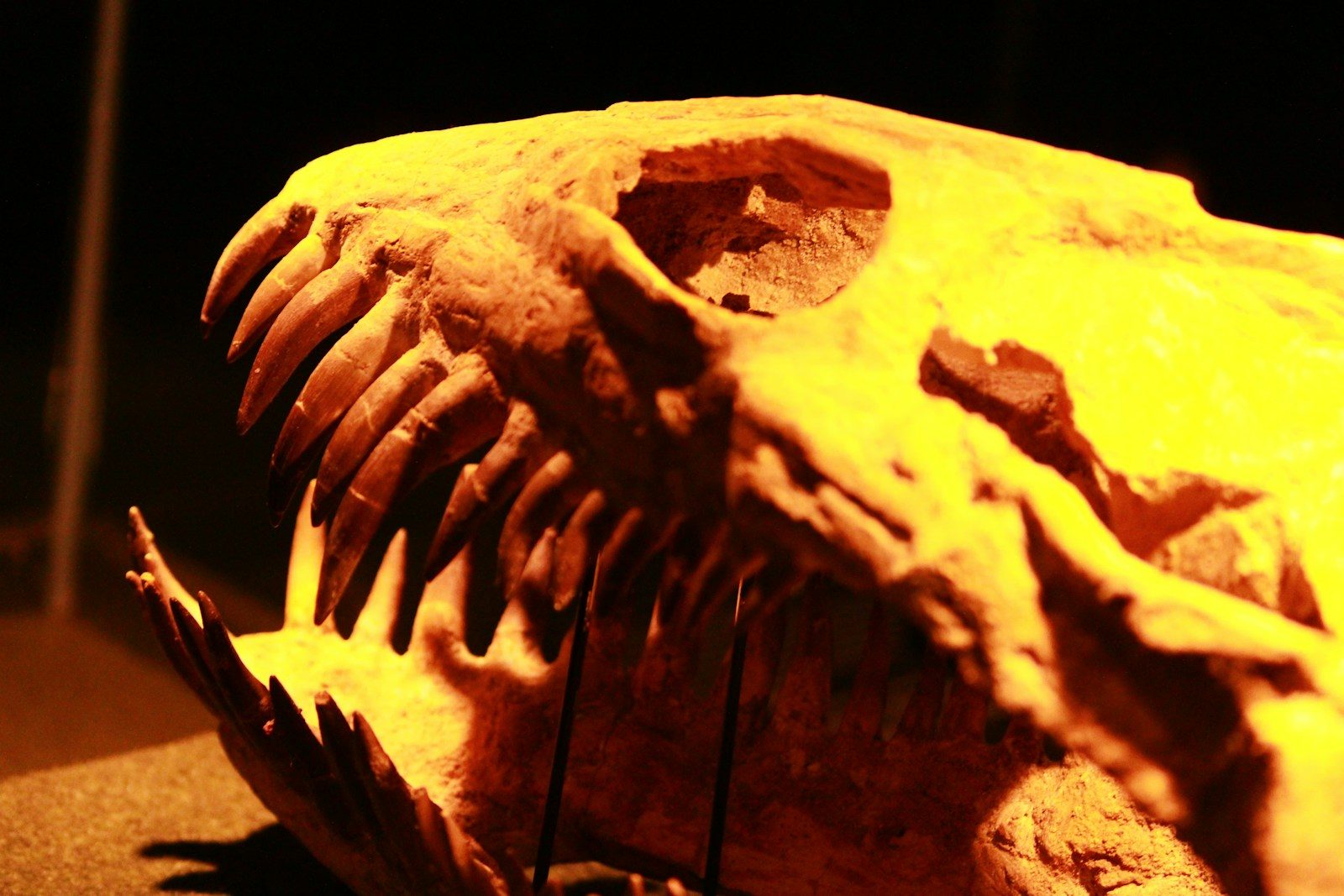
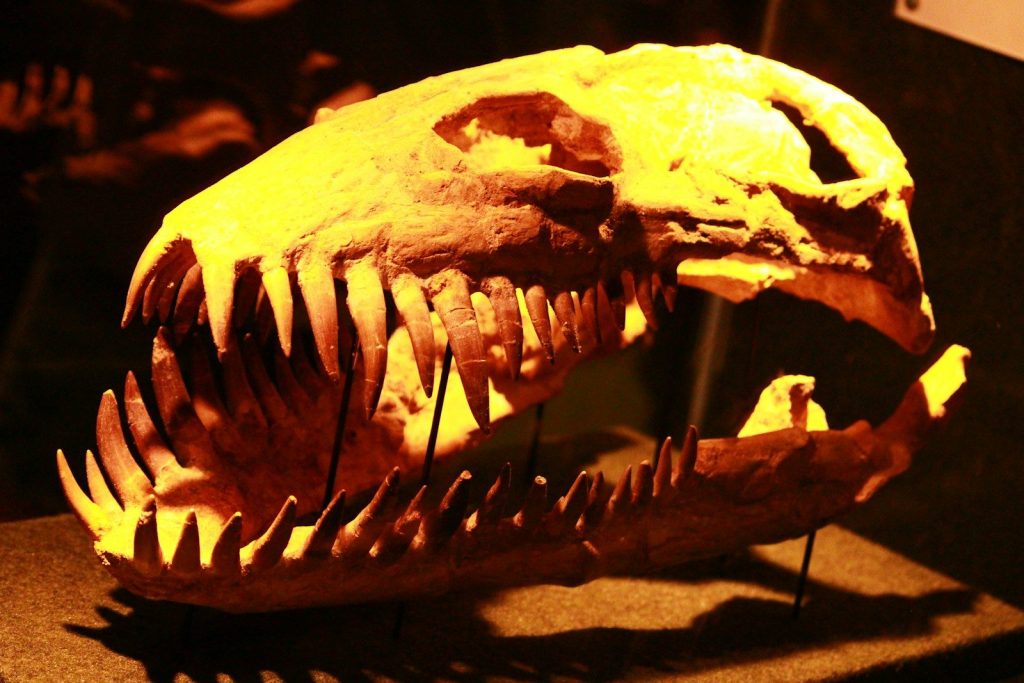
    A close up of a dinosaur skull on a table
    Photo by Blond Fox on Unsplash

    Long before the Tyrannosaurus Rex, a terrifying beast named Gorgonopsid ruled the land. This massive predator had giant saber teeth and a mammalian brain. It was fast. According to paleontologists at the Smithsonian, this creature combined the speed of a wolf with the raw power of a bear. But this land hunter had a terrifying aquatic rival.

    Giant Armored Fish

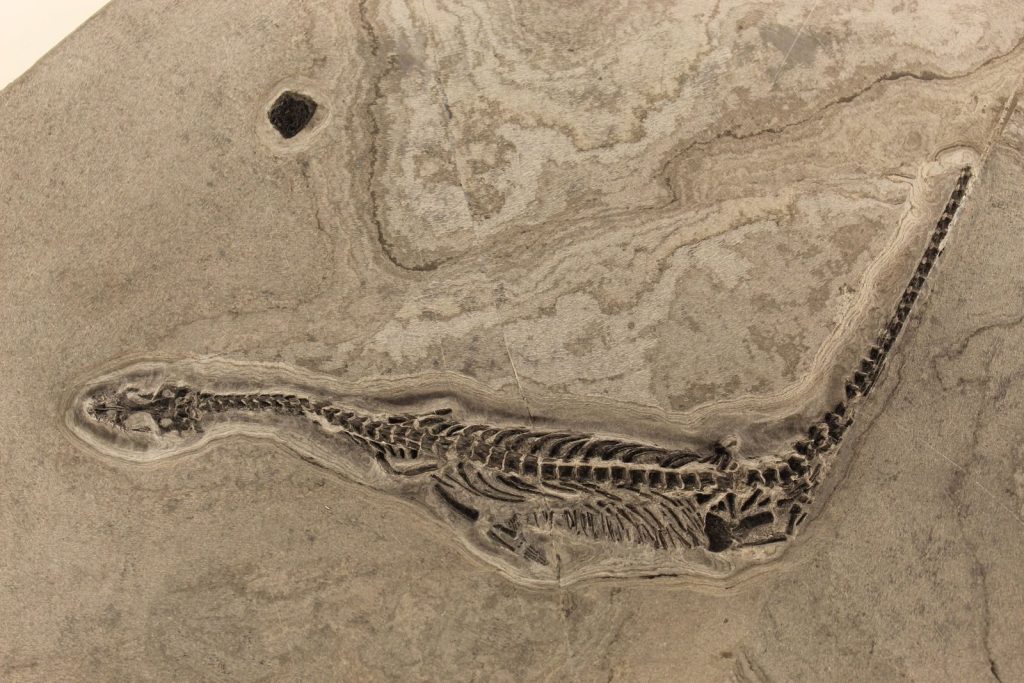
    Close-up of a fossilized dinosaur skeleton preserved in rock, showcasing the ancient creature.
    Photo by Akshit Jhanwar on Pexels

    Prehistoric oceans were dominated by a monster fish called Dunkleosteus. Instead of teeth, this creature used sharp bony plates to crush its prey. It was massive. According to fossil studies from the Field Museum, its bite force was stronger than any modern shark. But the land was also home to a completely different type of horror.

    Giant Land Scorpions

    Close-up view of a brown bark scorpion (Centruroides gracilis) resting on a leaf.
    Photo by Steven Paton on Pexels

    In the dense forests, massive bugs crawled through the damp trees. A creature known as Pulmonoscorpius grew to the size of a modern dog. It was lethal. According to research from the University of Bristol, the high oxygen levels of the era allowed these insects to reach massive proportions. But an even larger insect ruled the skies above.

    Eagle-Sized Dragonflies

    From above of prehistoric extinct animal fossil enclosed on rough cracked surface in archaeological area
    Photo by Marcus Lange on Pexels

    Giant dragonflies with wingspans over two feet wide hunted smaller animals in the sky. These airborne predators were highly agile and possessed massive eyes. They were silent. According to entomological studies, these insects used extreme speed to snatch prey mid-flight. But this massive bug empire was about to face a sudden planetary disaster.

    The Great Dying

    brown and black mountain under white clouds
    Photo by Tetiana GRY on Unsplash

    A massive extinction event wiped out nearly ninety-five percent of all life on Earth. This planetary disaster was triggered by massive volcanic eruptions in Siberia. The air burned. According to geological reports, the sudden climate shift made the planet completely uninhabitable for these ancient monsters. But a few specialized survivors managed to cling to life.

    The Survivors Evolution

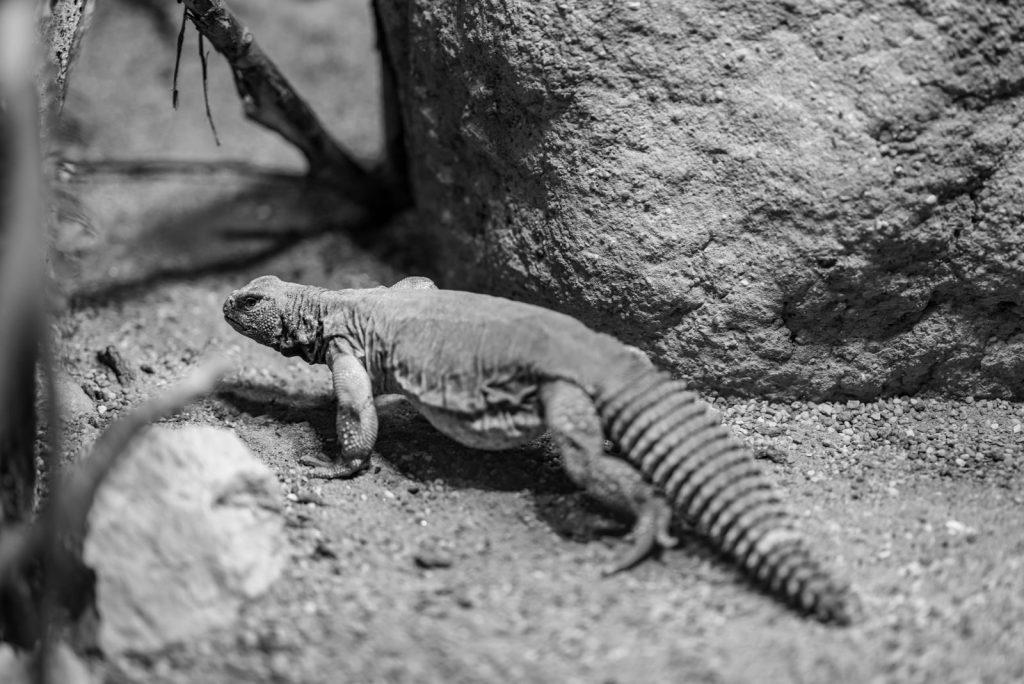
    A monochrome image featuring a desert lizard against rocks in a natural habitat.
    Photo by Vladimir Srajber on Pexels

    The few creatures that survived the great extinction slowly adapted to the new, harsh world. These small animals eventually evolved into the very first dinosaurs. They were tiny. According to evolutionary biologists, this massive shift changed the course of life on Earth forever. But this ancient transition left behind an unsolved biological mystery inside our own bodies.

    Traces In Our DNA

    shape
    Photo by Shubham Dhage on Unsplash

    Some of these pre-dinosaur beasts actually share a direct genetic link with modern mammals. Their strange evolutionary journey led to the development of warm blood. We are connected. According to genetics research from Harvard University, our own biological traits began in the bodies of these forgotten predators. But this ancient heritage points to a larger rule of planetary survival.

    This Ancient Transition

    yellow and black caterpillar on brown rocky ground
    Photo by Timon Studler on Unsplash

    The era before the dinosaurs proves that life always finds a way to recover from disaster. Earth has been rewritten many times over millions of years. According to Earth scientists, studying these forgotten monsters helps us understand how our world adapts to extreme changes. This article is for informational purposes only.

    Featured Image: Photo by Blond Fox on Unsplash

  • Rare Historical Photos That Rewrite American History

    Rare Historical Photos That Rewrite American History

    We often view the late nineteenth century as a simple and slow era. Most people believe they have a clear picture of early American life.

    But a collection of newly recovered photographs reveals a surprisingly modern world. These stunning images show a reality that history textbooks completely ignored.

    The Forgotten Cities

    grayscale photo of people walking on street in between buildings
    Photo by Mick Haupt on Unsplash

    Most people picture the Old West as a dusty landscape of wooden shacks. However, newly restored glass plate negatives show a very different story. They were massive. According to the Library of Congress, major urban hubs possessed highly dense and bustling brick streets as early as 1870. But the technology on display is what truly shocks modern viewers.

    Early Electric Power

    Tall tower structure illuminated by warm light at dusk
    Photo by Alan Jiang on Unsplash

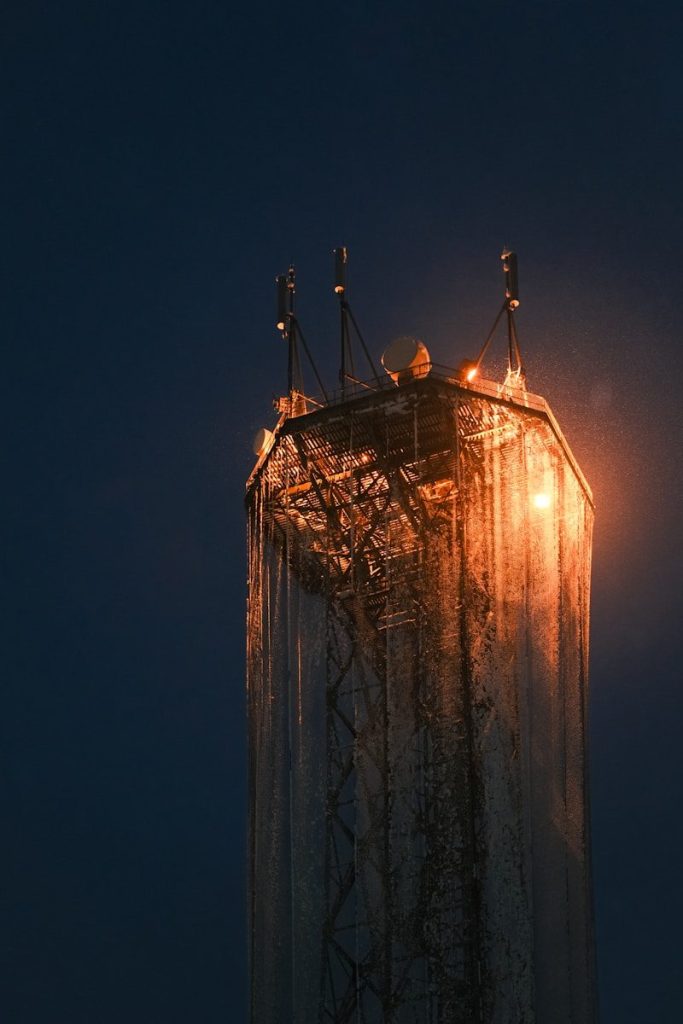
    Long before power lines became common, several American cities experimented with advanced wireless street lighting. These giant towers illuminated entire towns with blinding electric arcs. They were towering. According to records from the Smithsonian Institution, these early grids predated our modern systems by decades. But keeping these systems running required massive human sacrifice.

    The Hard Labor

    grayscale photography of four men holding mallet on train railway
    Photo by The New York Public Library on Unsplash

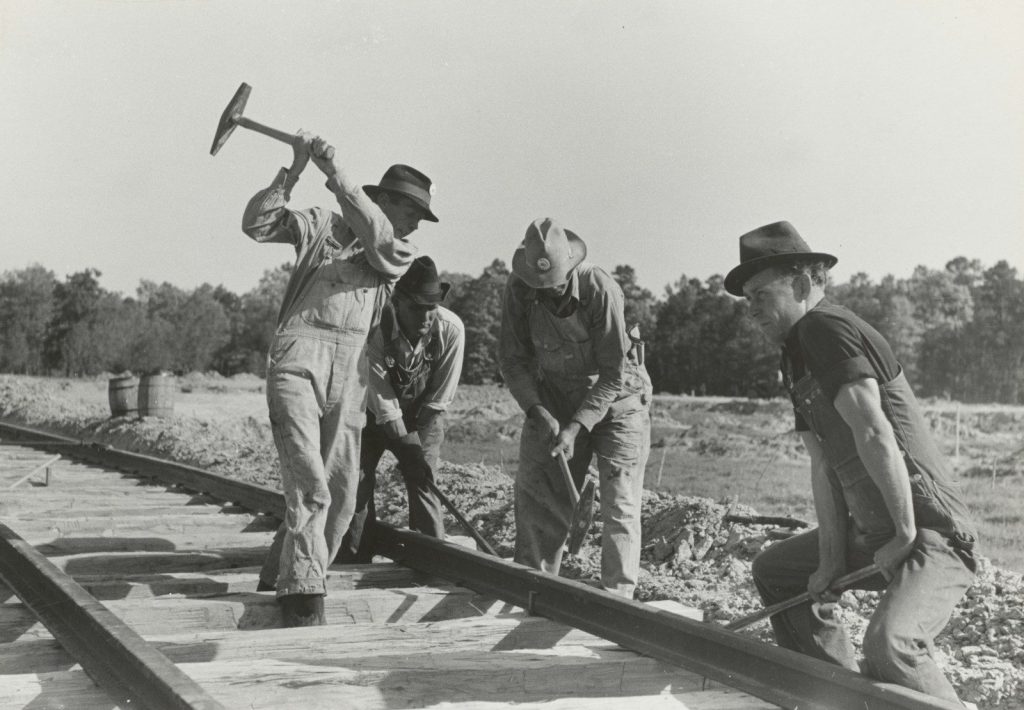
    The photo collection documents the brutal reality of the workers who built the great railroads. Young children and immigrants worked extreme hours in hazardous conditions. It was terrifying. According to National Archives reports, safety standards were virtually non-existent during this rapid industrial boom. But these harsh factories were also home to a surprisingly diverse workforce.

    Thriving Multicultural Neighborhoods

    group of people standing near wall
    Photo by Emanuel Haas on Unsplash

    The old photographs capture thriving multicultural neighborhoods that were later erased by urban developers. Diverse groups lived and worked side by side in perfect harmony. They were vibrant. According to historical census data, these integrated communities existed long before the modern civil rights era. Yet, some inventors in these towns were focused on highly bizarre ideas.

    Strange High Tech Experiments

    grayscale photo of motorcycle in a dark room
    Photo by Arturo Mendez on Unsplash

    One particularly bizarre image shows inventors testing an early version of a mechanical exoskeleton. This steam-powered suit was designed to help workers lift heavy steel girders. It looked alien. According to patent records from the period, these primitive machines were surprisingly functional. But the inventors faced a sudden and complete financial disaster.

    Lost In Time

    a room with a brick wall and wooden beams
    Photo by s j on Unsplash

    The economic crash of 1893 forced many of these advanced projects to be abandoned forever. The physical evidence of this early innovation was buried in dusty archives. It was tragic. According to historical researchers, thousands of rare inventions were simply lost to the passage of time. But these recovered files are finally showing us the true scale of early American genius.

    Finding Our True Roots

    person holding magnifying glass with black frame
    Photo by Teslariu Mihai on Unsplash

    These old photographs show that early America was a place of extreme genius and immense struggle. Our ancestors lived in a world far more complex than we realize. According to archival historians, looking at these raw images helps us understand the true foundations of our modern society. This article is for informational purposes only.

    Featured Image: Photo by Jonathan Cosens Photography on Unsplash

  • The Strange Underground Mystery Of Malta’s Long Lost Skeletons

    The Strange Underground Mystery Of Malta’s Long Lost Skeletons

    We assume that the small island of Malta has been fully mapped and understood. Historians believe that every major archaeological secret has already been dug up.

    But construction crews working deep beneath the historic streets uncovered something that defied explanation. They stumbled upon bizarre remains that were deliberately hidden from the public eye.

    Discovering The Hidden Cave

    Two miners with helmets working in a dramatic Indonesian cave setting.
    Photo by Alia Rahma on Pexels

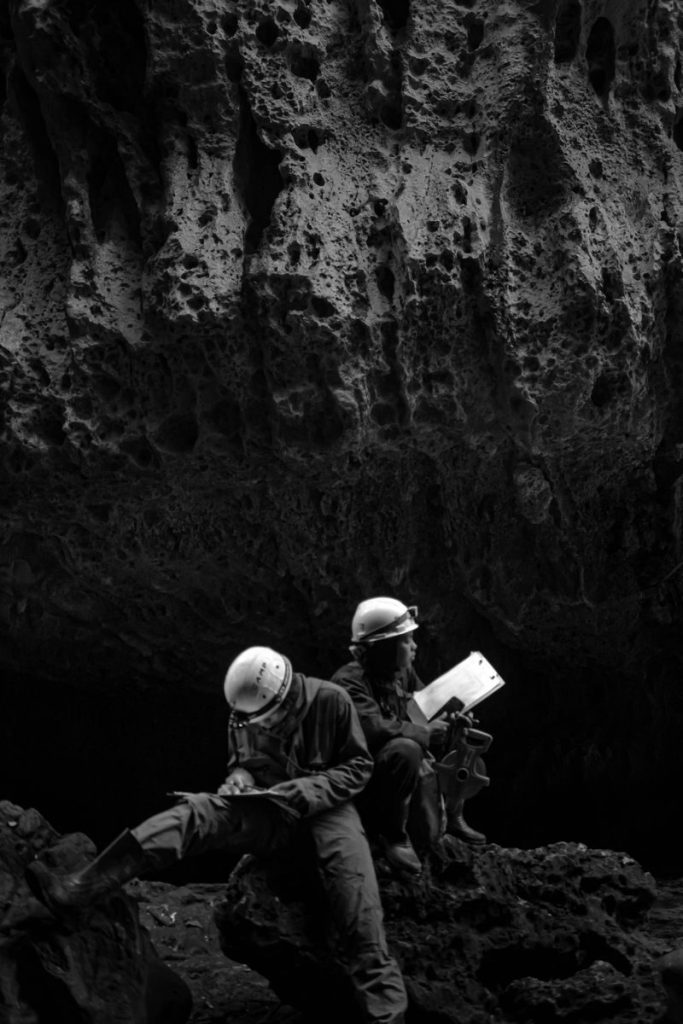
    Workers in Valletta were excavating deep underground to install modern infrastructure. They were shocked to find a sealed cavern hidden behind thick limestone walls. The air was heavy. According to Malta Today, this dark subterranean chamber had not been touched for thousands of years. But the team had no idea what was waiting inside the shadows.

    The Giant Skulls

    A dinosaur skeleton on display in a museum.
    Photo by Smithsonian on Unsplash

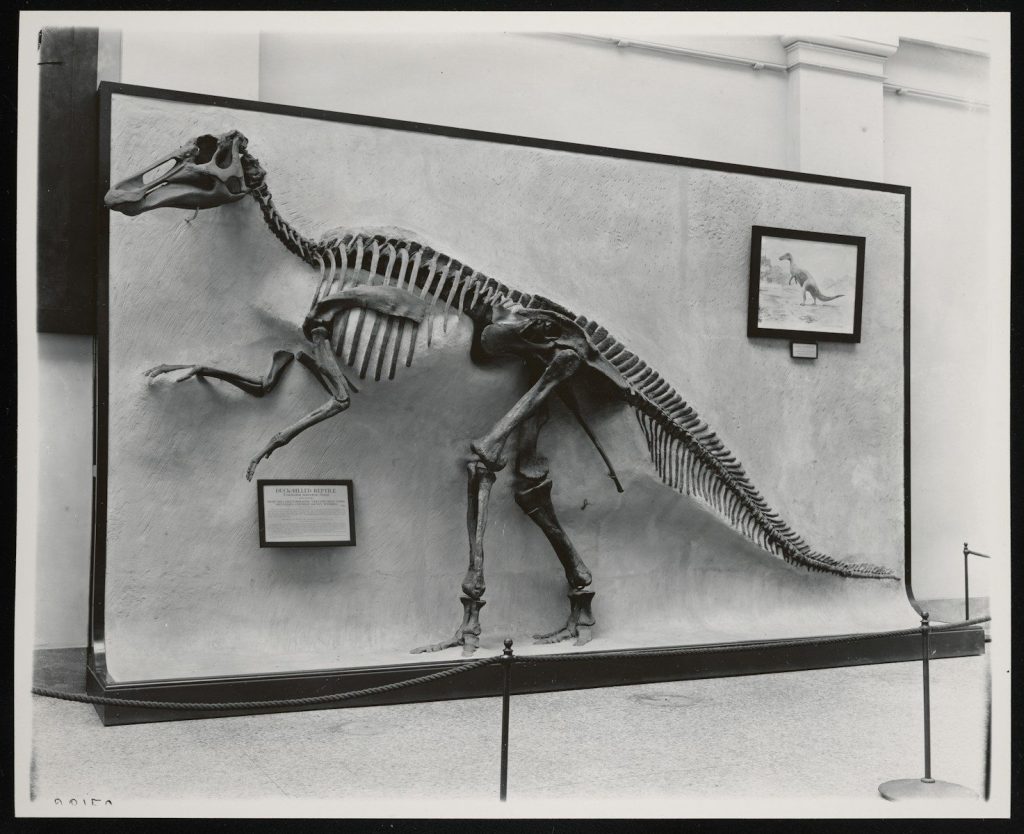
    Inside the quiet dust lay several skeletal remains with incredibly elongated heads. These skulls were twice the size of a modern human head. They were huge. According to the Malta Archaeological Society, the strange bone structures showed no signs of artificial cranial binding. But these bizarre shapes were actually hiding an even more shocking physical anomaly.

    Unnatural Bone Structures

    Abstract texture or surface details appear in the image.
    Photo by Matthew Stephenson on Unsplash

    The strange skulls lacked the standard cranial knitting lines found in normal human anatomy. This bizarre physical trait suggested a completely separate lineage of hominids. The mystery grew. According to researchers at the University of Malta, these unique skeletal features baffled local physical anthropologists. But then the authorities took a sudden step.

    The Immediate Lockdown

    Icicles hang from a rock tunnel entrance with orange light.
    Photo by Diwei Zhu on Unsplash

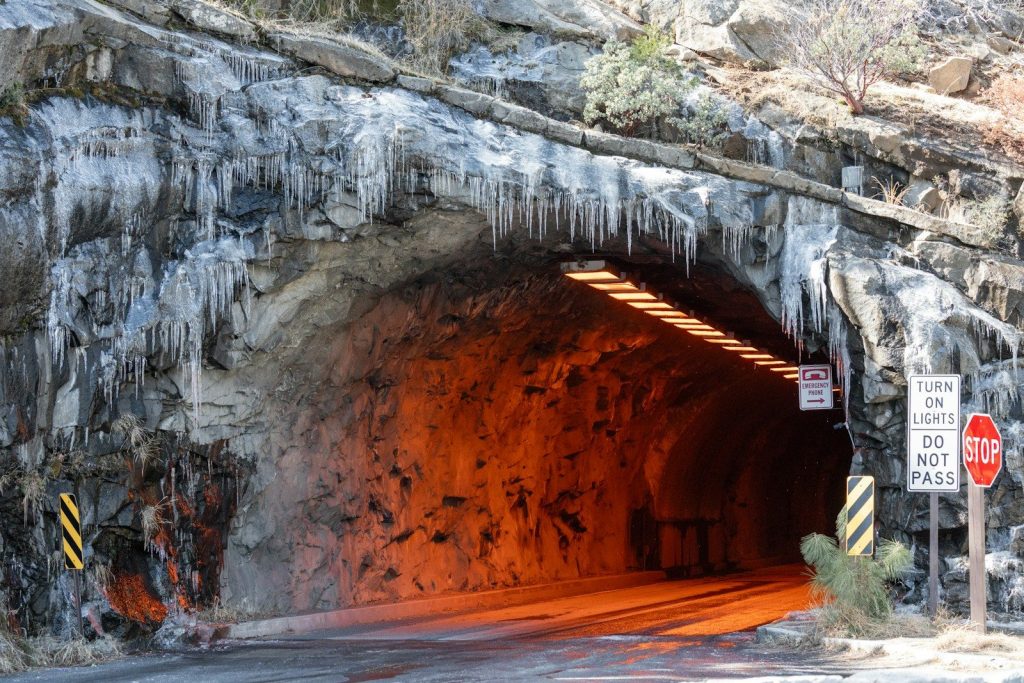
    Government officials immediately cordoned off the entire underground site. They kept the public and the media far away from the discovery. It was completely silent. According to local historical preservation reports, the artifacts were quickly moved to an undisclosed laboratory. Yet, some experts managed to document the site before the cover-up.

    Whispers Of Giants

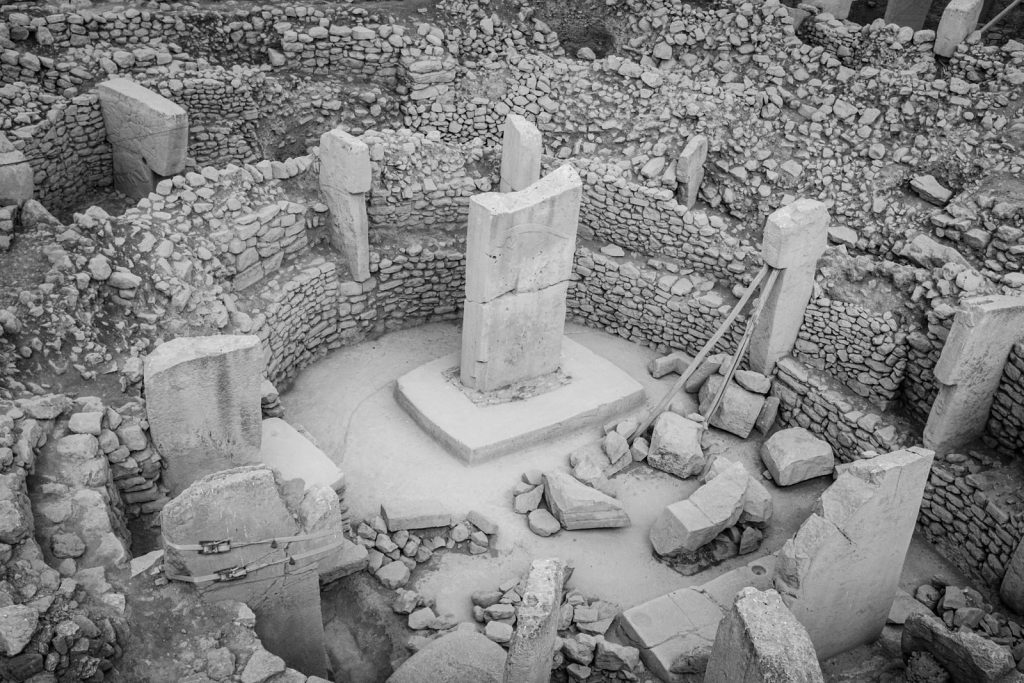
    Aerial view of Göbekli Tepe ancient ruins showcasing stone pillars and circular structures.
    Photo by Ayşegül Aytören on Pexels

    Local myths have always spoken of massive beings who built the island’s ancient megaliths. These giant stone temples are actually older than the Egyptian pyramids. They are majestic. According to ancient Maltese folklore, a legendary race of giants inhabited the cliffs long before humans arrived. But the bones were linked to a far more terrifying ancient power.

    A Strange Temple Connection

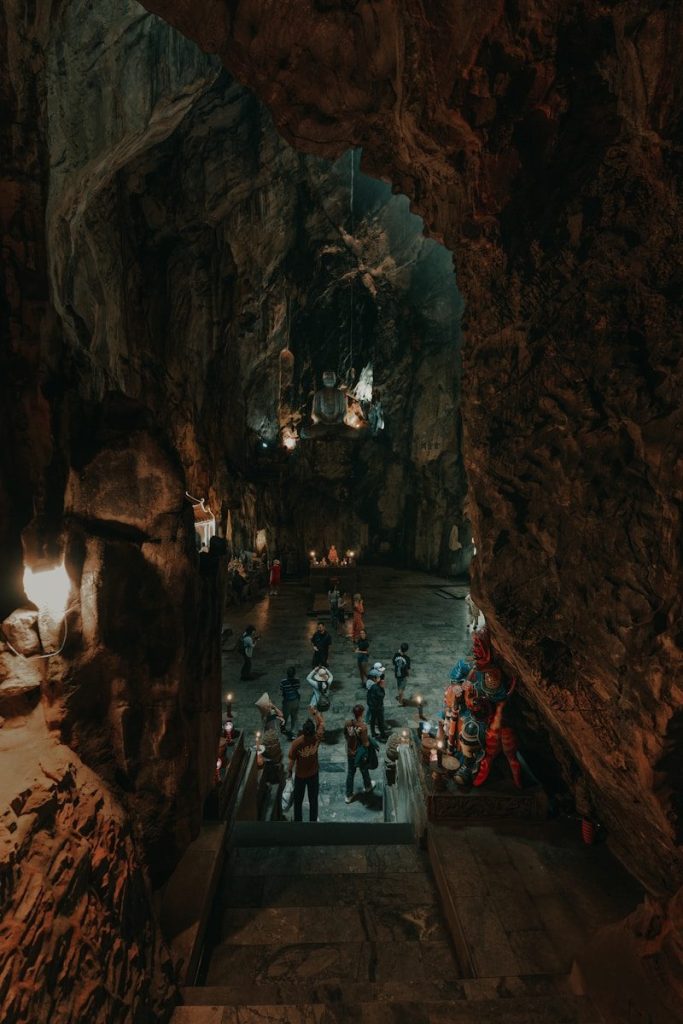
    a group of people standing inside of a cave
    Photo by Andrey Stakhovskiy on Unsplash

    The underground cave was located directly beneath the ancient Hal Saflieni Hypogeum temple. This massive underground sanctuary has unique acoustic properties that mimic human chanting. The walls hummed. According to studies by the acoustics research group, the structures were designed to alter human brain frequencies. But this groundbreaking proof was about to vanish completely.

    These Bizarre Bones

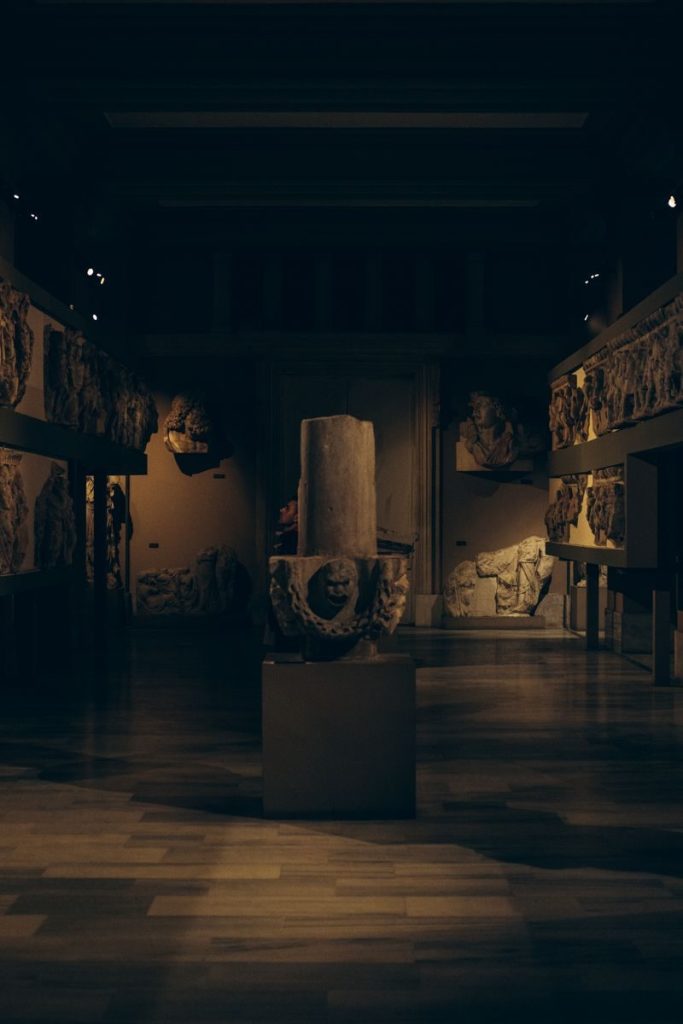
    Discover ancient artifacts in a dimly lit Turkish museum interior, showcasing history and archaeology.
    Photo by Lokman Sevim on Pexels

    The bizarre bones suddenly vanished from public museums in the mid-twentieth century. No official explanation was ever given for their disappearance. It was highly suspicious. According to heritage researchers, the artifacts were likely locked away to protect the current historical timeline. But the secrets of these underground ruins still cannot be fully hidden.

    Malta’s Lost Skeletons

    Stunning landscape of Es Vedrà island off Ibiza's coast during sunset, capturing vibrant blues and rocky cliffs.
    Photo by Ben B. on Pexels

    The lost skeletons of Malta remind us that our past is full of deep gaps. Some discoveries are simply too controversial for the history books. According to independent historians, these hidden ruins prove that ancient humans were not alone. This article is for informational purposes only.

    Featured Image: Photo by Александра Аношко on Pexels

  • The Strange History Behind Pictures That Defied Time

    The Strange History Behind Pictures That Defied Time

    Most people assume that history is frozen in old black-and-white photographs. We believe these ancient images only capture the technology of their era.

    But several famous pictures seem to show objects from the far future. These bizarre historical anomalies continue to puzzle researchers and spark intense debates.

    The Time Traveling Hipster

    A vintage-style portrait of a man in a fedora and bow tie, smoking indoors with dramatic lighting.
    Photo by Andres Idda Bianchi on Pexels

    A famous photograph from a museum opening in 1941 shows a highly unusual man. He wears modern sunglasses, a logo T-shirt, and holds a small portable camera. According to historical researchers, his entire outfit actually existed during that era. It was just rare. But this simple explanation did not stop the internet from speculating.

    The Cellphone In 1928

    an old man sitting at a table with a trumpet in his mouth
    Photo by Igor Savelev on Unsplash

    Footage from a Charlie Chaplin film premiere shows a woman walking while holding a device to her ear. She appears to be talking into a modern mobile phone. According to film historians, she was likely holding an early carbon-membrane hearing aid. They were boxy. Yet, the way she holds the device looks incredibly familiar to modern viewers.

    The Modern Astronaut Carving

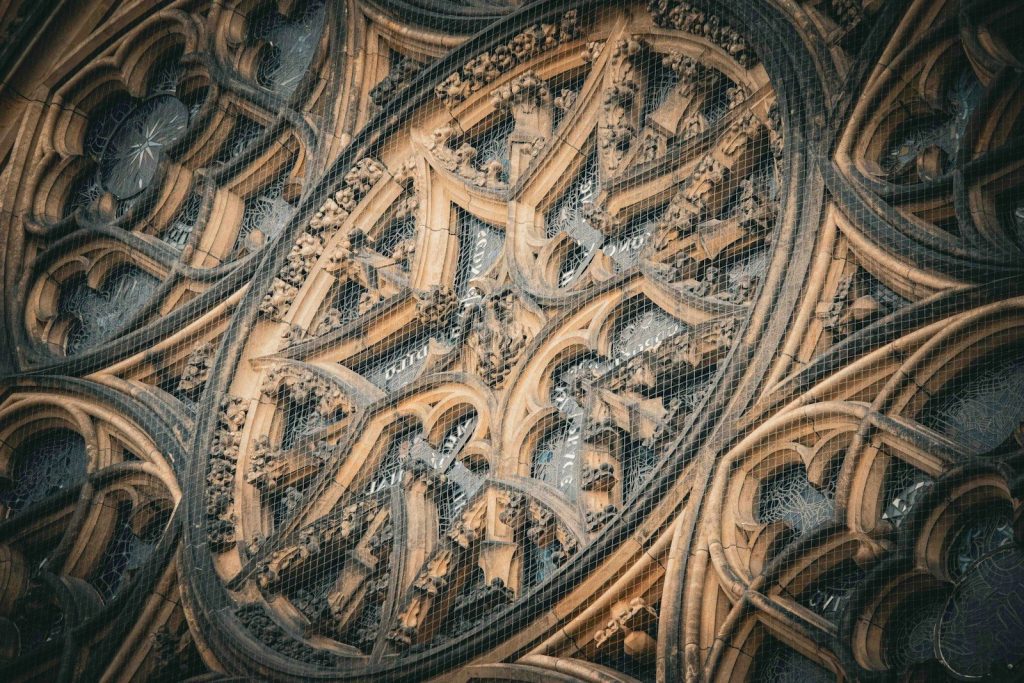
    Intricate gothic stone carving on a building
    Photo by Taras Terletskyy on Unsplash

    Visitors to an ancient Spanish cathedral built in the sixteenth century spotted a shocking detail. Carved into the stone entrance is a clear image of a modern astronaut. According to cathedral archives, the astronaut was actually added during a routine restoration project in 1992. The mystery was solved. But other historical carvings are much harder to explain.

    The Greek Laptop

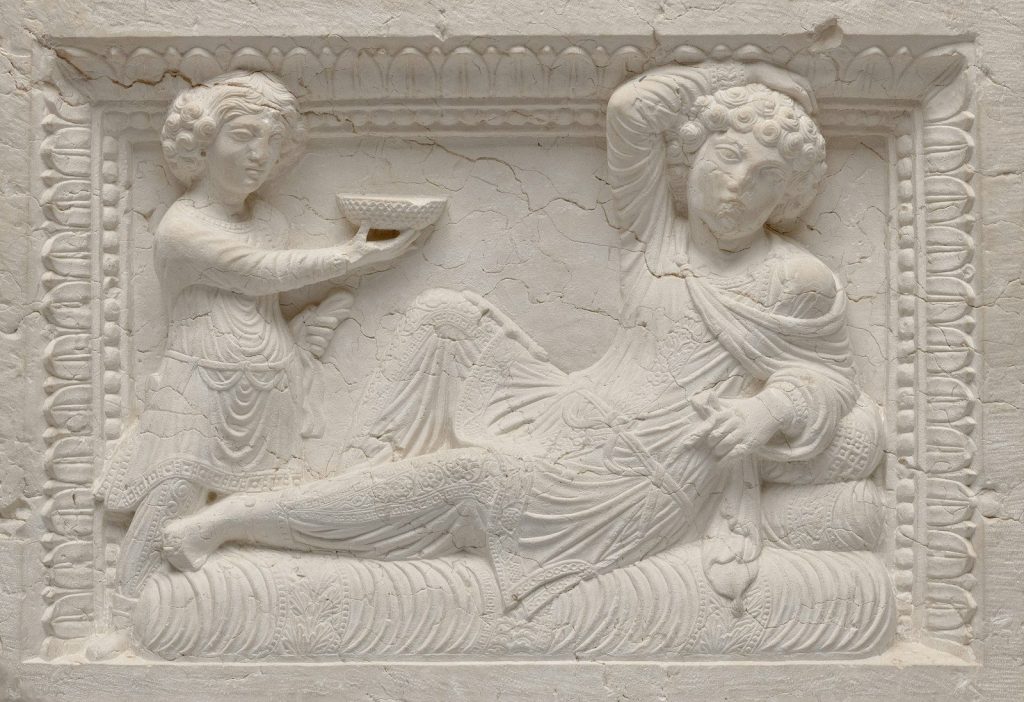
    Ancient relief carving of reclining figure and attendant
    Photo by The Cleveland Museum of Art on Unsplash

    An ancient Greek gravestone relief from over two thousand years ago shows a woman looking at a box. The object resembles a modern laptop with USB ports on the side. According to classical archaeologists, the stone carving actually depicts a shallow wax writing tablet. It was highly prized. Still, the visual resemblance to modern technology is jaw-dropping.

    The Swiss Ring Watch

    black and white round decor
    Photo by Ananya Sarkar on Unsplash

    Archaeologists excavating a sealed tomb from the Ming Dynasty made a startling find in the dirt. They uncovered a tiny metal ring shaped exactly like a modern Swiss watch. According to reports from the local museum, the tomb was believed to be undisturbed for four hundred years. The artifact was tiny. This strange discovery led to a massive investigation of the site.

    The Secret Contamination

    A basket full of dirt sitting in the grass
    Photo by Tatiana Mokhova on Unsplash

    The tiny watch ring turned out to be a modern artifact that slipped into the tomb during a modern survey. Soil shifts and heavy rains often push small surface items deep into ancient ruins. According to archaeological geologists, this contamination happens far more often than people realize. It was a mistake. However, this explanation does not satisfy every curious mind.

    Psychological Time Warps

    a close up of a person's face and neck
    Photo by Nick Andréka on Unsplash

    Our brains are naturally wired to find familiar modern patterns in old historical images. This psychological phenomenon makes us project our current world onto the ancient past. According to cognitive scientists, we naturally seek out mysteries where none actually exist. The mind is complex. This mechanism keeps these viral legends alive for generations.

    The Lure Of Time

    A gold pocket watch hanging from a chain
    Photo by Gustavo Alejandro Espinosa Reyes on Unsplash

    While these anomalies have logical explanations, the idea of time travel remains deeply fascinating. These stories allow us to imagine a bridge between our world and the distant past. We want to believe. According to cultural historians, our obsession with these images reveals a deep human desire to conquer time itself. This article is for informational purposes only.

    Featured Image: Photo by Wolfgang Vrede on Unsplash

  • The Invisible Undersea Net Tracking Deep Sea Submarines

    The Invisible Undersea Net Tracking Deep Sea Submarines

    We imagine the deep ocean as a silent and completely private sanctuary. We assume submarines can easily glide through the dark waters without being seen.

    But an advanced network of deep-sea sensors is changing naval warfare forever. This invisible acoustic web makes hiding in the dark virtually impossible.

    The Great Wall Undersea

    a dark room filled with red and blue lights
    Photo by BoliviaInteligente on Unsplash

    A massive project is quietly deploying thousands of high-tech sensors across the seabed. This electronic network is designed to monitor submarine activity in real time. According to marine defense analysts, the system acts like a giant security camera under the waves. It is highly advanced. But the technology behind these ears is the real marvel.

    Listening To The Abyss

    yellow and black kayak on sea under white clouds during daytime
    Photo by Yassine Khalfalli on Unsplash

    The network relies on highly sensitive underwater microphones called hydrophones. These devices detect the tiny vibrations and humming noises made by passing vessels. According to technical reports, the sensors can identify a submarine type by its unique acoustic signature. The precision is terrifying. But sending this data back to the surface was a major challenge.

    Fiber Optic Nervous System

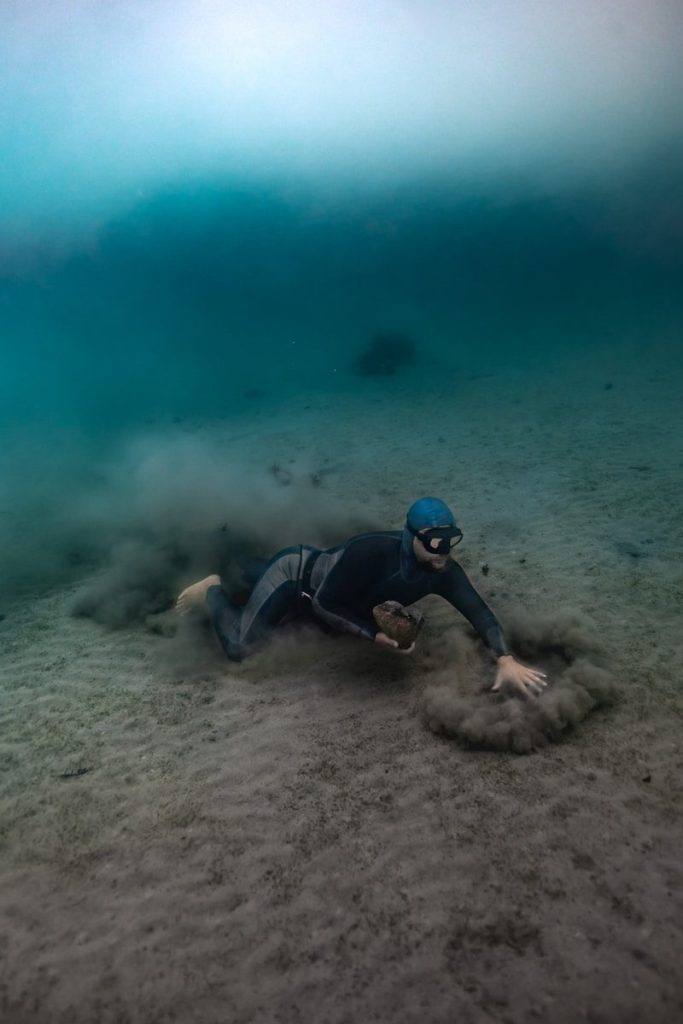
    Man free-diving on sandy ocean floor stirring up sediment.
    Photo by Stanislav Stelmakhovich on Unsplash

    Deep-sea cables carry these acoustic signals instantly back to massive land-based processing centers. These cables must withstand extreme pressure and freezing temperatures at the bottom of the ocean. According to oceanographers, the network forms a digital nervous system stretching across thousands of miles. The scale is immense. This data is then fed into a highly complex brain.

    Powered By Intelligence

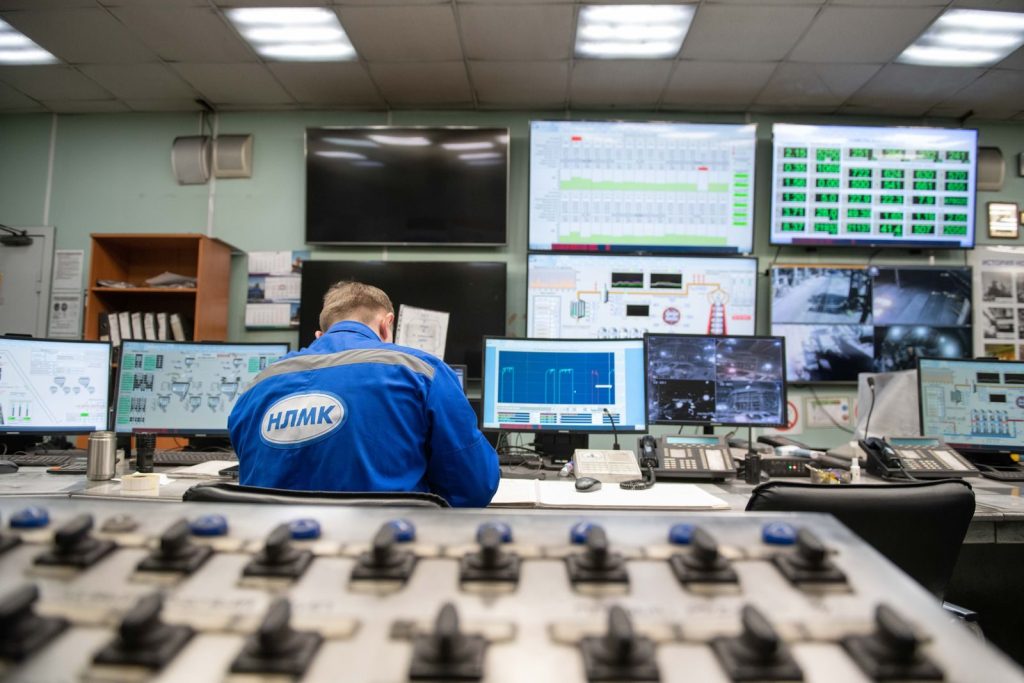
    An engineer monitors multiple screens in an industrial control room, ensuring smooth operations.
    Photo by Sergey Sergeev on Pexels

    Processing thousands of hours of ocean noise requires advanced artificial intelligence algorithms. The software must filter out the sounds of whales, earthquakes, and ship engines. According to military technology experts, the AI can pinpoint a target within a few yards. It works flawlessly. However, this silent net is causing unexpected ecological issues.

    Deafening The Deep

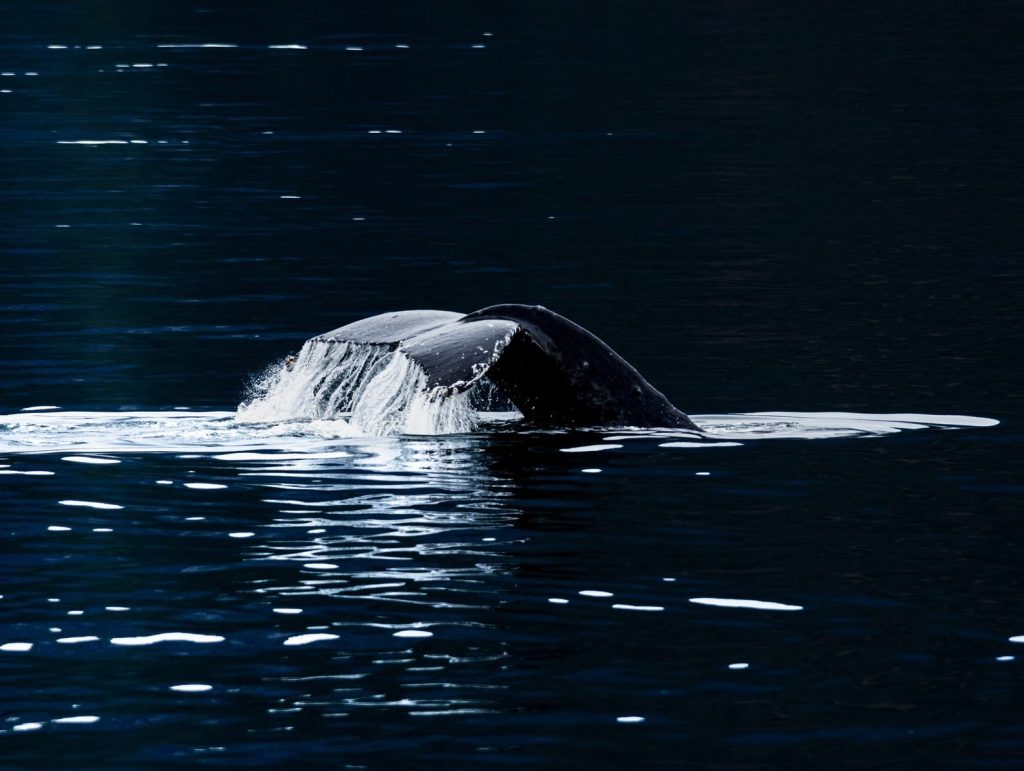
    Close-up of a whale's tail emerging from the water, creating a splash in the ocean.
    Photo by José Santana Murias on Pexels

    The active sonar pulses emitted by these systems can be highly destructive to marine life. The loud sound waves disrupt the navigation and communication systems of whales and dolphins. According to marine biologists, these high-energy waves can cause physical injury to deep-sea creatures. They are suffering. This has sparked a quiet battle between environmentalists and engineers.

    The Next Frontier

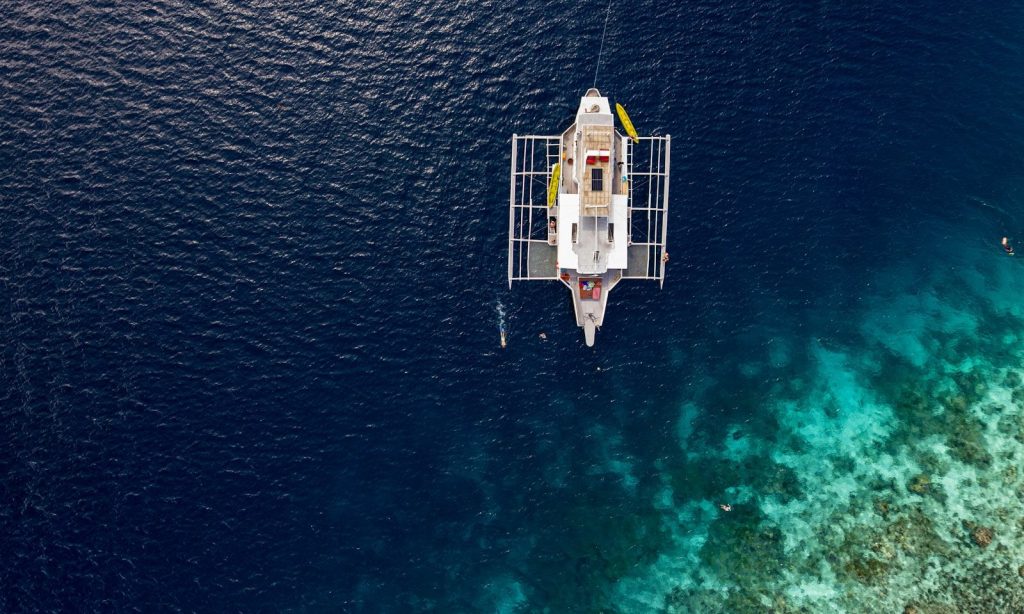
    Catamaran boat sailing over clear blue ocean water
    Photo by Bernd 📷 Dittrich on Unsplash

    As technology advances, these undersea nets are becoming entirely autonomous. Small robotic drones are now being deployed to patrol the gaps between fixed sensors. According to research from the International Institute for Strategic Studies, the era of manned submarine stealth is rapidly ending. The sea is crowded. This leaves naval commanders with a difficult tactical puzzle.

    A Glass Ocean

    A glass object with a blue background
    Photo by Rostislav Uzunov on Unsplash

    The deep ocean is no longer a safe hiding place for military vessels. Cutting-edge sensor technology has turned the dark abyss into a transparent environment. The world is changing. According to military historians, this surveillance shift will fundamentally rewrite the rules of global sea power. This article is for informational purposes only.

    Featured Image: Photo by Erik Mclean on Pexels

  • The Sinking Metropolises Running Out Of Time

    The Sinking Metropolises Running Out Of Time

    We assume our major coastal cities are built on solid ground. We believe these concrete jungles will stand strong for centuries to come.

    But several of the largest cities on Earth are actively sinking into the earth. Accelerated natural forces are dragging these urban giants underwater.

    The Great Sinking

    brown tree trunk in tilt shift lens
    Photo by Stephan HK on Unsplash

    Many giant coastal cities are not just facing rising seas. They are actually sinking because of a process called land subsidence. According to geological reports, heavy concrete buildings and groundwater pumping compress the soil below. The ground is collapsing. This silent threat is far more urgent than most people realize.

    The Italian Struggle

    Intricate historic buildings beside a Venetian canal, showcasing classic architecture amidst flowing water.
    Photo by Valentin Ivantsov on Pexels

    Venice has been battling rising water levels for hundreds of years. The city is built on a soft mud lagoon that naturally compacts over time. According to studies by the University of Padua, the historic streets could be permanently flooded very soon. It is a tragedy. This has forced engineers to build a massive mechanical shield.

    Rising Tide Gates

    brown wooden dock on blue sea under blue sky during daytime
    Photo by Luke Moss on Unsplash

    Engineers constructed a series of massive mobile barriers to block high tides from entering the lagoon. While these gates offer temporary protection, they cannot stop the land itself from settling further. According to engineering reports, the barriers will eventually need to remain closed permanently. The gates are heavy. But keeping them closed creates a secondary ecological disaster.

    The Asian Crisis

    Flooding engulfs homes and a person stands in the water.
    Photo by Iqro Rinaldi on Unsplash

    Jakarta is currently the fastest sinking megacity on the entire planet. Decades of unregulated water pumping have drained the deep aquifers beneath the concrete streets. According to researchers at the Bandung Institute of Technology, some areas sink up to ten inches every year. The situation is dire. This extreme collapse is forcing a historic political move.

    Abandoning The Capital

    aerial view of forest
    Photo by gustavo quinalha on Unsplash

    The government has officially decided to move the entire capital city to a different island. This radical plan will cost tens of billions of dollars and take years to complete. According to official reports, the current capital will be mostly underwater within a few decades. The move is historic. Yet, other Western cities are facing the exact same fate.

    America’s Sinking Jewel

    a view of a body of water with a bridge in the background
    Photo by Pavel Neznanov on Unsplash

    New Orleans is built on soft river silt that is naturally compacting and settling. The city is already mostly below sea level and relies on artificial levees to survive. According to reports from the US Geological Survey, the land continues to sink at an alarming rate. It is highly vulnerable. This makes the next major storm incredibly dangerous.

    The European Threat

    Thatched roof house by a canal with reflection
    Photo by mana5280 on Unsplash

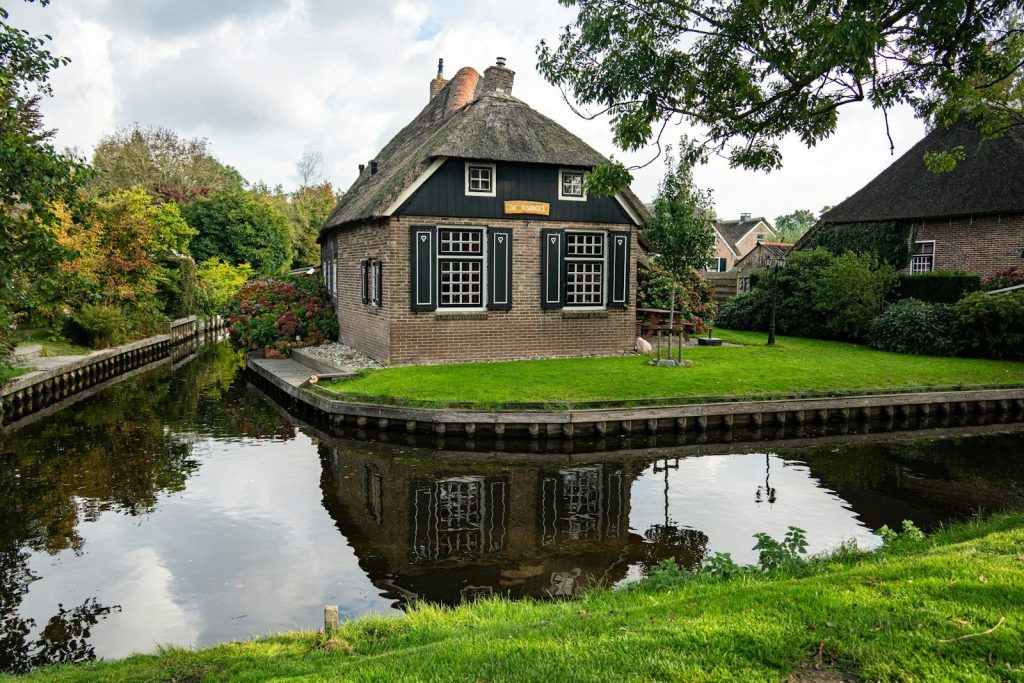
    Rotterdam has spent centuries engineering a complex system of dikes and pumps to keep the sea out. Over ninety percent of the city sits well below the rising ocean levels. According to Dutch water management experts, maintaining this artificial balance is becoming increasingly difficult as storms grow stronger. The pressure is mounting. This raises a critical question about our urban future.

    Engineering Our Survival

    Top view of an architect working on a design project with precision tools.
    Photo by Ron Lach on Pexels

    The battle to save our coastal cities will require the most advanced technology in human history. We must adapt our infrastructure or prepare to abandon these historic places. We must act now. According to urban planners, the coming decade will decide which cities survive and which are lost to the sea. This article is for informational purposes only.

    Featured Image: Photo by Sua Truong on Unsplash

  • How The Ocean Is Quietly Reclaiming A Built Paradise

    How The Ocean Is Quietly Reclaiming A Built Paradise

    Humanity has always believed that we can conquer the natural world. We assume our greatest engineering feats can withstand the test of time.

    But a massive network of artificial islands is slowly proving us wrong. The ocean is quietly taking back what engineers tried to steal.

    The Dream Of Sand

    A blue dredger ship in the ocean carrying out dredging operations, visible with a dynamic sand spray.
    Photo by Adriaan Westra on Pexels

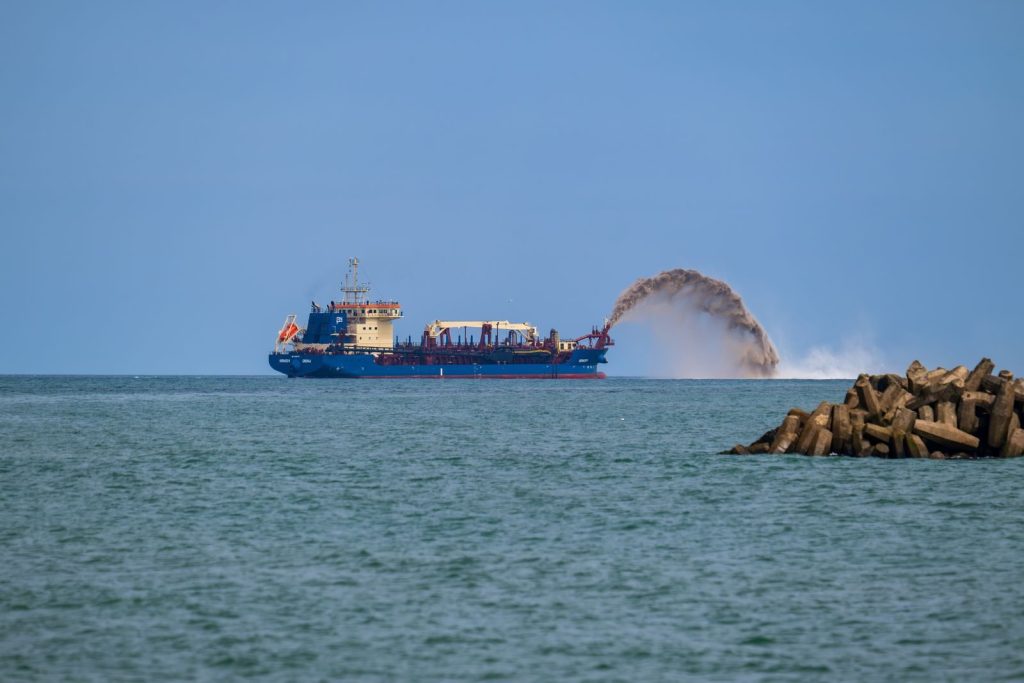
    Engineers used massive ships to spray millions of tons of sand onto the Persian Gulf. They wanted to build a luxury archipelago shaped like the entire globe. According to reports from NASA, these artificial structures were visible from space. It was truly massive. But the ocean had its own plans for the newly constructed land.

    The Constant Erosion

    brown sand near body of water during daytime
    Photo by Rūta Celma on Unsplash

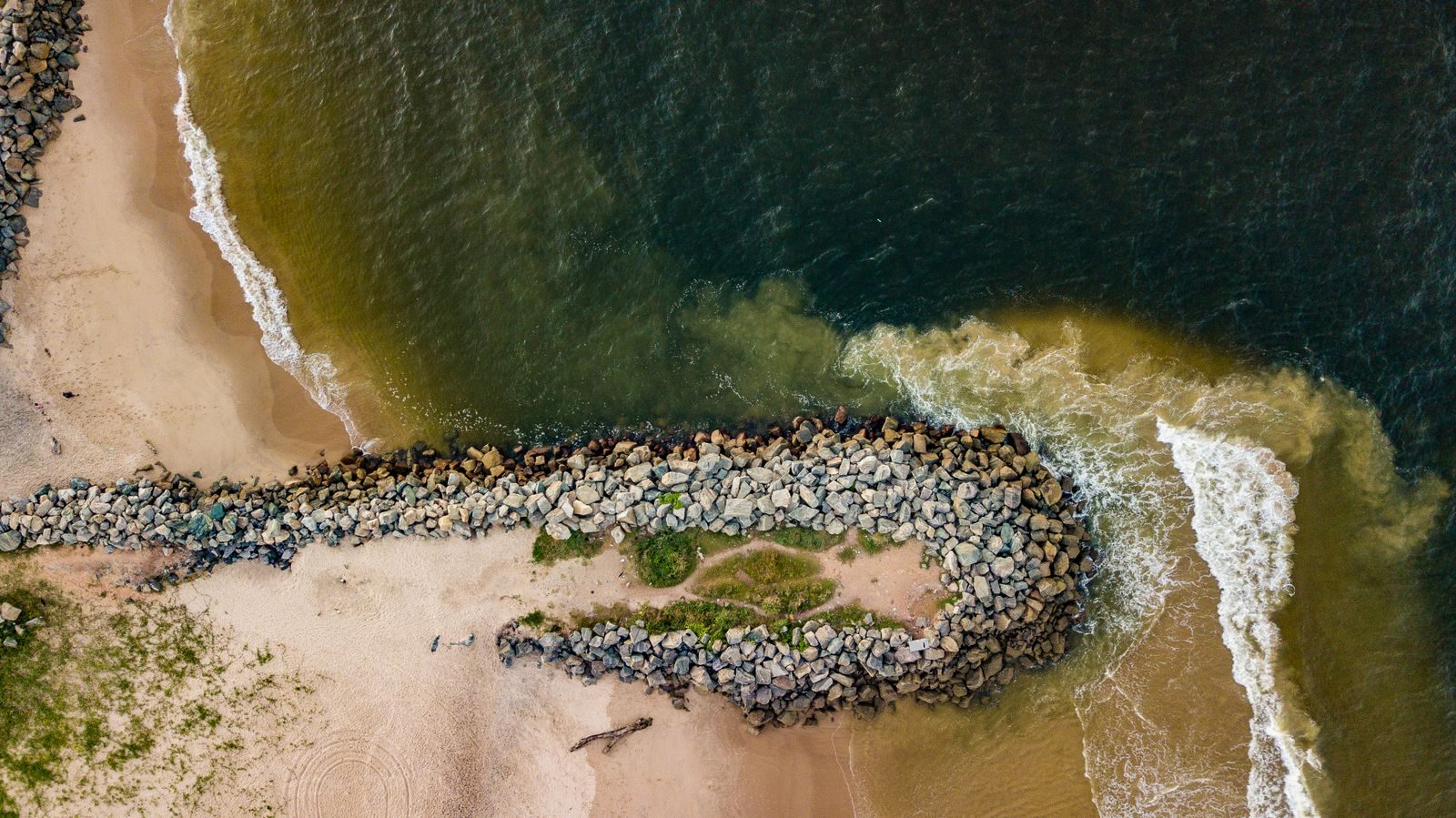
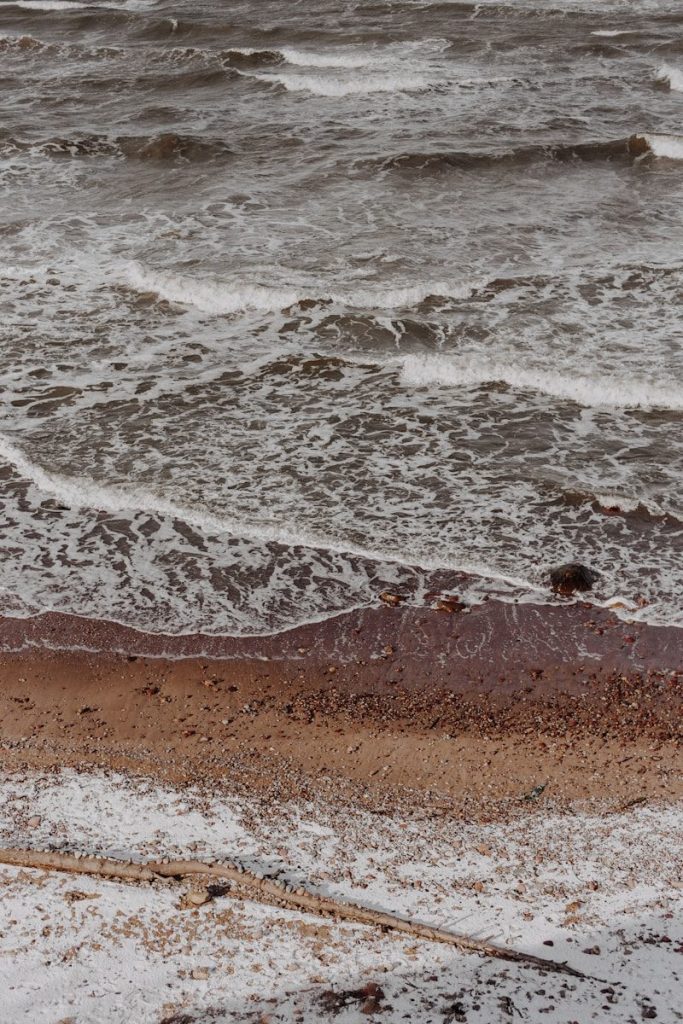
    The Persian Gulf has incredibly powerful waves and changing currents. These natural movements slowly wash away the loose sand back into the deep water. According to geological studies, the islands require constant dredging to stay above the surface. Nature never stops. This endless maintenance became a financial nightmare for the developers.

    Sinking Under Weight

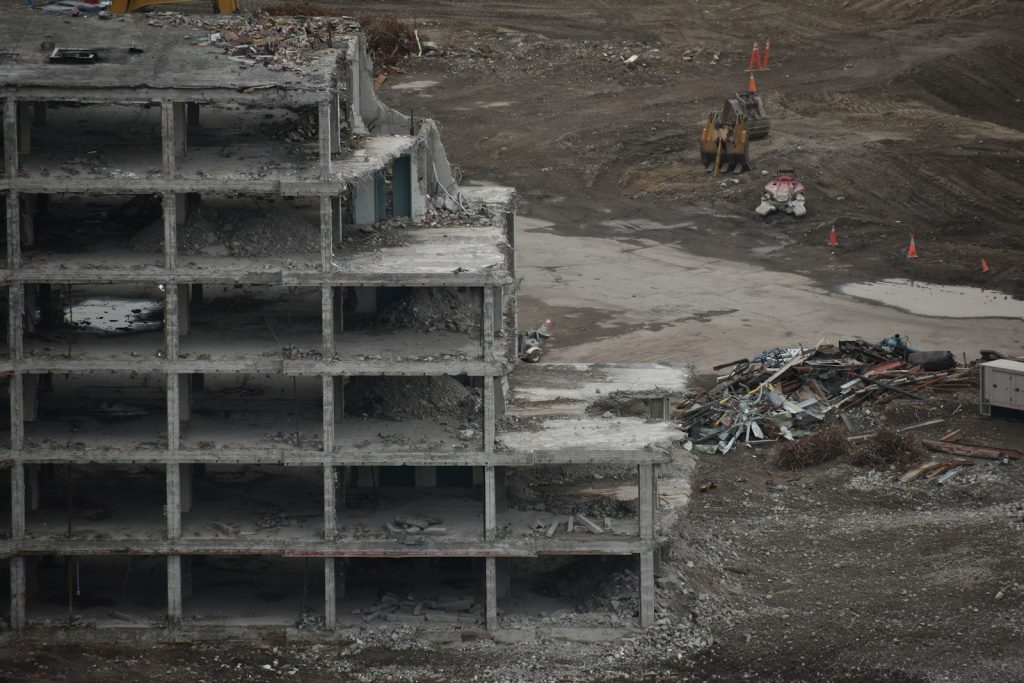
    Building demolition reveals skeletal structure and debris.
    Photo by Farid Zandi on Unsplash

    Building massive luxury hotels on loose sand presents a terrifying structural hazard. The heavy foundations cause the sand beneath to slowly pack together and settle. According to research by the European Geosciences Union, parts of the archipelago are sinking into the sea. The ground is unstable. This shifting soil is creating a massive crisis for builders.

    Stagnant Water Trap

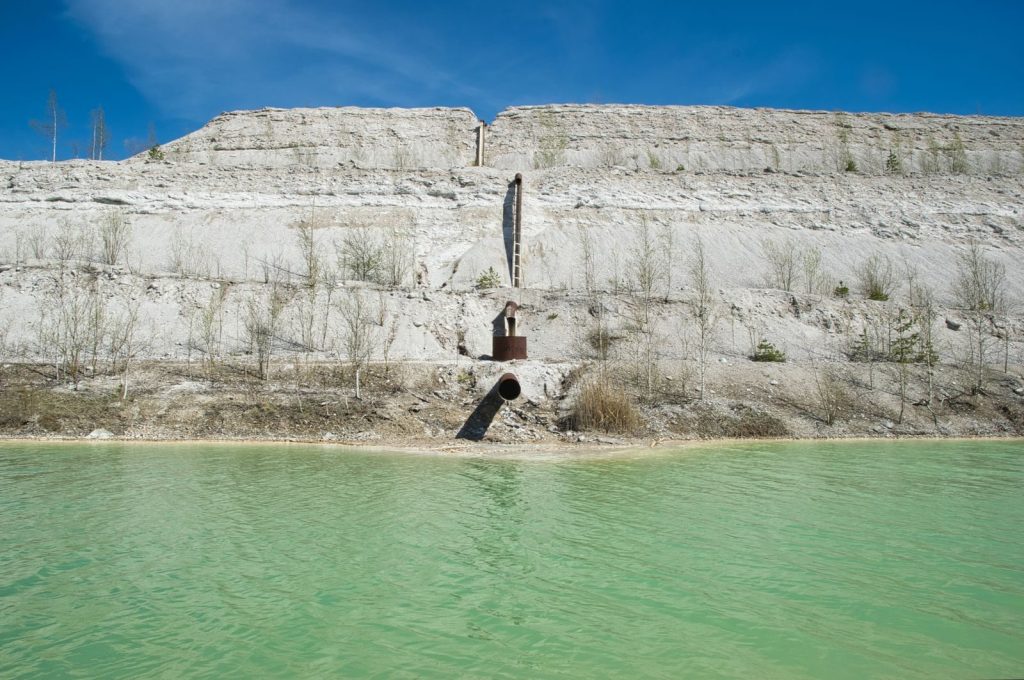
    A serene view of a limestone quarry with clear turquoise water and a dramatic cliff face.
    Photo by Estonian Stalker on Pexels

    The unique circular breakwaters designed to protect the islands blocked natural ocean currents. This design choice stopped fresh water from circulating through the internal channels. According to marine biologists, the stagnant water quickly turned into a toxic mud trap. It was a disaster. This biological decay began to threaten the local sea life.

    The Coral Crisis

    gray and black coral reef under water
    Photo by Max Kukurudziak on Unsplash

    The massive dredging operations kicked up millions of tons of fine silt. This floating dust settled over the seafloor and suffocated the local reefs. According to reports from the World Wildlife Fund, the construction destroyed vast areas of ancient marine habitats. Life was wiped out. Yet, the developers still had to face another silent enemy.

    Rising Ocean Levels

    a man riding a surfboard on top of a wave in the ocean
    Photo by Sung Hun Go on Unsplash

    Global warming is causing sea levels to rise much faster than builders predicted. This trend is threatening to submerge the low-lying sand structures entirely within decades. According to climate scientists at the United Nations, even small rises will cause massive flooding on artificial coastlines. Time is running out. This leaves the entire multi-billion dollar project in jeopardy.

    Nature Wins Again

    a large body of water with a sky background
    Photo by Kyser Sosi on Unsplash

    The struggle to maintain these artificial islands proves that nature cannot be easily bought. Mega-projects must work with natural forces rather than trying to overpower them. We are learning slowly. According to environmental experts, the sea will always find a way to reclaim its territory. This article is for informational purposes only.

    Featured Image: Photo by Jr Tavares on Pexels