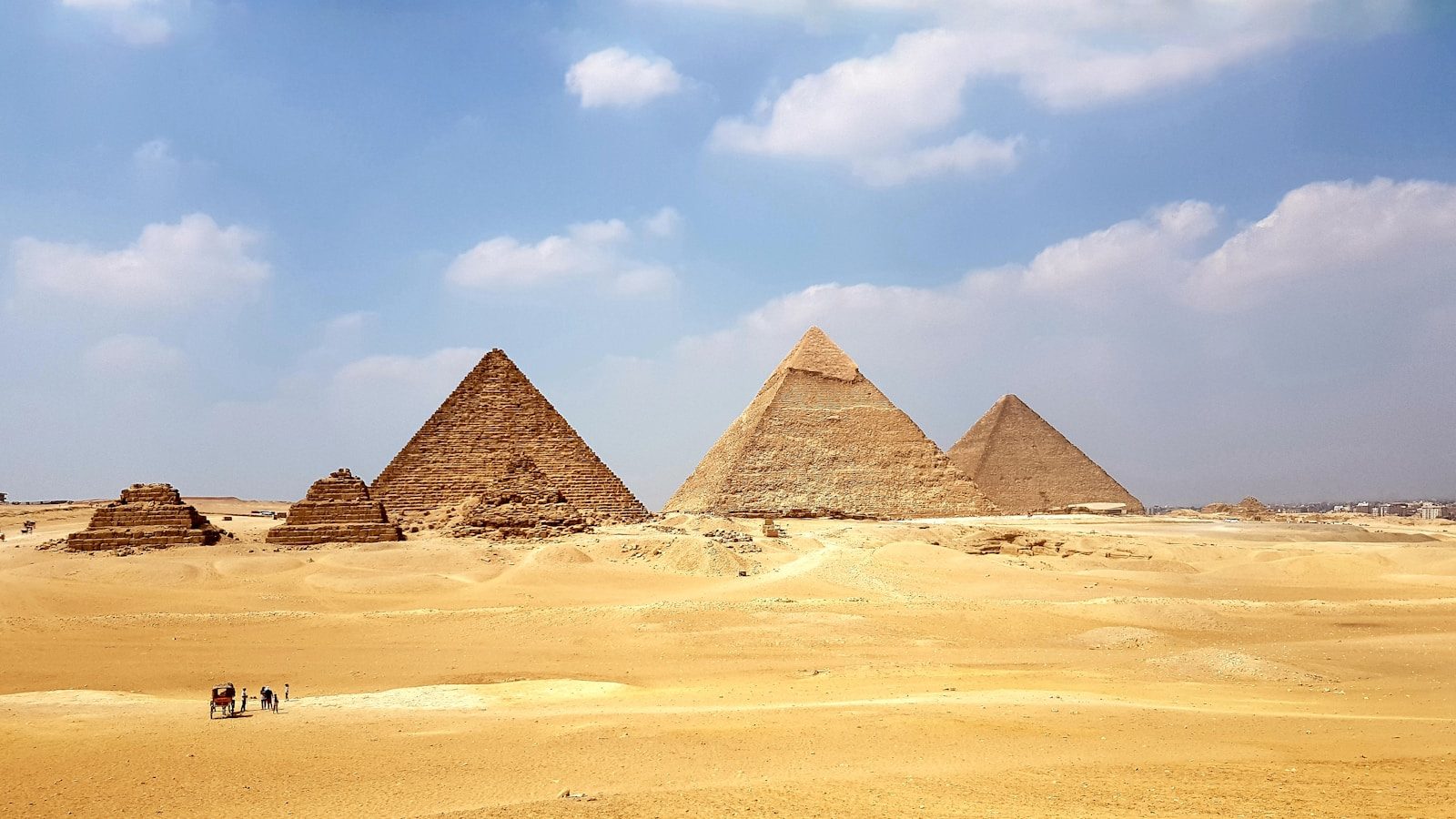
For centuries, we assumed ancient builders used giant ramps to move heavy stones. This classic image of laborers dragging blocks has defined Egyptian history.
But a radical new study suggests a completely different method was used. Ancient engineers might have harnessed the power of water to float stones upward.
Revolutionary New Liquid Theory
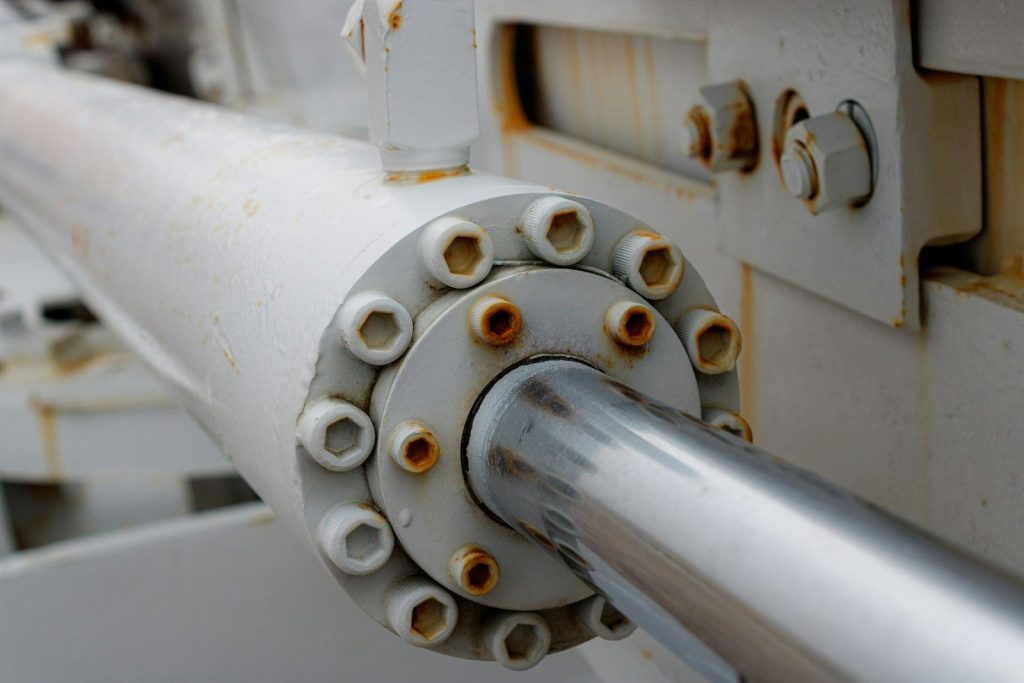
For years, researchers wondered how the earliest pyramids were built with basic tools. According to a study published in PLOS One, water pressure might have been the key. Engineers could have built a massive hydraulic system to float heavy blocks. The mechanics are highly complex. This system utilized ancient water pressure to lift rocks through the center of the structure. But the source of this water remained a mystery.
Finding The Hidden Ancient Trench
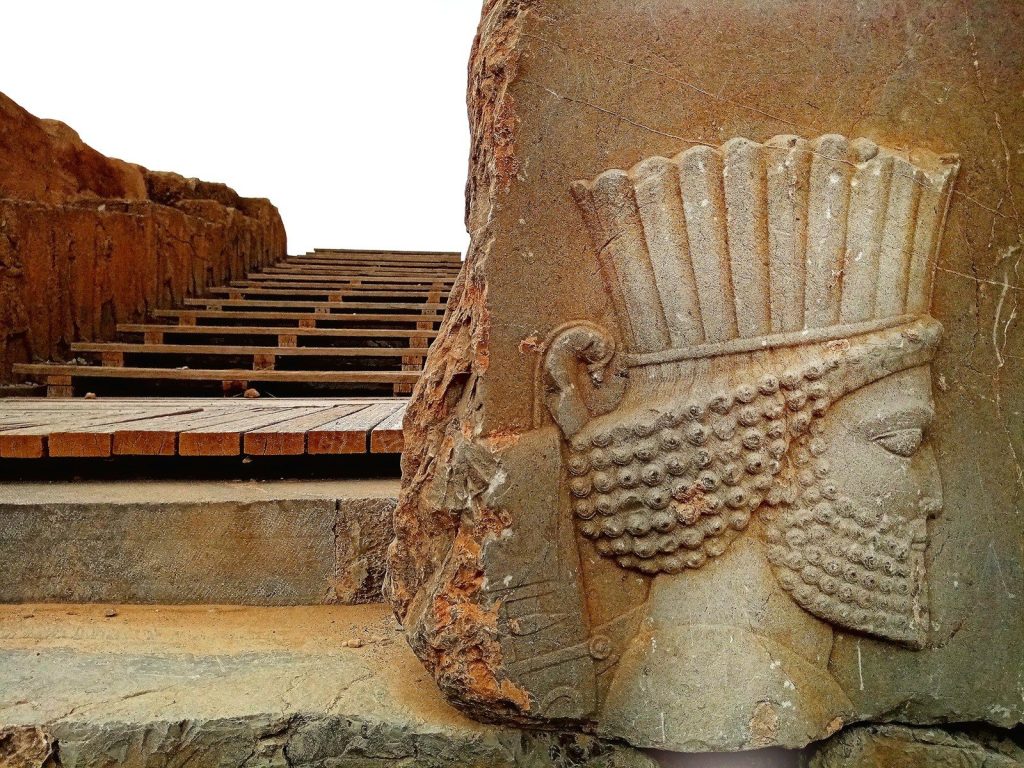
Geologists began studying a massive stone wall near the Step Pyramid of Djoser. According to Paleotechnic researchers, this trench served a brilliant purpose. It was actually a water treatment facility designed to capture desert runoff. The engineering was genius. Water was processed and channeled into deep underground shafts to generate pressure. But managing this flow required a very specialized tool.
The Ancient Volcano Valve System
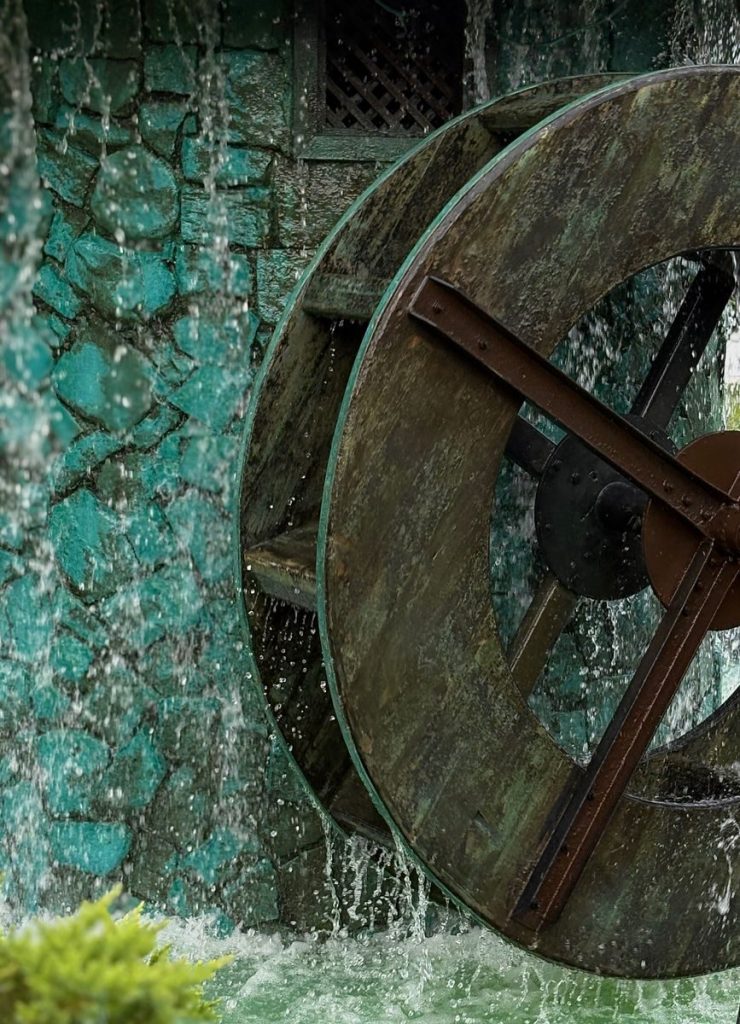
Ancient engineers needed a way to control the intense water pressure building beneath the sand. According to research from the Land Hydraulic Archaeology team, they built a stone valve at the base of the shaft. This device regulated the flow with incredible precision. They were highly advanced. Water would fill the central chamber, raising a float that carried the heavy stones upward. But this raises a massive structural mystery.
Why The Ramps Failed
Traditional ramps would have required more stone than the actual pyramids. According to calculations from Paleotechnic, building such ramps would take decades. It was simply impractical. A hydraulic lift system bypasses this physical limitation by using liquid forces. But did the Egyptians leave proof of this wet technology?
The Tell-Tale Water Marks
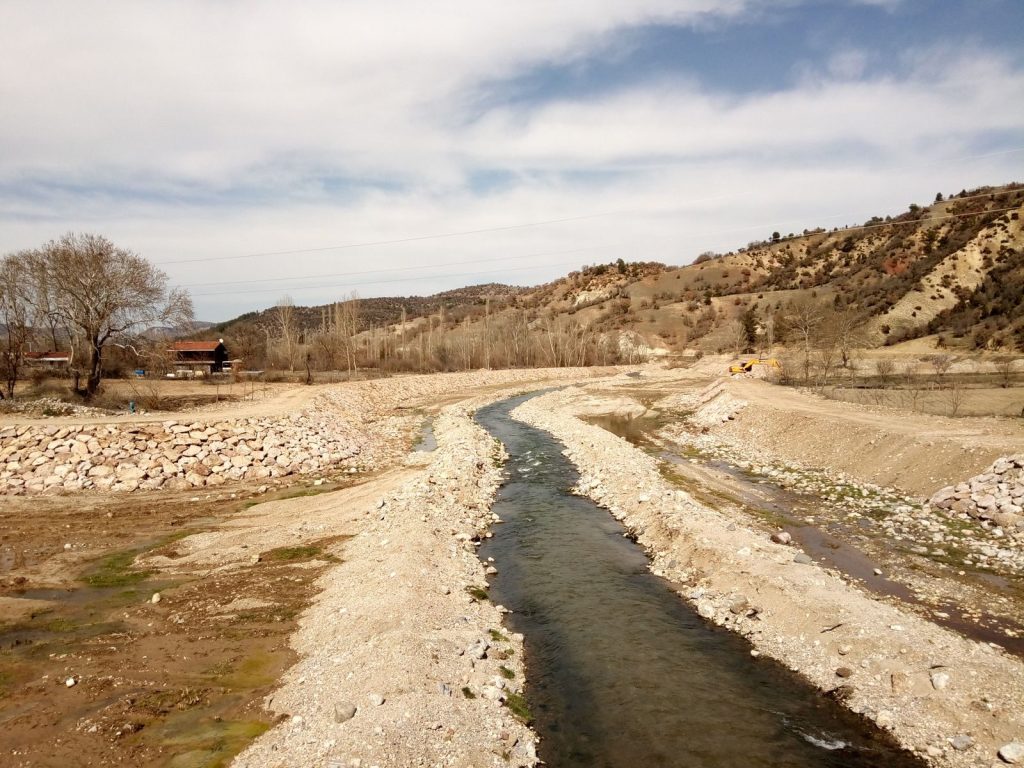
Silt deposits and water erosion patterns were found inside the shafts. According to the National Center for Scientific Research, water flowed through the stone. The evidence is solid. This flowing water left distinct mineral lines inside the proposed chambers. However, we must consider why this incredible system suddenly disappeared.
A Sahara That Dried Up
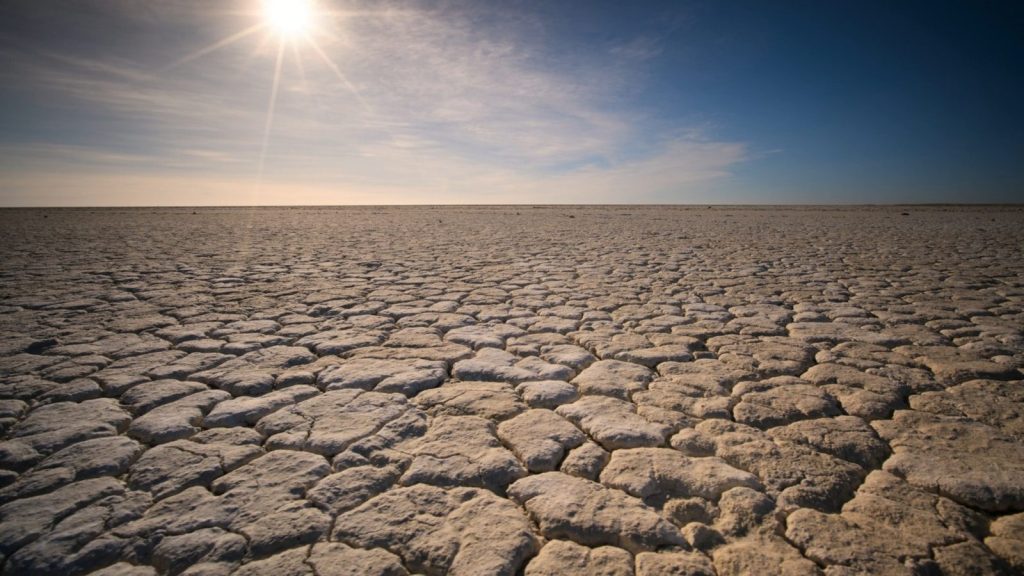
The green Sahara period ended, cutting off the necessary ancient water supply. According to paleoclimatic studies, local rivers dried up rapidly. It was devastating. Without a steady stream of water, these hydraulic lifts became completely useless for construction. This sudden climate change altered their building methods forever. Yet, we are only now realizing what was lost.
Reimagining Ancient Human Genius
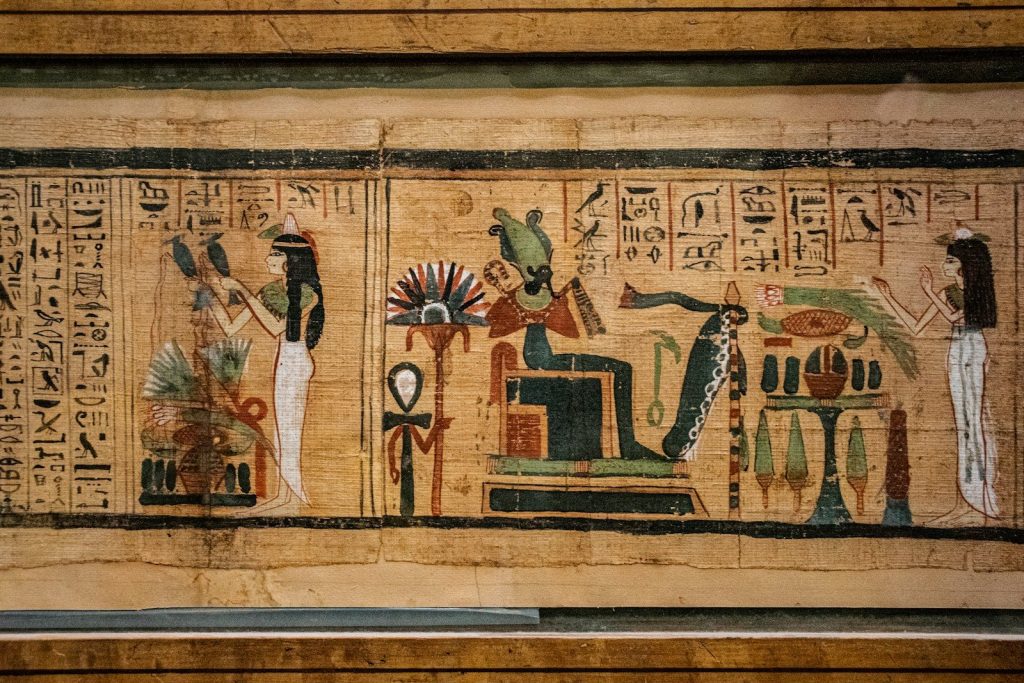
The pyramids may stand as monuments to fluid dynamics rather than raw muscle. According to modern archaeological science, ancient builders were master engineers of nature. They worked with the earth instead of fighting it. This article is for informational purposes only and does not constitute professional advice.
Featured Image: Photo by Osama Elsayed on Unsplash
Leave a Reply