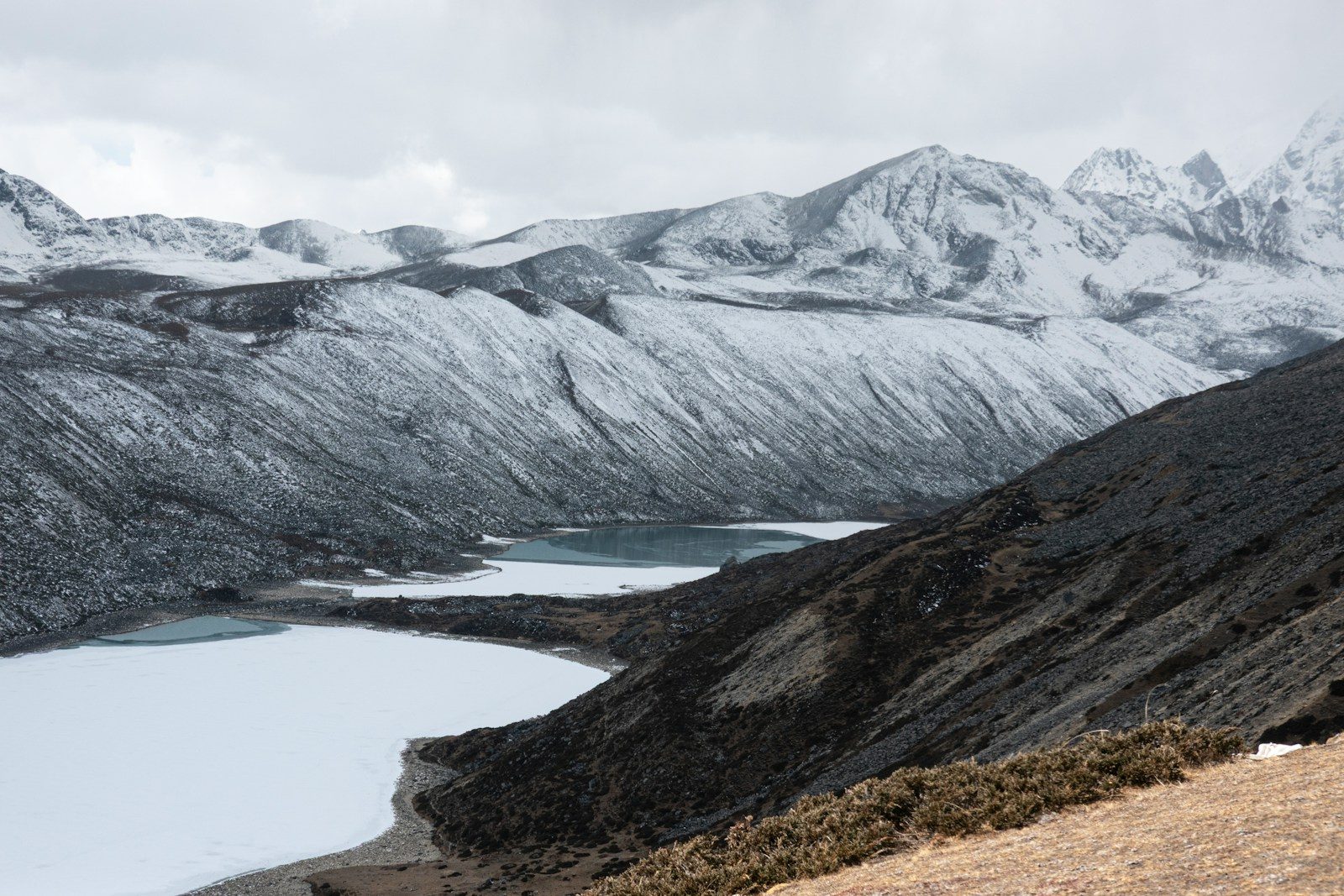
Most people believe our early ancestors could only survive in warm and lush environments. We assume they stayed close to green valleys where resources remained plentiful and safe.
But stunning new archaeological excavations prove that humans occupied incredibly harsh high-altitude frozen zones much earlier than previously assumed. These resilient groups adapted to extreme thin air using highly creative methods.
The Frozen Frontier

High mountain peaks offer very little oxygen and freezing temperatures that can stop a human heart. Most researchers assumed these heights remained empty until recently. According to reports in Science, archaeological digs uncovered ancient hearths and tool fragments at extreme altitudes in the Tibetan Plateau. They were brave. This unexpected discovery indicates that these ancient pioneers possessed a hidden genetic secret.
Surviving Thin Air

Living above eleven thousand feet requires unique biological changes to prevent altitude sickness. Modern humans adapt to these heights through specific genetic traits that alter blood oxygen. According to researchers at the University of California Berkeley, ancient populations passed these exact genes down through generations of interbreeding. They adapted quickly. But genetic mutation was only one part of their survival strategy.
Tech In The Cold
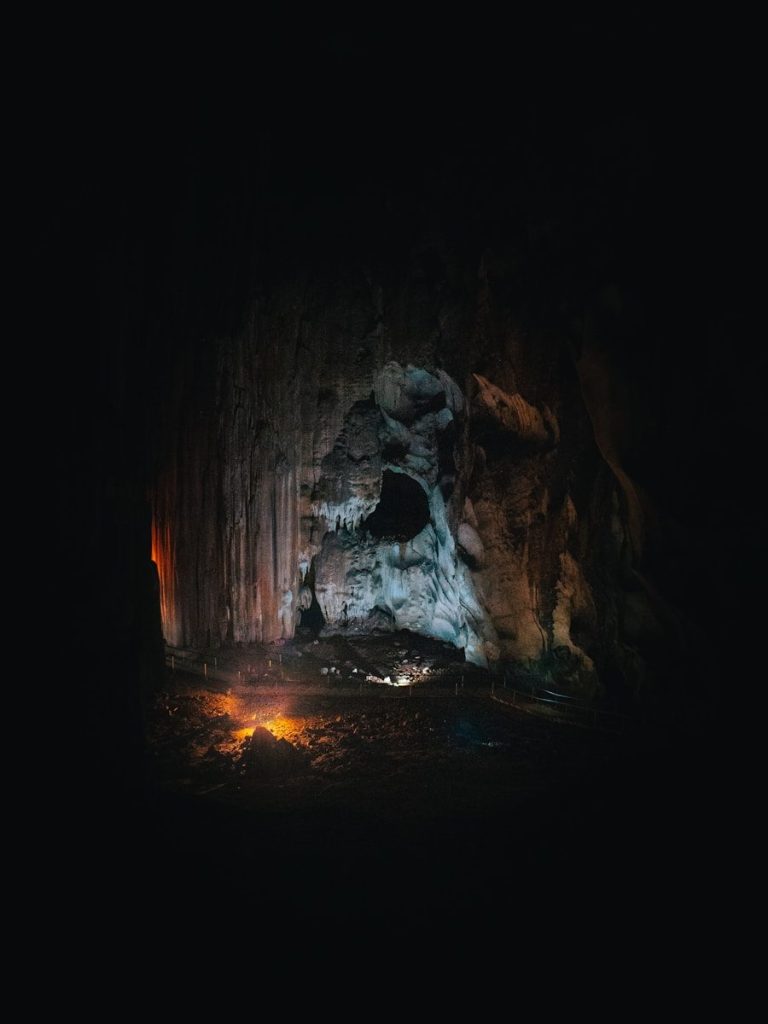
No one can survive in freezing peaks without specialized clothing and reliable fire sources. Ancient humans engineered advanced stone tools specifically to scrape thick animal hides for heavy coats. According to the field report from the Senckenberg Center, these early pioneers managed fires in sheltered rock alcoves to keep warm. They were highly practical. Yet, researchers still did not understand how they gathered food in this barren wasteland.
Hunting Ancient Giants
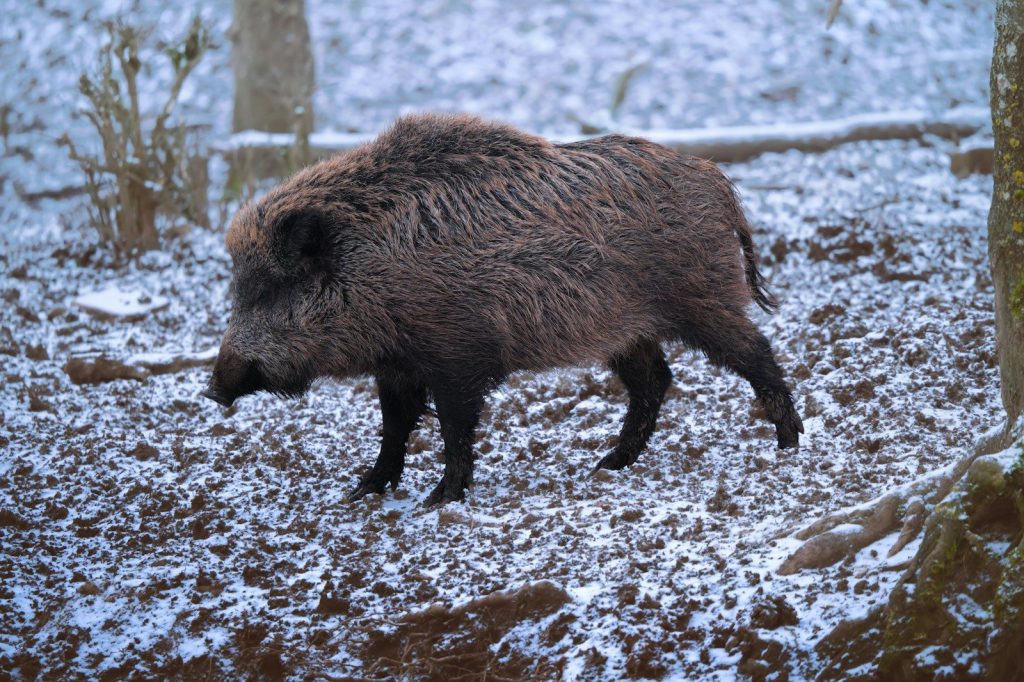
Standard gatherer diets fail when snow covers the ground for most of the year. The mountain residents relied heavily on hunting giant high-altitude mammals to secure enough calories. According to a study in Nature, bone piles show they regularly hunted large woolly rhinos and local wild goats. They worked together. However, this long-term isolation in freezing heights created a massive evolutionary puzzle.
Deep Cave Refuges

These sub-zero temperatures forced the early settlers to seek shelter in deep limestone caverns. These subterranean networks provided a stable temperature that blocked the worst of the mountain wind. According to the Institute of Vertebrate Paleontology, sediment layers inside these caves show continuous occupancy over generations. Caverns became homes. However, the unexpected discovery of deep cave trade routes soon changed everything.
The Genetic Bridge

The cave trade routes prove that these isolated mountain dwellers maintained links with distant lowlanders. Their genetic markers do not match standard human migration patterns. According to evolutionary geneticists, these early survivors regularly traded tools and genes with nomadic groups crossing the lower valleys. Connections were vital. But tracking these prehistoric interactions across raw geology required an entirely new scientific tool.
Uncovering Hidden Paths
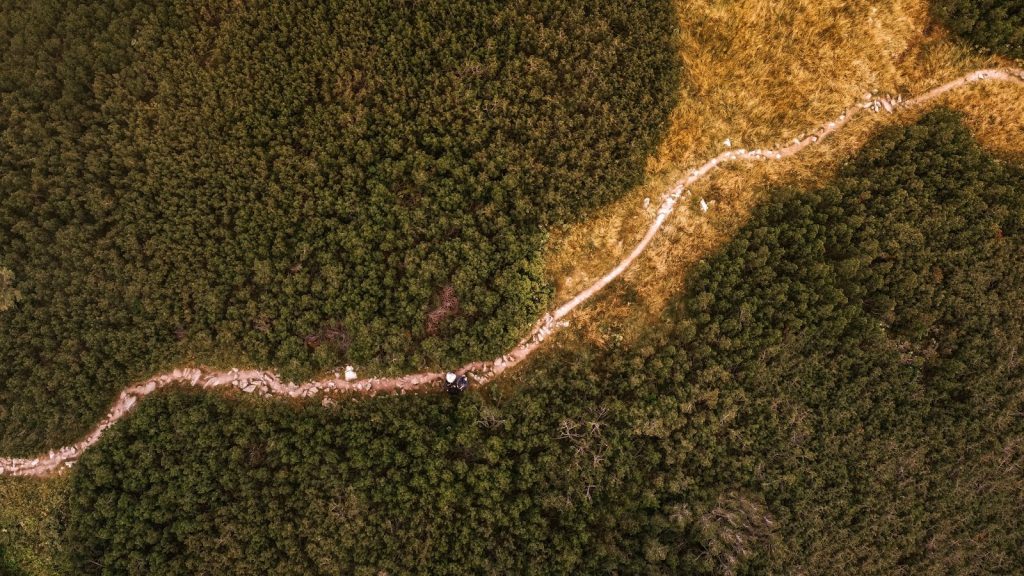
Geologists tracking these ancient migration paths through rugged mountain ranges require specialized satellite imaging. Scientists use advanced sensors to trace prehistoric pathways across the rocks. According to researchers at the University of Arizona, these maps reveal structured travel networks through the high passes. Paths were deliberate. These tracks guide scientists toward a completely new understanding of human endurance.
Redefining Human Limits

These incredible mountain discoveries prove that early humans possessed boundless resilience and advanced survival technology. We did not merely adapt to our environments. According to anthropologists, we actively conquered them. This research helps us understand the extreme limits of human adaptability. This article is for informational purposes only.
Leave a Reply