Humans usually assume that we are the first advanced species to conquer this planet. We believe our modern industrial cities represent the absolute peak of Earth’s biological history.
But a thought-provoking scientific hypothesis suggests a different story. Researchers are looking for geological traces of an industrial society that existed long before humans.
The Silurian Hypothesis
Two prominent climatologists recently asked a bizarre question about our planet’s deep past. They wondered if we could find physical proof of an ancient industrial age in the rock layers. According to NASA, geological forces easily grind cities into microscopic dust over millions of years. This process is relentless. Finding direct proof of their physical structures might prove entirely impossible.
Hidden Chemical Footprints
If concrete and steel crumble away, we must look for deep chemical signatures instead. Fossil fuel burning leaves distinct carbon isotopes in the global sediment layers. According to a study in the International Journal of Astrobiology, massive spikes in global warming match these expected patterns. The heat rises fast. But these warm anomalies could also stem from natural planetary events.
Strange Deep Metals
An advanced society would also leave behind synthetic materials that do not occur in nature. Plastics and synthetic chemical pollutants remain in the soil layers for vast epochs. According to geological reports, these artificial compounds eventually form a distinct layer in the rock. It is a permanent stamp. Yet, identifying these microscopic remnants requires analyzing the oldest parts of our crust.
The Missing Rock Record
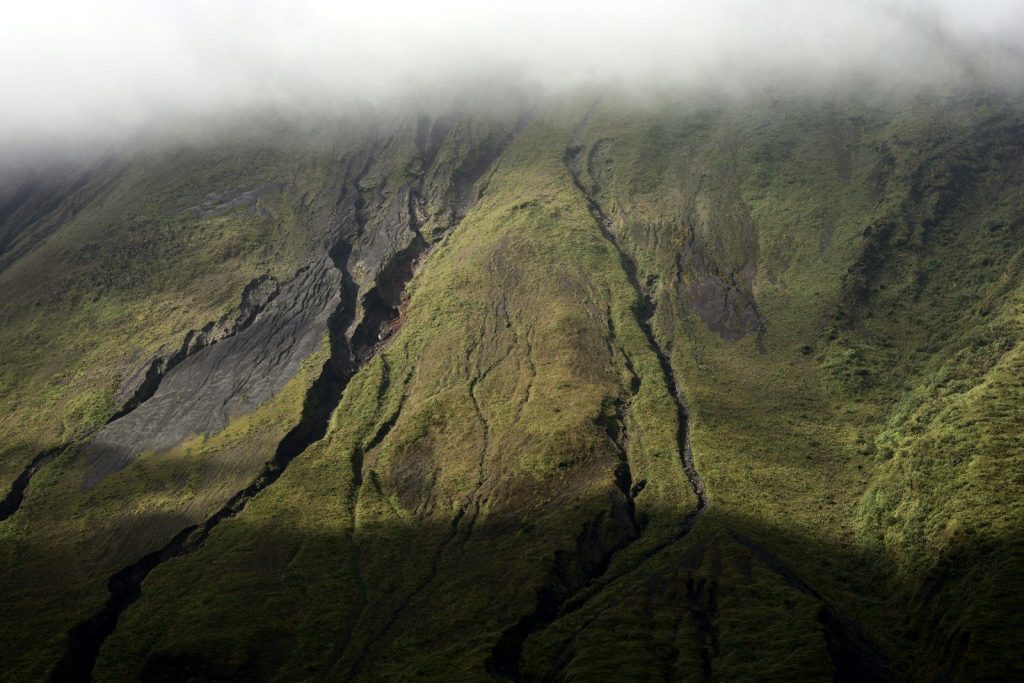
Finding these geological layers is incredibly difficult because Earth constantly recycles its outer crust. Tectonic plates slide under each other and melt ancient surface evidence. According to the United States Geological Survey, the oldest preserved land surfaces are only several million years old. Earth erases its past. This recycling means an entire world could vanish without leaving a single fossil.
Prehistoric Climate Spikes

Climatologists have discovered several sudden temperature spikes that occurred long before humans evolved. The most extreme event happened fifty-six million years ago during a massive carbon surge. According to reports from Cambridge University, the planet warmed rapidly during this mysterious era. It was stifling hot. But scientists still debate whether natural volcanoes triggered this massive climate shift.
Searching Other Worlds
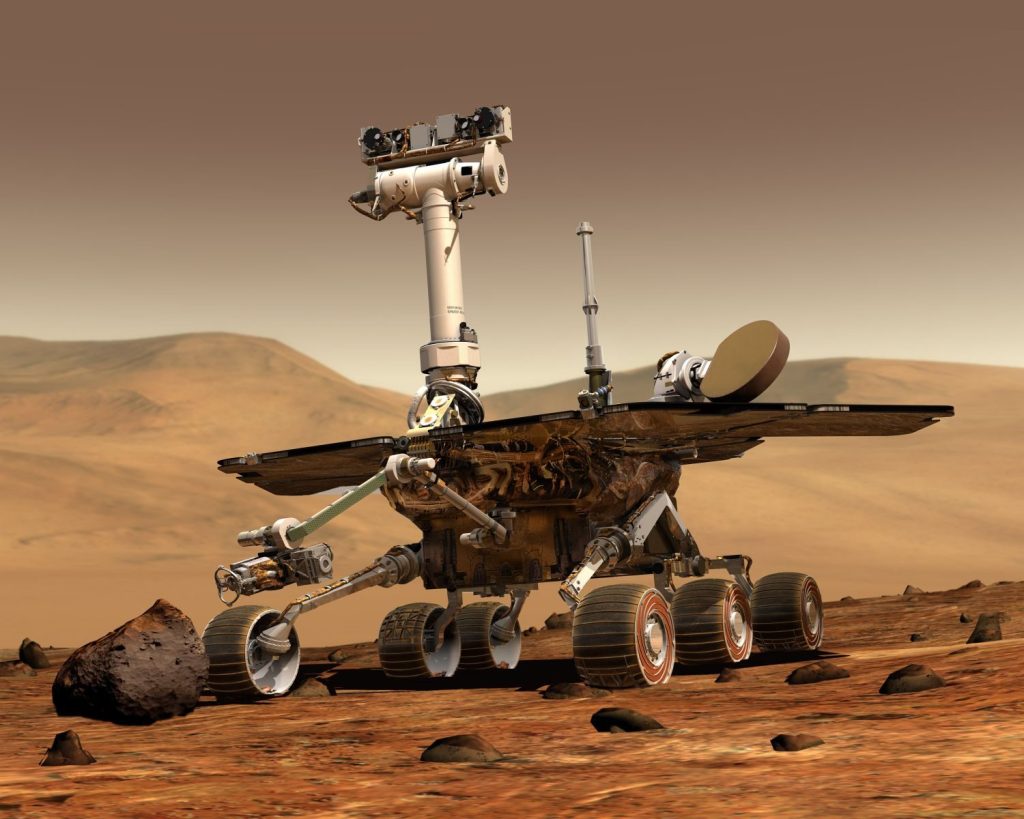
Should early civilizations exist on Earth, they might have left evidence beyond our atmosphere. Space lacks the wind and water erosion that destroys surface artifacts on our home world. According to space scientists, ancient machinery on the moon or Mars would remain intact for billions of years. Space preserves everything. This makes our celestial neighbors the best place to search for lost history.
Technosignatures In Orbit
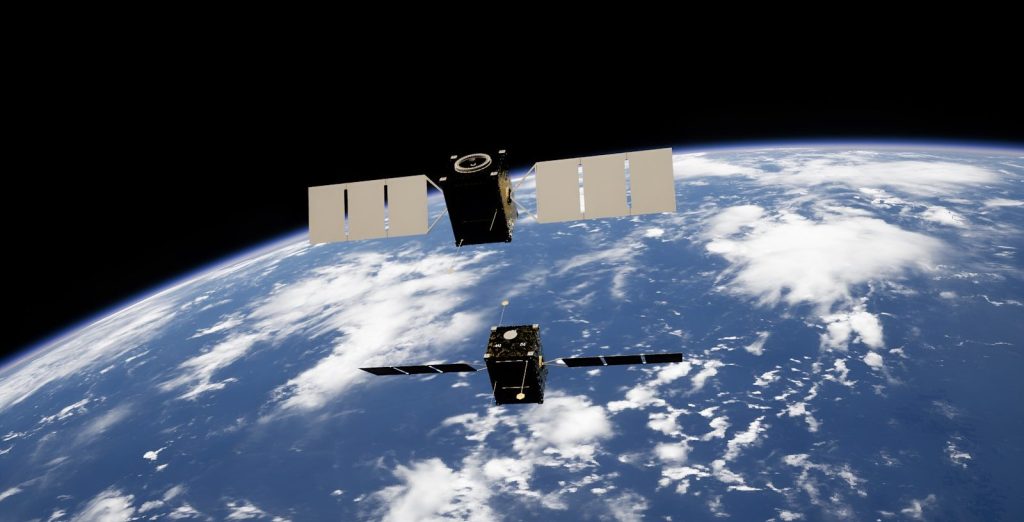
A prehistoric technological society might have launched satellites into high orbits before they vanished. These deep space objects could circle the planet silently for millions of years. According to astrophysicists, we must scan the skies for old metallic debris left in stable gravitational points. They are hard to find. However, finding these objects would change our understanding of cosmic history.
Redefining Human History

The search for pre-human societies forces us to reconsider our place on this planet. It teaches us how easily our own civilization could fade into a thin layer of dust. According to leading geologists, we are just a brief moment in the life of a very old world. We must protect our home. This article is for informational purposes only.
Featured Image: Photo by Buddha Elemental 3D on Unsplash
Leave a Reply