
We assume that highly complex mechanical engineering only emerged during the modern industrial age. Most people believe that ancient civilizations possessed only basic tools and primitive bronze instruments.
But a bizarre shipwreck recovery has forced historians to rewrite early human history. Scientists discovered a two-thousand-year-old device that used advanced gear networks to track the stars.
The Deep Sea Discovery

Divers exploring a Roman shipwreck near the Greek island of Antikythera made a shocking discovery. They recovered several bronze fragments covered in centuries of green ocean decay. According to archaeological reports, the ancient metal pieces belonged to a single highly complex mechanism. It was ancient. But the true nature of this strange device would remain a mystery for decades.
X-raying the Past

Researchers eventually used advanced three-dimensional imaging to peer inside the corroded brass fragments. They did not expect to find anything beyond solid metal blocks. According to museum researchers, the scans revealed dozens of tiny interlocking gear wheels built with extreme mathematical precision. The gears were tiny. Yet, the sheer complexity of this mechanical network suggested an advanced origin.
Tracking The Cosmos

The device operated as a highly advanced mechanical computer to calculate the movements of the solar system. By turning a small hand crank, users could predict solar eclipses and track planetary paths perfectly. According to astronomy historians, this ancient machine also monitored the exact schedule of the Olympic games. They valued precision. But this level of gear technology should not exist for another thousand years.
The Missing Link
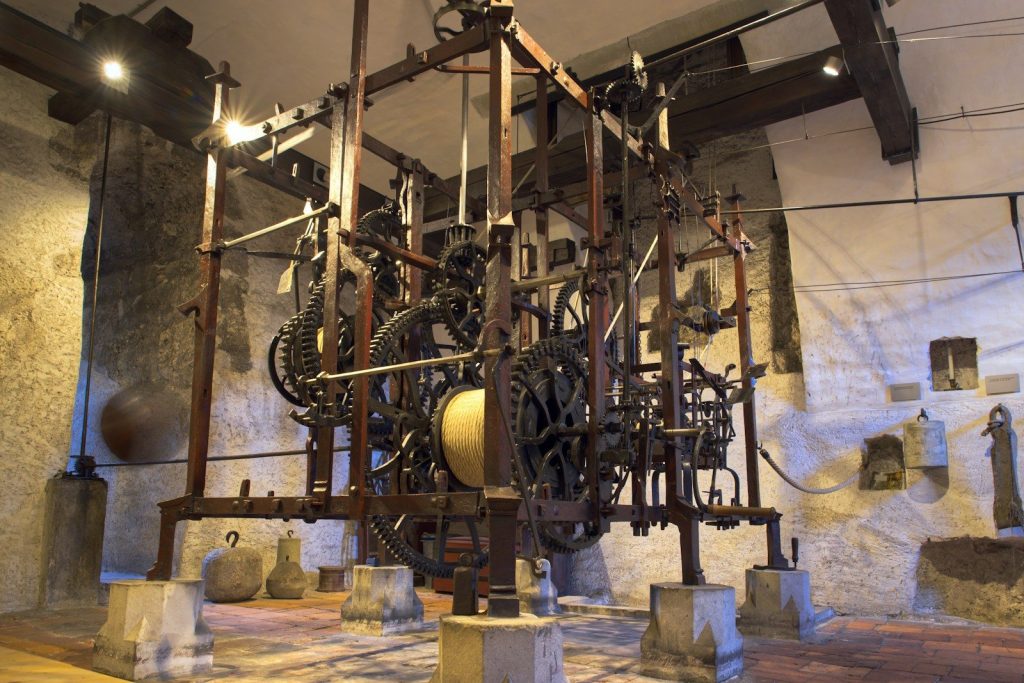
Historians previously believed that such advanced clockwork mechanisms only appeared in Europe during the fourteenth century. The Antikythera mechanism completely shattered this linear timeline of human progress. According to scientific journals, this discovery proves that ancient Greek builders possessed deep mechanical knowledge that vanished for centuries. History was broken. This massive gap in our technological timeline suggests a tragic loss of human knowledge.
Who Built It

Archaeologists still debate the exact identity of the genius engineer who designed this incredible astronomical computer. Some experts suggest the famous mathematician Archimedes crafted the prototype device in his Syracuse workshop. According to classical history papers, several ancient writers described bronze planetary globes that matched this mechanism. He was brilliant. But finding the workshop that built these devices remains an elusive dream.
The Deep Sea Graveyard

A violent storm in the Aegean Sea sank the vessel carrying this mechanical wonder. It rested in deep water for millennia, preserving the unique artifacts from destructive land wars. According to marine archaeology reports, the ship also carried pristine marble statues and valuable coins. The cargo was vast. And researchers believe the seabed still hides more mechanical treasures.
Restoring The Gearwork
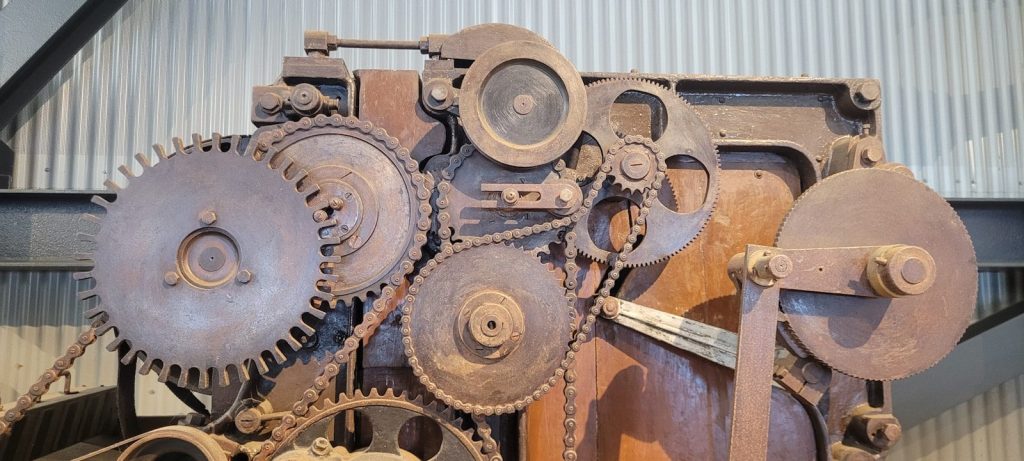
Modern engineers have built precise physical replicas of the Antikythera device using original bronze alloys. These working models confirm that the gear ratios match the exact mathematical movements of the sun and moon. According to mechanical engineering tests, the ancient design operates flawlessly. The machine is perfect. This validation forces us to reconsider what other ancient technologies have disappeared without a trace.
Redefining Our Past

The Antikythera mechanism stands as a silent reminder that human history does not move in a straight line. Civilizations can reach incredible heights and then vanish completely, taking their advanced breakthroughs with them. According to leading historians, we must keep digging to uncover the remaining secrets of early engineers. This article is for informational purposes only.
Featured Image: Photo by cottonbro studio on Pexels
Leave a Reply