Most people assume that the Giza Pyramids were designed during the early Egyptian dynasties. We believe that no record of their iconic shape existed before the pharaohs began building.
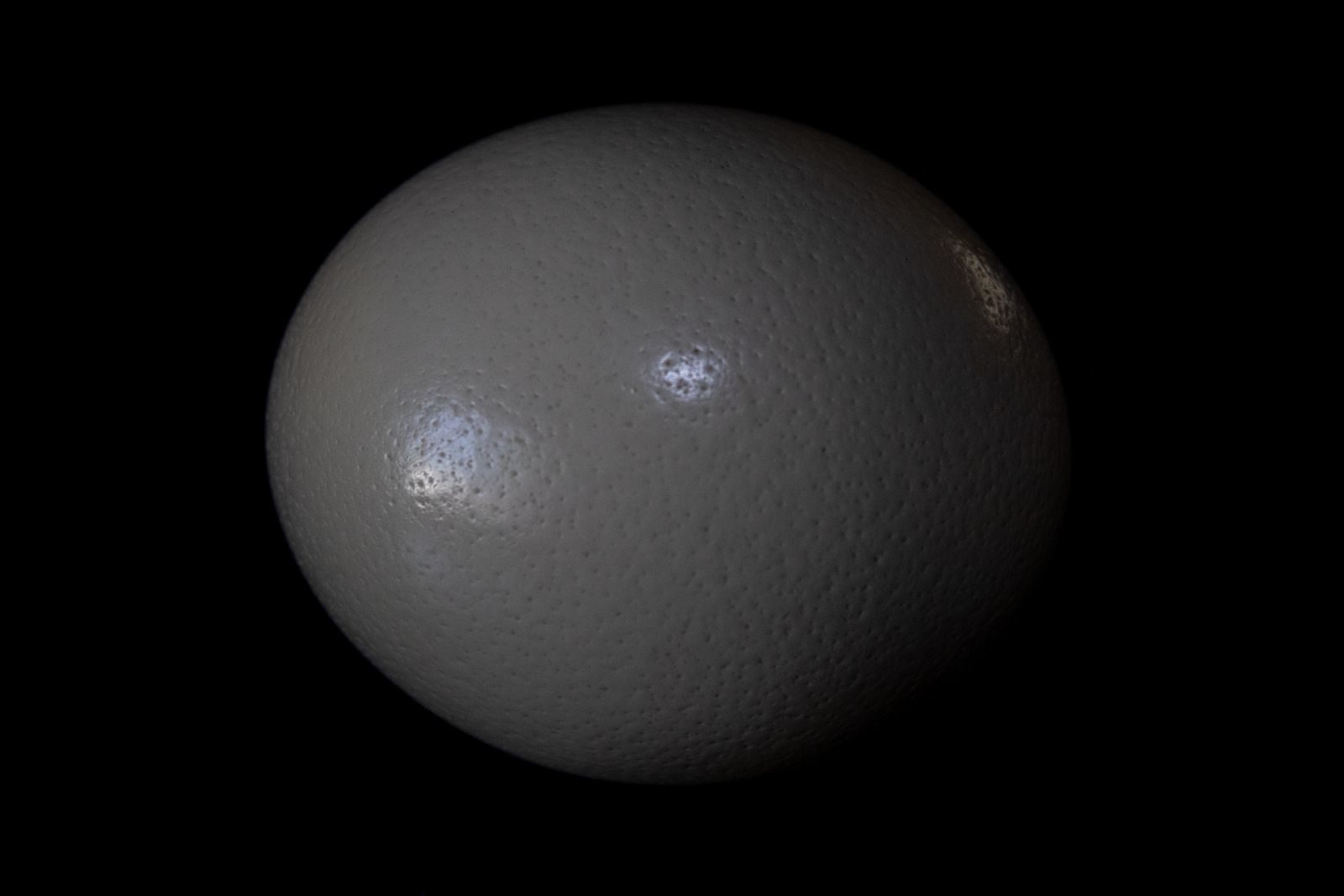
But a stunning archaeological discovery has turned this historical timeline completely upside down. A decorated ostrich egg shows the famous pyramid outlines thousands of years before they were built.
The Nubian Discovery

Archaeologists digging in a southern Egyptian tomb found a beautifully preserved ostrich egg. The delicate artifact was buried alongside an ancient skeleton. According to researchers at the Nubian Museum, the tomb dates back over seven thousand years. It was incredibly old. But the strange symbols painted on the eggshell would spark a global scientific mystery.
Three Pointed Triangles
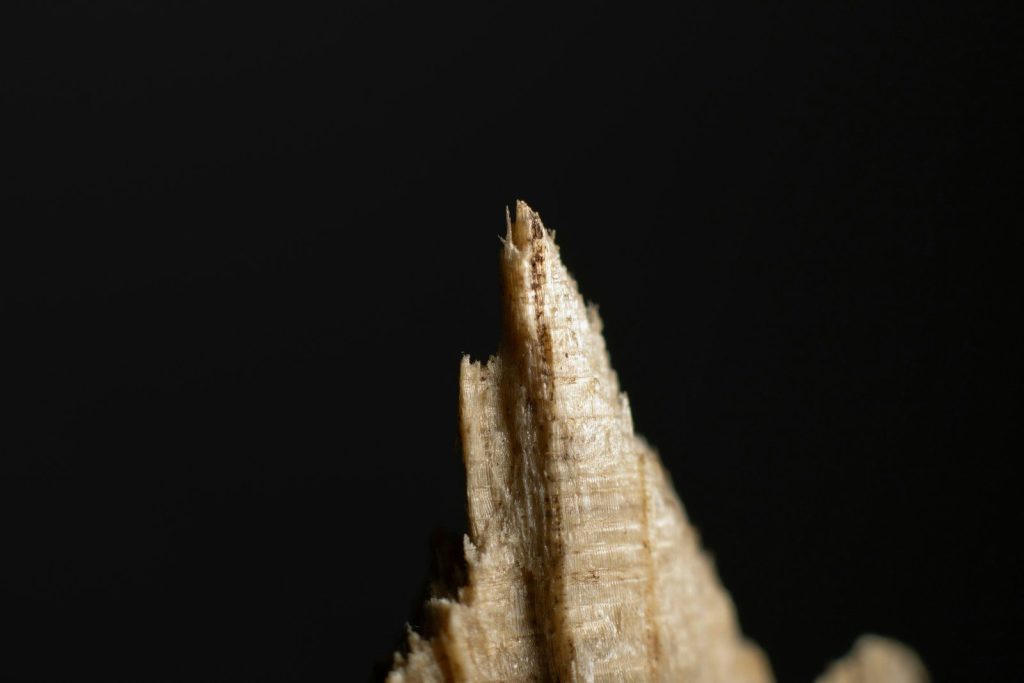
The surface of the ancient egg shows three distinct triangular shapes drawn side by side. Next to the triangles is a flowing blue line that looks exactly like the Nile River. According to archaeological surveys, these three shapes match the precise layout of the Giza Pyramids. They are almost identical. Yet, these structures were officially built thousands of years later.
The Carbon Dating Challenge

Mainstream historians immediately questioned the age of the delicate artifact. They suspected that the drawings were added much later by modern tomb Raiders. According to laboratory carbon dating, the organic egg shell is indeed seven thousand years old. The paint is authentic. This physical proof left researchers struggling to explain the impossible timeline.
Mountains Of The Moon

Mainstream archaeologists suggest that the triangles do not show pyramids at all. They argue that early nomadic artists were actually drawing three volcanic mountain peaks located in nearby Nubia. According to geographic historians, these local peaks were highly sacred to early regional tribes. It was a map. However, this natural theory does not explain the other bizarre alignments on the egg.
Sacred Geometric Lines

The triangles on the ostrich egg show an incredibly advanced understanding of geometry. The angles of the drawn shapes closely match the actual slope of the physical pyramids. According to geometric analyses, this level of drafting accuracy is highly unusual for prehistoric art. The drawings are precise. This precision points to a shared mathematical heritage that survived for millennia.
Prehistoric Sky Trackers
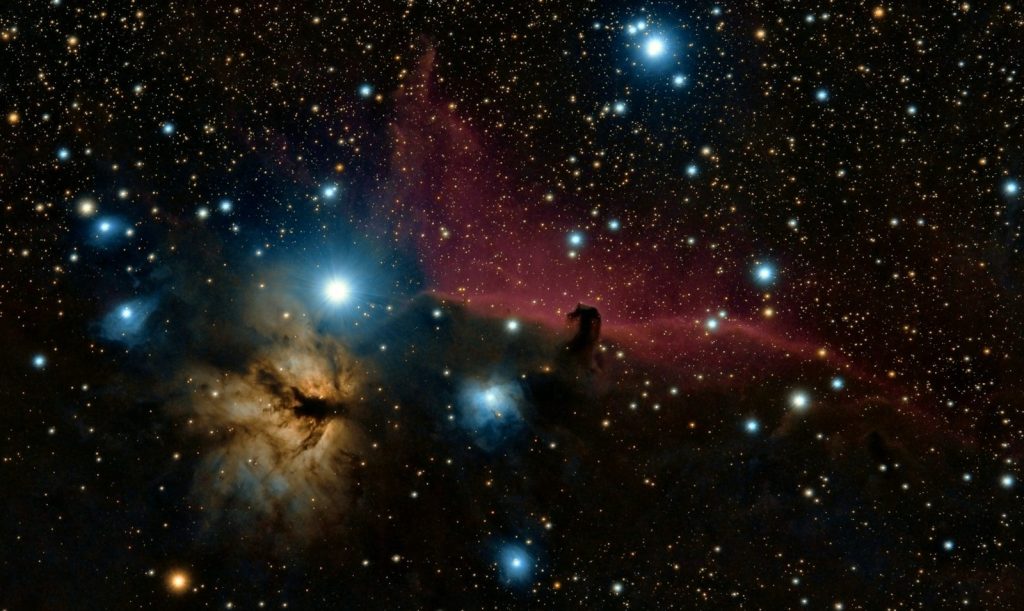
Some independent researchers believe the drawings depict three major stars in the Orion constellation. They argue that early humans tracked the sky long before building permanent stone monuments. According to astronomical historians, early tribes aligned their sacred sites with these exact stars. The sky guided them. This stellar connection suggests that the pyramid layout was designed long before construction began.
Secrets In The Sand

The egg proves that advanced geometric and geographical knowledge existed in Africa long before the rise of the pharaohs. Early cultures passed down these sacred templates over hundreds of generations. According to evolutionary anthropologists, our ancestors were far more intellectually advanced than we assume. They were highly intelligent. This artifact is forcing historians to completely rewrite the dawn of civilization.
The Timeless Legacy
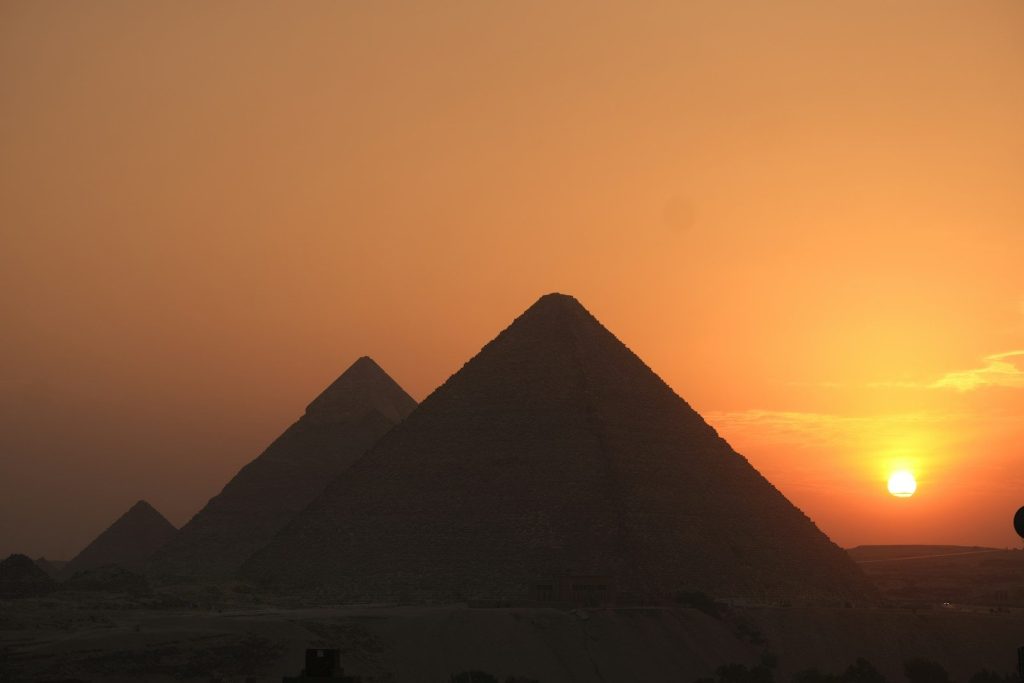
The painted ostrich egg of Nubia remains one of the most mysterious prehistoric artifacts ever found. It challenges us to rethink how we track human progress and architecture. According to historical studies, early civilizations held deep astronomical and mathematical knowledge. The past is alive. This article is for informational purposes only.
Featured Image: Photo by Magda Ehlers on Pexels
Leave a Reply