We assume that Islam is a relatively modern addition to the American landscape. Most people believe that the first Muslims arrived in the US recently.
But historical records show a completely different and forgotten reality. Followers of the faith have been part of the American story for centuries.
The Early Explorers

Long before the United States was even founded, Muslim navigators arrived on the continent. These early travelers crossed the ocean alongside European explorers. They were bold. According to historical archives, some of these sailors settled in early colonies as skilled guides. But an even larger group would arrive through far more tragic means.
The Enslaved Scholars
A massive portion of enslaved Africans brought to the colonies were highly educated Muslims. Many of these individuals could read and write complex Arabic. They were brilliant. According to research from the Smithsonian Institution, these scholars maintained their faith under brutal conditions. But practicing their religion required absolute secrecy.
Writing In The Dark
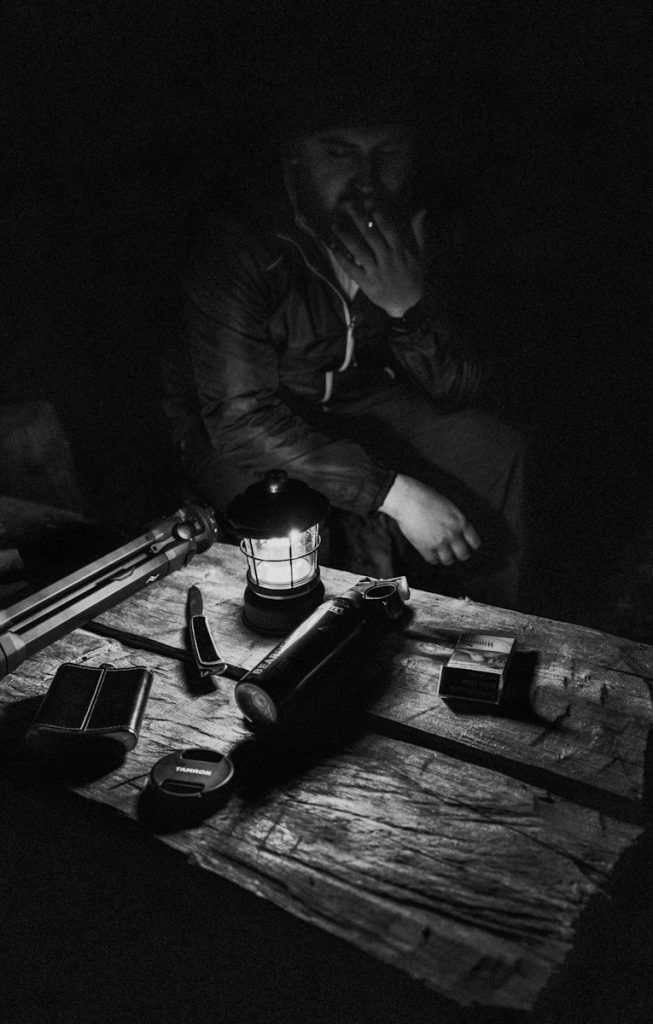
Enslaved scholars wrote complete copies of the Quran entirely from memory. They used scraps of paper and homemade ink to preserve their holy texts. It was risky. According to the Library of Congress, some of these handwritten manuscripts survived for generations. But other early Muslims chose to fight directly for American freedom.
The Revolutionary Soldier
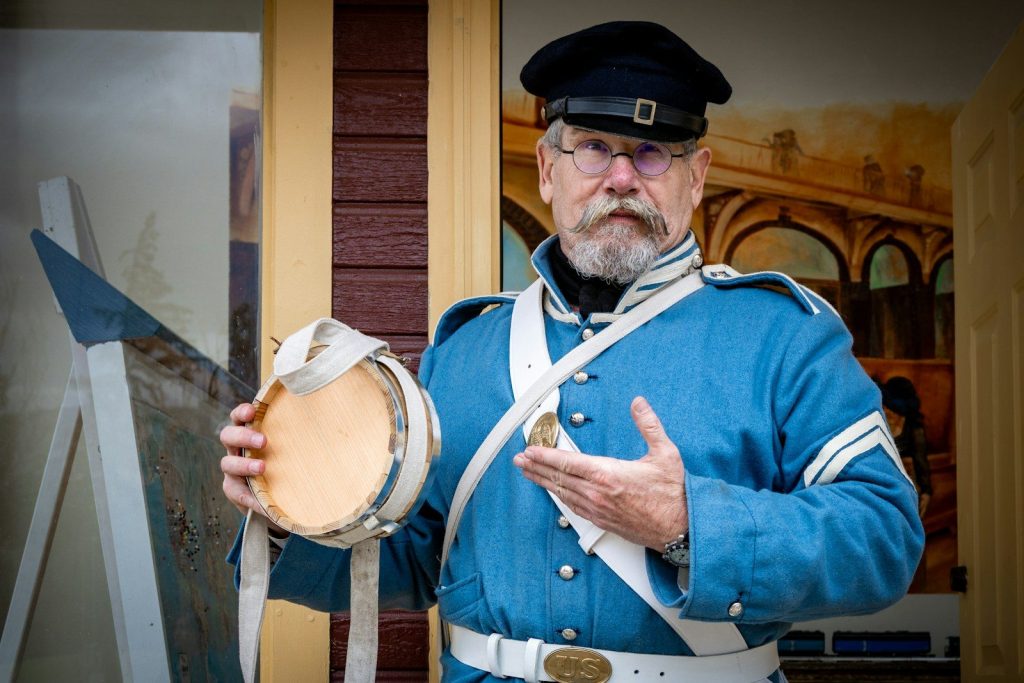
Muslim soldiers fought bravely in the American Revolutionary War for independence. Records show names like Yusuf Ben Ali serving in George Washington’s army. They were brave. According to military archives, these fighters helped secure the freedom of the new nation. But the young country was about to sign a historic global agreement.
A Historic Treaty
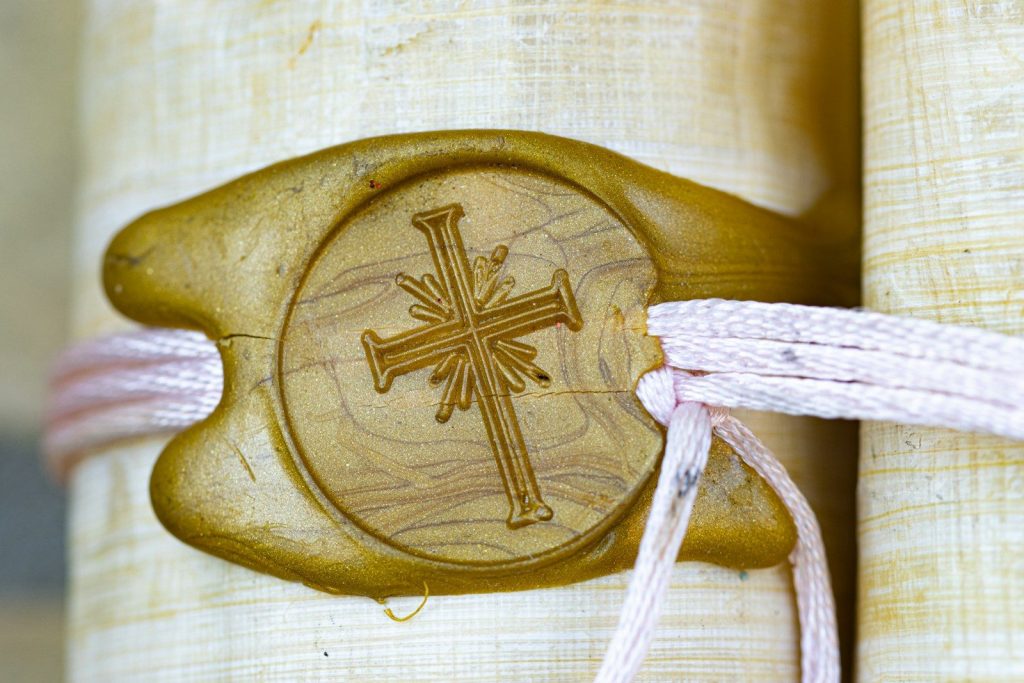
The newly formed United States signed its very first peace treaty with Morocco. This agreement established a lasting friendship between the two nations. It was historic. According to State Department records, Morocco was the first country to recognize American independence. But physical clues of early Muslim settlers were also being left in the soil.
The Tombstone Clues
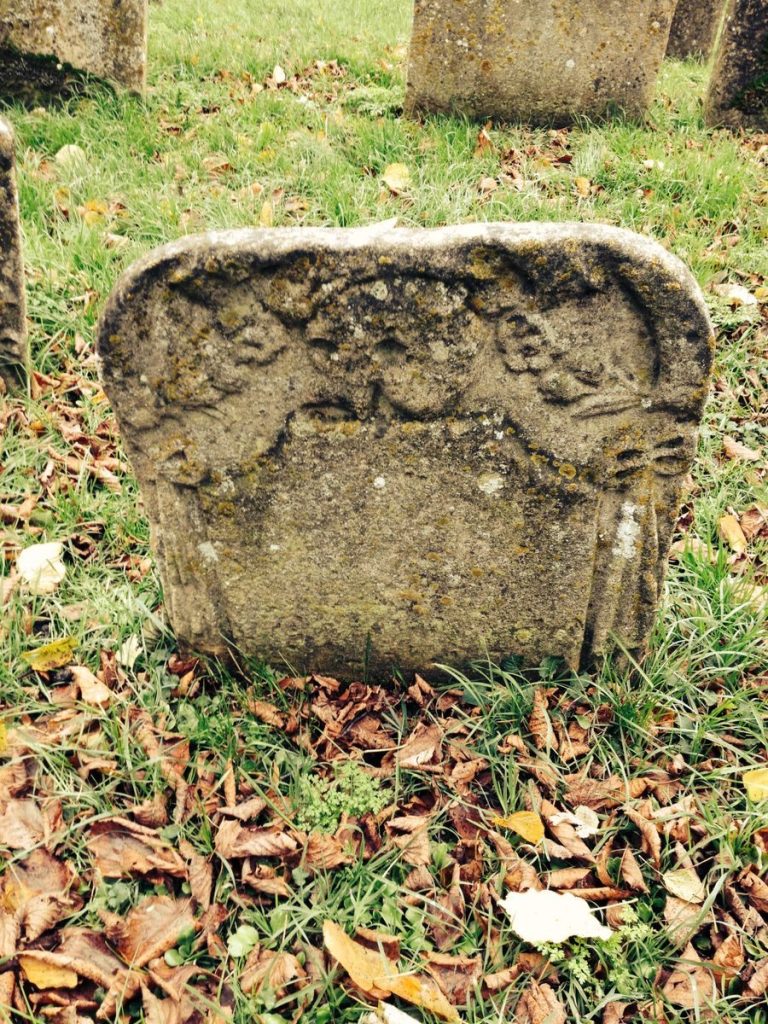
Archaeologists digging in old rural cemeteries found gravestones marked with Islamic symbols. These century-old graves are scattered across the American Midwest. They are silent. According to historical geologists, the carvings prove that Muslim communities existed in the heartland long ago. But modern researchers are finally bringing these hidden lives back to the surface.
Rebuilding The Narrative
Modern historians are working hard to recover these lost narratives from old family journals. They are uncovering a rich tapestry of early American diversity. The truth is rising. According to studies by Harvard University, these discoveries challenge our basic understanding of early national identity. This groundbreaking research is forcing us to rethink what it means to be American.
This Forgotten History
The forgotten history of Islam in early America proves that diversity is woven into our foundation. We must honor every voice that helped build this nation. According to cultural historians, recognizing these lost stories is vital for building a more inclusive future. This article is for informational purposes only.
Leave a Reply