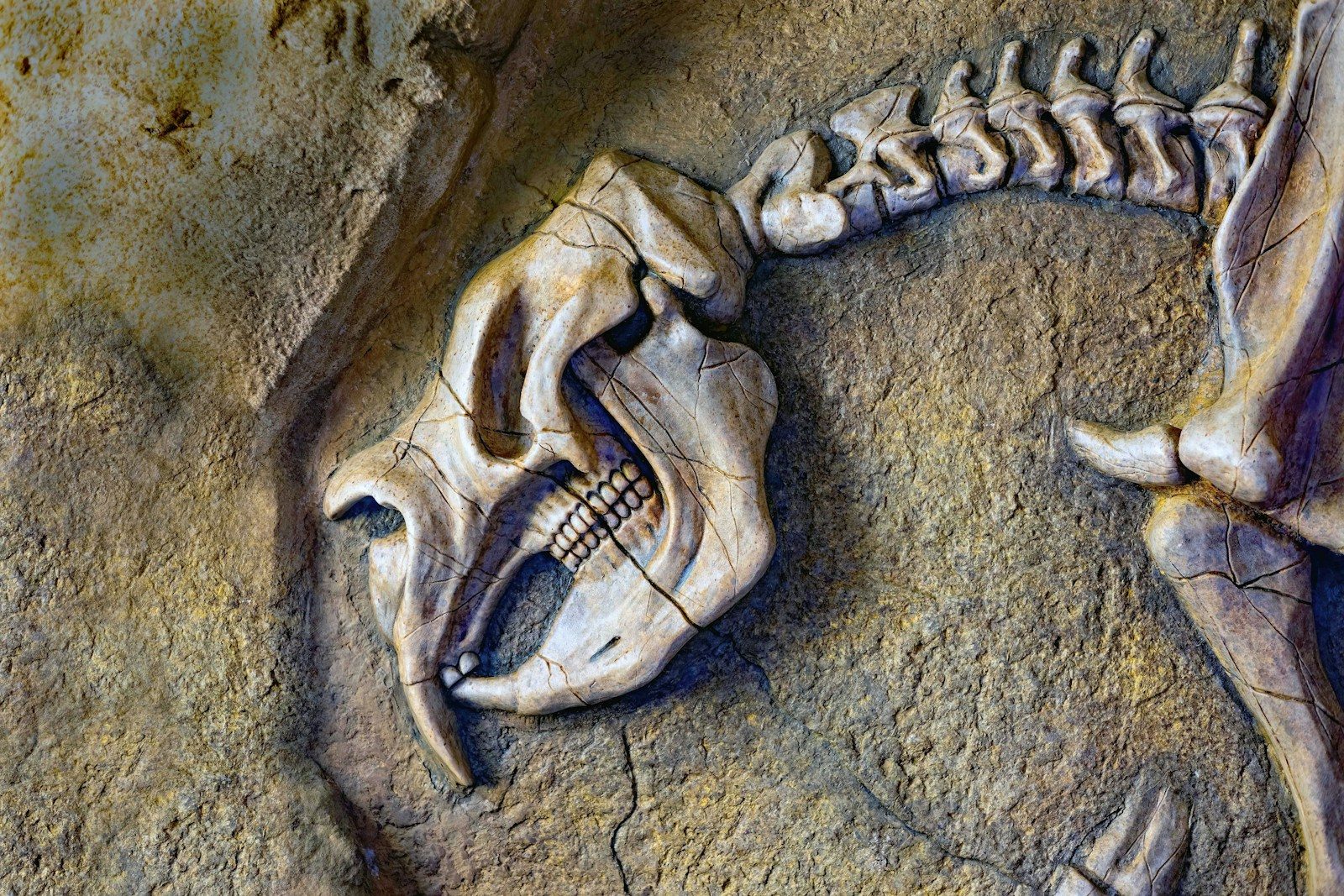
Most paleontologists assume that the famous fossil beds of North America hold all the major dinosaur species. We believe that we must look to the West to find spectacular prehistoric monsters.
But an incredible fossil discovery in a Thai valley has challenged this geological timeline. Scientists have unburied a previously unknown species of armored dinosaur.
Sifting Through Ancient Clay
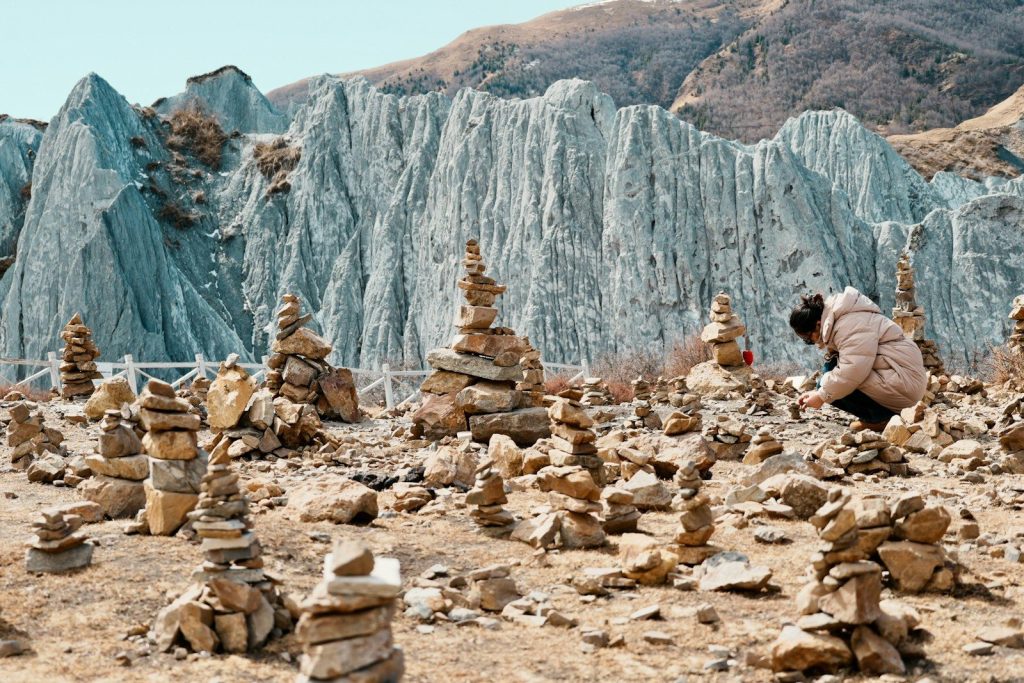
A team of paleontologists exploring a remote rock formation made the discovery of a lifetime in the shale. According to reports from the Department of Mineral Resources, they recovered well-preserved skeletal remains. The site was old. The fossils dated back over one hundred million years to the Cretaceous period. But what lay waiting in the rock would shock local researchers.
The Armor-Plated Beast
The unique structure of the bones revealed a dinosaur with highly specific defensive features. According to a study published in the journal Diversity, the newly discovered species was an ankylosaur. It was truly magnificent. This creature possessed thick bony plates embedded directly into its tough skin for protection. But explaining how this heavy herbivore moved requires looking at its tail.
Weapon Of Real Defense

The prehistoric giant used a heavy club-like tail to defend itself from large predators. According to biomechanics studies, a single strike from this bony tail could shatter the bones of an attacker instantly. The power was immense. This extreme defense allowed the slow-moving herbivore to survive alongside fierce meat-eaters. But tracking their ancient diet led to a highly surprising realization.
Feasting In Lush Forests

The hot and humid Cretaceous landscape of Thailand was once filled with dense tropical forests. According to paleobotanical reports, the armored dinosaur fed entirely on low-lying ferns and soft leaves. They were highly peaceful. This rich vegetation provided all the energy the giant needed to grow its massive armor plates. But a sudden environmental shift would bring a tragic end.
The Slow Preservation Miracle
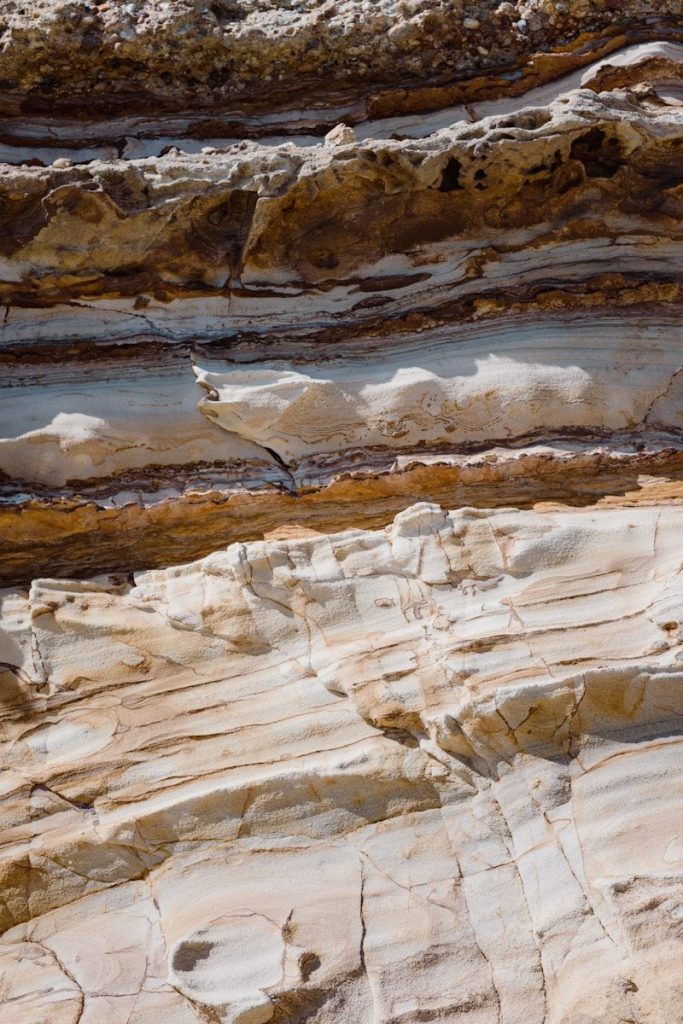
Mud from prehistoric river floods quickly covered the bones of the dead dinosaurs. According to geological survey reports, this rapid burial prevented the skeleton from being scattered by scavengers. The preservation was perfect. Over millions of years, the minerals in the water slowly turned the bone layers to solid stone. But modern scanners are helping us read these ancient stories.
Reconstruction With Digital Scans
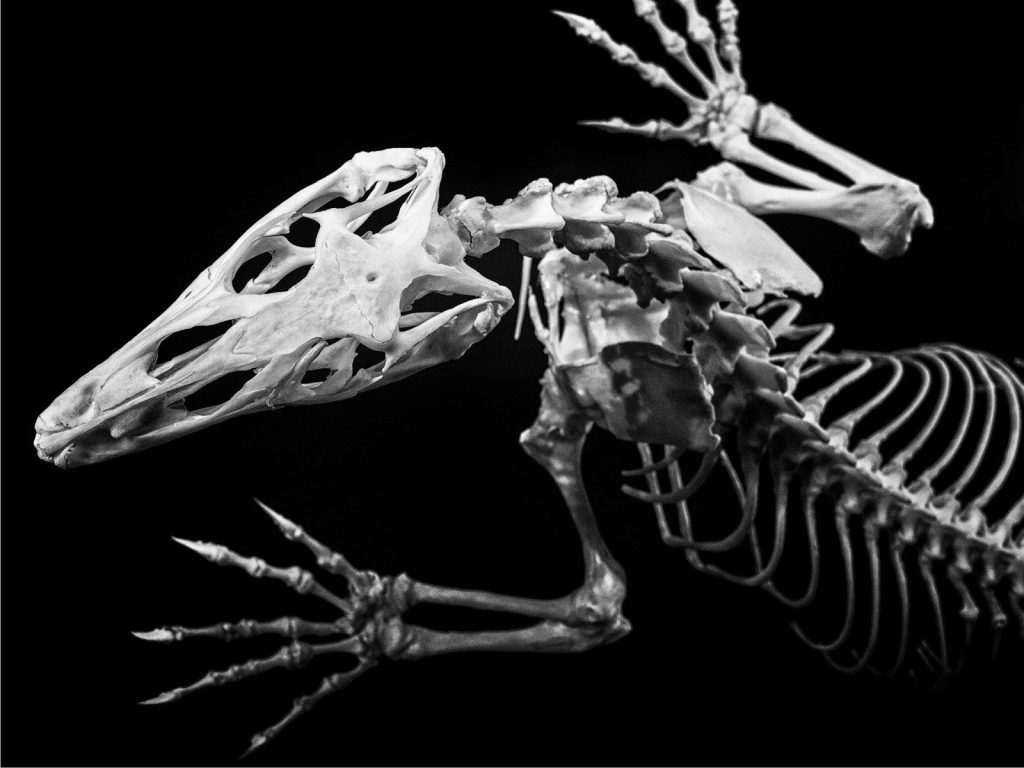
Scientists are using three-dimensional scanning technology to reconstruct the dinosaur body in detail. According to computer software analyses, these virtual models show exactly how the muscles and armor plates fit together. Precision was vital. This high-tech reconstruction allows researchers to study how these ancient beasts behaved. But the legacy of this discovery continues to change history.
Rewriting Prehistoric Asian History
Finding this armored species proves that diverse dinosaur lineages were thriving in Southeast Asia long ago. According to paleontologists, this Thai discovery helps us map the global migration routes of prehistoric life. The past is active. This article is for informational purposes only.
Featured Image: Photo by David Clode on Unsplash
Leave a Reply