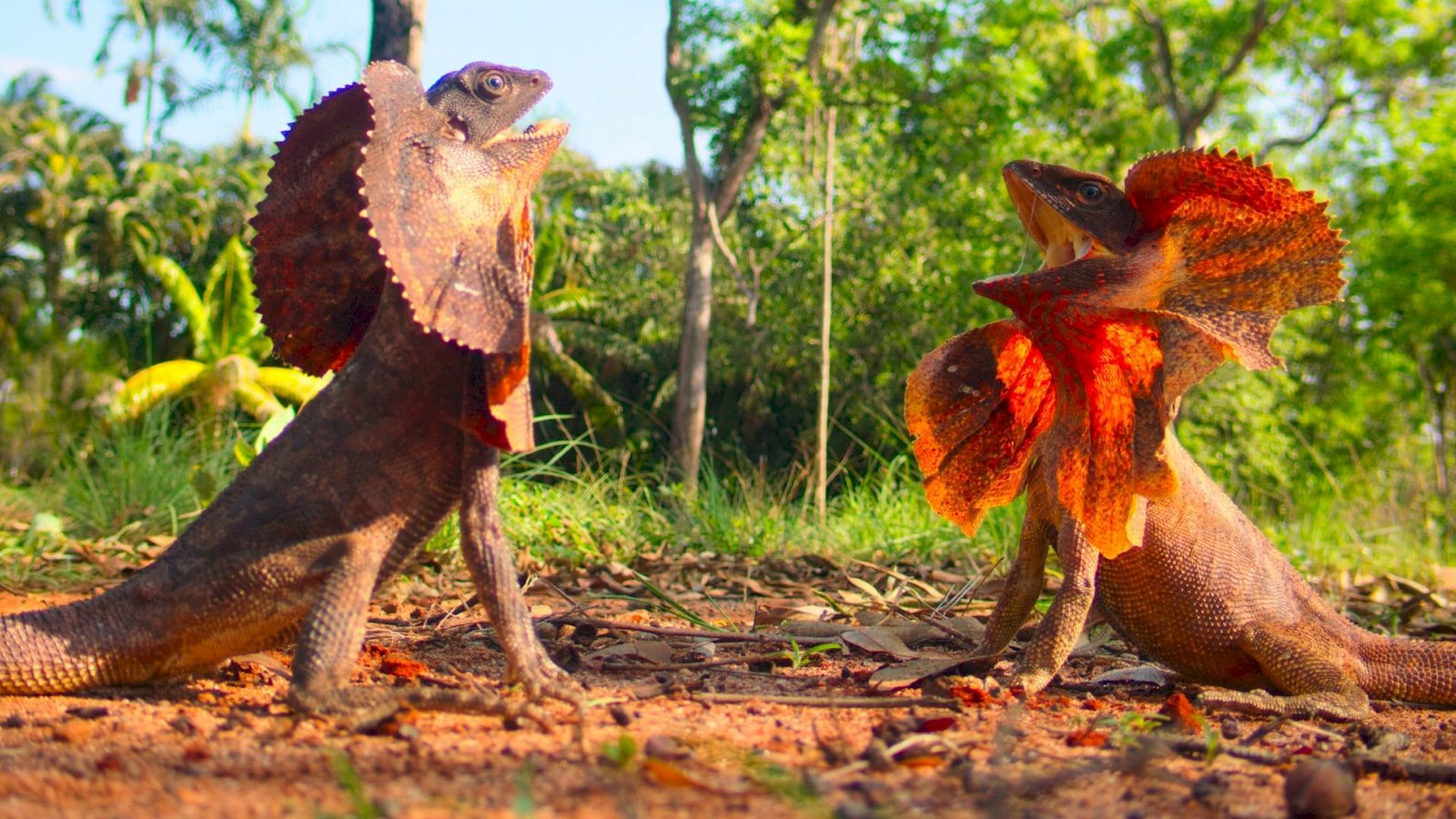
Most history lovers assume that mythical monsters are purely imaginary creations. We believe that legendary beasts exist only in early campfire tales and cultural folklore.
But modern biological discoveries prove that many famous monsters are based on real animals. These incredible creatures stepped out of myth and straight into early scientific records.
The Giant Deep Sea Kraken
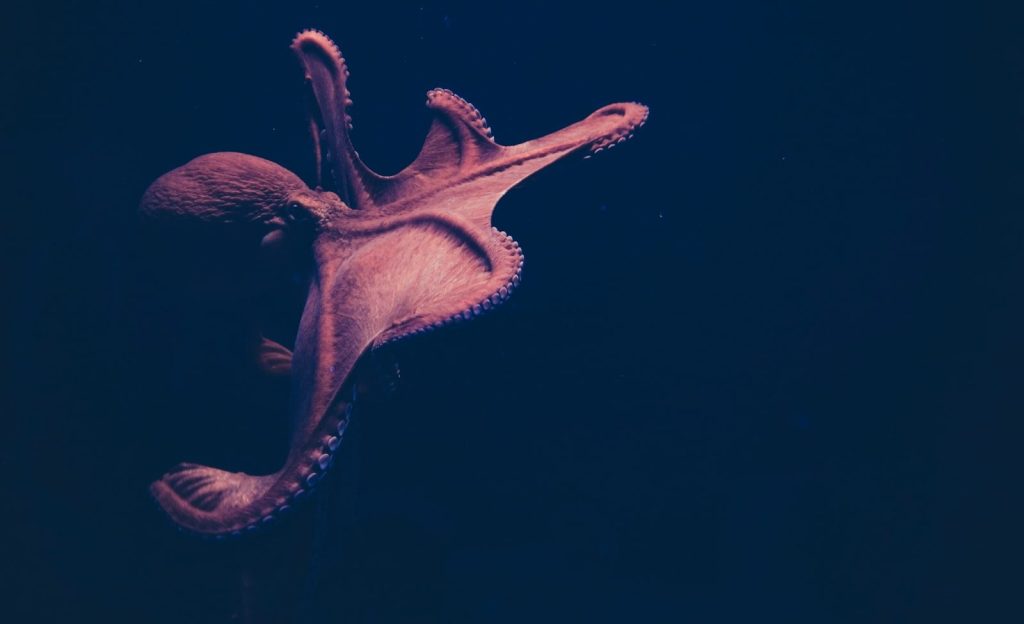
For centuries, sailors told terrifying stories of a giant multi-armed monster dragging entire ships underwater. According to reports from marine biologists, these legends were actually inspired by the giant squid. The creature is magnificent. These deep-sea giants can grow up to forty feet in length and hide in the absolute dark. But capturing these beasts on camera required launching deep underwater missions.
The Real Unicorn Of The Sea
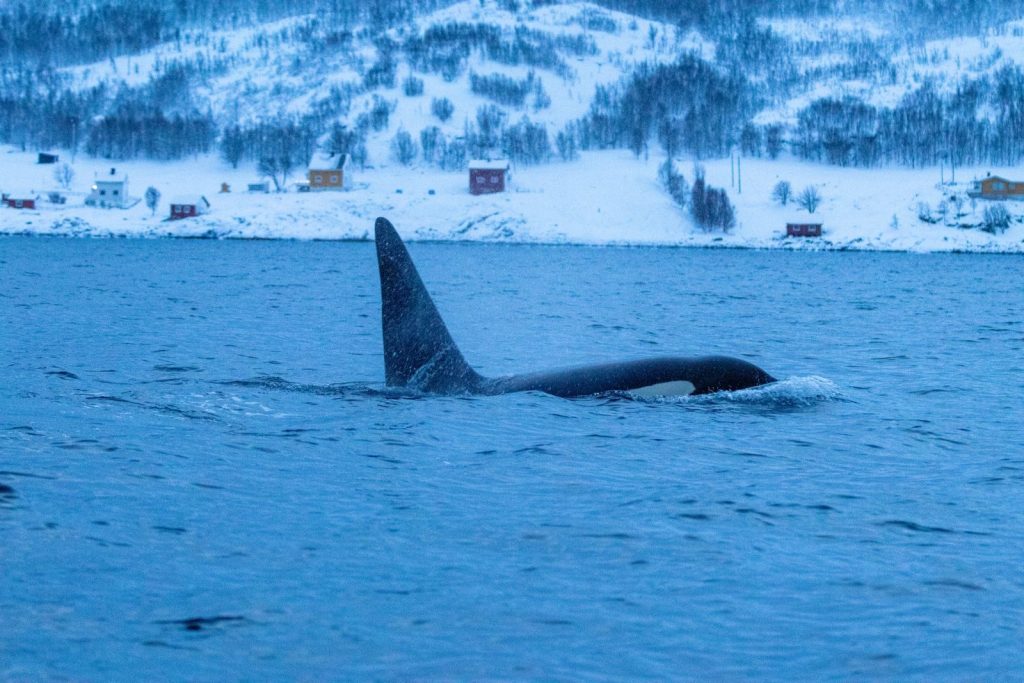
Medieval travelers brought home tales of a rare land horse with a single spiral horn. According to reports from historical records, these legendary horns actually belonged to the narwhal. They were highly prized. This unique whale species grows a long spiral tooth that looks exactly like a magical horn. But explaining why this whale grew such a long tooth became a major biological mystery.
Sifting Through Real Jungle Giants
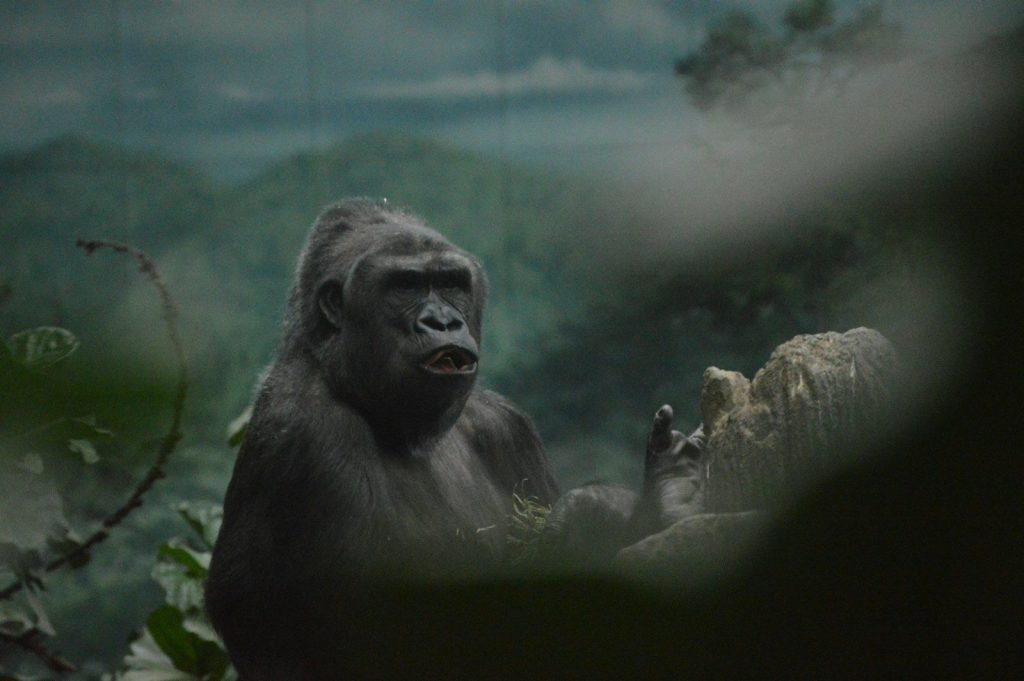
Native tribes in the African rainforest spoke of a massive hairy man-beast that ruled the dense jungle. According to reports from historical archives, Western scientists dismissed these reports as simple tribal myths for generations. They were wrong. The subsequent discovery of the mountain gorilla proved that the legendary beast was entirely real. But tracking down these elusive primates required braving extreme mountain paths.
The Platypus Taxidermy Fraud Debate

Early British naturalists received a preserved specimen of a duck-billed mammal from Australia in the late eighteenth century. According to the Natural History Museum, scientists believed a taxidermist had sewn separate animals together as a hoax. The suspicion was high. It took years of study to verify that this bizarre egg-laying mammal was authentic. But this creature possessed another highly toxic secret.
The Lethal Venom Weapon System
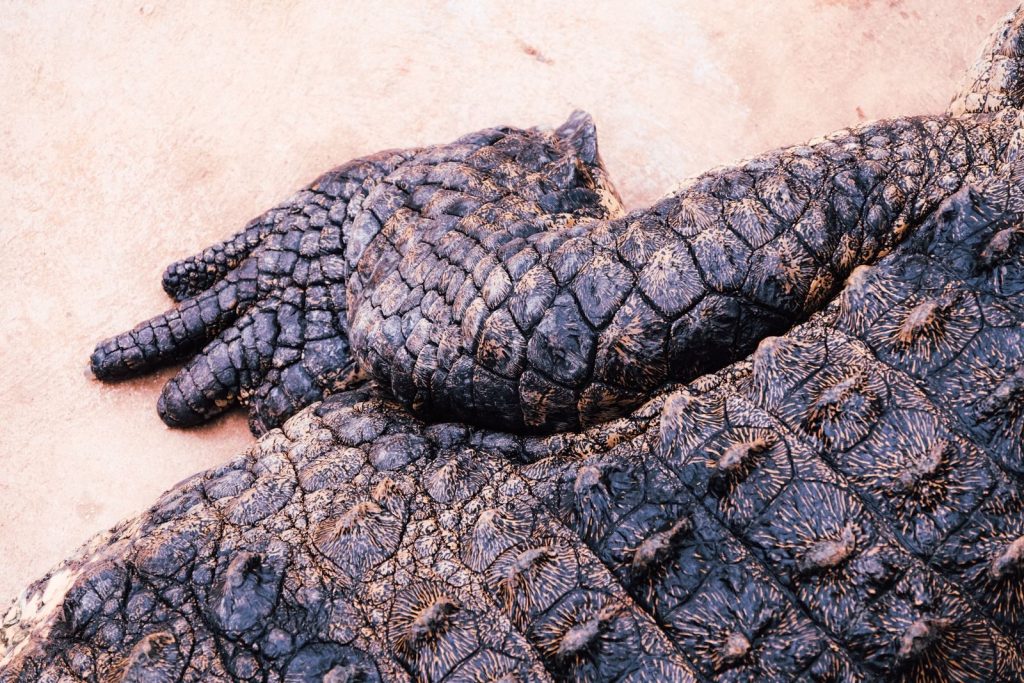
The male platypus has a sharp spur on its hind legs that releases a highly painful venom. According to biochemical reports, this unique defensive chemical is strong enough to disable predators instantly. The sting is brutal. This is one of the very few mammals on Earth that can produce active toxins. But other real monsters were hiding inside remote volcanic islands.
The Giant Fire Breathing Dragons
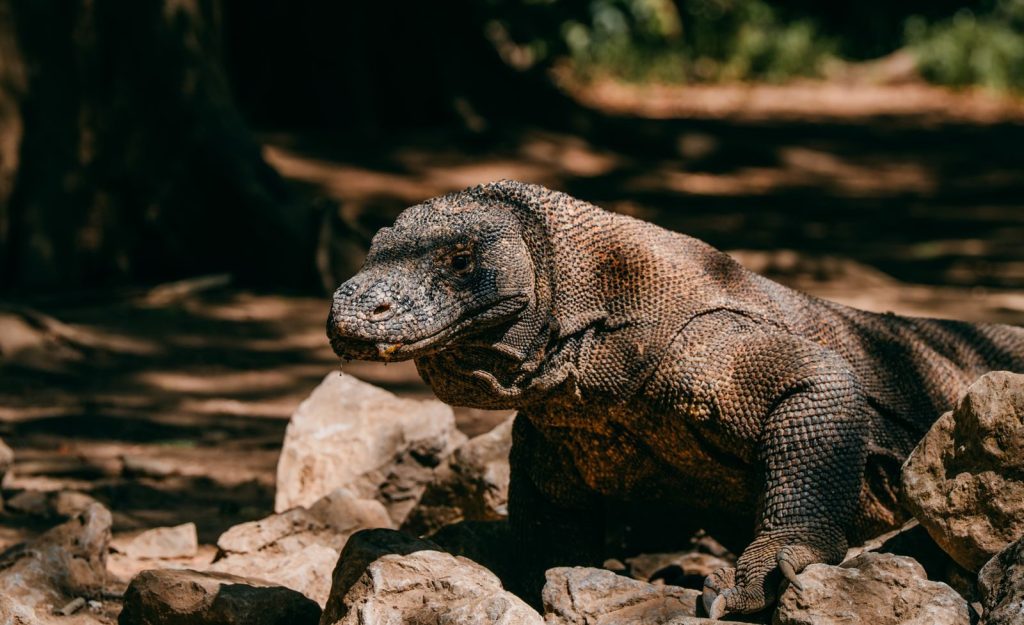
Early Dutch sailors returning from the Pacific islands described massive scale-covered dragons that could hunt deer. According to reports from the Smithsonian Institution, these mythical beasts were actually Komodo dragons. They are highly lethal. These giant lizards use toxic saliva and brute strength to bring down massive prey. But finding these reptiles required exploring the most isolated coordinates.
Surviving On Forbidden Islands

The Komodo dragon survives on a tiny group of volcanic islands in Indonesia. According to geological survey reports, this absolute geographic isolation allowed the ancient reptiles to evolve without any competitors. It was a shelter. This protected environment kept the ancient lineage alive long after other dinosaurs disappeared from the planet. But the ultimate lessons of these monsters are still changing biology.
Lessons From The Deep Woods

The stories of these creatures prove that old myths are often built on real biological events. According to reports from researchers, keeping an open mind about folklore can help us find unmapped species. Nature still holds secrets. This article is for informational purposes only.
Featured Image: Photo by Oleksandr Sushko on Unsplash
Leave a Reply