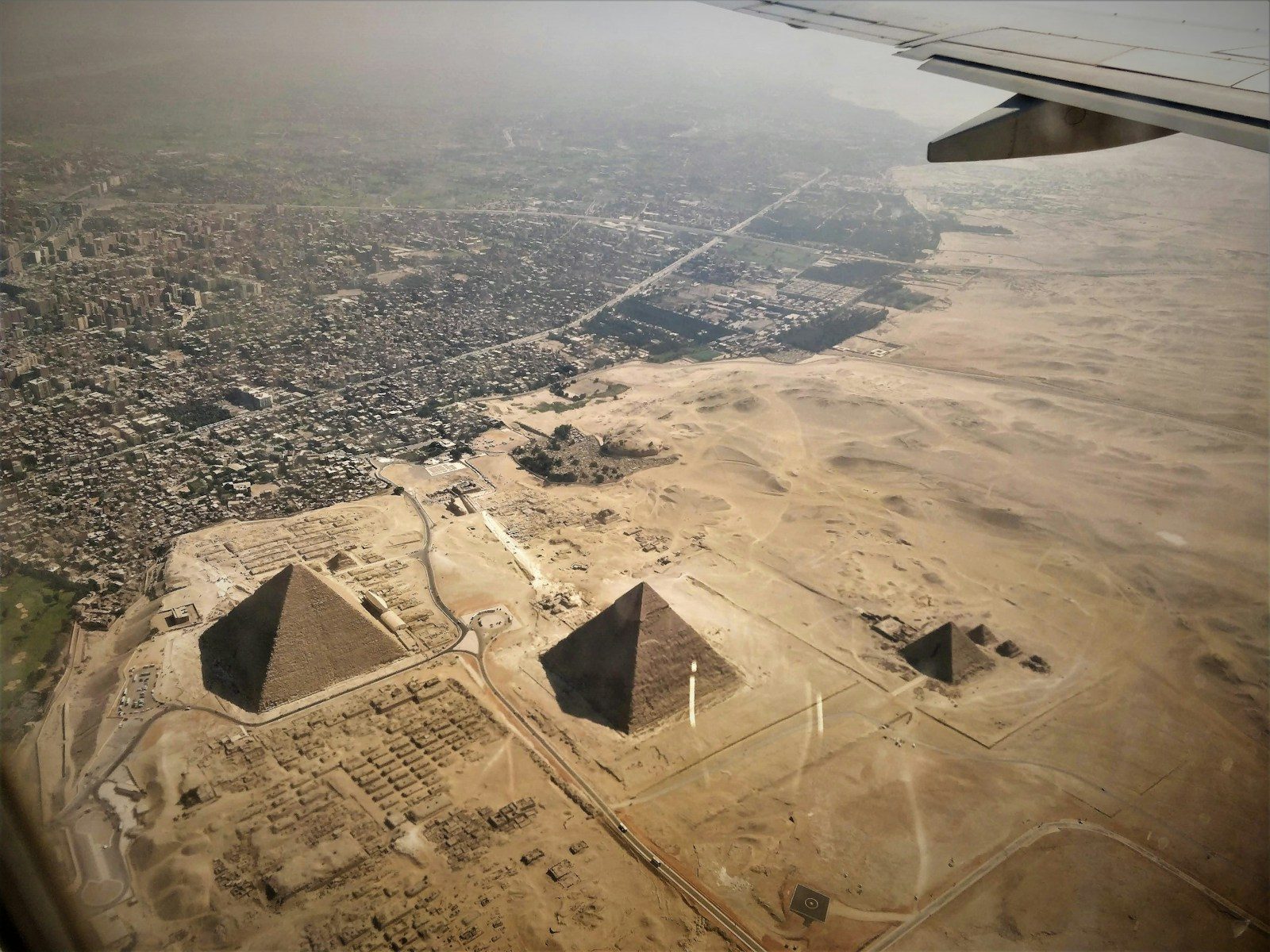
Most history lovers assume that ancient Egyptian builders raised their massive monuments using only simple dirt ramps. We believe that thousands of workers dragged heavy stones up long slopes using raw muscle.
But a ground-breaking engineering study has challenged this traditional narrative. Researchers have identified a highly advanced system of water channels and cargo lifts that did the heavy lifting.
Reimagining Primitive Labor
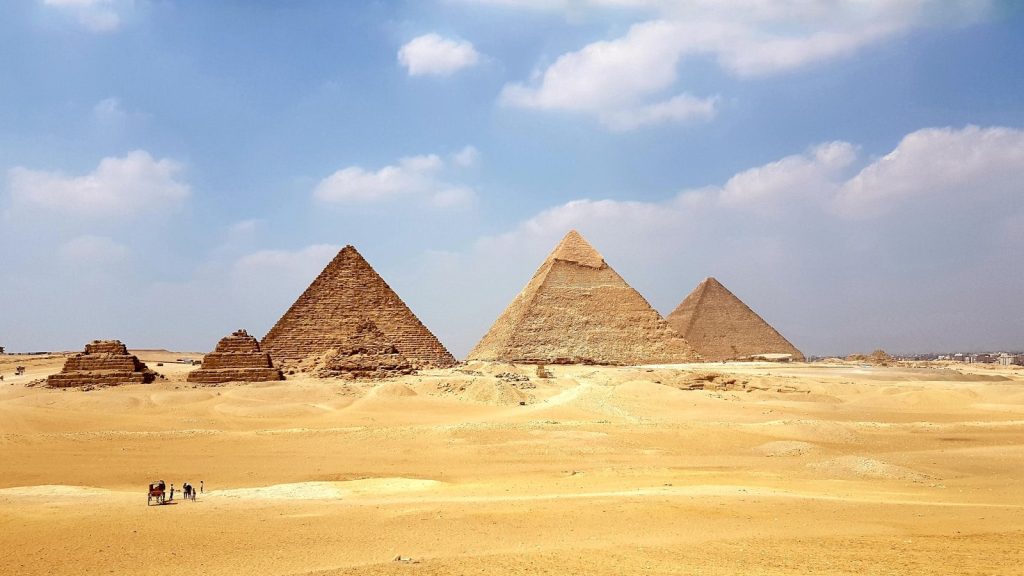
For centuries, scholars assumed that building the Giza monuments required an almost impossible amount of manual labor. According to reports from the Land Decompression Institute, building traditional sand ramps would require more material than the pyramid itself. The math fails. This physical limitation has forced modern engineers to search for a more logical building method. But the answer lay hidden inside the local geology.
The Ancient Water Network
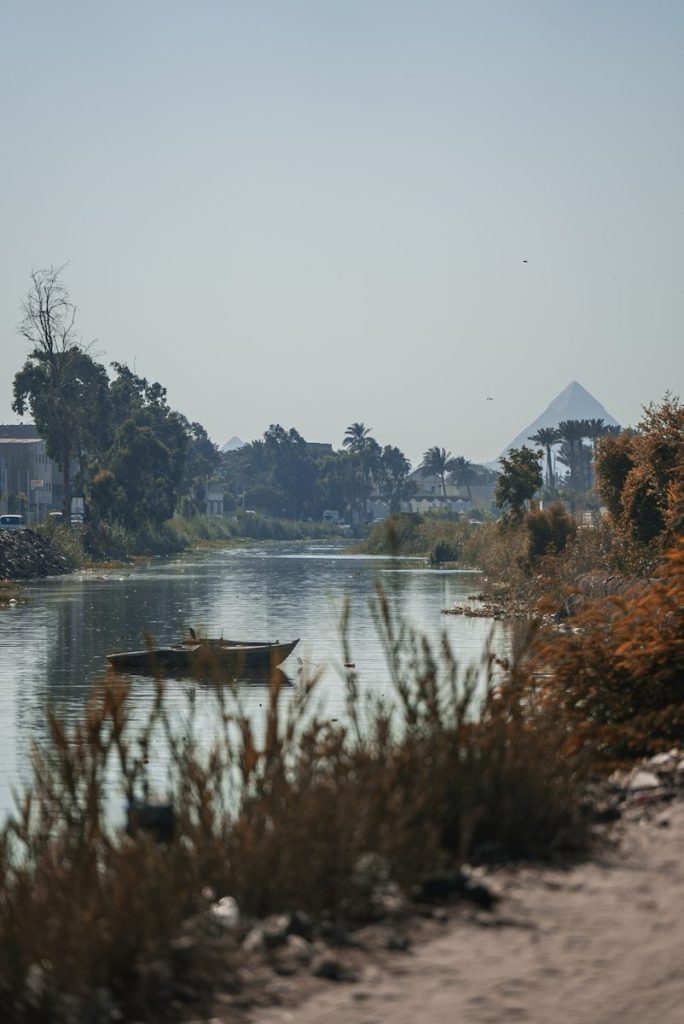
A team of civil engineers mapped a massive network of dry channels surrounding the pyramid site. According to geological surveys, these canals once connected the Nile River directly to the construction area. The water was abundant. This fluid network could have played a vital role in transporting heavy limestone blocks over vast distances. But this river flow was about to reveal a much larger engineering secret.
The Central Shaft System
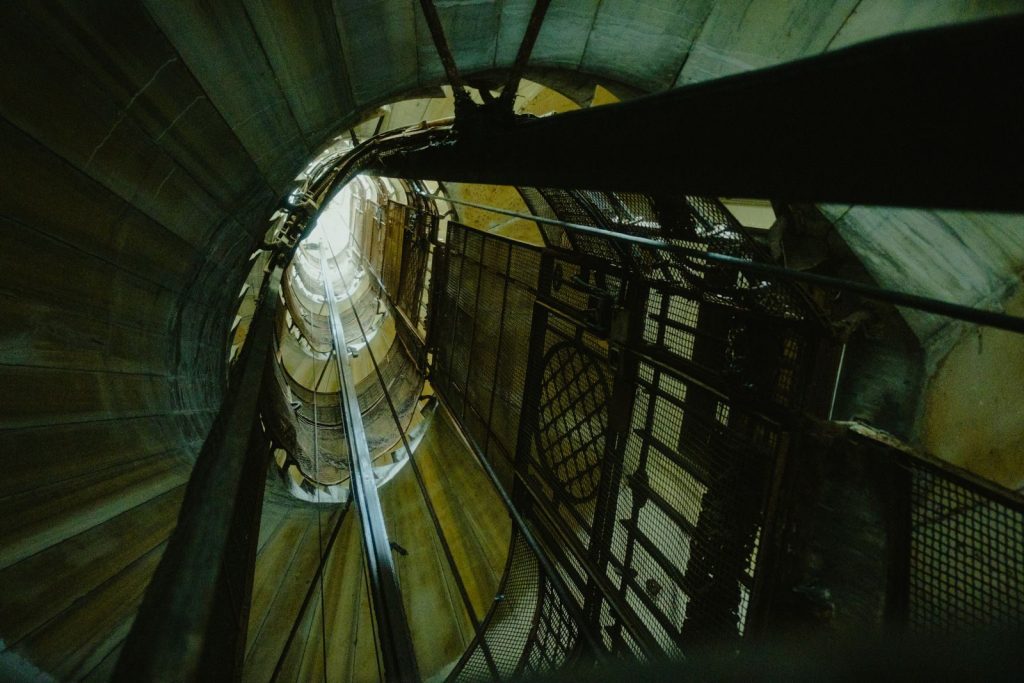
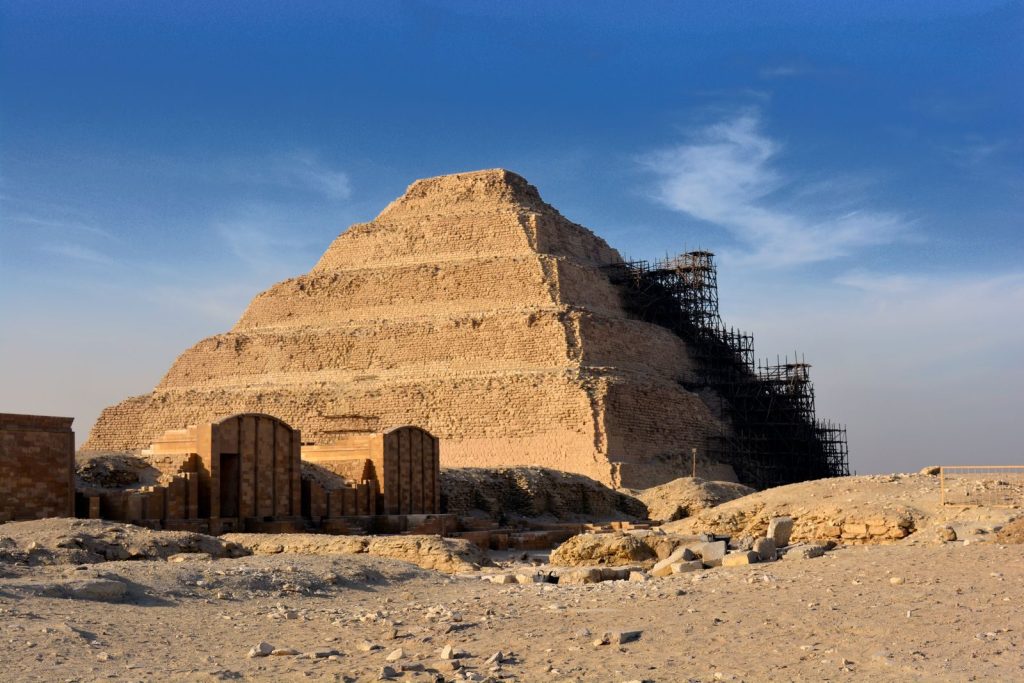
Excavating the vertical chambers inside the Step Pyramid of Djoser revealed a highly unusual design. According to archaeological geologists, the main shaft drops straight down to link with the underground water tables. It was a well. This direct connection allowed water pressure to rise naturally from the deep subterranean channels. But how the builders managed to control this hydraulic pressure remained a mystery.
Floating The Limestone Blocks
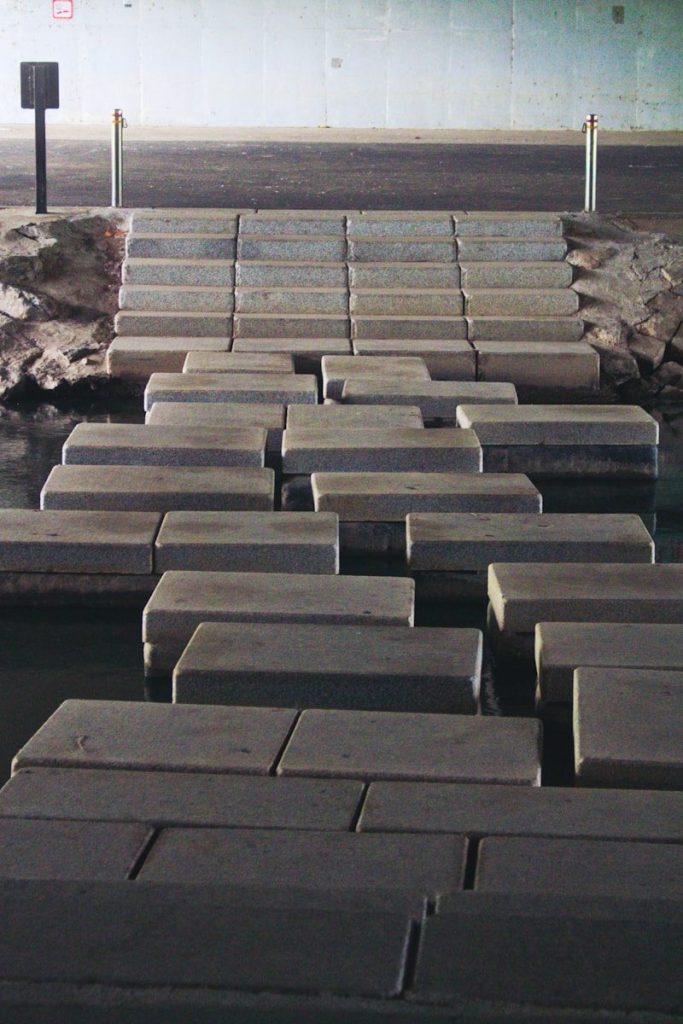
Engineers suggest that the ancient builders used a series of floating platforms to move the heavy stones. According to hydraulic modeling software, filling the central shaft with water would float a heavy wooden raft upward. The mechanics were simple. This upward lift allowed workers to elevate massive granite blocks without dragging them up steep ramps. But this fluid system required a highly complex valve mechanism to function.
The Sliding Stone Valves
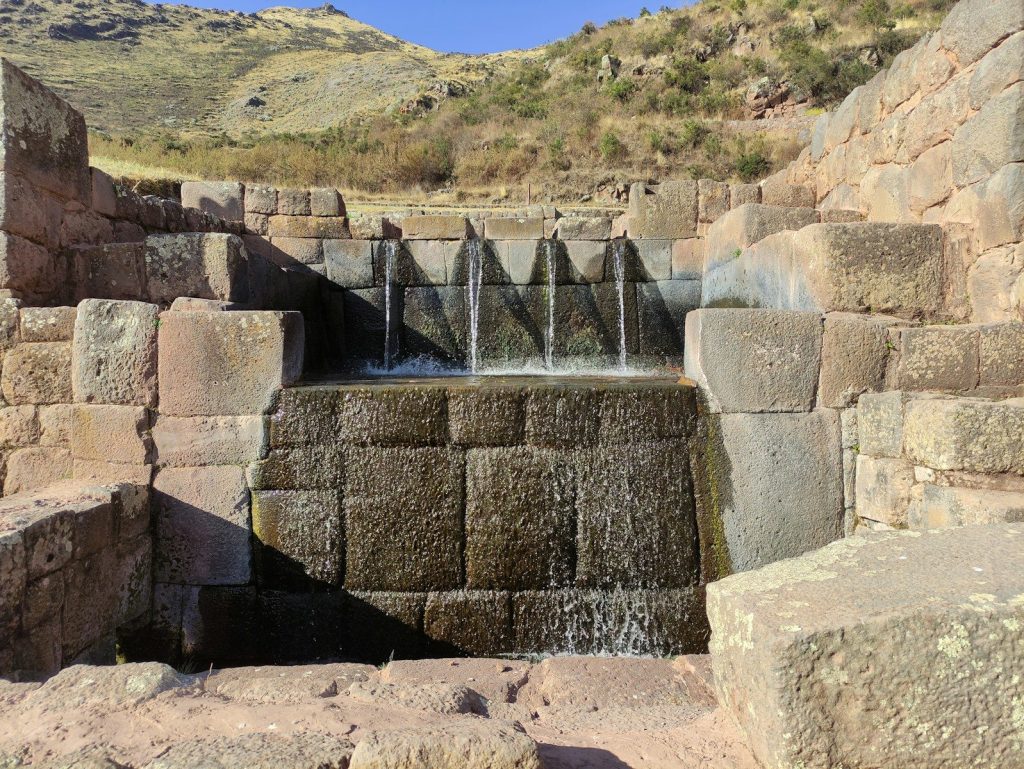
A close inspection of the underground channels revealed several large stone blocks that operated as sliding gates. According to structural analysts, these blocks could be raised or lowered to regulate the water pressure. The seal was tight. This precise pressure control is what allowed the hydraulic elevators to move predictably. But finding where the water eventually escaped led to a surprising discovery.
Massive Silt Settling Pools
A series of large rectangular depressions surrounds the ancient temple complex of Saqqara. According to a study published in PLOS One, these deep basins functioned as massive settling pools for the water system. They held sediment. This advanced filtration system prevented sand from clogging the delicate underground channels and valves. But tracing the ultimate source of this water network required satellite mapping.
Mapping Prehistoric Desert Rivers
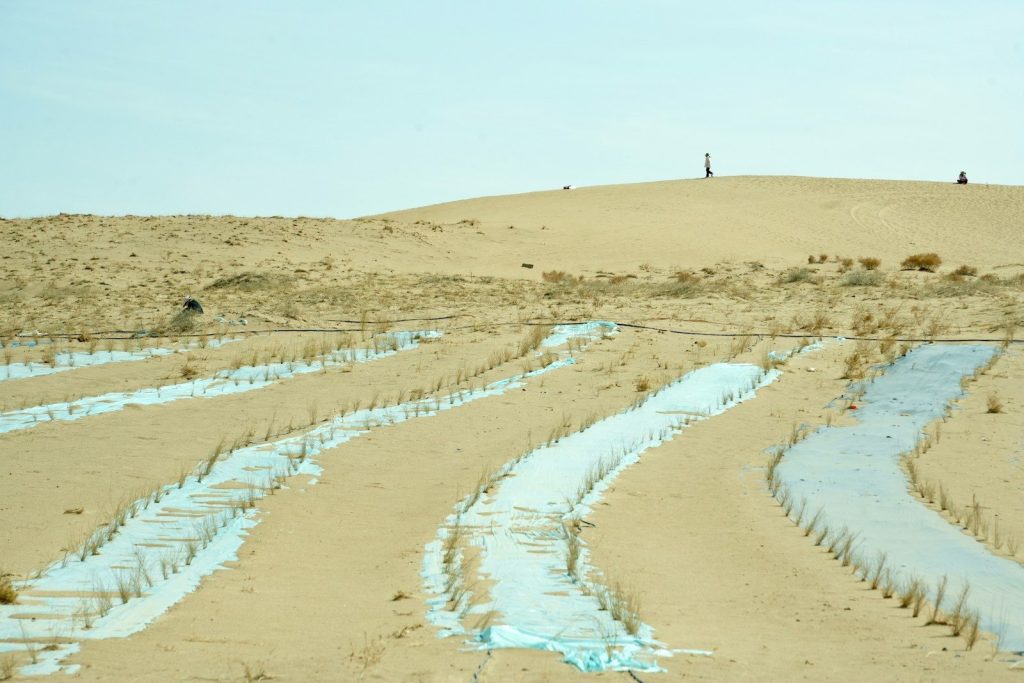
Modern radar imagery helped researchers map the prehistoric water flows across the desert. According to NASA geologists, a massive ancient river system once flowed directly through the region thousands of years ago. The desert was green. This abundant water source provided the constant flow required to run the heavy hydraulic elevators. But some traditional Egyptologists remain highly skeptical of these findings.
A Masterful Engineering Legacy
The hydraulic elevator theory proves that ancient builders possessed a master grasp of physics and fluid mechanics. According to researchers, studying these forgotten water channels helps us appreciate the true scale of early human intelligence. Nature always surprises us. This article is for informational purposes only.
Featured Image: Photo by Dario Morandotti on Unsplash
Leave a Reply