
Most people assume that archaeological treasures are only uncovered through systematic scientific digging. We believe that ancient tombs remain safely locked beneath the earth until researchers deliberately excavate them.
But a spectacular Baltic Sea storm in 1899 completely shattered this expectation. A massive cliff collapse sent a two-thousand-year-old hollowed oak coffin tumbling directly onto a sandy beach below.
The Beach Discovery
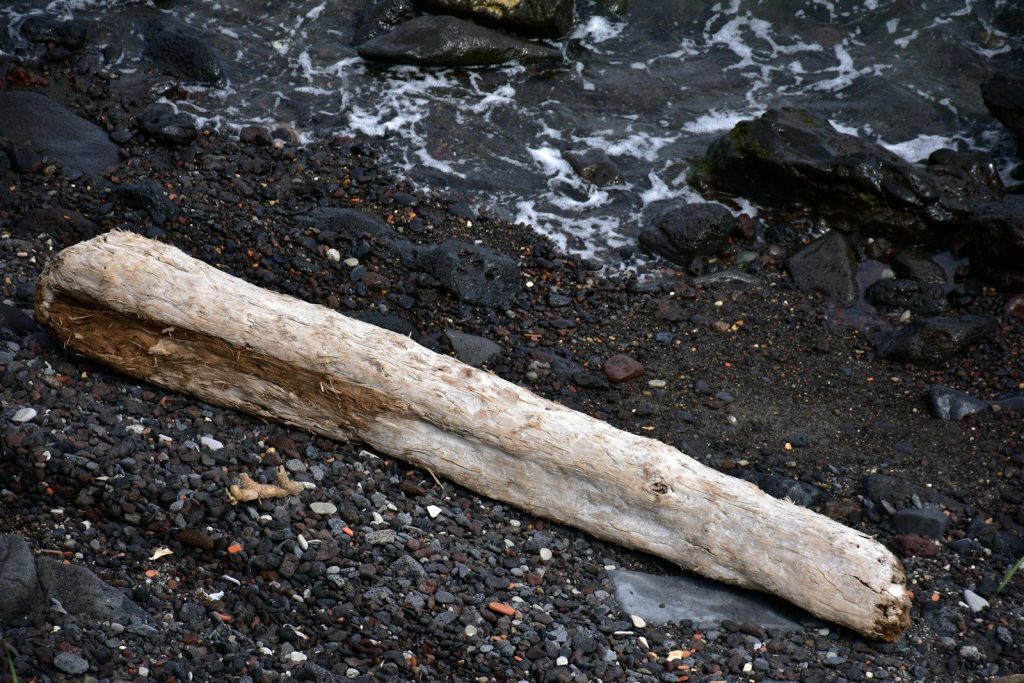
A powerful storm battered the coastline of Bagicz in northwestern Poland. According to historical records, the intense ocean waves eroded a massive section of a seaside cliff. The earth gave way. From the newly opened cliffside, an enormous hollowed oak log slid out and crashed onto the sand. Beachcombers who first approached the fallen object realized it was actually a grave. But what lay inside would completely shock local researchers.
Remarkable Preservation Secrets

Opening the fallen log revealed a skeleton in a highly unusual state of preservation. According to a study published in the journal Archaeometry, the bones and surrounding organic materials had turned a deep black color. They looked almost charred. However, scientists discovered that the organic tissue had undergone a natural chemical tanning process from the high tannins in the wet oak log. But this chemical preservation was only part of the puzzle.
The Princess Shroud
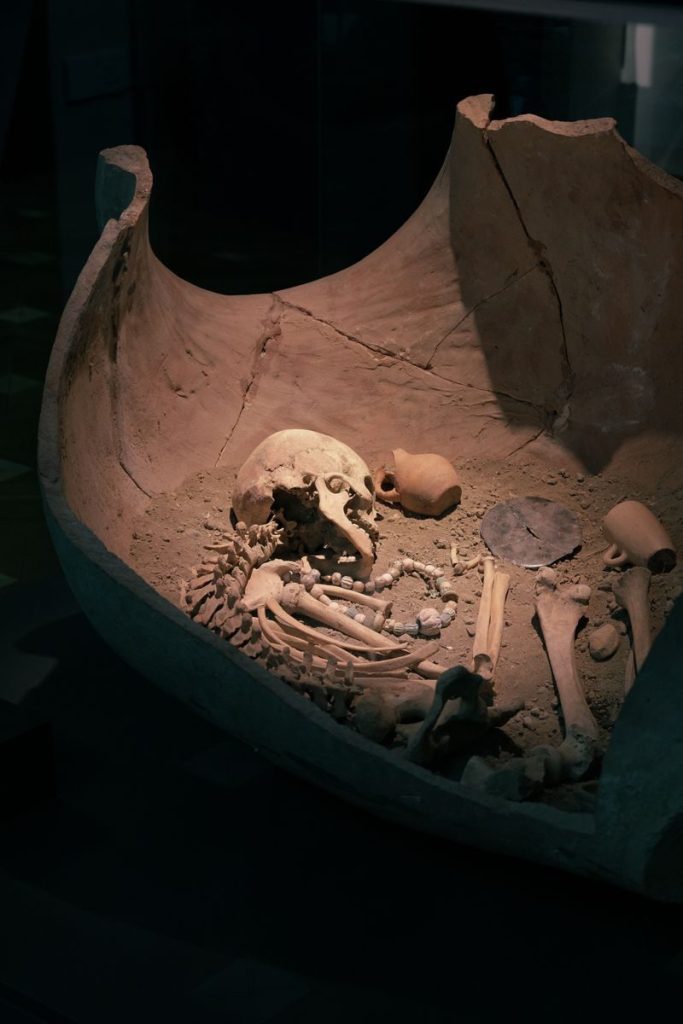
The mysterious woman inside was laid to rest with incredible care. According to research from the University of Szczecin, her body was wrapped in a thick cowhide shroud and rested on a wooden stool. The layout was exquisite. This highly unique arrangement indicated that she belonged to an elite social class. But discovering her exact origins required looking closely at her buried wealth.
Ornaments Of Wealth
Excavators recovered a stunning collection of jewelry from within the hollowed oak log. According to report summaries in Archaeometry, the grave goods included bronze bracelets, ornamental clasps, and a beautiful necklace of glass and amber beads. This treasure was valuable. These rich items helped link her to the ancient Wielbark Culture, which was closely related to the Goths. But determining exactly when she lived would spark a major scientific debate.
The Diet Paradox

Initial attempts to date her remains led to highly confusing results. According to researchers led by Marta Chmiel-Chrzanowska, early carbon-dating of her teeth suggested she was centuries older than her buried bronze jewelry. The math was wrong. Experts eventually realized her heavy fish diet had distorted the carbon levels in her bones during her lifetime. But solving this timeline conflict required measuring the rings of her wooden resting place.
Decoding Tree Rings
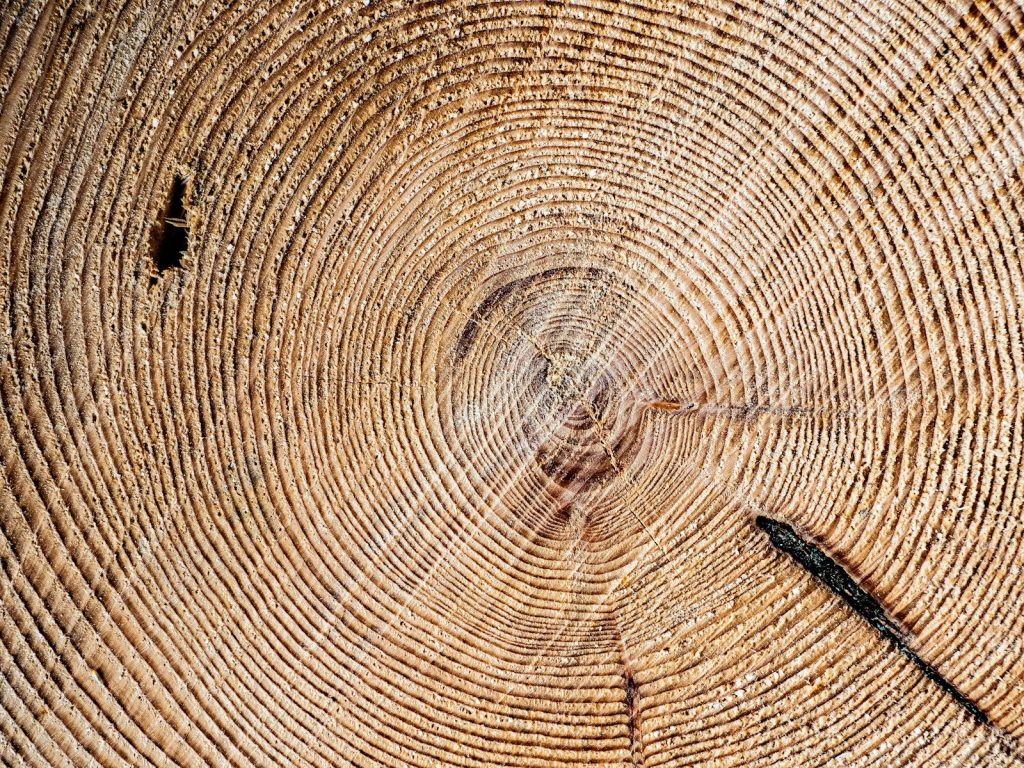
Scientists decided to study the oak coffin itself using a process called dendrochronology. According to the published study, researchers counted the rings of the hollowed oak trunk to determine when it was cut down. The results were clear. The tree was felled around one hundred and twenty AD, proving she lived during the Roman Iron Age. But her bones held one final surprise about her travels.
An Interstellar Goth

Chemical markers in her teeth suggest that this ancient princess was actually a seasoned traveler. According to the National Museum in Szczecin, she likely migrated across great distances before her symbolic burial on the Baltic coast. She was highly adventurous. Today, her preserved log coffin remains on display as a window into the complex trade routes of ancient Europe. This article is for informational purposes only.
Featured Image: Photo by Sydney Moore on Unsplash
Leave a Reply